

Being diagnosed with celiac disease or gluten sensitivity can feel overwhelming at first. Suddenly, grocery shopping turns into a challenge and every product looks suspicious. That’s why having a reliable list of gluten-free foods is essential—it helps you know exactly what you can eat, what to avoid, and how to identify safe products.
To make things easier, I’ve created a detailed guide backed by medical sources and celiac associations. Whether you’re new to a gluten-free lifestyle or have been following it for years, you can use this resource as a practical reference every time you shop or plan your meals.
What Is Gluten and Why You Should Avoid It
Gluten is a protein naturally found in several grains, including wheat, barley, rye, and, in many cases, oats (unless certified gluten-free). While it’s harmless for most people, in those with celiac disease it triggers an abnormal immune reaction that damages the lining of the small intestine, preventing proper nutrient absorption.
That’s why completely removing gluten from the diet is the only effective treatment for celiac disease. It’s also recommended for people with non-celiac gluten sensitivity, since even if they don’t experience intestinal damage, they can still suffer from uncomfortable symptoms.
The good news is that there are plenty of foods that are naturally gluten-free. In fact, when done right, a gluten-free diet can be varied, balanced, and absolutely delicious.
List of Naturally Gluten-Free Foods
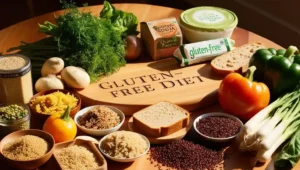
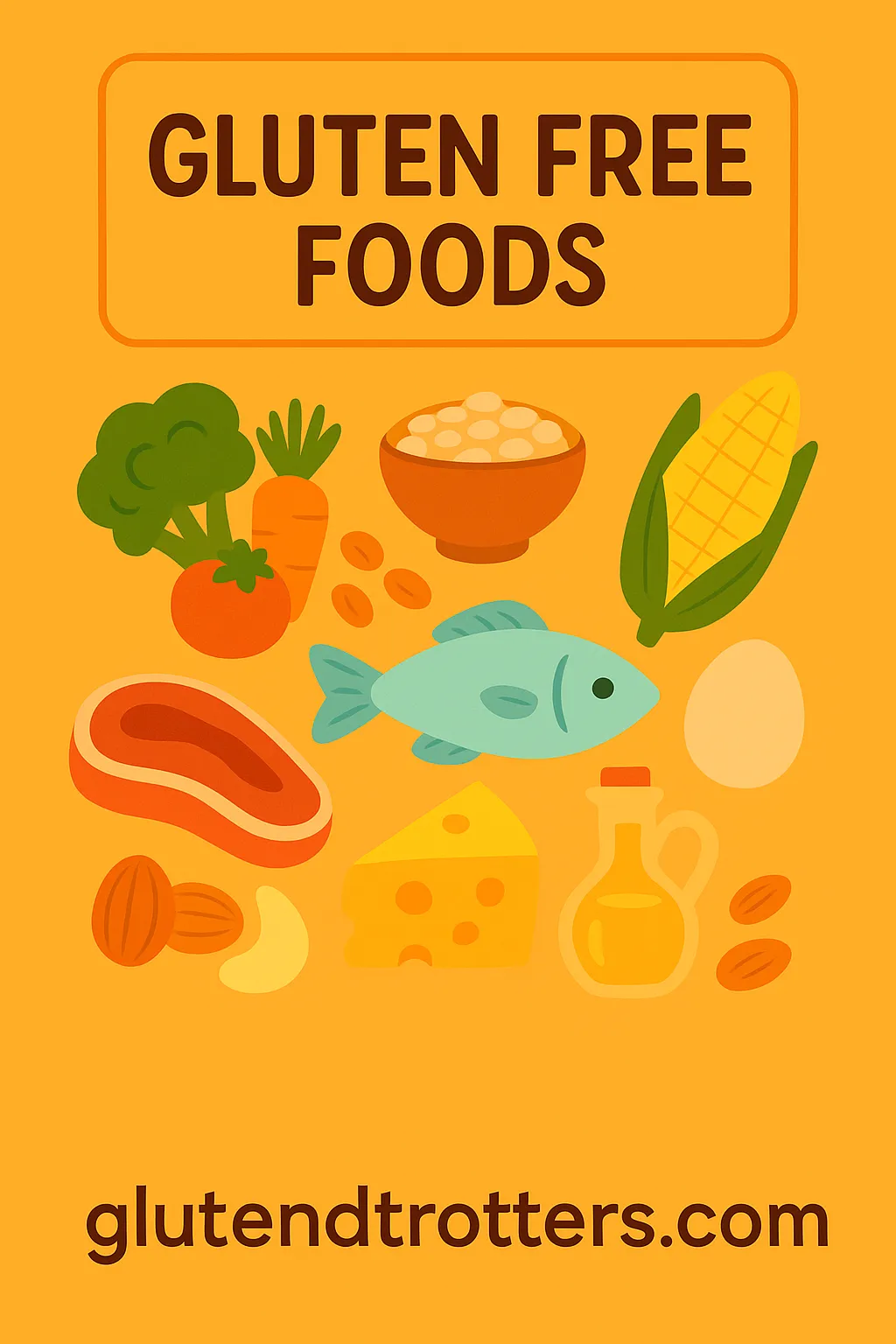
One of the keys to following a safe gluten-free diet is to focus on fresh, unprocessed foods. Below, you’ll find a detailed list of gluten-free foods you can enjoy without worry.
Fresh Fruits and Vegetables
All fresh fruits and vegetables in their natural state are gluten-free. You can enjoy them with complete confidence—apples, pears, bananas, oranges, strawberries, carrots, spinach, broccoli, lettuce, tomatoes… the list is endless!
However, be cautious with frozen or canned fruits and vegetables—some may contain sauces, modified starches, or preservatives that do have gluten. Always check the label before buying.
Legumes
Lentils, chickpeas, beans, black beans, split peas… all dried legumes are naturally gluten-free. However, they can sometimes be contaminated with gluten-containing grains during processing, especially if handled in shared facilities.

Glutendtrotters Tip
Before cooking, check that there are no wheat grains mixed into the package and, when possible, choose brands certified gluten-free. Jarred or canned lentils often contain traces of gluten.

Rice, Corn, and Other Gluten-Free Grains
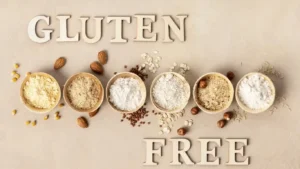
Rice and corn are staple grains in a gluten-free diet—versatile, affordable, and safe. You can also enjoy without worry:
- Quinoa
- Millet
- Amaranth
- Sorghum
- Teff
- buckwheat (despite its name, it is not wheat and contains no gluten)
These grains can be used as whole grains, flours, flakes, or plant-based drinks. In all cases, make sure they are labeled gluten-free to avoid cross-contamination.
Also read: Best Gluten-Free Flours
Meat, Fish, and Eggs
- Fresh meats—chicken, turkey, beef, pork, lamb, rabbit… as long as they are fresh and unprocessed, they are 100% safe.
- Fresh fish and seafood—just like meat, if they are not marinated, breaded, or processed, you can enjoy them with confidence.
- Eggs—a staple, nutritious food that is naturally gluten-free and safe without restrictions.
⚠️ Be cautious with processed products such as burgers, nuggets, meatballs, fish sticks, and similar items—they often contain breadcrumbs, flours, or additives that may have gluten.
Natural Dairy Products
Most plain dairy products are gluten-free, including:
- Milk (cow’s, sheep’s, and goat’s).
- Plain or Greek yogurt with no added sugar.
- Aged and semi-aged cheeses.
However, be cautious with industrial dairy desserts, flavored yogurts, milkshakes, and processed cheeses, as they may contain thickeners or flavorings with gluten.
Nuts and Seeds
As long as they are raw or dry-roasted without salt and not fried, nuts such as walnuts, almonds, hazelnuts, pistachios, or cashews are safe. The same goes for seeds like chia, flax, sunflower, or pumpkin.
⚠️ Be very careful with fried nuts, flavored varieties, or commercial “cocktail” mixes, as they often contain flours used as anti-caking agents or flavorings that are not gluten-free.
Fats and Oils
- Extra virgin olive oil.
- Sunflower, coconut, corn, avocado oil…
- Butter
All of these products are naturally gluten-free, as long as they haven’t been flavored with questionable ingredients. Avoid industrial margarines with unclear additives—not only are they risky for gluten contamination, but they’re also not healthy.
Foods That May Contain Gluten – What to Check Before Eating
Here we enter more delicate territory. Some foods, although they may not seem risky at first glance, can contain hidden gluten due to their production process, added ingredients, or cross-contamination. That’s why checking labels carefully is just as important as knowing the list of gluten-free foods you can eat safely.


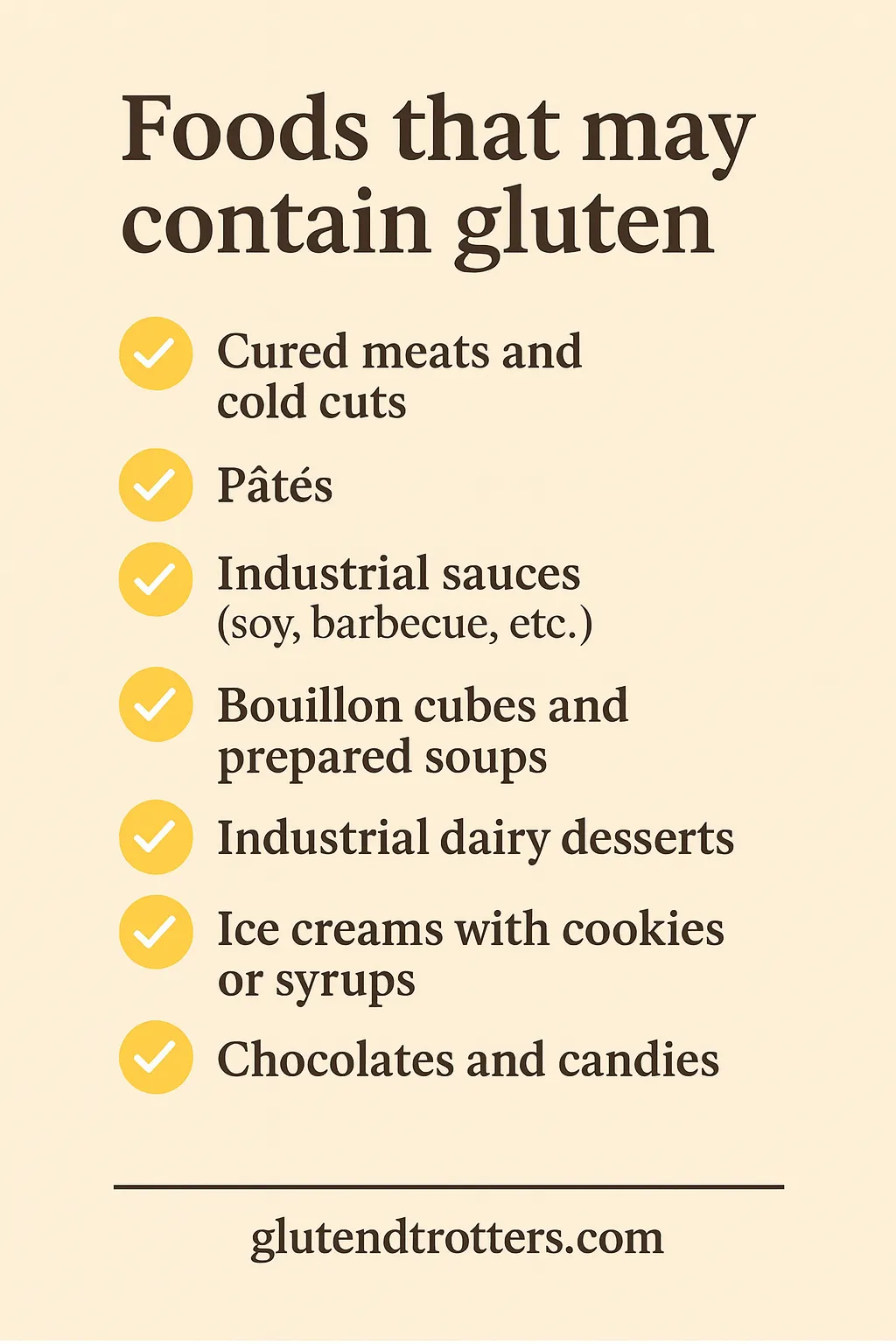
High-Risk Foods – What to Avoid in a Gluten-Free Diet
- Cured meats such as chorizo, salchichón, cooked ham, mortadella, and sausages—some contain breadcrumbs, wheat starch, or flours used as binders.
- Pâtés may contain wheat flour or maltodextrin derived from gluten.
- Industrial sauces such as ketchup, mustard, soy sauce, béchamel, or barbecue—many use flour or starches as thickeners.
- Bouillon cubes or prepared soups—always check the ingredients carefully.
- Industrial desserts and ice creams—especially those with cookie bases, syrups, cake pieces, or similar ingredients.
- Chocolates and candies—some contain cereals or malt, or may be contaminated on the same production line as gluten-containing products.
- Ready-made foods such as lasagna, croquettes, empanadas, pizzas, and more—unless they are clearly labeled as “gluten-free.”
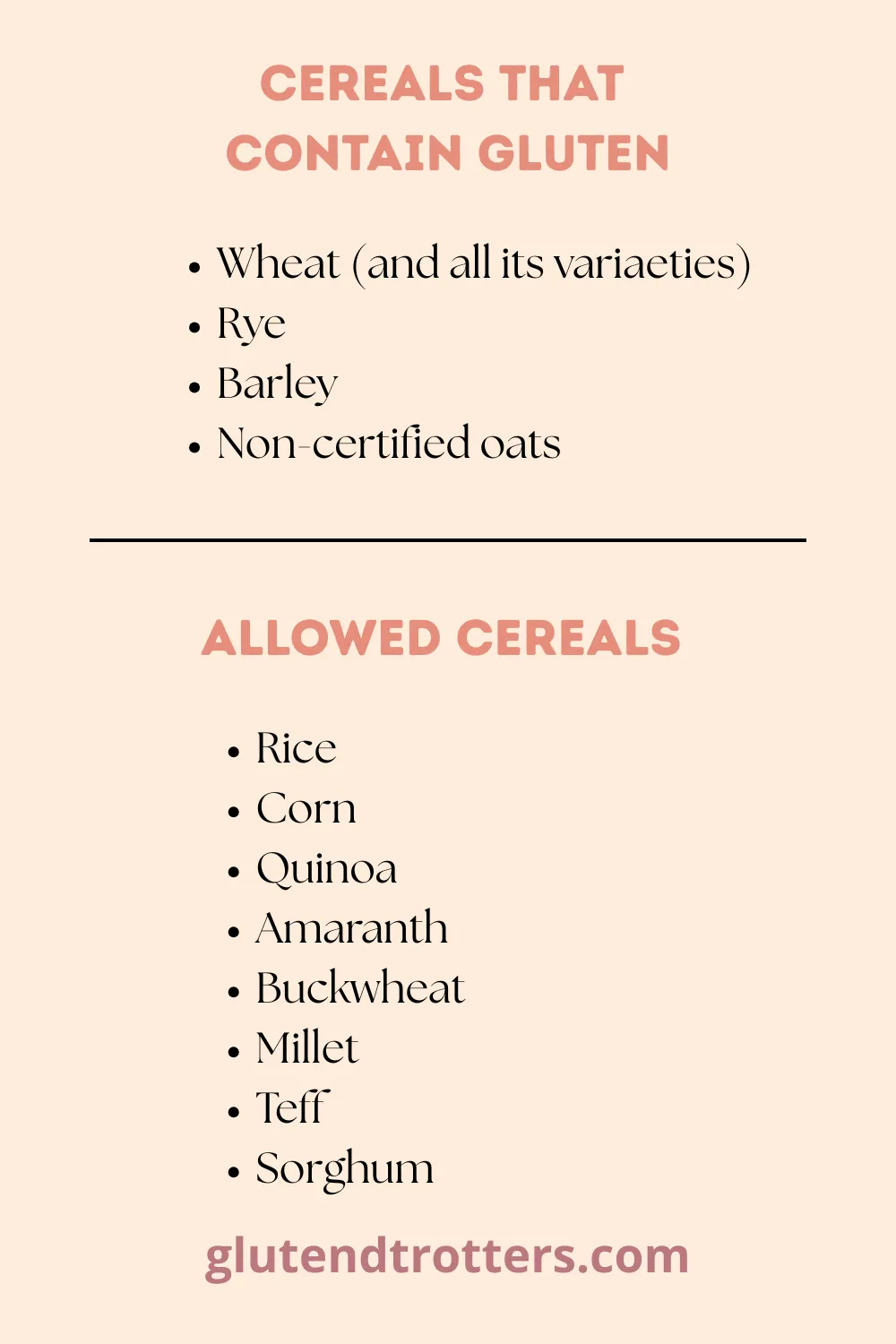
Cereals – Gluten-Free Options and Those to Avoid
It’s essential to be very clear on this point, as gluten is naturally present in some cereals widely used in the food industry. Knowing which ones are safe—and which to avoid—is a key part of understanding any list of gluten-free foods.
❌ Cereals That Contain Gluten
- Wheat (and all its varieties: spelt, kamut, farro, triticale…)
- Barley.
- Rye.
- Oats (if not certified gluten-free).
These cereals are completely prohibited in a gluten-free diet, even in small amounts.
✅ Allowed Grains and Pseudocereals
- Rice
- Corn
- Quinoa
- Amaranth
- Buckwheat
- Millet
- Teff
- Sorghum
These foods are not only safe but also provide essential nutrients such as fiber, iron, and plant-based proteins.
The Special Case of Oats
Oats are a highly debated topic in the celiac community. While pure oats do not contain gluten, they are often contaminated during cultivation, transport, or processing, as they are frequently handled alongside other gluten-containing grains.
That’s why oats should only be consumed if they are certified gluten-free and clearly labeled as such. Even then, some people with celiac disease may not tolerate them well, so it’s always recommended to introduce them under medical supervision. In Manuela’s case, she tolerates them very well.
👉 We regularly consume this certified gluten-free oats.
Label Reading: Your Best Ally
Fortunately, for years European legislation has required all food products to clearly indicate if they contain allergens such as gluten. In Europe, many manufacturers use the Crossed Grain Symbol from the Association of European Coeliac Societies (AOECS), internationally recognized as meaning “safe for celiacs.” You can see it at the official link, although we cannot reproduce it here due to copyright restrictions.
In the United States, the most recognized certification is the Certified Gluten-Free logo from the Gluten-Free Certification Organization (GFCO), a circle with the letters “GF” that guarantees less than 10 ppm of gluten—stricter than the FDA limit of 20 ppm. Products may also simply display the words Gluten-Free on their packaging, regulated by the FDA.
In the United Kingdom, Coeliac UK also uses a version of the Crossed Grain Symbol, certifying products that contain less than 20 ppm of gluten. The term Gluten-Free can also appear on packaging under the Food Standards Agency’s rules, even without the logo, as long as the limit is met.
Wherever you are, learning to read food labels is just as important as having a trusted list of gluten-free foods to guide your choices safely.
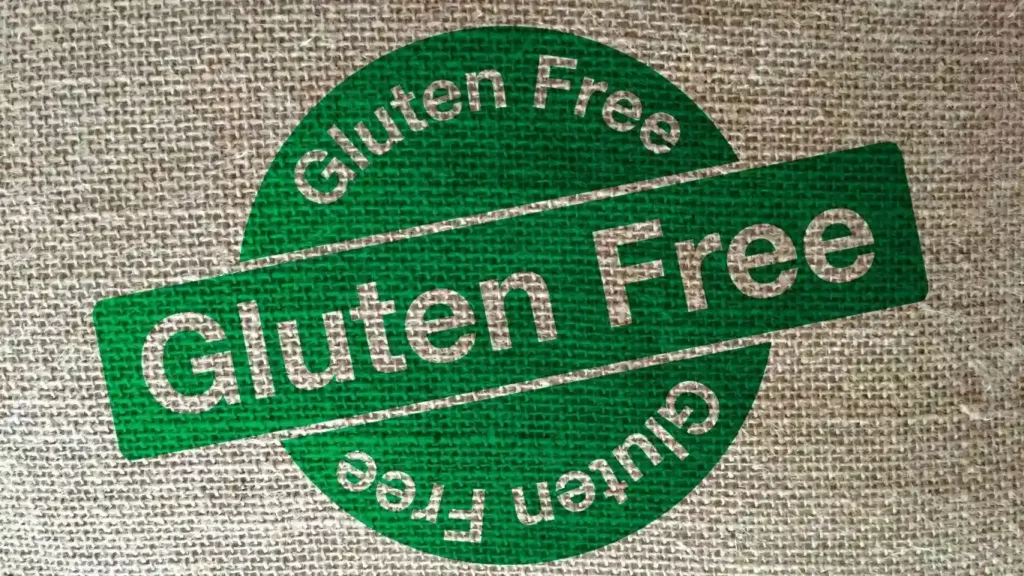
For a processed product to be safe, it must meet at least one of the following conditions:
- Display the phrase “gluten-free” on its packaging
- Include the official symbol of national or international celiac associations
- Be listed in official directories of approved gluten-free foods
How to Use This List of Gluten-Free Foods
Having a clear and up-to-date list of gluten-free foods allows you to:
- Shop with greater confidence.
- Plan balanced menus without unwanted surprises.
- Avoid mistakes and cross-contamination in the kitchen.
- Teach those around you what you can and cannot eat.
You can print it, save it on your phone, or even stick it on your fridge as a reminder. As you gain experience, you’ll find that identifying safe products becomes second nature—but it’s always helpful to have a reliable backup.
Also read: Gluten-Free Kitchen: 10 Smart Tips to Stay Organized
Final Thoughts and Key Takeaways
Following a gluten-free diet doesn’t mean giving up a rich, varied, or enjoyable way of eating. It means learning to choose consciously, relying on fresh foods, checking labels carefully, and using tools like this list of gluten-free foods to make safe decisions.
Remember: your gut health depends on the strict elimination of gluten. But that doesn’t mean living in fear—it means living with knowledge. And the more you know, the freer you’ll feel.
Living gluten-free is a journey that becomes easier with the right information, trusted resources, and a bit of planning. Keep this gluten-free food guide handy, explore new recipes, and enjoy discovering safe products that make your meals both delicious and worry-free. Your health is worth every conscious choice—and each one brings you closer to a life full of flavor and freedom.
Have any favorite gluten-free foods or tips? Share them in the comments to help others on their journey!
Free Downloadable Gluten-Free Checklist
Related posts:
- 7 Gluten-Free Travel Tips and Guide for Celiacs
- Starting a Gluten-Free Diet: Key Benefits and How to Avoid Beginner Mistakes
- Living with Celiac Disease: Symptoms, Treatment and Personal Experiences
- Best Diet for Hypothyroidism: Complete Guide, Real Experience, and Practical Tips


