


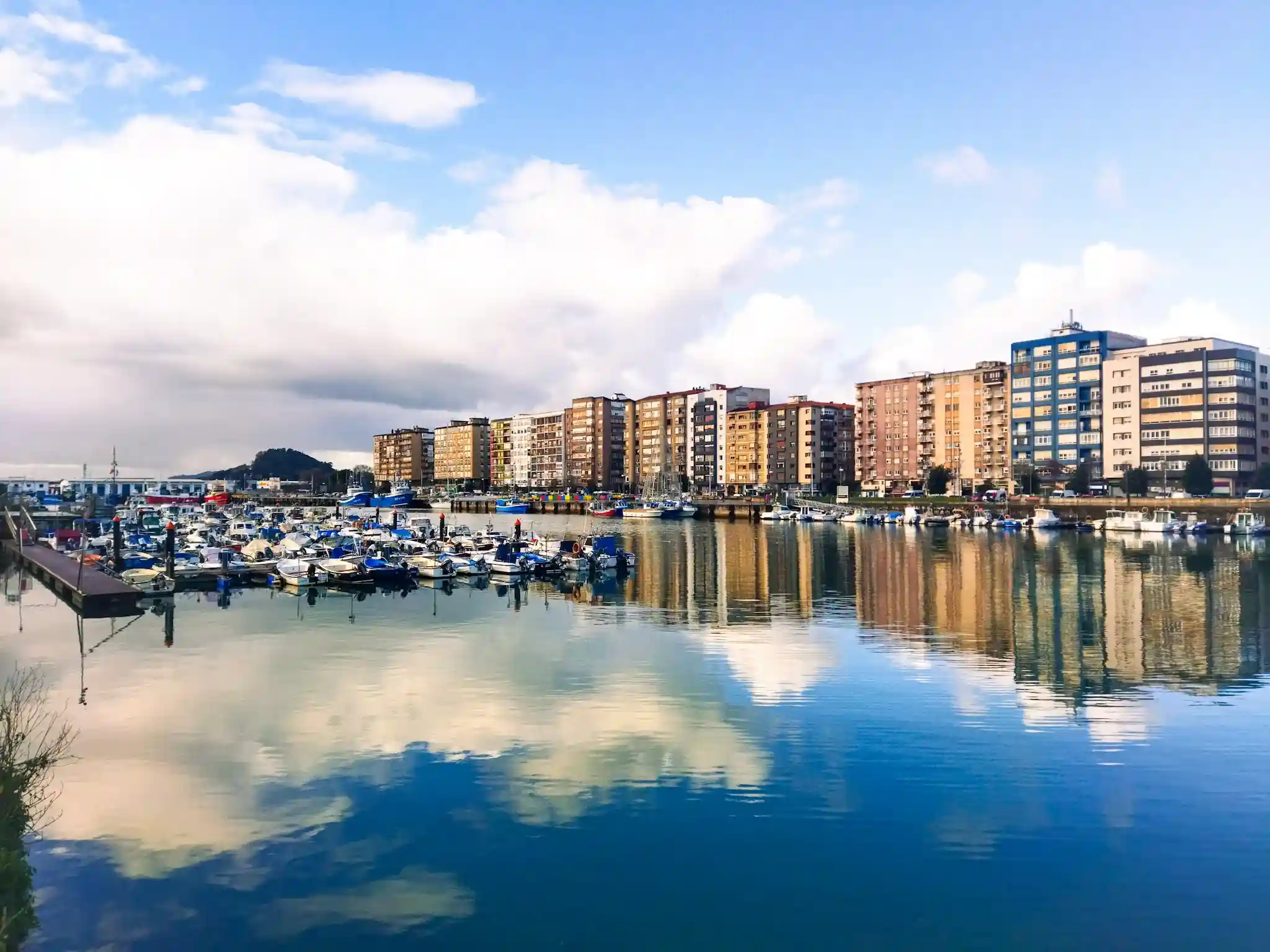
If you’re looking for the best things to do in Santander Fishing Quarter, this guide covers all the essentials for your visit. Just minutes from the city center, this historic waterfront neighborhood preserves the charm of old fishermen’s houses, colorful street art murals, and an authentic maritime atmosphere that reflects the fishing heritage of Santander. Stroll along the docks, explore its small plazas, and enjoy sweeping views of the Cantabrian Sea to experience the city’s most genuine side.
The Santander Fishing Quarter is also synonymous with great food. Here you can savor ultra-fresh fish and seafood in traditional taverns and restaurants—many offering gluten-free options—perfect for a relaxed lunch or dinner by the bay. In this guide you’ll find a detailed walking route with a map, parking tips, and extra recommendations to round out your visit with nearby attractions.
History and Origins of the Santander Fishing Quarter
The story of the Santander Fishing Quarter dates back to the post-war era, when the Poblado de Pescadores “Grupo Sotileza” was built between 1943 and 1960 along the Maliaño dock. It was one of the first projects of Spain’s 1942 National Housing Improvement Plan, created to provide dignified homes for fishing families. After the great fire of 1941 that reshaped the city, around 270 families of fishermen—formerly crowded into Puertochico, San Martín, and Tetuán—found a fresh start here on the bay.
The district was officially named the Poblado Marítimo de Sotileza in honor of the 1881 novel Sotileza by José María de Pereda, which vividly portrays Santander’s seafaring life. Even its name reflects the fishing tradition: “sutileza” refers to the finest part of a fishing line where the hook is tied, symbolizing the delicacy and precision of the craft. From the Middle Ages through the 18th century, fishing and navigation were the driving economic and cultural forces of the city, and that legacy is still alive in the Santander Fishing Quarter today.
Transformation and Maritime Spirit
From the second half of the 18th century, Santander experienced a major boom driven by maritime trade. The bay expanded with new docks such as Maliaño, Calderón, and the Molnedo basin, shaping both the port and the neighborhood we know today. Walking its streets is like stepping back into the city’s fishing tradition, where colorful façades and vibrant street art mix with the salty scent of the sea, a constant reminder of its origins.
Today, the Santander Fishing Quarter is also a must-visit culinary destination. Its cozy taverns and restaurants are famous for ultra-fresh seafood and fish—many offering gluten-free options—that showcase the authentic flavors of Cantabrian cuisine. Exploring this district is both a journey through Santander’s maritime heritage and a true feast for the senses.
Also Read: Gastronomía de Cantabria: recorrido por sus mejores platos y sabores
How to Get to the Santander Fishing Quarter
Getting to the Santander Fishing Quarter is easy whether you’re arriving by car, public transport, or on foot. The neighborhood lies just a short distance south of the city center, near the Maliaño docks, and is well connected by local buses and taxi services.
If you’re driving, follow the signs toward the port area and look for the clearly marked parking zones close to the waterfront. Prefer a scenic approach? A pleasant walk from the city center takes about 20 minutes, letting you enjoy views of the bay as you head toward this historic fishing district.
Best Things to See in the Santander Fishing Quarter
Following our walking route from the city center, you’ll uncover monuments and landmark buildings that tell the rich history of Santander. Along the way, you can also appreciate how this area has evolved and modernized, welcoming visitors with an open, friendly atmosphere while preserving its authentic maritime character.
Also Read: Qué ver en Santander en 1 día
Cabo Machichaco Monument
Right in front of the Maritime Station stands a moving memorial dedicated to the victims of the 1893 Cabo Machichaco disaster.


On that fateful day, a fire broke out aboard the ship and triggered a massive explosion. Despite the courageous efforts of the emergency services, the tragedy claimed the lives of more than 500 people and left around 2,000 injured.
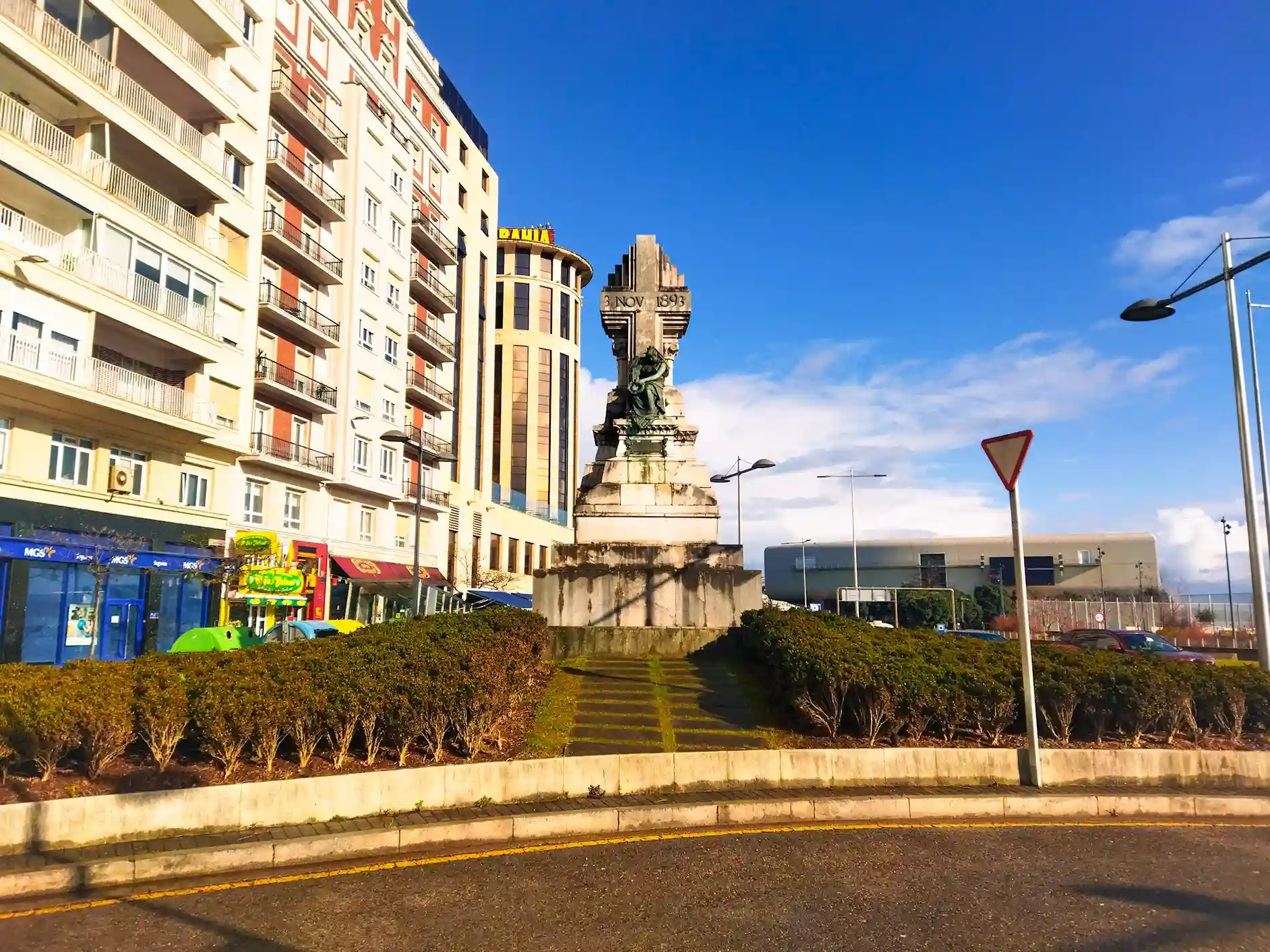
This monument stands as a lasting reminder of that tragic day and as a heartfelt tribute to all the lives touched by the unfortunate event.
Vertical Garden
The former Tabacalera building, closed for twenty years, has been reborn as a vibrant venue for performances, cultural events, and community programs. Its standout feature is the largest indoor vertical garden in Europe, a true botanical marvel.
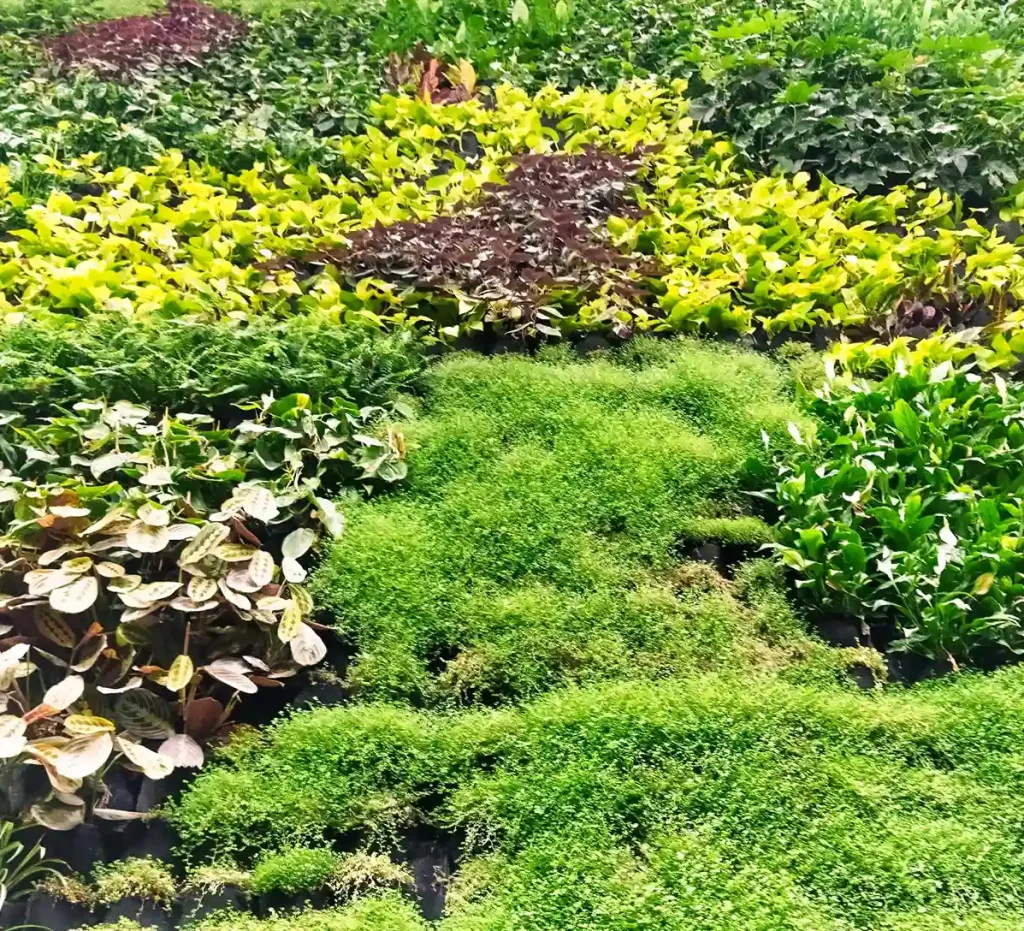
Covering an impressive 558 square meters, this living wall stretches across the atrium formed between the building’s original façade and a new one with expansive windows. The innovative design floods both the garden and surrounding spaces with natural light, while thermally broken steel frames enhance insulation and create a bright, inviting atmosphere.
Green Architecture
Hidden behind this lush garden, one of the interior façades is covered with more than 22,300 plants from over 25 tropical and subtropical species, all chosen for their ability to thrive under the building’s specific light, humidity, and temperature conditions. The original beams—now painted white—intersect with the living wall, which climbs the full height of the four-story structure. Natural daylight is enhanced by sensor-controlled LED lighting to ensure every plant receives the right amount of illumination.
Designed by Fernando Santamaría, this spectacular vertical garden features a recirculating irrigation system that optimizes water use and allows remote monitoring of key factors such as watering cycles, water quality, flow rates, temperature, and humidity.
The space, transferred from Spain’s State Heritage to the Santander City Council, spans 2,880 square meters across four enclosed floors plus a fifth rooftop level for outdoor activities. What was once a recreational area for Tabacalera employees now includes a small enclosed lounge known as the ambigú.
Transforming the former factory—which originally consisted of independent, stacked floors—required extensive restructuring. Building the atrium and vertical garden meant removing the slabs between levels, seamlessly connecting the floors and creating a single, inviting open space.
Central Library of Cantabria and Provincial Historical Archive
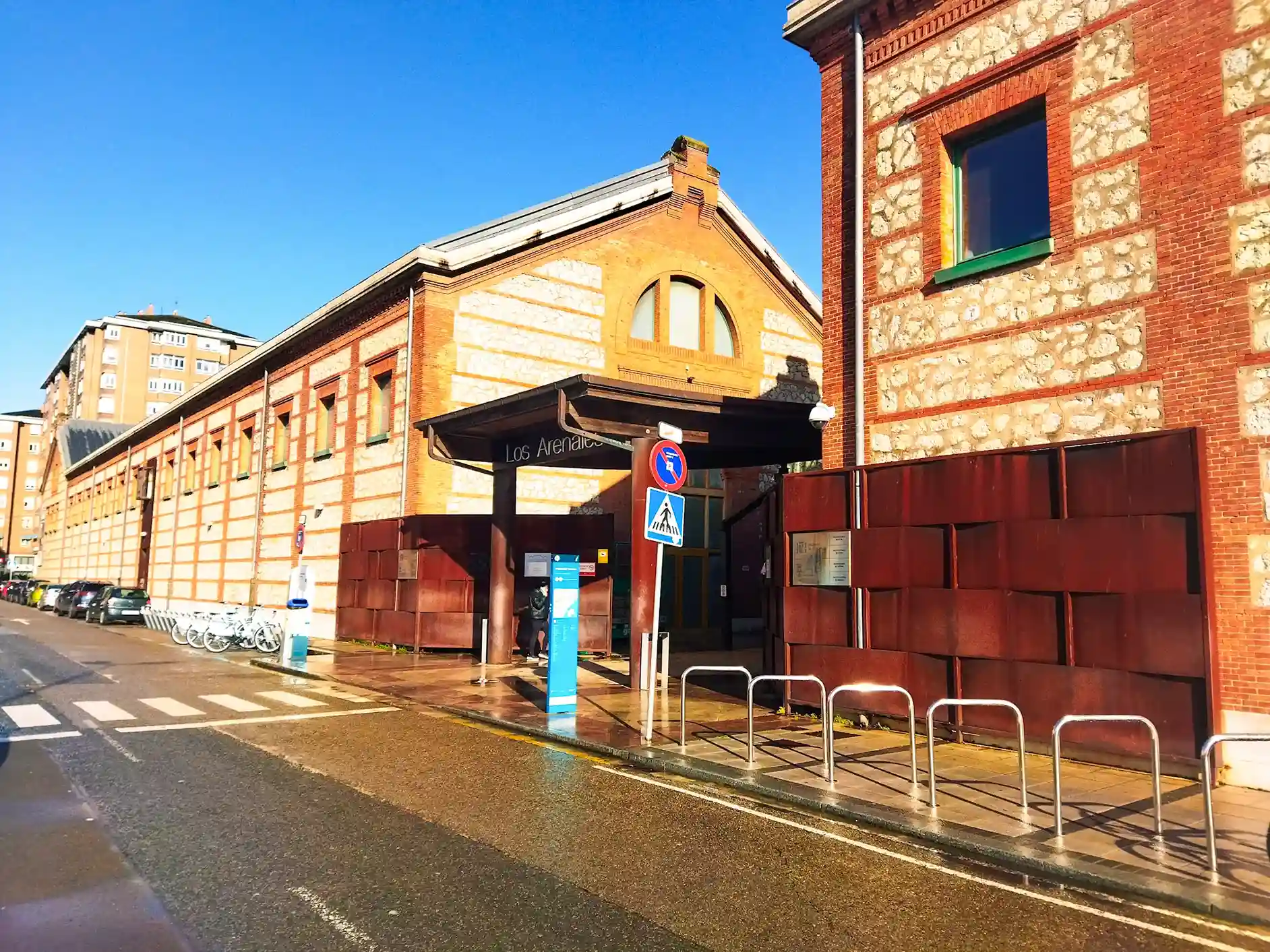
Housed in the former General Tobacco Warehouse of the Tabacalera in Santander, this impressive space blends industrial heritage with culture.
The story of the Central Library of Cantabria dates back to 1839, when it began as the library of the Cantabrian Institute for Nautical and Commercial Education. Today it also hosts the Provincial Historical Archive, preserving centuries of regional documents while offering modern facilities for research, reading, and cultural events.
In 1944, the library was renamed the Provincial Library, expanding its holdings with collections from the confiscated convents of Santa Clara, Santa Catalina de Monte Corbán, and San Francisco in Santander.
In 1900, the impressive building that now houses the institution was constructed on the sandy docks of Maliaño in Santander’s port area. Designed in a striking Neo-Mudejar style, it features eight large bays and covers 2,200 square meters. During the Spanish Civil War, the structure served a very different purpose as a prison for Republican detainees, before returning to its original role as a tobacco warehouse until 1986.
Central Library Today
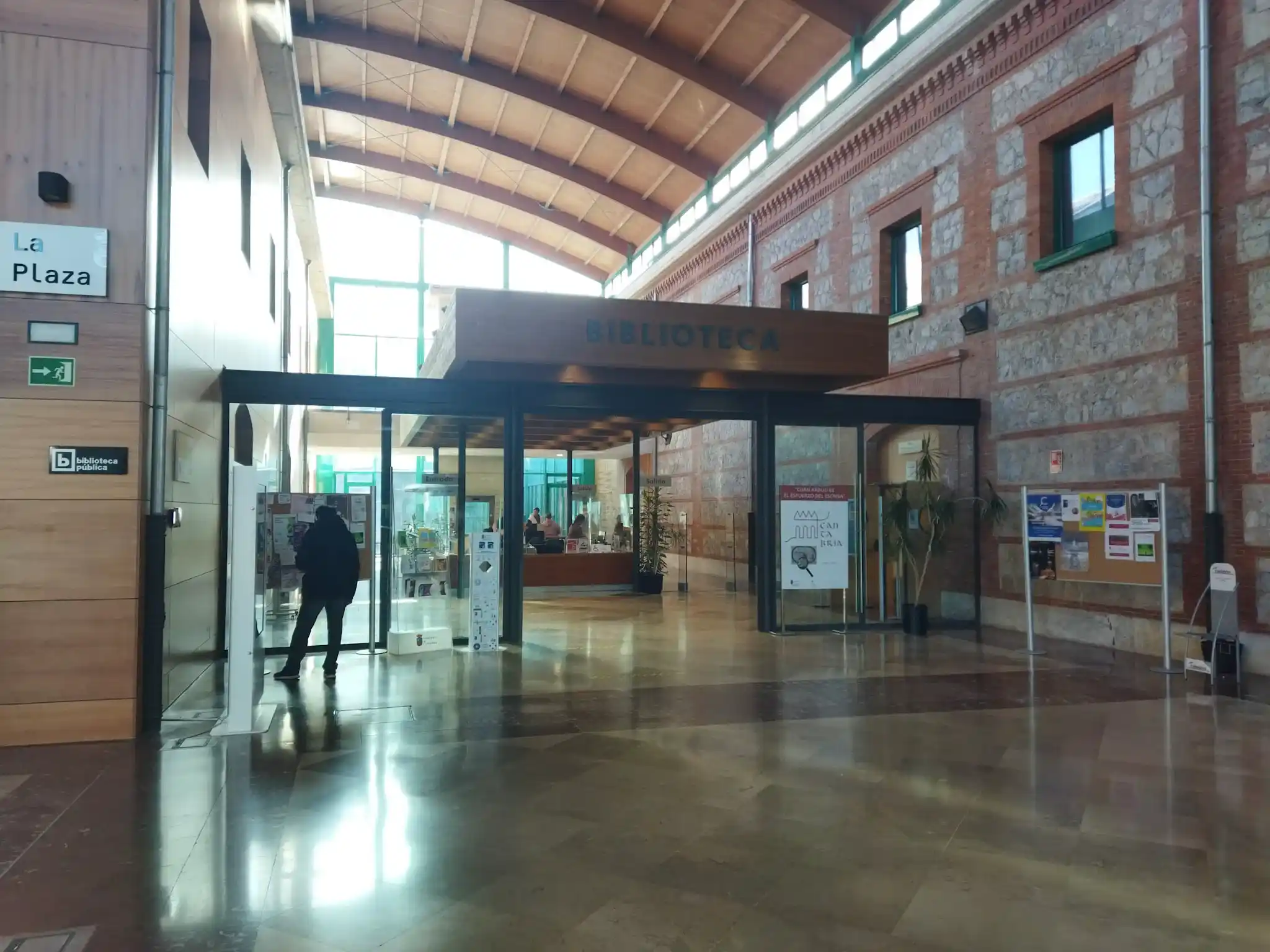
In 2009, the building underwent a major renovation and restoration led by the Ministry of Culture. At that time, the valuable collections, furnishings, and staff of the Central Library of Cantabria were moved into this renewed and magnificent space, marking a new chapter in the library’s rich history.
The Provincial Historical Archive of Cantabria plays a vital role in preserving the region’s heritage, safeguarding an impressive collection of official and private manuscripts essential for understanding Cantabria’s past. Its holdings include roughly 50,000 documents spanning from the 12th to the 21st century, providing a rich, detailed panorama of the region’s historical evolution.
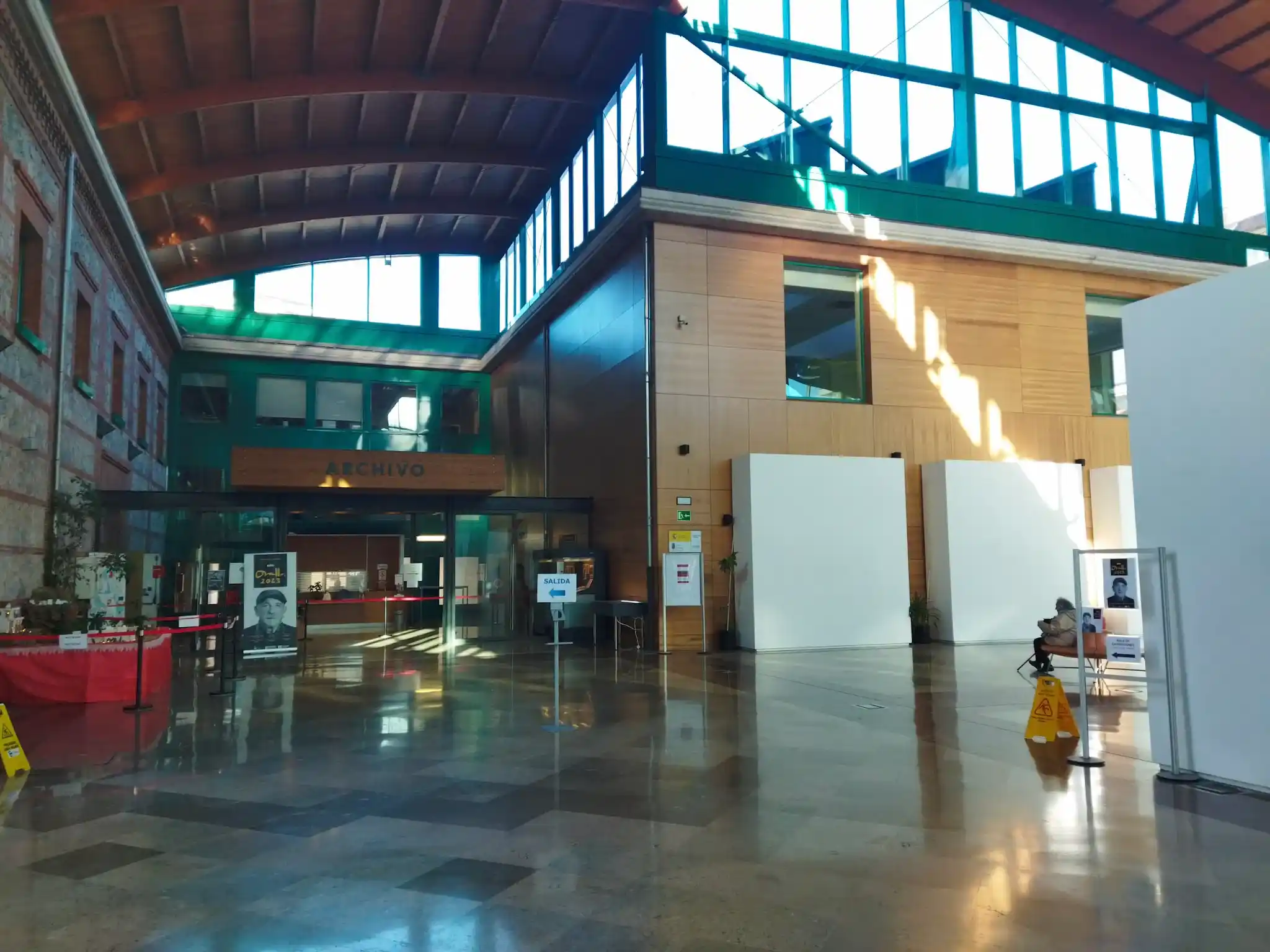
Today, it shares the building with the Central Library of Cantabria, serving as a vital meeting place for researchers, historians, and anyone interested in the culture and past of Santander.
Paseo de Alberto Pico
Alberto Pico, parish priest of the Santander Fishing Quarter for forty years, devoted his life to defending the fundamental rights of all residents—both believers and non-believers. His legacy lives on not only along this promenade but also in a local institute that proudly bears his name.
Before arriving in the Fishing Quarter, he served in Laredo and several rural parishes, earning the respect and affection of communities of every background.
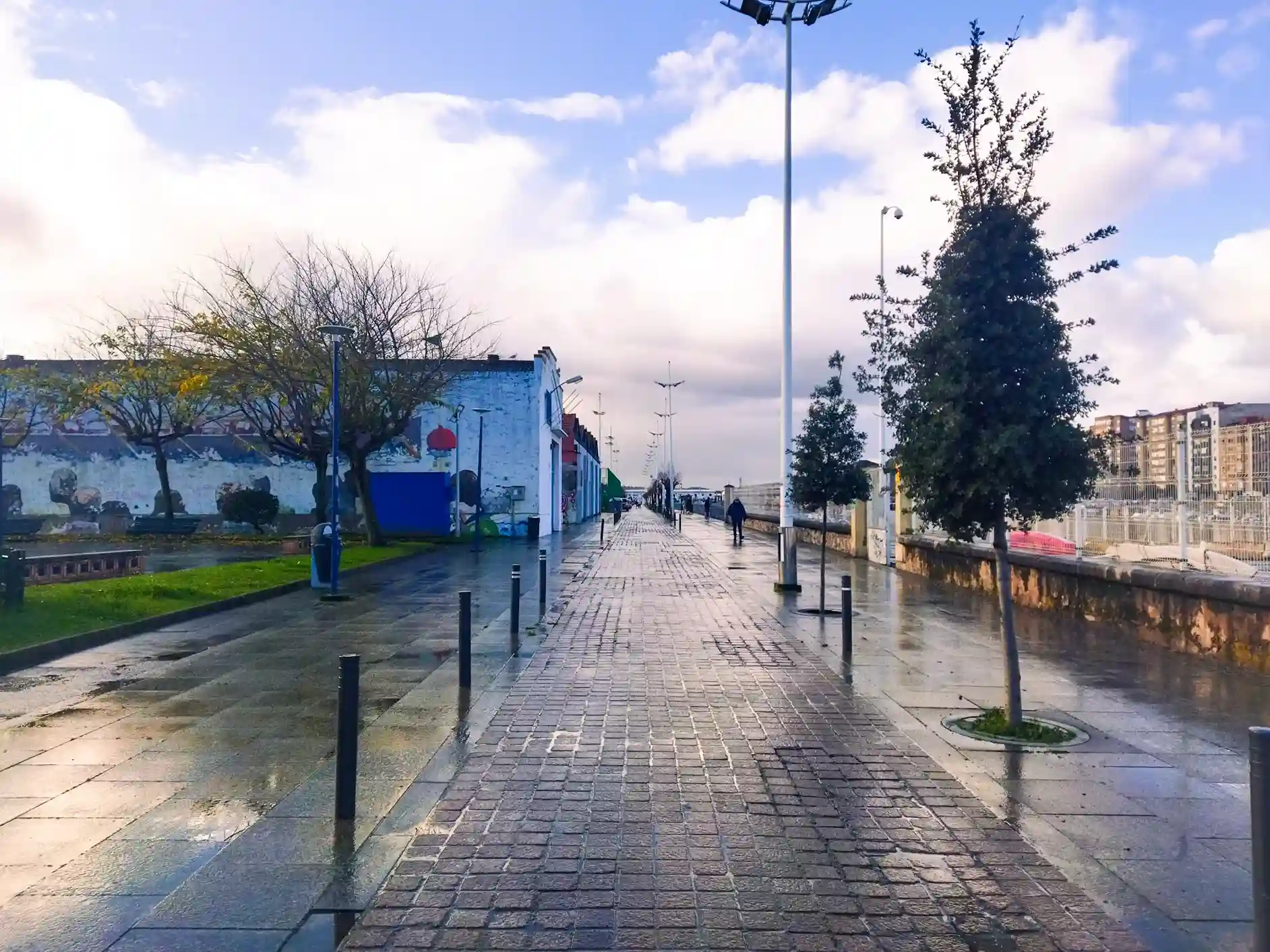
After his passing at the age of 82, the Alberto Pico Solidarity Award was established to honor his lifelong dedication to the community. The Ministry of Education also paid tribute to this social advocate by naming a local high school after him—built on land he himself had secured through expropriation from the diocese.
A true legend of compassion and commitment, his legacy continues to inspire the Santander Fishing Quarter today.
Parish Church of Our Lady of Carmen
This charming building retains its original design, just as shown in the historic plans. It features a three-story rectangular layout with a central section set slightly back from its side wings.
On the south façade, a graceful stepped portico welcomes visitors inside. At the rear, facing north, an elegant iron-railed balcony on the top floor opens onto a lovely garden, enclosed by a traditional stone courtyard that subtly separates it from the bustling port area.
At the top of the building, the convent houses a chapel originally intended to feature a unique altarpiece decorated with fish, crustaceans, and other maritime motifs. Although that altarpiece was never built, the space is now graced by an impressive Baroque-style Crucifix of Christ, a gift from a generous benefactor from Andalusia.
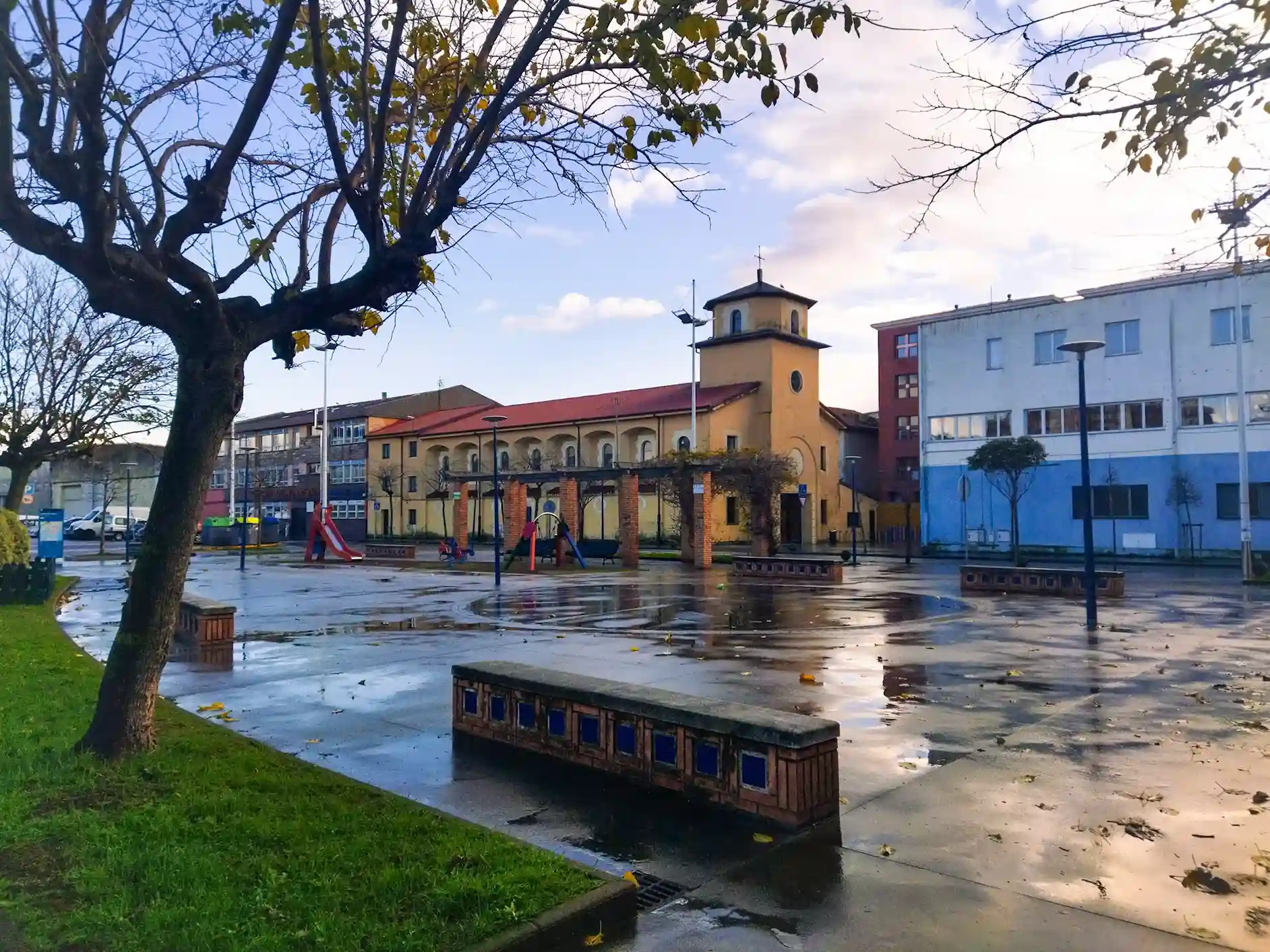
On the exterior, the church is decorated with a refined mix of blind windows and moldings that imitate stonework, showcasing a beautiful neo-regionalist façade. This design—favored by chief architect González de Riancho—is also reflected in the building’s cladding, giving the entire structure a distinctive and charming character.
This signature style extended beyond the convent itself, influencing the now-disappeared Filial Femenina hall and the Cine Sotileza, a beloved entertainment venue that stood until its demolition in the late 1980s. On the site once occupied by the cinema, the Instituto Social de la Marina and the Casa del Mar were later built, keeping alive the architectural spirit and rich history of the Santander Fishing Quarter.

Local Festival
On a special day each year—July 16—the streets of the Santander Fishing Quarter burst into life and color, drawing both locals and visitors to join in the celebration.
This date holds deep meaning for residents, who gather to honor Our Lady of Carmen, their cherished patron saint. The celebration reaches its peak with a lively maritime procession, a heartfelt event filled with devotion and joy that unites the community in a vibrant tribute to their faith and seafaring traditions.
Best Places to Eat in the Santander Fishing Quarter: Top Seafood Restaurants
The Santander Fishing Quarter is a true culinary paradise, boasting perhaps the highest concentration of restaurants per square meter in the city. Here you’ll find an impressive variety of eateries, each with its own charm and specialty dishes.
Among the most renowned are Casa José, La Gaviota, and La Chulilla, where you can enjoy a top-quality dining experience focused on the very best seafood and flavors the Cantabrian coast has to offer.
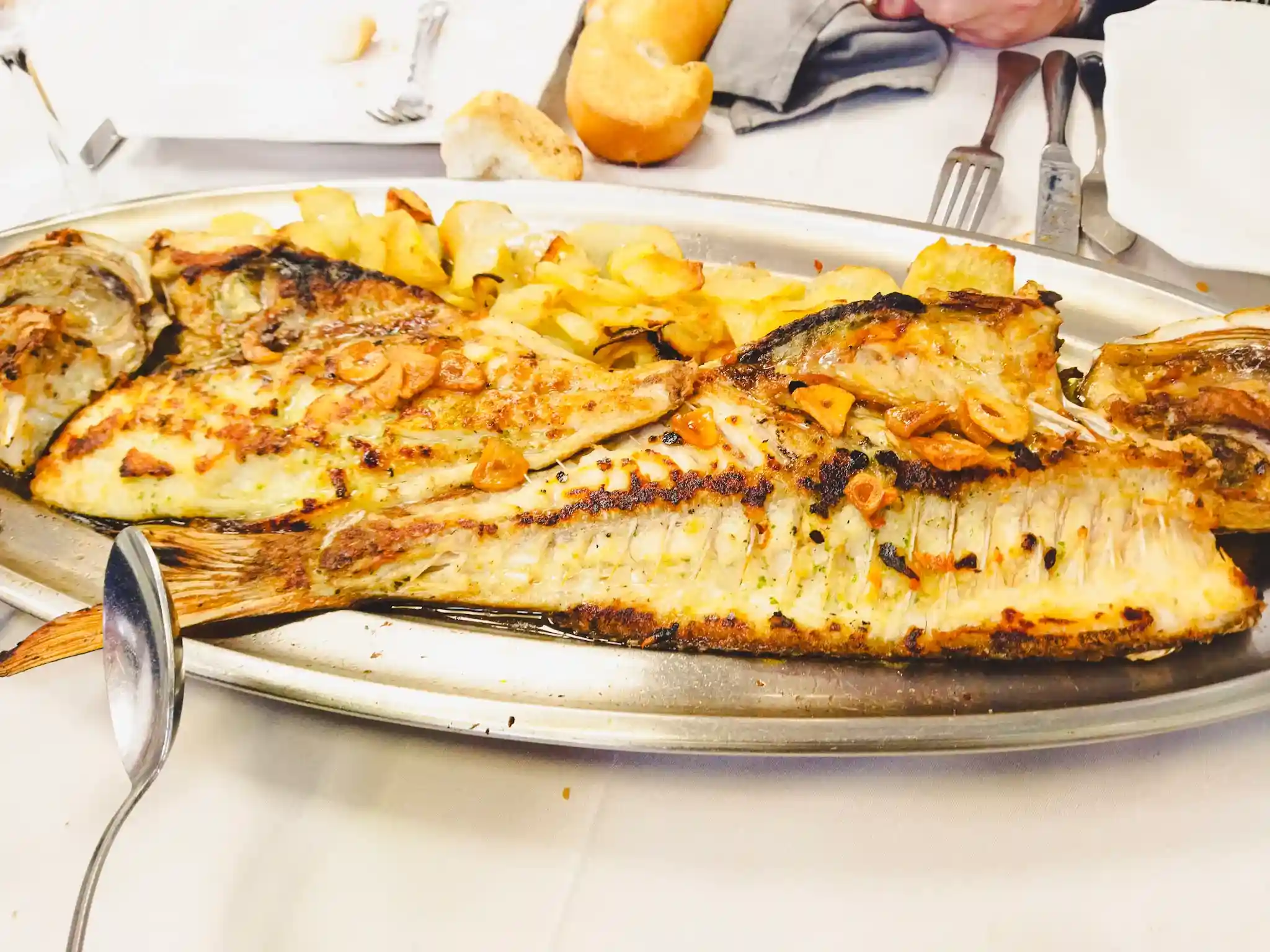
Their signature dishes are fresh seafood and fish, prepared to perfection to satisfy even the most discerning palates. Many of these restaurants also prioritize inclusivity, offering gluten-free options and special bread for celiacs, ensuring that everyone can fully enjoy their exquisite cuisine.
Also Read: Dónde comer sin gluten en Santander
Also Read: Sabores sin gluten: las cafeterías de Santander con más encanto
You can also check out this post featuring a variety of restaurants across Cantabria that offer gluten-free options:
Also Read: Dónde comer sin gluten en Cantabria
Don’t miss the chance to enjoy this one-of-a-kind culinary experience! Come and discover for yourself the rich history, vibrant culture, and exquisite cuisine that make the Santander Fishing Quarter an unforgettable destination.
And once you’ve explored the Santander Fishing Quarter, we’d love to hear all about it.
Share your favorite discoveries, memorable meals, or special moments in the comments—your experience can inspire fellow travelers to enjoy this vibrant corner of Santander!


