


Exploring the best gluten-free flours is essential for anyone following a gluten-free diet, whether due to celiac disease, gluten sensitivity, or simply by choice. Options such as rice flour, quinoa flour, and buckwheat flour make it possible to enjoy a wide variety of delicious dishes without compromising your health. These versatile alternatives open the door to a flavorful and balanced kitchen where gluten is no longer a limitation.
Moreover, many of them not only replace wheat flour but also provide superior nutritional value, thanks to their richness in fiber, proteins, minerals, and vitamins.
Fortunately, there are plenty of natural and nutritious alternatives, each with unique qualities that can transform your recipes—from fluffy breads to crunchy cookies.
Rice flour
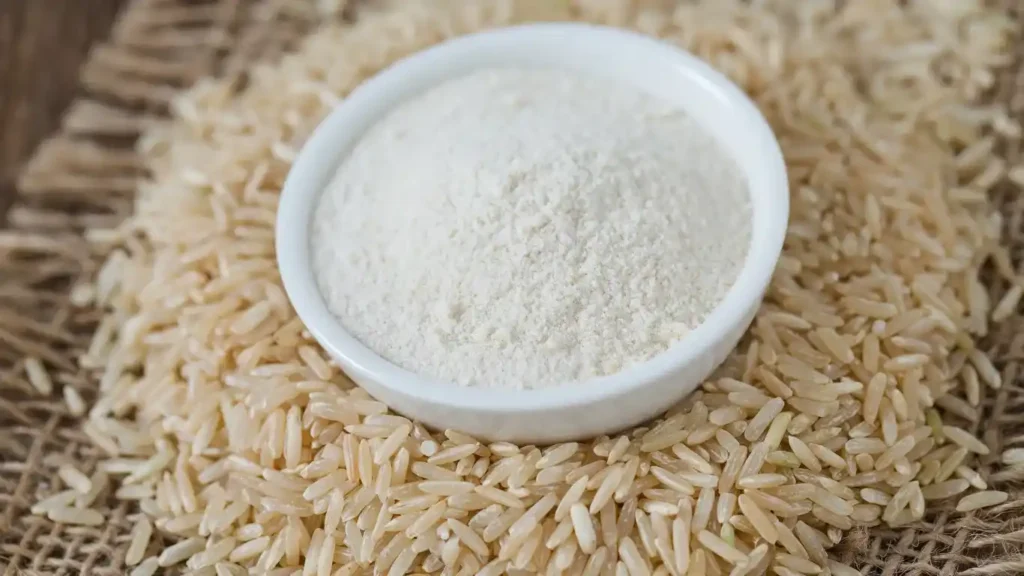
One of the most versatile and widely used among the best gluten-free flours. It is made by grinding either white or brown rice, with the latter being more nutritious since it retains the bran and germ. Rice flour is easy to digest, making it an excellent choice for those with sensitive digestion or for baby food. Its neutral flavor also allows it to adapt perfectly to both sweet and savory recipes.
Flavor and texture: Mild and neutral flavor with a fine texture, ideal for light and airy doughs.
Uses: Baking, béchamel sauces, crepes, tempura, bakery mixes, quick breads.
Key nutrients:
- Rich in easily digestible carbohydrates.
- Source of B vitamins and vitamin D.
- In its whole-grain version, it provides more fiber and minerals such as magnesium, manganese, calcium, zinc, and iron.
Corn flour
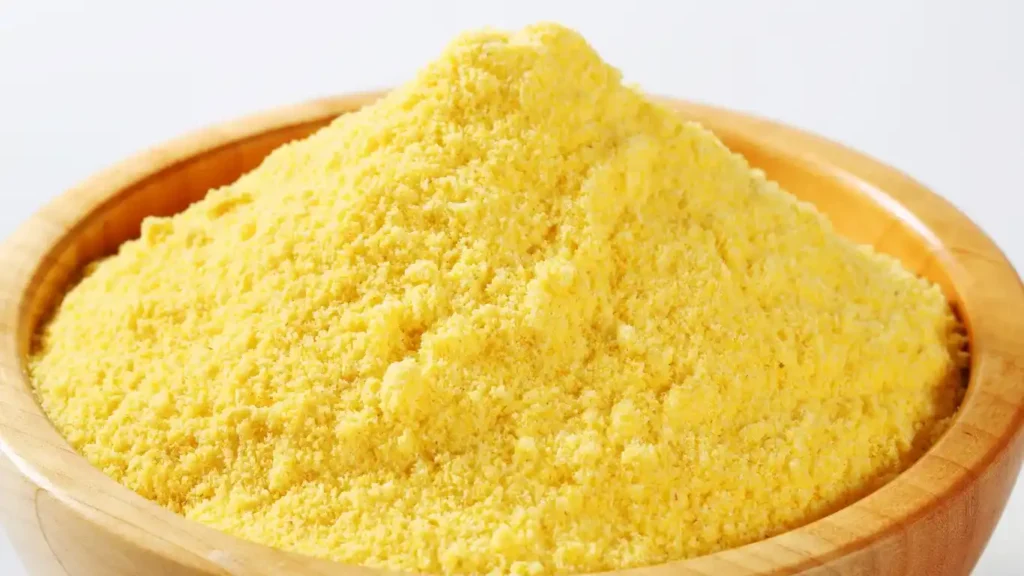
Made from ground dried corn kernels, this flour is widely used in traditional Latin American and African cuisine. It’s important not to confuse it with cornstarch, which is just starch. Corn flour has a distinctive yellow color and a naturally sweet flavor. In addition to being gluten-free, it is rich in antioxidants such as carotenoids, which provide beneficial properties for eye health and the immune system.
Flavor and texture: Naturally sweet, slightly earthy flavor with a medium-grain texture.
Uses: Arepas, tortillas, empanadas, rustic breads, porridge, cakes.
Key nutrients:
- Good source of fiber.
- Provides magnesium, phosphorus, iron, and selenium.
- High in B vitamins and vitamin A.
Almond flour
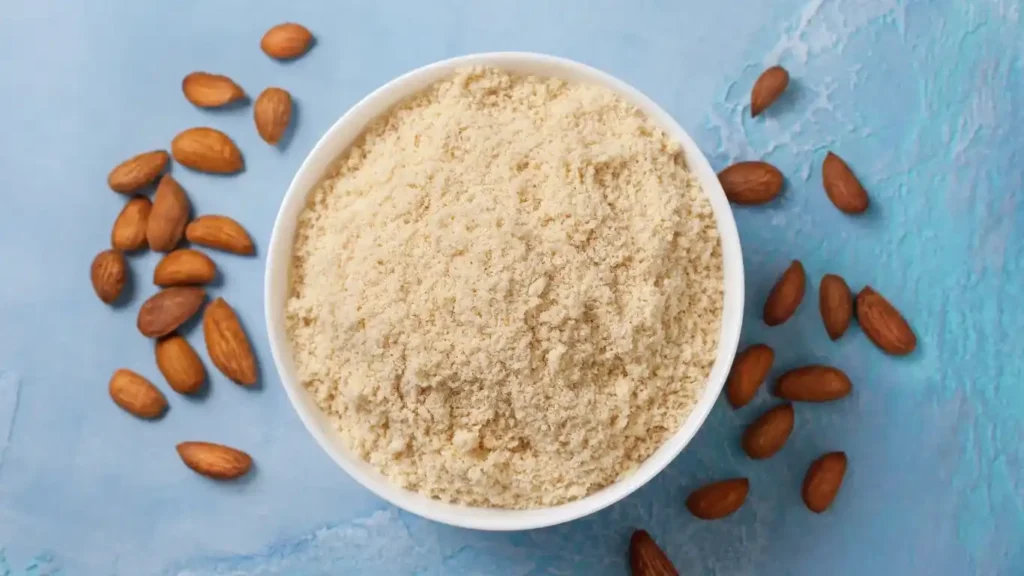
This flour is made by grinding raw almonds, either blanched or with their skin. Counted among the best gluten-free flours, it is especially valued for its high content of healthy fats and its low glycemic index, making it perfect for people with diabetes or those following low-carb diets. Its distinctive nutty flavor adds a delicious touch to any recipe, while its naturally moist texture makes it ideal for baking.
Flavor and texture: Sweet and mild, with a nutty touch. Dense and moist texture.
Uses: Cakes, muffins, shortcrust pastries, gluten-free cookies, pie crusts, pancakes.



Key nutrients:
- High in healthy fats (linoleic acid).
- Source of plant-based protein.
- Rich in vitamin E, calcium, magnesium, phosphorus, iron, and zinc.
- Low in carbohydrates, excellent for managing blood sugar levels.
Chickpea flour
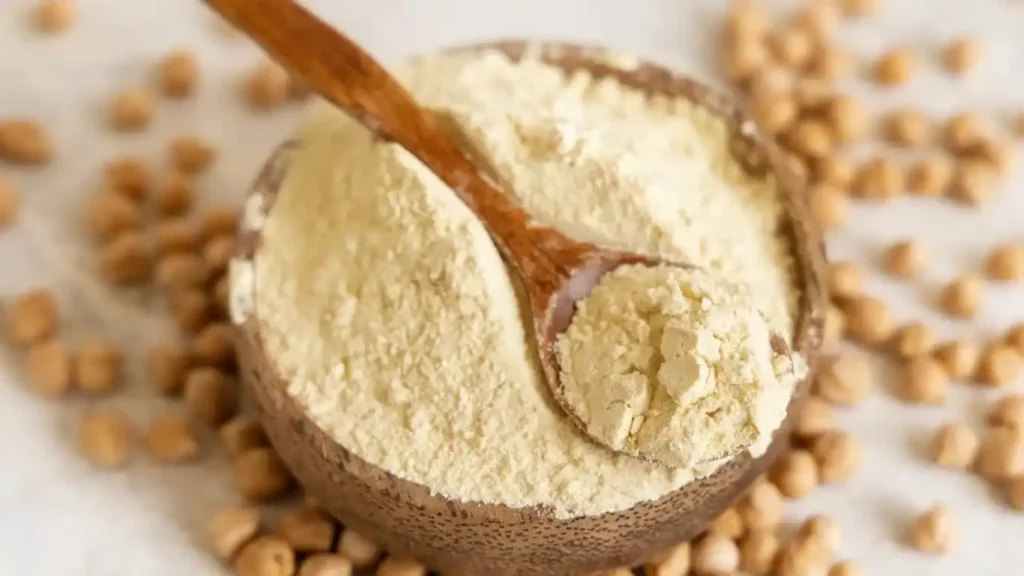
This dense and aromatic flour is a staple in many world cuisines, such as Indian and Mediterranean. Made from ground dried chickpeas, it provides a generous amount of plant-based protein. With its strong flavor and thick texture, it is perfect for savory dishes, vegan omelets, and crispy egg-free batters. It is also rich in lecithin, a phospholipid beneficial for the nervous system.
Flavor and texture: Bold, earthy flavor with a medium, slightly grainy texture.
Uses: Egg-free omelets, falafel, batters, savory doughs, vegan crepes.
Key nutrients:
- Rich in plant-based protein.
- Great source of soluble fiber.
- Contains iron, magnesium, phosphorus, and vitamins B6 and folate (vitamin B9).
- Slow-release carbohydrates.
- Rich in lecithin.
Millet flour
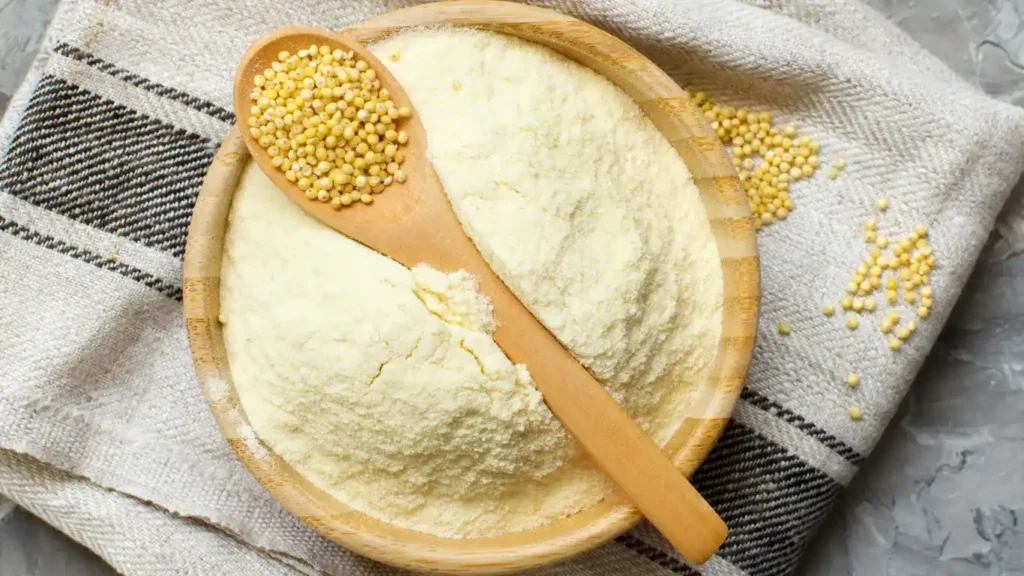
Millet is an ancient gluten-free grain, widely popular in Africa and Asia. Its flour is especially easy to digest and has a neutral flavor that blends well with other flours. It is ideal for those looking to increase their mineral intake, as it contains significant amounts of iron and phosphorus. Millet flour also provides antioxidant compounds that help combat cellular aging.
Flavor and texture: Mild and slightly sweet flavor with a fine, light texture.
Uses: Muffins, quick breads, cakes, baby porridges, cookies.
Key nutrients:
- Good source of iron, magnesium, and phosphorus.
- Contains antioxidants and anti-inflammatory compounds.
- Provides fiber and plant-based protein.
- Provides vitamins B1, B2, and B9.
Sorghum flour
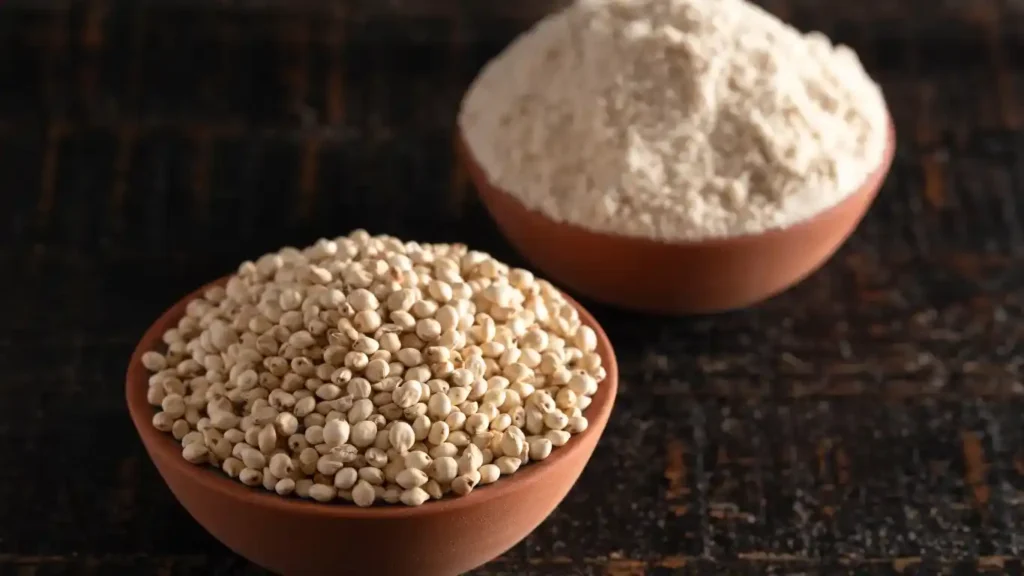
Sorghum is an ancient grain, resilient to dry climates, and widely cultivated in Africa and Asia. Its flour has a neutral flavor and is commonly used in gluten-free bread mixes thanks to its ability to provide structure. With a low glycemic index, it is an excellent choice for those managing blood sugar levels. In addition, sorghum flour contains antioxidants that help protect the body from oxidative stress.
Flavor and texture: Neutral, slightly sweet flavor with a fine, smooth texture.
Uses: Gluten-free breads, cookies, muffins, cakes, light doughs.


Key Nutrients:
- Contains antioxidants such as polyphenols.
- Good source of fiber and protein.
- Rich in iron, phosphorus, zinc, calcium, niacin, and thiamine.
- Low glycemic index.
Buckwheat flour
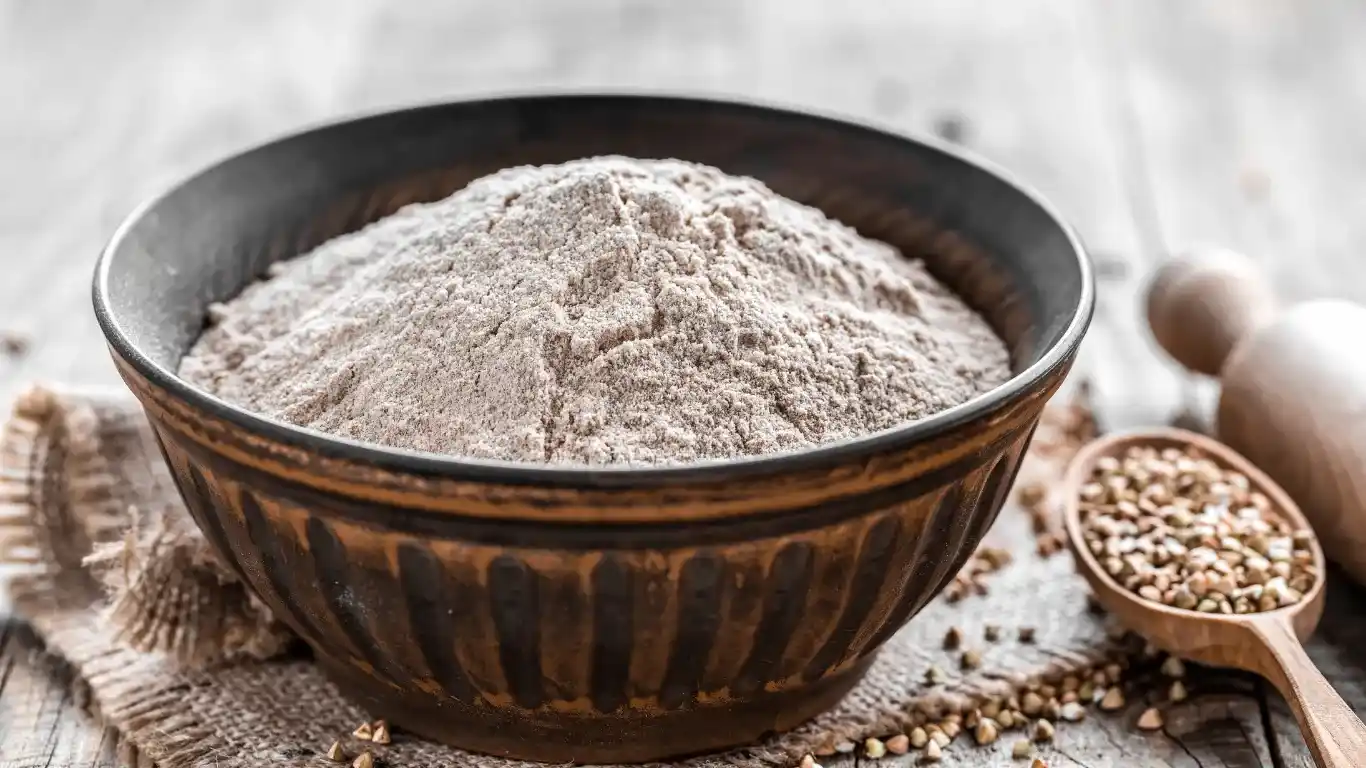
Despite its name, buckwheat is not a grain and does not contain gluten. Counted among the best gluten-free flours, it has an earthy, slightly bitter flavor that makes it ideal for savory dishes. Widely used in Eastern Europe and in France for traditional Breton crêpes, buckwheat flour is rich in rutin, a flavonoid that strengthens blood vessels and has anti-inflammatory effects.
Flavor and texture: Strong, earthy, and nutty flavor with a medium texture.
Uses: Crêpes, rustic breads, cookies, pizza bases, savory pancakes.
Key Nutrients:
- Rich in rutin, a flavonoid with anti-inflammatory effects.
- High in magnesium, manganese, phosphorus, potassium, zinc, and selenium.
- Contains high-quality protein.
- Vitamins B1, B3, and B6.
Coconut flour
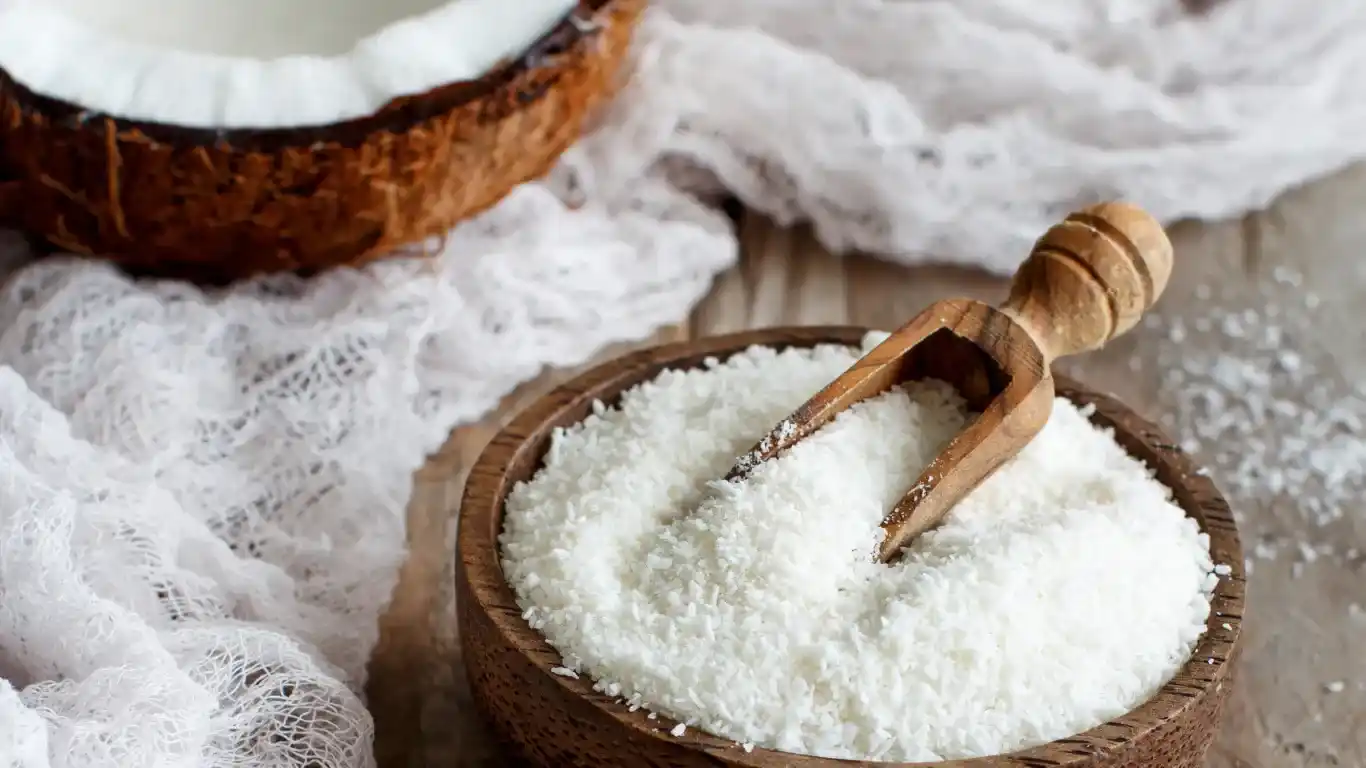
This flour is made from dehydrated and ground coconut pulp. Highly absorbent, it is used in small amounts, especially in low-carb recipes. Its natural sweetness and coconut aroma make it perfect for healthy desserts. Coconut flour contains healthy fats, fiber, and plant-based protein, along with antimicrobial properties thanks to lauric acid.
Flavor and texture: Naturally sweet with a coconut flavor. Very fine and dry texture.
Uses: Low-carb baking, cakes, cookies, pancakes, homemade bars.
Key nutrients:
- High in fiber (over 30%).
- Provides healthy saturated fats (lauric acid).
- Rich in iron and plant-based proteins.
Quinoa flour
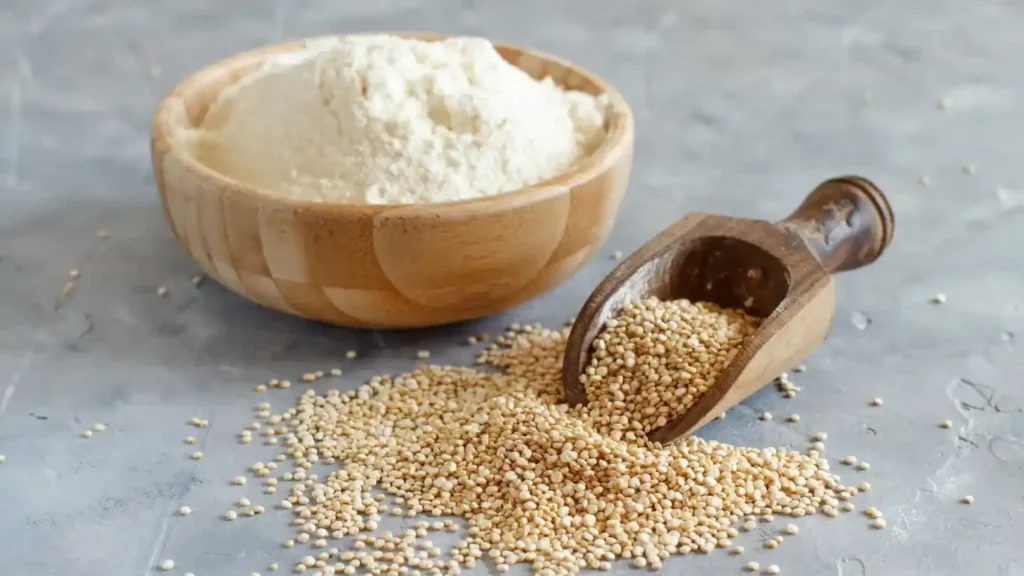
Made by grinding quinoa seeds, this flour has a stronger flavor than many others but offers an exceptional nutritional profile. It contains all the essential amino acids, making it a complete protein and an excellent choice for vegetarians and vegans. Quinoa flour is also rich in antioxidants and minerals, providing benefits for both the nervous and muscular systems.
Flavor and texture: Strong, slightly bitter flavor with a fine texture.
Uses: Multigrain breads, muffins, energy bars, crackers, pancakes.


Key nutrients:
- Contains all essential amino acids.
- Source of fiber, iron, magnesium, calcium, phosphorus, and zinc.
- Rich in antioxidants such as quercetin.
- Rich in vitamin B1.
Teff flour
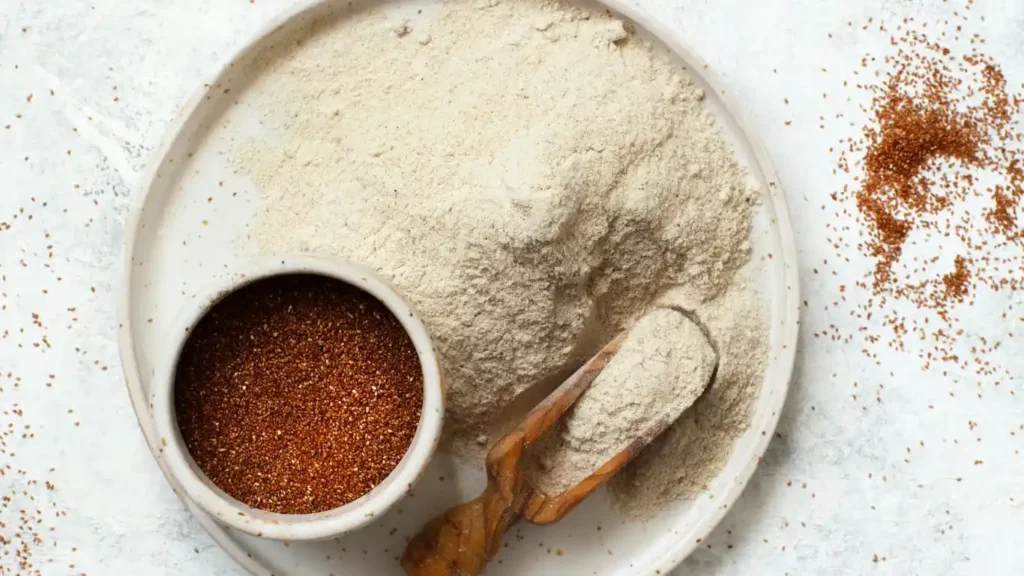
This tiny Ethiopian grain is the base of the traditional injera bread. Its flour is a true nutritional gem: it provides more calcium than milk, contains easily absorbable iron, and is rich in resistant starches that benefit gut health. Teff flour also has an exceptional content of lysine, an amino acid rarely found in grains.
Flavor and texture: Mild, slightly sweet, and nutty flavor with a fine texture.
Uses: Flatbreads, pancakes, cookies, cakes, fermented doughs.
Key nutrients:
- Excellent source of calcium (more than milk).
- High in iron, protein, and fiber.
- Rich in resistant starches and prebiotics.
- Rich in copper, magnesium, potassium, phosphorus, manganese, zinc, and selenium.
- Rich in lysine.
To sum up
As you can see, there are many types of gluten-free flours that allow you to cook safely, nutritiously, and deliciously. Each has its own personality: some add lightness, others moisture, flavor, or an extra boost of fiber and protein. The key is to get to know them, experiment with different combinations, and discover which ones work best for your recipes and needs.
Whether you’re just starting a gluten-free diet or have been cooking without wheat for years, we encourage you to expand your pantry and try new flours. Not only will you enrich your diet, but you’ll also open up a whole world of possibilities in the kitchen.
Do you already have a favorite? Tell us in the comments which one has worked best for you… and don’t forget to save this guide for your future gluten-free recipes!
Related Posts:
- Celiac Cross-Contamination: What it is, Main Risks, and How to Prevent it
- List of Gluten-Free Foods: Safe Options and Foods to Avoid
- Starting a Gluten-Free Diet: Key Benefits and How to Avoid Beginner Mistakes
- Gluten-Free Kitchen: 10 Smart Tips to Stay Organized


