


When planning a trip, one of the most important decisions is choosing the type of accommodation. Currently, the options are quite varied: hotel, hostal, hostel, or even an albergue, terms that can often be confusing if their differences aren’t well understood. In this article, we’ll tell you what a hostel is, what a hotel is, what a hostal is, and what an albergue is, and we’ll explain the main differences between a hostel and a hotel, between a hostal and a hotel, and between a hostal and a hostel, to help you find the accommodation that best suits your travel style.
What is a hostel?
A hostel is a type of affordable accommodation designed especially for travelers seeking a social experience and a relaxed atmosphere. It’s mainly characterized by offering shared rooms, although many also have private rooms.
Main characteristics of a hostel
- Shared rooms: usually have bunk beds and several beds per room.
- Affordable prices: much cheaper than a traditional hotel.
- Common areas: lounges, shared kitchens, game areas, and terraces.
- Social atmosphere: perfect for meeting other travelers.
- Events and activities: many hostels organize free tours, themed dinners, or night outs.
A hostel isn’t just a place to sleep; it’s part of the travel experience itself. You’ll find a young, open, and international vibe.
Advantages of staying in a hostel
- Very economical price.
- Ideal for making friends and sharing experiences.
- Access to kitchen and common areas.
- Organized activities for guests.

Disadvantages of staying in a hostel
- Less privacy.
- Possible noise in shared rooms.
- Limited services compared to a hotel.
What is a hotel?
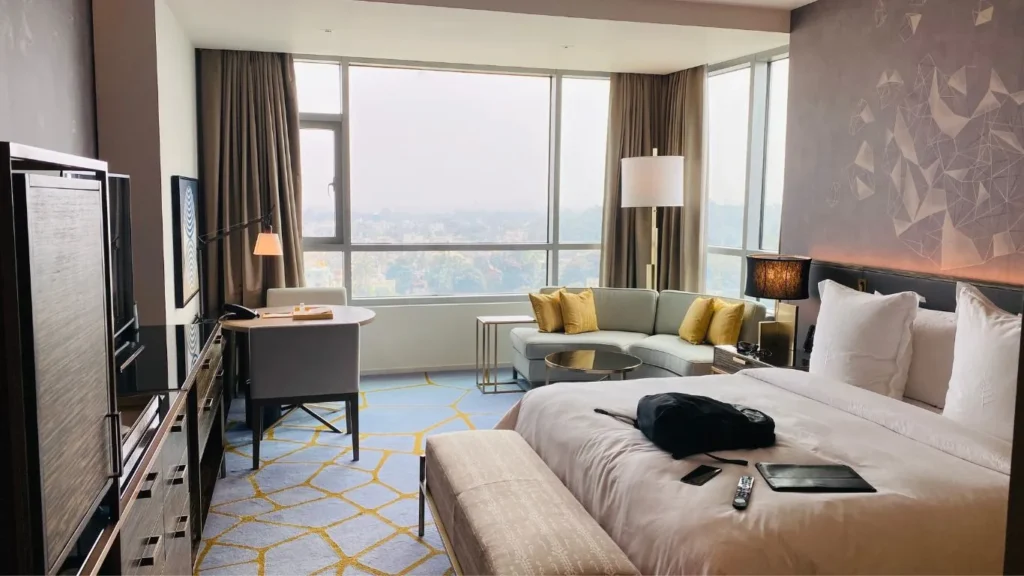
A hotel is an establishment that offers accommodation in private rooms, with private bathrooms and services such as reception, daily cleaning, dining, and, in many cases, facilities like swimming pools, gyms, or spas.
🏨 Prefer the comfort of a good hotel?
Explore hundreds of options and find the perfect hotel at the best price.
Compare, choose, and book your ideal accommodation here.
Main characteristics of a hotel
- Privacy: single rooms, double rooms, or suites.
- Included services: 24-hour reception, room service, daily cleaning.
- Star rating: from 1 to 5 stars, depending on the level of luxury and services offered.
- Variety of styles: boutique hotels, resorts, business hotels, luxury hotels, etc.
Hotels are designed to offer comfort, privacy, and a more structured service. They are ideal for those seeking tranquility and all services covered.



Advantages of staying in a hotel
- High privacy and comfort.
- Quality services included.
- Additional facilities like pools or spas.
- Ideal for business trips and families.
Disadvantages of staying in a hotel
- Generally higher price.
- Less social interaction.
- Can lack “soul” in large chain hotels.
What is a hostal?
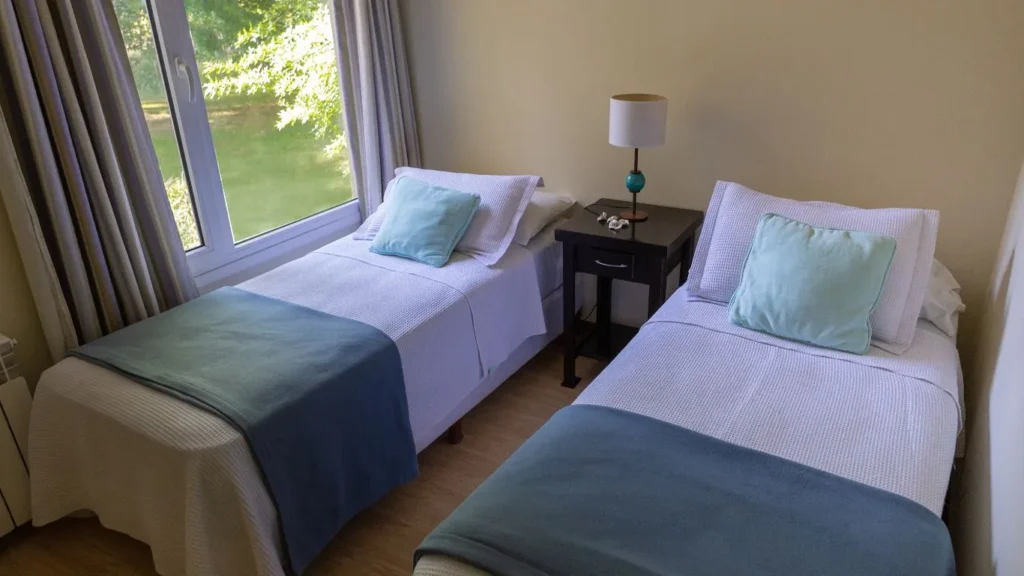
A hostal is an intermediate category between a hotel and a hostel. It offers private rooms (sometimes with shared bathrooms) and more limited services than a hotel.
In Spain, “hostal” usually refers to a small, family-run, economical, and simple establishment. In other countries, the term may vary slightly.
Main characteristics of a hostal
- Private rooms: some with private bathrooms, others with shared bathrooms.
- Basic services: cleaning, limited reception, optional breakfast.
- Quiet atmosphere: less social than a hostel.
- Affordable prices: cheaper than many hotels.
A hostal is ideal for those looking to save money, have privacy, and don’t need luxuries or extra services.
Advantages of staying in a hostal
- Economical without sacrificing privacy.
- Family-friendly and welcoming atmosphere.
- Central locations at a good price.
Disadvantages of staying in a hostal
- Fewer services than in a hotel.
- More basic facilities.
- Not always equipped with 24-hour reception.
What is an albergue?
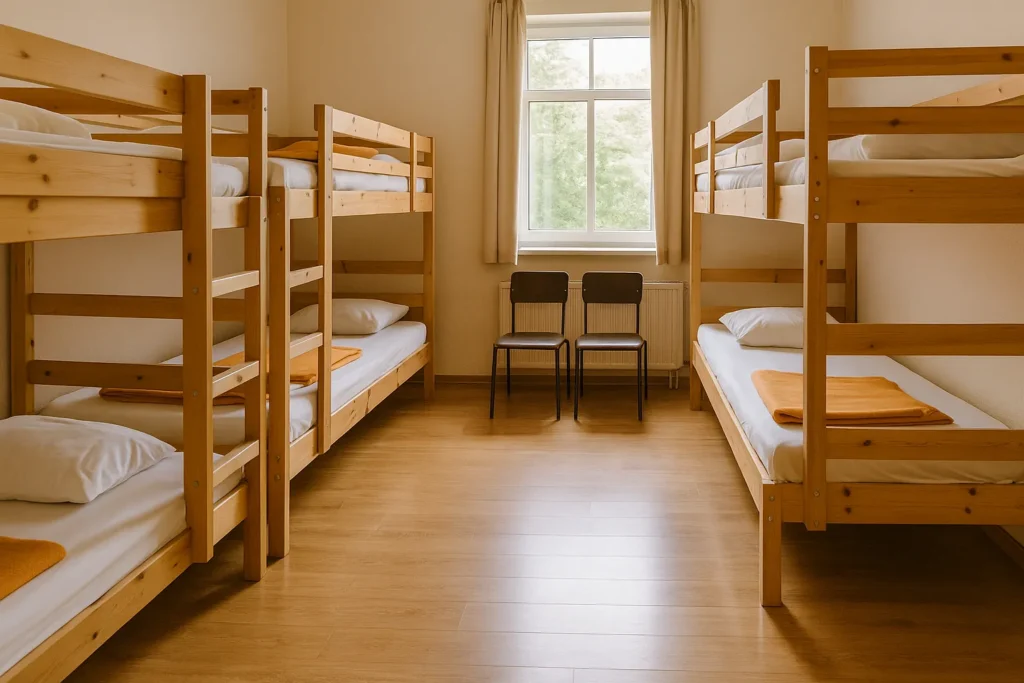
An albergue is another type of economical accommodation often geared towards large groups, pilgrims, or young travelers. Although it shares some characteristics with hostels, albergues are often linked to hiking trails, sports activities, or youth programs.
👉 If you’re doing the Camino de Santiago, you can find information about pilgrim albergues at this link.
Main characteristics of an albergue
- Shared rooms: with bunk beds and simple spaces.
- Basic services: limited reception, optional breakfast, functional common areas.
- Specific audience: school groups, pilgrims, athletes.
- Very low price: it’s one of the most economical options available.
Unlike a hostel, an albergue is less focused on free socialization and more on providing a functional and affordable accommodation solution.
Advantages of staying in an albergue
- Very low price.
- Ideal for routes or group activities.
- Simplicity and functionality.
Disadvantages of staying in an albergue
- Almost no privacy.
- Basic and limited facilities.
- Specific audience, less diverse than in hostels.
What are the differences between a hostel and a hotel?
Although both offer accommodation, there are clear differences between a hostel and a hotel. Let’s take a look:
Privacy
- Hotel: guaranteed private rooms.
- Hostel: mostly shared rooms, though some offer private ones.
Services
- Hotel: 24/7 reception, daily cleaning, amenities, room service.
- Hostel: limited services, shared kitchen, emphasis on common areas.
Price
- Hotel: generally more expensive.
- Hostel: much more economical option.
Target audience
- Hotel: business travelers, families, couples.
- Hostel: backpackers, young travelers, adventurers.
Travel experience
- Hotel: oriented towards private rest.
- Hostel: social experience, opportunity to meet people.
What are the differences between a hostal and a hotel?
Although “hostal” and “hotel” sound similar, the differences between them are notable, especially in the type of services they offer and the level of comfort.



Services and comfort
- Hotel: offers a full range of services (24-hour reception, daily cleaning, restaurant, gym, etc.).
- Hostal: basic and more limited services; often no restaurant or gym.
Rooms
- Hotel: rooms with private bathrooms, well-equipped, and in a variety of categories.
- Hostal: private rooms, but some may have shared bathrooms.
Price
- Hotel: medium to high cost.
- Hostal: economical options.
Atmosphere
- Hotel: professional and formal atmosphere.
- Hostal: more family-friendly and relaxed atmosphere.
Classification
- Hotel: classified by stars.
- Hostal: classified by keys or no official category.
What are the differences between a hostal and a hostel?
Although “hostal” and “hostel” are similar terms, they represent two very different types of accommodation in their essence.
Type of rooms
- Hostal: private rooms, sometimes with shared bathrooms.
- Hostel: mostly shared rooms (bunk beds), although some also have private rooms.
Atmosphere
- Hostal: quiet, family-friendly.
- Hostel: social, young, and dynamic.
Services
- Hostal: basic services focused on privacy.
- Hostel: shared kitchen, social activities, common areas.
Price
- Both are economical options, although hostels can be even cheaper if you choose a bed in a shared room.
Guest profile
- Hostal: couples, families, travelers seeking savings and privacy.
- Hostel: backpackers, young travelers, solo tourists.
Comparative table hostel vs hotel vs hostal vs albergue
| Feature | Hostel | Hotel | Hostal | Albergue |
|---|---|---|---|---|
| Rooms | Shared / Private (optional) | Private with private bathroom | Private (private or shared bathroom) | Shared (bunk beds) |
| Price | Low | Medium to high | Low to medium | Very low |
| Services | Basic + common areas | Complete: reception, cleaning, restaurant | Basic: reception, cleaning | Minimal, functional |
| Atmosphere | Social, traveler | Private, professional | Quiet, family-friendly | Functional, group-oriented |
| Target Audience | Backpackers, young people | All types of travelers | Budget travelers | Groups, pilgrims |
Hostel, hotel, hostal, or albergue: Which to choose according to your travel style?
The choice of ideal accommodation depends on the type of trip you plan to take. Here are some recommendations:
- If you’re traveling solo or want to meet people: choose a hostel.
- If you’re looking for comfort and privacy: opt for a hotel.
- If you have a tight budget but want a private room: a hostal might be your best option.
- If you’re traveling in a group or doing a route like the Camino de Santiago: an albergue is ideal.
- If you’re traveling for work: a medium to high-category hotel is usually the most practical choice.
- If you’re backpacking or on an adventure trip: hostels are perfect.
Conclusion
Now that you know what a hostel, a hotel, a hostal, and an albergue are, and you can identify the differences between them, you’re ready to choose the accommodation that best suits your next trip. Each option offers unique advantages, and knowing them will allow you to have a much richer travel experience.
Whether you’re looking for adventure, comfort, savings, or a practical option for groups, there’s a perfect accommodation for you.
What are you waiting for to plan your next getaway? Explore, choose, and start creating unforgettable memories. The world is waiting for you!
And you, have you already had an experience in a hostel, hotel, hostal, or albergue?
Tell us in the comments which one has been your favorite and why! We’d love to hear from you.

You might also be interested in reading:
- Travel Packing List: Complete Checklist
- Best eSIM for Travel: Holafly
- 21 Tips for Traveling with Kids and Not Losing Your Mind
- What is International Roaming and How to Activate it on Your Phone
- Types of Plugs Around the World: A Practical Guide
- The Best Travel Apps and Essential Websites for Easier Travel
FAQs about hostel, hotel, hostal, and albergue
Not necessarily. Many modern hostels offer private rooms for those who seek more privacy but still want to enjoy the social atmosphere.
Generally no. Hostales tend to be simple accommodations. However, some “boutique hostales” offer careful decoration and superior services.
Yes, though as with any accommodation, it’s wise to take basic precautions: use lockers, don’t leave valuables unattended, and choose well-rated hostels.
Generally, yes. However, in some destinations, you can find very affordable hotel deals, especially during the off-season.
Normally, yes. Many hostels have fully equipped kitchens available for guests to use.
A hostel is more focused on socialization and is usually oriented toward all types of travelers, while an albergue is mainly for large groups or specific activities like hiking trails.


[…] where the two categories really split. Hotels lean on private bathrooms, daily housekeeping, and a staffed front desk that runs around the clock. Features families and business travelers tend to rely on without […]