

This post contains affiliate links: if you buy through them, we earn a small commission at no extra cost to you. As an Amazon Associate, we earn from qualifying purchases.
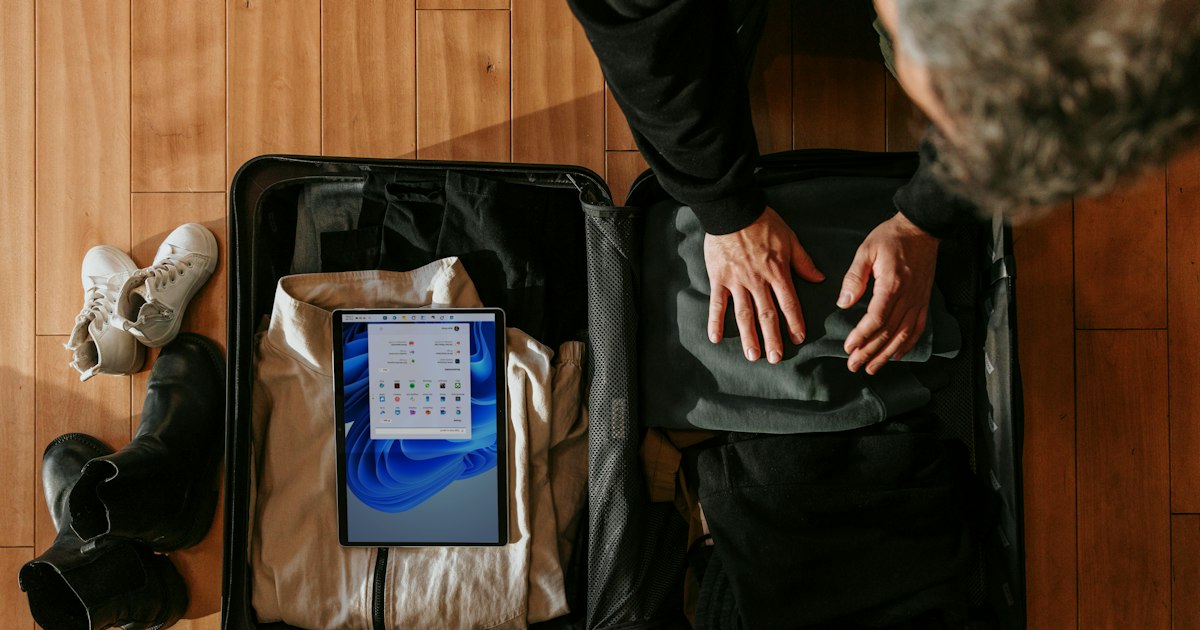
When you’re celiac, packing isn’t quite the same. Besides clothes and a charger, you need a few things to protect you from cross-contamination in shared kitchens, airports, or day trips with nowhere safe to eat. This is the gluten-free travel kit we recommend, with several options for each item and, whenever an alternative exists, plastic-free.
This guide complements our travel packing list, which covers everything else (documents, clothes, first-aid kit…). Here we focus only on what a person with celiac disease needs.
Your gluten-free kit, piece by piece
Why it’s worth packing your own kit
It’s getting easier to eat gluten-free away from home, but when you travel there are always moments when you can’t control what happens in the kitchen: the hotel breakfast, the rental apartment with pans used by other guests, a delay at the airport, or a full day out far from everything. In those moments, the risk usually isn’t the dish itself but what has touched it: a shared cutting board, knife, or toaster.
A small kit gives you independence: you can prepare or store your food with your own things, knowing they’ve never been in contact with gluten. If you want to understand where the risk comes from, we explain it in our guide to gluten cross-contamination.
And why plastic-free? Because stainless steel, glass, and cotton are easy to wash thoroughly, don’t scratch like plastic (scratches are where food residue hides), and last for years. You’ll also create less waste on your trip.
1. Food containers
They’re the foundation of the kit. They let you bring safe food on a day trip, keep what you cook yourself in the apartment fridge (separate from other people’s food), or take home leftovers from a restaurant where you’ve eaten well. We don’t always carry them, but we usually do if we’re going to arrive late and haven’t been able to book a restaurant. We really like the glass ones with a bamboo lid.
What to look for: stainless steel, no hard-to-clean corners and, if you’re carrying something with sauce, a leakproof seal. Check the lids and gaskets: many contain silicone, which is safe, but make sure it can be removed for washing.
- Stainless steel tiffin lunch boxThe classic stacking tiffin, in stainless steel and easy to clean thoroughly.
- Stainless steel bento boxWith compartments and a leak-proof seal, for meals with sauce.
- ECOlunchbox small containerSmall, for nuts or a side of sauce. The lid is silicone.
Glutendtrotters Tip
Label your containers with a sticker or colored tape. In a shared apartment or a hotel fridge, nobody will use them by mistake.
2. Your own cutlery
It sounds like overkill until you find apartment cutlery with food stuck on it, or have to eat at an airport with a fork that has been in a tray with bread. A set with a fork, knife, and spoon in its case takes up very little room and takes that worry away.
Our pick
Steel travel cutlery set with case
Your own fork, knife and spoon, so you never rely on shared ones.
If you’re flying with carry-on only, keep in mind that the rules about knives at security vary by country and airport, and sometimes even table knives get confiscated. To be safe, pack the knife in your checked bag and keep just the fork and spoon in the cabin.
3. Bags for bread, cookies, and fruit
Gluten-free bread is the trickiest thing to transport: it gets squashed, it dries out and, above all, it must not touch anything that may have crumbs of regular bread. A cloth bag just for it solves that. We’ve used bags for sliced bread a lot, since toasters are often contaminated with gluten.
- Organic cotton bread bagJust for your gluten-free bread, so it never touches anything else.
- Linen bread bags (2)Two bags: one for bread, one for crackers or fruit.
Beeswax wraps are an alternative to aluminum foil or cling film: you wrap your sandwich, warm it slightly with your hands, and it stays sealed. Wash them with cold water and mild soap (hot water melts the wax).
Our pick
Beeswax food wraps
Wrap sandwiches and fruit without cling film or foil.
4. Your own cleaning supplies
In an apartment or shared kitchen, the sponge and the dish towel are among the objects with the most food residue. If you wash your things with them, you could end up passing gluten onto them. Bring your own and use them only for your kit.
- Organic cotton kitchen towelsKeep one just for drying your own things.
- Cellulose and sisal spongesCellulose and sisal. Keep one just for washing your kit.
If you’re cooking where you’re staying
- Wash pans and pots thoroughly before using them, or bring a small one of your own if you’re staying several days.
- Use baking paper or aluminum foil on the oven tray or griddle.
- Never use the toaster in your accommodation: it’s impossible to clean completely.
- Keep your food in your own containers and on a shelf of its own in the fridge.
5. Food thermos
A stainless steel thermos is the perfect ally for keeping food hot or cold for hours. It’s ideal for day trips, long car or train journeys, or simply for bringing your own meal when you know there won’t be safe options at your destination. For us, it’s a must-have on every day trip.
- Thermos food flask (470 ml)Keeps food hot or cold for hours. Comes with a spoon.
- Klean Kanteen insulated food canister (473 ml)A sturdy, long-lasting stainless steel option.
To keep it hot longer, fill it with boiling water for a few minutes first, empty it, and then add the piping-hot food.
6. Safe snacks for your suitcase
Always keep something handy for a delay, a day trip, or your first night if you arrive late. The best are packaged snacks, which keep without a fridge and have the label in plain view.
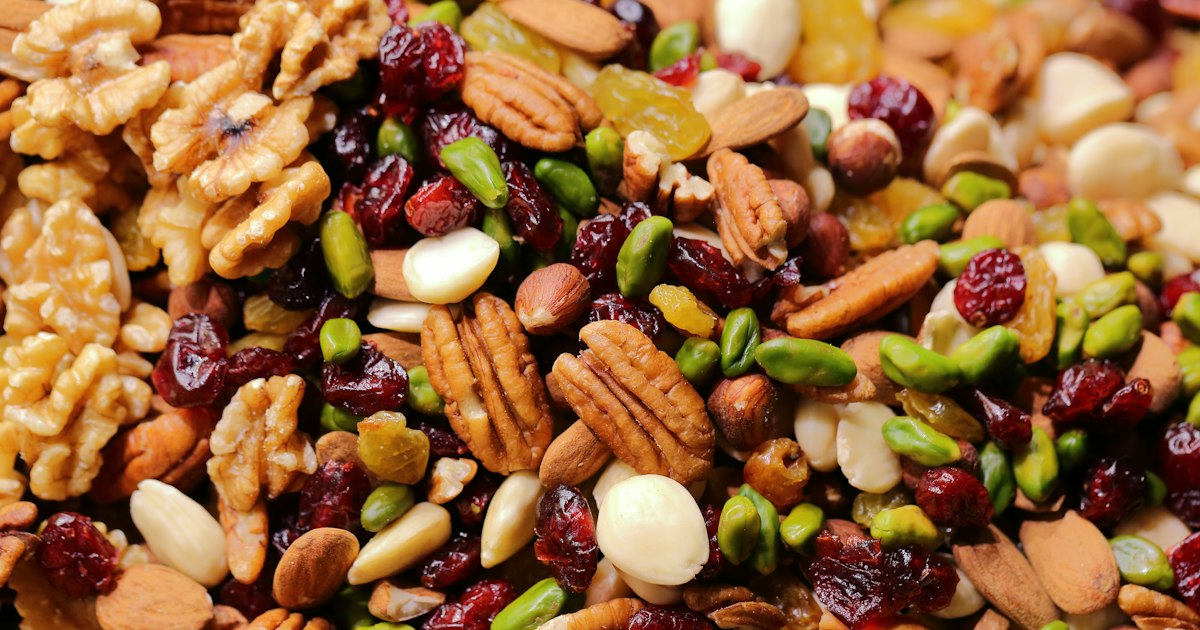
In the European Union, a product can only say “gluten-free” if it contains less than 20 mg of gluten per kilo (20 ppm). Look for that wording or the Crossed Grain symbol, and check the label every time you buy: recipes and manufacturing processes change. Be careful with bulk nuts: they’re often packed in the same facilities as other products and may contain traces.
- Nākd fruit and nut barsSold as gluten-free. Always check the label of each flavor.
- El Nogal mixed nutsPackaged and labeled gluten-free. Check the label every time.
- Salti Salty Crackers 175g Gluten-Free ScharSalty crackers to satisfy your hunger while you're on the plane or in the car.
Snacks on the plane
- Solid foods (bars, cookies, nuts, bread) can usually go in your carry-on.
- Creams, spreads, yogurts, and sauces count as liquids and follow the 100 ml (3.4 oz) rule.
- When you land, check the customs rules: countries such as the US, the UK, or Australia restrict bringing in meat, dairy, or fresh products.
7. A pouch just for your kit
Keeping the whole kit in a separate bag has two advantages: you find it quickly, and it never gets mixed up with other things in your suitcase. Even better if it’s made of washable fabric, so you can put it in the washing machine when you get home.
Our pick
Cotton pouches (set of 3)
Washable fabric: one for the kit, the others for snacks or cutlery.
Quick gluten-free travel kit checklist
- ☐ Stainless steel lunch box or food containers
- ☐ Your own cutlery in a case
- ☐ Cloth bread bag and beeswax wraps
- ☐ Dish towel and sponge just for your things
- ☐ Food thermos (for day trips)
- ☐ Gluten test (optional, as an extra check)
- ☐ Packaged snacks labeled “gluten-free”
- ☐ Celiac card or medical report in the language of your destination
For everything else, see our complete travel checklist with its downloadable PDF, and if you’re traveling far, the official celiac disease diagnostic report.
Frequently asked questions
What should I pack in my suitcase if I’m celiac?
Besides the basics for any trip, a small kit with your own containers, cutlery, a bread bag and cleaning supplies, some packaged gluten-free snacks, and a card explaining celiac disease in the language of your destination.
Can I bring gluten-free food on a plane?
Yes. Solid food can usually go in your carry-on; anything liquid or creamy follows the 100 ml (3.4 oz) rule. Also check the customs rules of your destination country. On long flights, request the gluten-free meal (code GFML) when you book, and bring something extra just in case.
How do I avoid cross-contamination in a vacation rental?
Wash everything before using it, cook on baking paper or aluminum foil, don’t use the apartment’s toaster, and keep your food in your own containers. Use your own dish towel and sponge for your things.
Are at-home gluten tests reliable?
They can help detect gluten in the sample you test, but they don’t guarantee that the whole dish is safe. Use them as an extra check, never as a substitute for asking questions and choosing trustworthy places.
Why is a plastic-free kit better?
Stainless steel, glass, and cotton are easy to wash thoroughly, don’t scratch like plastic (scratches are where food residue hides), and last for years. You’ll also create less waste during your trip.
What does “gluten-free” mean on a snack label?
In the European Union, a product can only say “gluten-free” if it contains less than 20 mg of gluten per kilo (20 ppm). Look for that wording or the Crossed Grain symbol and check the label every time you buy, because recipes and manufacturing processes change.
Can I take a knife in my carry-on?
It depends on the country and the airport: the rules about knives at security checkpoints vary, and sometimes even table knives get confiscated. The safest option is to pack the knife in your checked bag and keep just the fork and spoon in the cabin.
Can I bring food into another country?
It depends on the customs rules of your destination. Countries such as the US, the UK, or Australia restrict bringing in meat, dairy, or fresh products, so check the official rules of the destination country before you pack.