If you are looking for a unique place to disconnect and discover all the amazing things to do in Vega de Pas, you cannot miss this little corner in the Pas Valleys (Valles Pasiegos). It has so much to offer its visitors, and we are looking forward to showing it to you so you can enjoy the ultimate beauty of Cantabria.
From La Engaña and its impressive surroundings to the La Braguía lookout point with breathtaking views, it is the perfect destination for those seeking tranquility and contact with nature. Don’t miss the opportunity to discover this magical spot!
Before your Vega de Pas getaway
Don’t forget to get travel insurance with IATI (5% off for Glutendtrotters readers) before leaving home, and if you’re coming from outside Spain, activate your Holafly eSIM (also 5% off) to have data from the first minute in the Pas Valleys.
Vega de Pas is one of the Three Pasiego Villages (Tres Villas Pasiegas), along with San Roque de Riomiera and San Pedro del Romeral, forming the heart of Pasiego culture. These three towns are a cultural treasure in southern Cantabria.
The history of the first Pasiegos is full of mystery. It is believed that their ancestors were the Celts, who later mixed with the Iberians, inhabiting the green mountains that stretch to the lands of Burgos. These people were distinguished by their courage and struggle for independence. The strong bond with their land and their isolation have shaped the personality of the Pasiegos, who are characterized by their individualism and distrust. Thanks to this, they have preserved their ancestral customs over the centuries.
Visiting Vega de Pas is like immersing yourself in a rich cultural heritage and discovering a community proud of its roots and traditions.
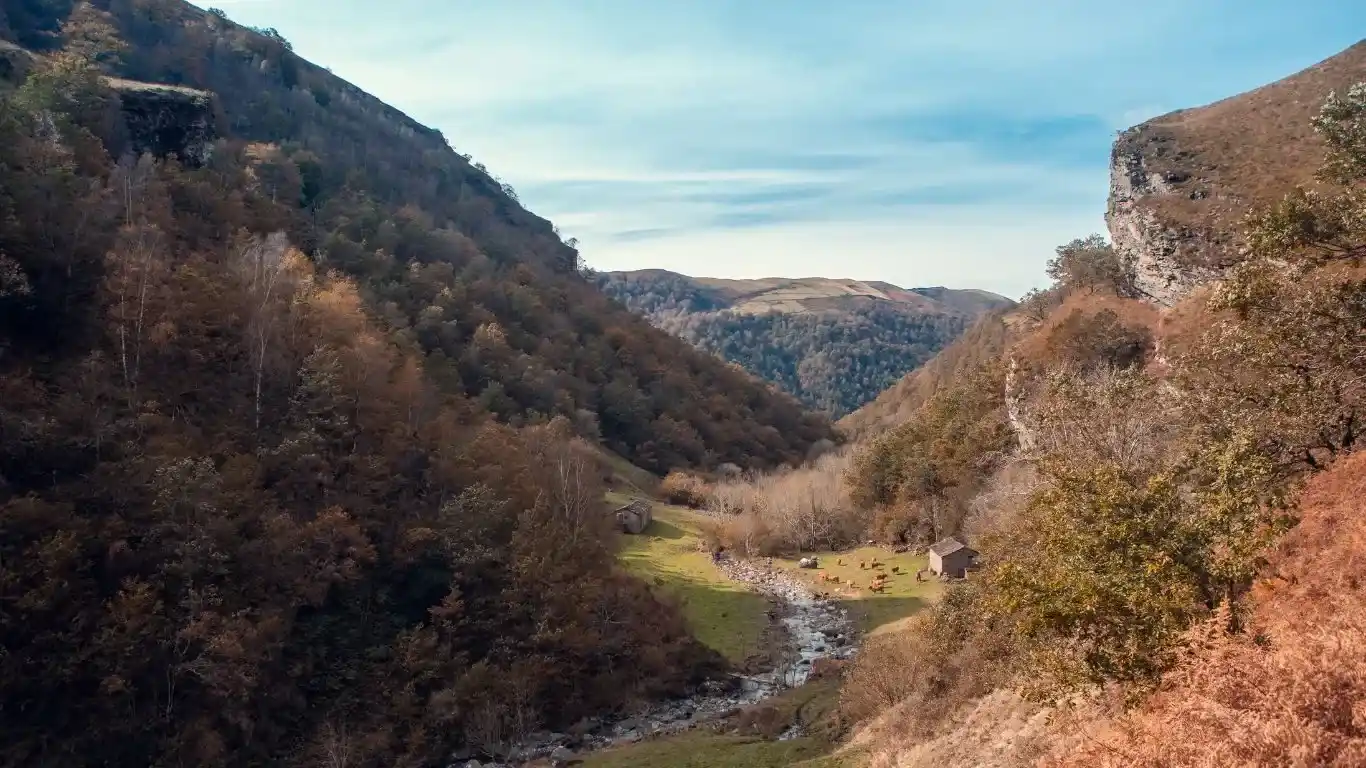
Stream in Vega de Pas / Canva
Famous Figures
Vega de Pas has given the world several illustrious Cantabrians who have left an indelible mark. Among them stands out Doctor Madrazo, an innovative researcher, playwright, and patron of the theater, known for his contribution to medicine and the arts. Another prominent figure is Marcelino Menéndez Pelayo, a scholar and literary critic whose works have been fundamental in the history of Spanish literature. We cannot forget the Marqués de Valdecilla, who, with his vision and philanthropy, promoted important developments in the region, including the creation of the famous Marqués de Valdecilla University Hospital in Santander.
The renowned poet Gerardo Diego, a member of the Generation of ’27, also has roots in these lands. His poems have delighted generations and have put the name of Cantabria on high. Additionally, it is important to remember the nannies (amas de cría) of Vega de Pas. Although not as famous, these women played a crucial role in the Spanish Court for centuries, caring for and nursing the children of the nobility.
Unique Rural Architecture
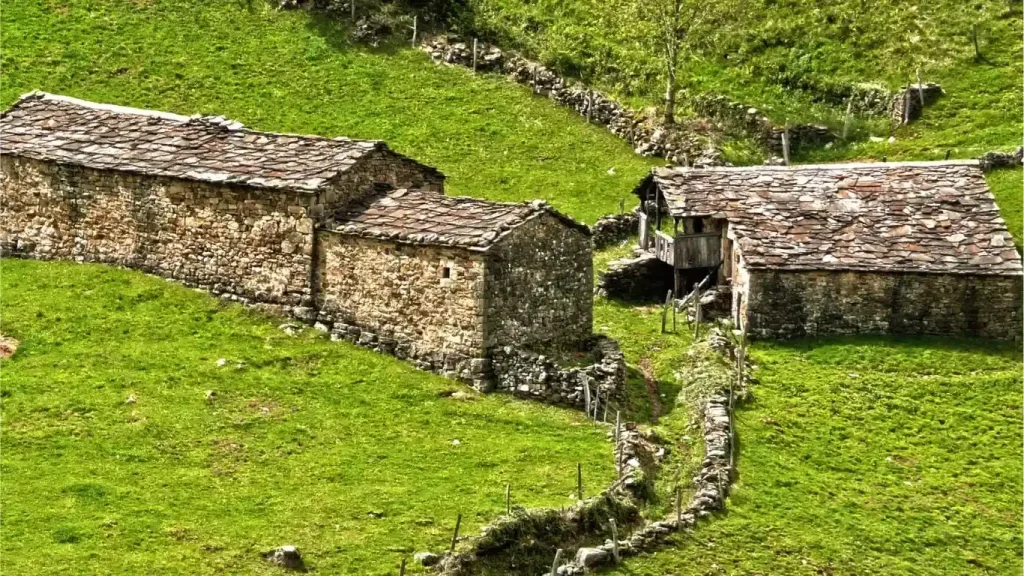
The heritage of Vega de Pas includes the most iconic element of the region, the Pasiega cabin. These small stone and slate houses, half-dwelling and half-stable for livestock, reflect the transhumant life of the Pasiegos. The Pasiego landscape is distinguished by the dispersion of these cabins on the mountain slopes, creating a unique mosaic of structures that do not form “traditional towns.” This spatial organization responds to the livestock-raising vocation of the Pas Valleys.
Cabins in Vega de Pas / Canva
Families, with the cuévano (a large basket) on their shoulders, would move from cabin to cabin seeking the best weather conditions and the freshest pastures for their livestock according to the time of year. This habit, known as the “muda” (moving), is now just a memory, but it left behind a labyrinthine landscape of cabins, stone walls, and green meadows that defines the Pas Valleys.
The cuévano is a large, deep basket, traditionally woven with strips of hazel or chestnut wood. This utensil is carried on the back using leather straps or fabric bands and has been an essential tool for the Pasiegos in their daily life. It was used to transport everything from food and utensils to firewood and agricultural products. Its sturdy and practical design made it ideal for the transhumant life and livestock work of the region.
Local Gastronomy
The gastronomy of the Pas Valleys is a true feast for the senses! The Pasiegos have known how to preserve and pass down from generation to generation the homemade recipes of two of the most iconic sweets in Cantabria: the sobao and the quesada.
Although it is important to keep in mind that, due to the nature of these traditional products, gluten-free options may be limited, you can still enjoy other experiences in the area, such as a relaxing canoe trip down the Pas River, adapting the food tastings to your needs.
Sobao Pasiego
The sobao is a delicious, spongy, and aromatic sponge cake made with simple but high-quality ingredients: butter, sugar, flour, and eggs. Each bite of a sobao transports you to the green Pasiego mountains, where tradition and flavor unite in perfect harmony.
The quesada, on the other hand, is a soft and creamy dessert made from curdled milk, butter, eggs, sugar, and a pinch of cinnamon and lemon zest. This delicacy, baked to perfection, is a true treat that wins over anyone who tries it.
But Pasiego gastronomy does not stop there. The butter, famous for its flavor and texture, and the quesucos, small cheeses made with cow, sheep, or goat milk, are essential in the local diet. The grass-fed meat, from cows that graze in the green Pasiego meadows, is juicy and rich in flavor, reflecting the care and quality of the livestock farming.
Between the municipalities of Herrerías, Valdáliga, and Rionansa, about 85 km from Santander, lies the…
Things to do in Vega de Pas: Must-Visit Places
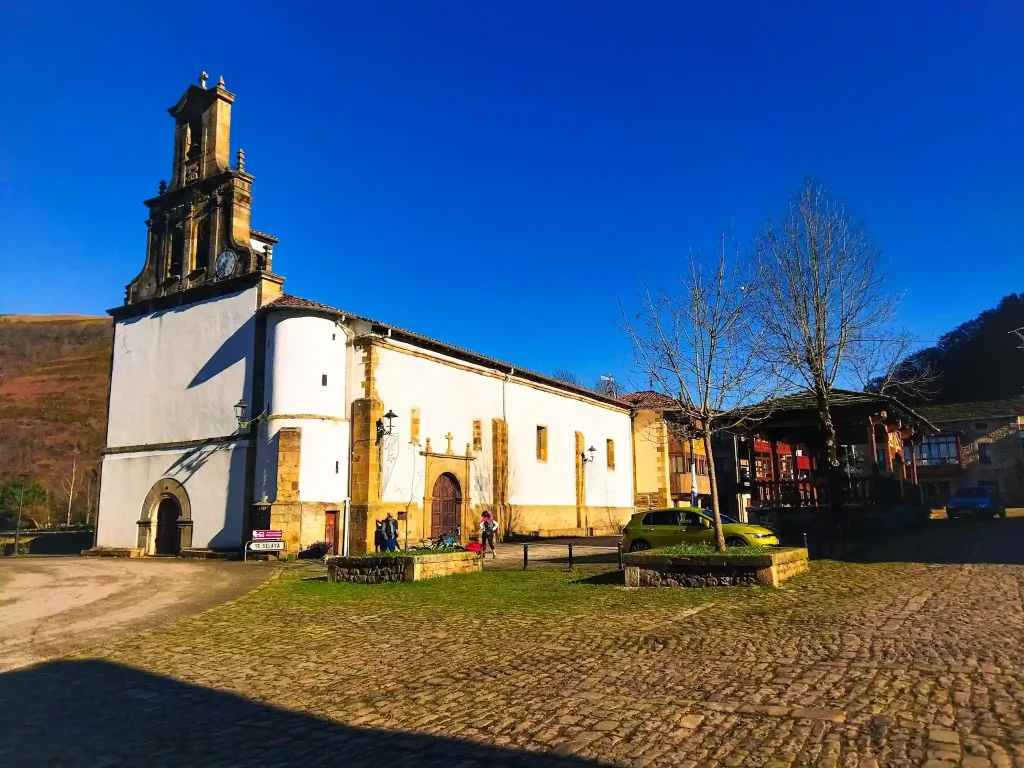
The Church of Nuestra Señora de la Vega
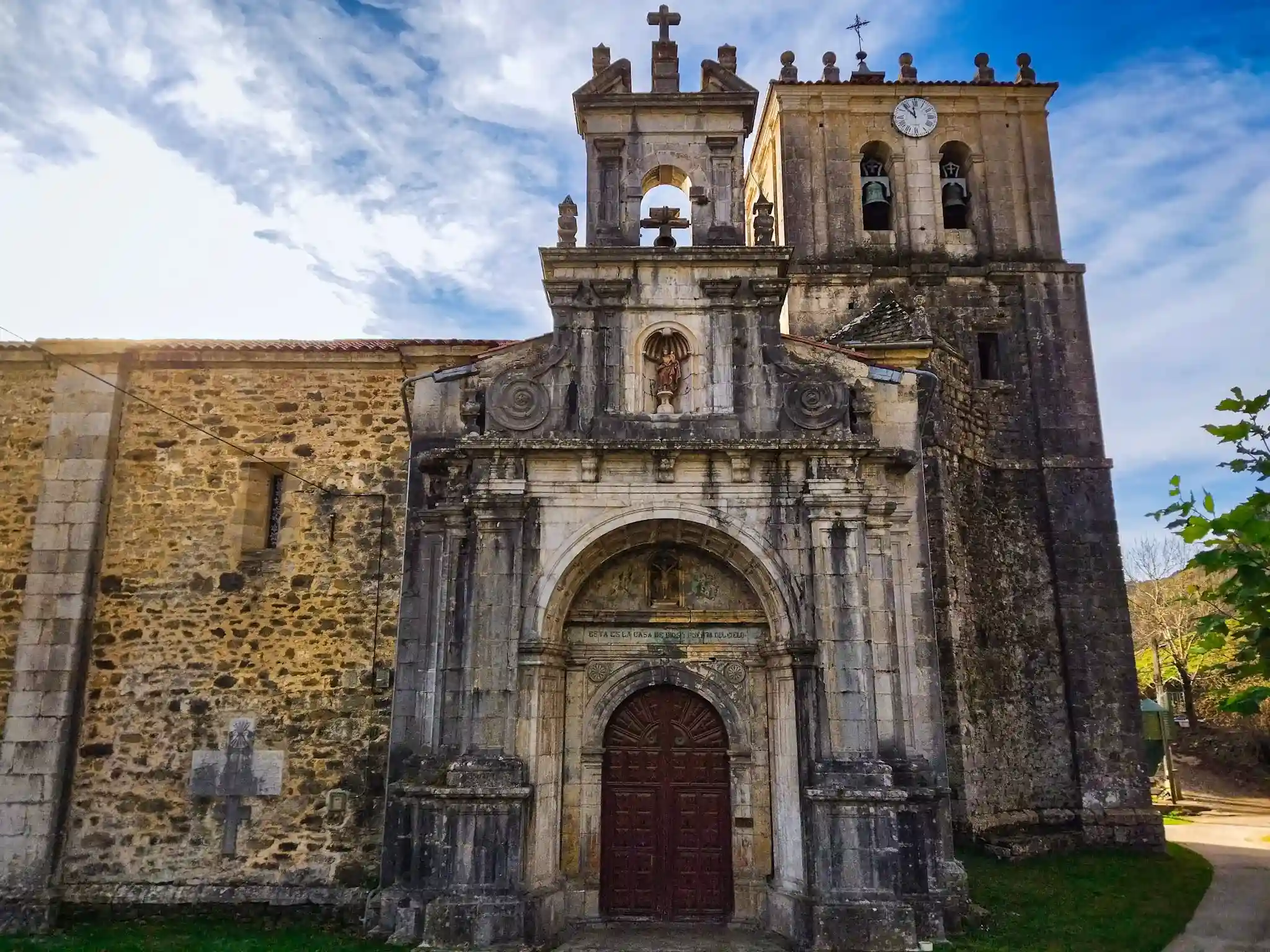
If you visit Vega de Pas, you cannot miss the charming Church of Nuestra Señora de la Vega. This architectural jewel, with its combination of Gothic and Baroque styles, is a true sanctuary of peace and tranquility. Built in the 18th century, it has been the heart of the religious and social life of the Pasiega community for centuries.
Inside, you will be surprised by the pointed arches and the ribbed vault, along with the impressive main altarpiece. The church houses the venerated image of Our Lady of the Valley (Nuestra Señora de la Vega), which is the center of the local festivities. One of the most important celebrations is the feast in honor of the Virgin, which fills the place with joy and devotion.
Church of Nuestra Señora de la Vega
Furthermore, the church has been carefully restored to preserve its splendor, maintaining its original structure and its detailed decoration. Surrounded by a stunning natural environment in the Pas Valleys, the Church of Nuestra Señora de la Vega is the perfect place to disconnect from the hustle and bustle of everyday life and immerse yourself in serenity. It is not only a place of worship but also a living testimony to the rich cultural heritage of Vega de Pas.
Doctor Madrazo Sanatorium
The Doctor Madrazo Sanatorium has a fascinating history! Inaugurated in 1913 by the visionary Doctor Enrique Diego-Madrazo y Cos, this place was dedicated to the treatment of respiratory diseases, especially tuberculosis, one of the greatest health concerns of the time. This historic sanatorium is a must-see to understand the evolution of medicine in the region.
The choice of Vega de Pas was perfect—with its pure air and mild climate, there couldn’t have been a better place! The building was designed following the hygienist principles of the time, prioritizing ventilation and natural light. Imagine wide galleries and terraces where patients could enjoy sunbathing and breathe fresh air. How wonderful! The Doctor Madrazo Sanatorium is much more than a building; it is a symbol of the fight against tuberculosis and a testimony to the history of medicine.
The Roman Bridge
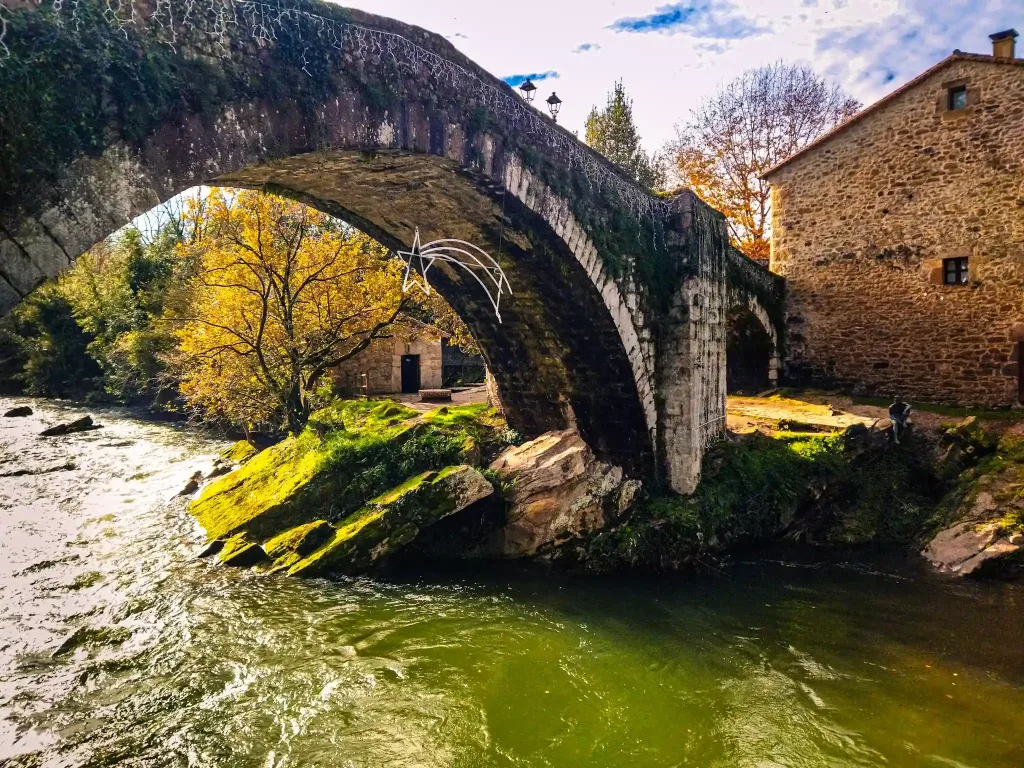
This small stone bridge seems to transport you directly back to the Roman era. Who knows, perhaps even Caesar crossed here on his way toward the conquest of Hispania! Although, most likely, what crossed this bridge in ancient times were sheep and cows in search of tenderer pastures. The Roman Bridge in Vega de Pas is definitely a perfect place to disconnect and let yourself be carried away by the magic of Cantabria. Take the opportunity to take a selfie with the sheep; they’ll surely bring a smile to your face!
The Molino de Yera in Vega de Pas is the perfect refuge to escape daily stress and immerse yourself in the tranquility of nature. This centuries-old mill, which operated as a flour mill until a few decades ago, is located on the banks of the Yera River, a tributary of the Pas.
Currently converted into cozy accommodation, it combines stunning views with a rustic charm that transports you to another era. Surrounded by the natural beauty of Cantabria, the Molino de Yera offers a unique experience to relax and enjoy, for adventurers wishing to explore nature as well as for couples looking for a romantic getaway. Its magical and serene atmosphere makes it a tempting destination.
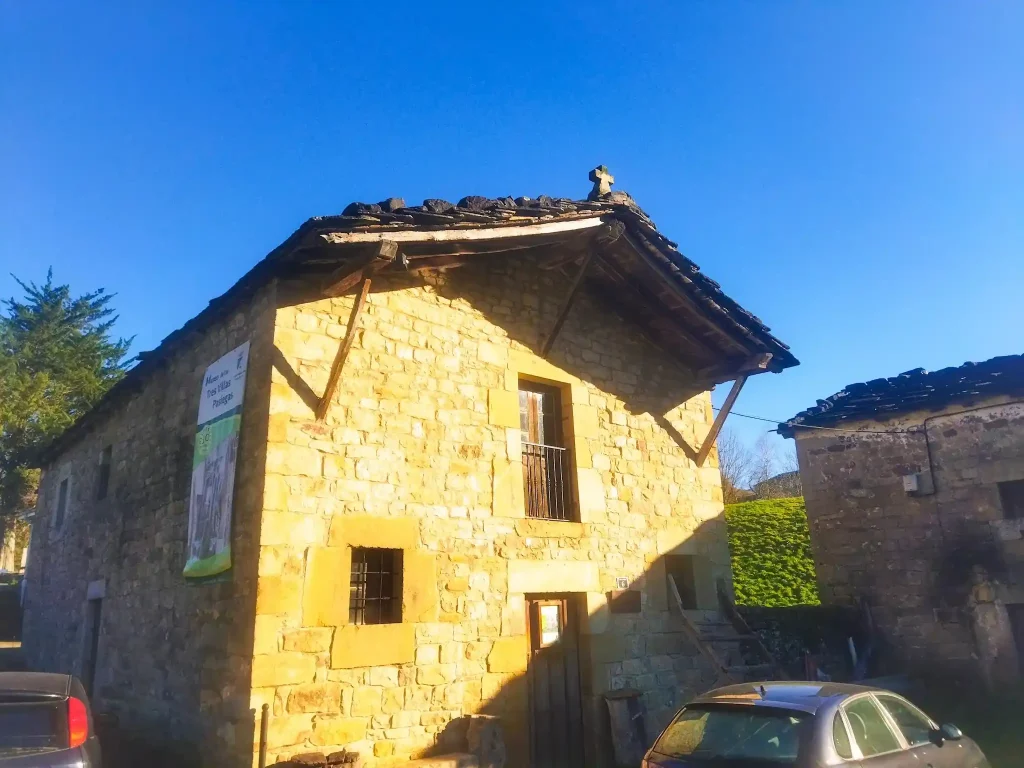
Museum of the Three Pasiego Villages
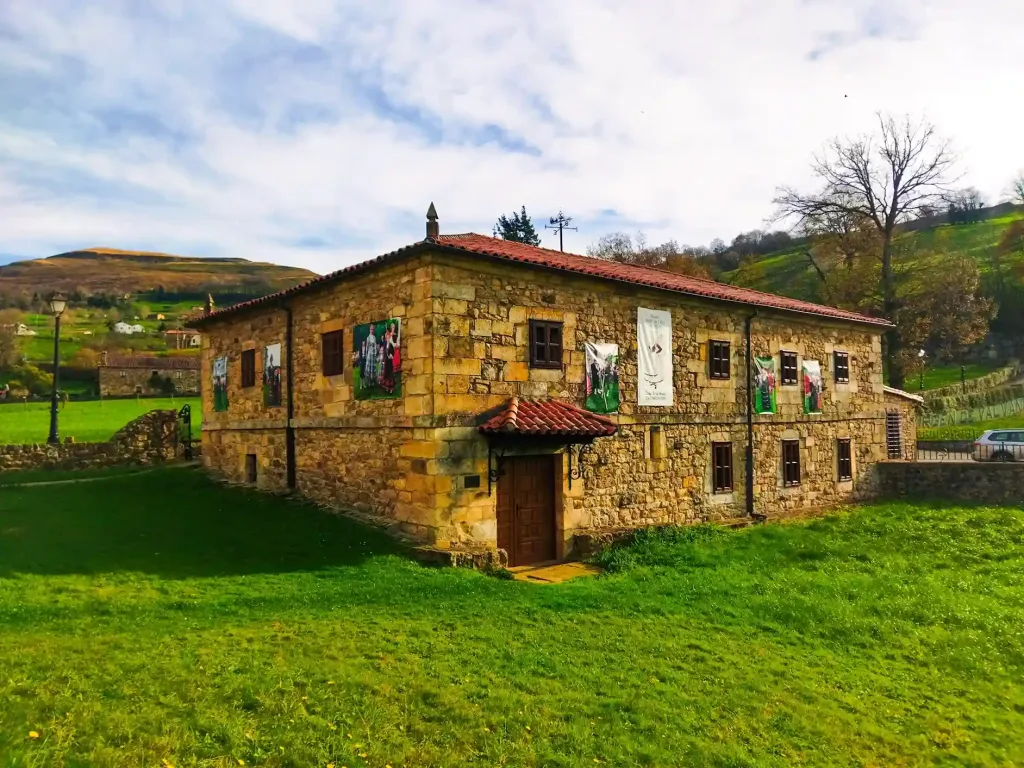
Located in the charming 18th-century Hermitage of San Antonio in Vega de Pas, the Ethnographic Museum of the Three Pasiego Villages is the perfect place to immerse yourself in the rich Pasiego culture. This museum is an exact replica of traditional Pasiego cabins, offering an authentic and educational experience.
The museum reflects the customs and traditions of the Pas Valley, especially of its three iconic towns: Vega de Pas, San Roque de Riomiera, and San Pedro del Romeral. Divided into two functional floors, the ground floor is dedicated to being a stable or barn for animals, while the upper floor, known as the “tascón,” is intended for housing and a hayloft.
Museum of the Three Pasiego Villages
On the upper floor, you will find a reconstruction of a traditional home, with everyday objects, as well as an area dedicated to storing dried hay, with displays and explanatory panels. The lower floor is divided into three areas: one dedicated to cuévanos (baskets) and traditional trades, another to dairy products like butter and cheese, and a third that recreates the stable and the manger.
Additionally, the museum has a small specialized library and the municipal archives of Vega de Pas. To visit the Ethnographic Museum of the Three Pasiego Villages, it is necessary to confirm opening hours by calling the Vega de Pas Town Hall at 942 595053. And we should warn you that it is closed during the winter.
Enjoy Nature
Hiking in the Pas Valleys
Vega de Pas is a paradise for hiking lovers, with eight signposted routes that will allow you to explore its stunning landscape. Among the most notable are six short-distance routes, perfect for all levels. These routes are some of the best options for enjoying nature:
Circular Route of the Valnera Lookouts: A 9-kilometer route that offers spectacular views of the region. Ideal for those looking for a moderate hike with incredible visual rewards.
Viaña Valley Route: With 6.5 kilometers and a 270-meter elevation gain, this route is perfect for a relaxed hike. Enjoy nature and serenity while you travel through this picturesque valley.
Ruyemas Meadows Route: A shorter 5-kilometer route, perfect for families and casual walkers. Explore the green meadows and enjoy the tranquility of the surroundings.
For the more adventurous, the region also offers the possibility of canyoning in its rivers and gorges. Live a day full of adrenaline and fun exploring the natural environment from a unique perspective with a canyoning excursion in Vega de Pas. An unforgettable experience that combines nature and adventure!
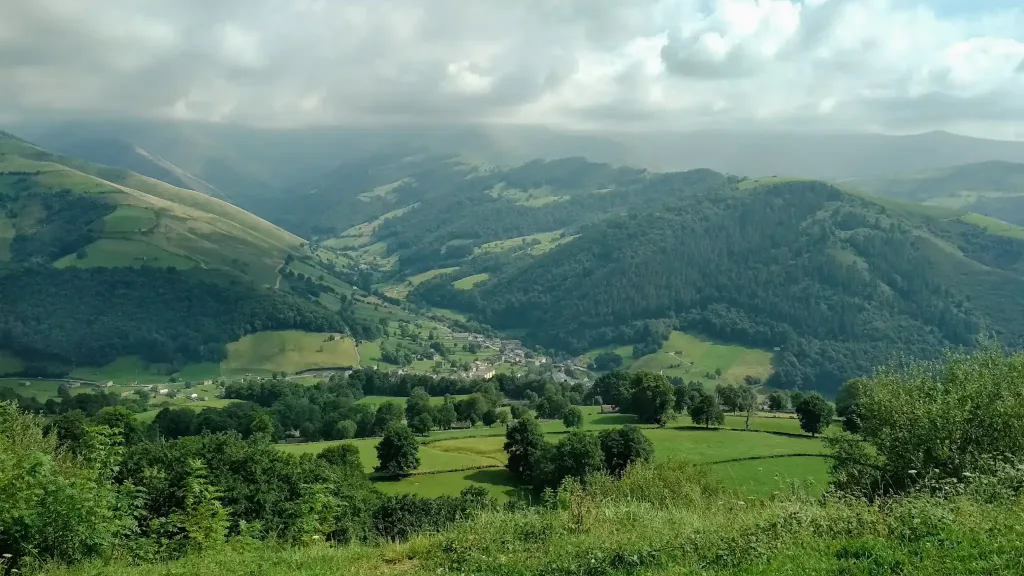
La Braguía Lookout: Breathtaking Panoramic Views
Ready to discover a magical place in Cantabria? Welcome to the La Braguía Lookout in Vega de Pas, where you can enjoy panoramic views that will take your breath away. This lookout point offers a spectacular view of the Pas Valleys, with its green mountains and valleys stretching as far as the eye can see. It is a perfect place to take impressive photos and enjoy the tranquility of nature. Don’t miss the opportunity to disconnect and relax in this unique little corner in the north of Spain, admiring the natural beauty of Cantabria.
View from the La Braguía Lookout
Cycling Routes in the Surroundings
For cycling enthusiasts, Vega de Pas offers multiple routes to explore the surroundings by bike. Some recommended routes are:
Pasiego Mountain Pass Route: This route of approximately 40 kilometers will take you through the beautiful landscapes of the Pas Valleys, going up and down mountain passes. It is a challenging but rewarding route, perfect for experienced cyclists looking to enjoy panoramic views and a good workout.
Pas Valley Route: With a gentler route of about 25 kilometers, this route is ideal for enjoying a relaxed bike ride. It crosses the valley, passing through picturesque towns and green meadows, with the opportunity to stop at several points of interest and enjoy the local gastronomy.
Pas Green Way (Vía Verde del Pas) Route: This route, which follows the old railway line, is perfect for cyclists of all levels. 24 kilometers long, it offers flat terrain that is easy to travel, with beautiful landscapes along the Pas River.
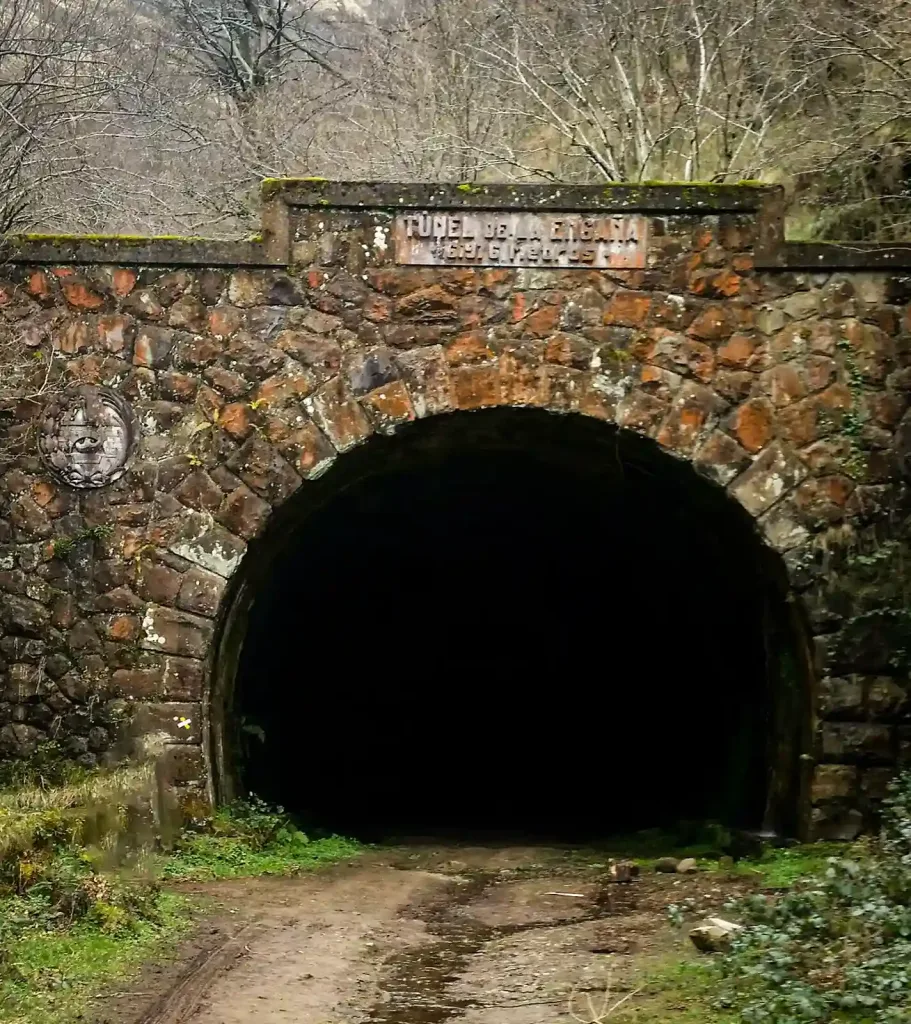
Visit to the La Engaña Tunnel
You can’t miss the La Engaña tunnel! Immerse yourself in history as you travel through this railway tunnel of almost 7 kilometers, which was intended to connect Burgos and Cantabria beneath the Pasiego mountains but never actually opened. This tunnel is a must-visit.
La Engaña Tunnel
Construction of the La Engaña tunnelbegan in 1941, during the Franco regime, with the goal of connecting the Cantabrian coast with the interior of Spain through a railway link between Burgos and Cantabria. The work was one of the most ambitious of its time, and continued until 1959. However, working conditions were extremely harsh, and many of the workers were prisoners of war who worked in inhumane conditions. Today, the La Engaña tunnel remains closed to prevent access, but you can still visit the old abandoned station and the first tunnels, which offer a fascinating glimpse into this unfinished project. Don’t forget to bring a flashlight, as the darkness of the tunnel can be intense and a little scary, but that is part of the adventure!
Flora and Fauna of Vega de Pas
The green pastures and native forests create a landscape of incomparable natural beauty. On the slopes of its mountains, the pastures shaped by human hands blend with lush forests of hazel, ash, chestnut, and oak trees. These forests hide natural wonders such as the waterfalls of the Viaña Pools, which offer an impressive visual and auditory spectacle. These natural wonders are a highlight of what to see in Vega de Pas.
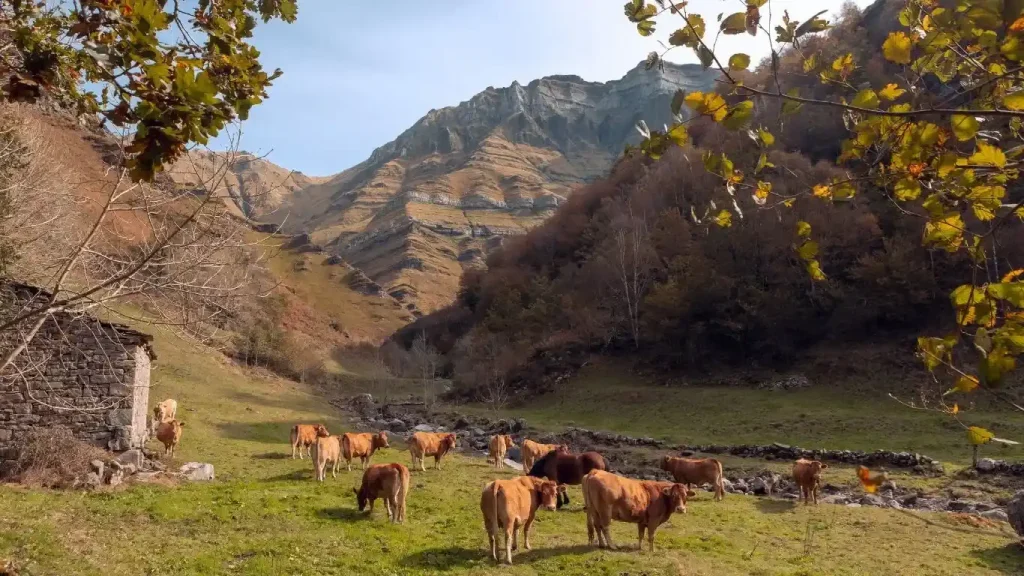
Pasiego cows / Canva
The fauna of Vega de Pas is equally rich and diverse. Among the most notable species is the breed of Pasiega cows, recognizable by their short stature, square snout, blunt and short horns, and their reddish and hazelnut color. These cows, although low in milk production, produce milk that is very rich in fats, ideal for the production of butter and cheese, products that have been fundamental to the Pasiego economy from the 16th to the 20th century. In 1870, the introduction of the Dutch breed, known for higher milk production, transformed the region’s livestock industry. This led to the creation of more pastures and increased the practice of the “mudas” (seasonal moves).
Traditional Events and Festivals in Vega de Pas
This charming town in Cantabria is famous for its vibrant festivals and events that celebrate the rich Pasiego culture. Here we tell you about the most notable festivities, but the best thing is to go there and enjoy them in person:
Things to do in Liérganes — here’s the complete answer for a perfect half-day escape:…
Grand Festival of the Sobao Pasiego and the Quesada
Get ready for a sweet feast during the Easter (Semana Santa) holiday! The Grand Festival of the Sobao Pasiego and the Quesada is a four-day celebration full of exciting activities. Enjoy exhibitions of artisan trades, parades, children’s workshops, pilgrimages, agro-food and craft markets, and the traditional exhibition of Pasiego bowling (bolo pasiego). And don’t forget to participate in the bingo! It is the perfect opportunity to taste the delicious sobaos and quesadas of the region while immersing yourself in the local culture.
In September, Vega de Pas gets dressed up to honor its patron saint, Nuestra Señora de la Vega. This festive celebration combines devotion and fun, starting with solemn processions and masses, followed by a variety of cultural and recreational activities that unite the whole community. In addition to religious acts, there are concerts, traditional dances, children’s games, and craft markets, creating an atmosphere full of tradition and joy. It is a unique experience that reflects the spirit and culture of Vega de Pas, and a perfect opportunity to enjoy the hospitality and charm of this town.
Festivities in Honor of the Virgin of the Snows (Virgen de las Nieves)
Located 6 km from Espinosa de los Monteros, the sanctuary of Nuestra Señora de las Nievesis the epicenter of one of the oldest and most picturesque pilgrimages in the province of Burgos. Every August 5th, the Pasiegos celebrate the pilgrimage in honor of the Virgin of the Snows. This festivity brings together all the inhabitants, both local and thosewho reside elsewhere, in a celebration full of colorful folklore, ancestral dances, and religious acts. Participants enjoy a day of family and social unity, highlighting the devotion and customs that are passed down from generation to generation.
Corpus Christi in Vega de Pas
Corpus Christi is one of the most important and anticipated festivities in Vega de Pas, full of tradition and spirituality. Celebrated in June, this holiday stands out for its solemn processions and masses, which reflect the deep religious devotion of the community. In addition to religious acts, Corpus Christi in Vega de Pas includes a series of cultural and festive activities that enrich the celebration. Among them are traditional music concerts, folk dances, markets with local and artisan products, and games for children. These activities not only foster community unity but also attract visitors who wish to experience the rich cultural and religious heritage of the region.
Honey Fair in Vega de Pas
In October, Vega de Pas gets sweetened with the celebration of the Honey Fair, an event that highlights one of the most delicious and traditional products of the region. This festival attracts visitors and locals who wish to enjoy the rich variety of honey produced in the Pas Valleys. Attendees can participate in tastings of different types of honey and participate in educational workshops where local beekeepers share their knowledge and techniques regarding honey production and bee care. The Honey Fair market is a highlight, with stalls that sell honey and a wide range of derivative products, such as propolis, royal jelly, natural cosmetics, and artisan sweets. You will also find other local and artisan products that complement the event’s offerings.
Other Celebrations
In addition to those we have already told you about, Vega de Pas hosts other exciting events throughout the year, such as the Canyoning Meeting, The Ascension, the Kilómetro Cero Vertical Castro Valnera, the Trail Vega de Pas – La Engaña Tunnel, and the festivals in honor of Nuestra Señora de la Soledad in La Gurueba and El Pilar in Guzparras. Each event is an opportunity to enjoy and explore!
Exquisite Local Gastronomy in the Area’s Restaurants
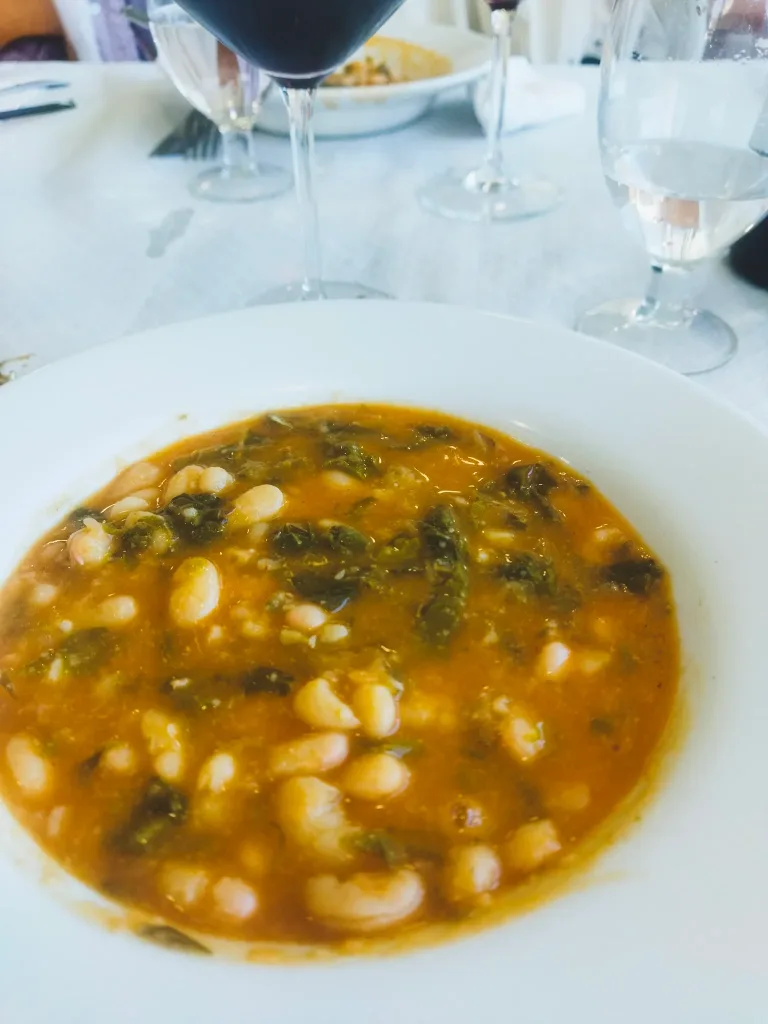
A visit to Vega de Pas would not be complete without tasting the exquisite local gastronomy in the area’s restaurants. Vega de Pas has a variety of establishments that offer specialties such as cocido montañés and high-quality meats made with fresh, local ingredients.
El Café, located at the entrance of the town, is a restaurant that has earned our trust. It offers a delicious menu at a very affordable price and, best of all, has gluten-free options so that everyone can enjoy a safe and tasty meal.
If you fancy a gluten-free quesada for dessert, the Joselín factory makes them, although they are not always available. As for gluten-free sobaos, they are a little harder to find. However, the Las Quintas bakery in Santillana del Mar offers some very tasty gluten-free sobaos, although they are smaller than the famous Macho or Luca sobaos.
If you want to learn more about the tradition of this delicious Cantabrian pastry, you can visit the Sobao Museum, a perfect experience to discover the secrets of its traditional preparation.
Vega de Pas is a charming destination in the heart of Cantabria, perfect for those seeking nature, history, and a rich local culture. Here are some tips to help you plan your visit and enjoy everything this wonderful place has to offer.
Best Time to Visit Vega de Pas
Each season has its unique charm, so choose the one that best suits your preferences and have an unforgettable experience in Vega de Pas. If you are passionate about nature, spring is ideal. With pleasant temperatures and landscapes in bloom, it is perfect for hiking and enjoying natural beauty at its peak. Summer, on the other hand, is ideal for those who enjoy festivities and the hustle and bustle. In autumn, the landscapes turn into warm colors, offering impressive views. And if you are looking for tranquility and are a lover of the cold and snow, winter is your season full of magic.
How to Get to Vega de Pas
From our perspective, a car is the most convenient way to reach and travel around the region. From Santander, take the A-8 and then the N-634 until you reach the CA-142, which will take you to Vega de Pas. The trip takes approximately an hour and a half. You can also arrive by bus. There are services available from Santander and other nearby cities, but the schedules and frequency are not very accessible. If you don’t have your own car, you can rent a car and explore the Pas Valleys at your own pace.
Discover the Magic of the Pas Valleys
In the Vega de Pas region, the villages seem straight out of a fairy tale, with their charming stone houses, cobbled streets, and dreamlike landscapes. This is the perfect place to disconnect from the routine and immerse yourself in the tranquility of Cantabria. You may be left wanting more, and we understand that. That’s why we don’t want to leave without recommending you visit some of these secret spots that will undoubtedly surprise you.
Renowned for its exquisite local specialties and rich cultural heritage, this cozy town will captivate you in every way. Selaya has interesting monuments such as the Church of San Juan Bautista, the Casona del Patriarca, and the Palace of Donadío.
Additionally, some of the most important sobao factories in the region are located here. Don’t miss the visit to the Sobao Museum and take a load of these delicious sweets with you! Although it’s not always easy, Joselín has gluten-free quesadas of the same quality and unmatched flavor as the traditional ones.
Museum of the Nannies (Amas de Cría) in Selaya
Equally important is the Sanctuary of Nuestra Señora de Valvanuz, home of the beloved patron saint of the Pasiegos. If you visit on August 15th, you will enjoy a festivity in honor of the Virgin of Valvanuz, a celebration that will leave a mark on you.
The Museum of the Nannies (Amas de Cría) in Selaya pays a moving tribute to Pasiego women, who were fundamental to the region’s economic and family support.These women, recognized for their strength and resolve, played a vital role by taking charge of the care and nursing of other people’s children, some of whom went on to become future monarchs, making a significant impact both within and outside of Cantabria.
If you’re looking for the best things to do in Malaga, this complete guide will…
Villacarriedo
Don’t forget about Villacarriedo, a charming town where one of the most spectacular palaces in Cantabria is found: the Palace of Soñanes. Built in 1779 and declared a Bien de Interés Cultural (Property of Cultural Interest) in 1981, today it is a wonderful hotel where you can live an unforgettable experience.
Villacarriedo
Although it is not on the list of the most beautiful towns in Spain, for us, it is one of the most special in Cantabria. In this region, typical mountain constructions intermingle with “indiano” houses, creating a unique environment. The Pas Valleys are a region deeply marked by the history of the mountain people who emigrated to Mexico and Cuba in search of fortune and returned to their beloved “tierruca” after having succeeded in “the Americas.” This legacy is especially notable in towns like Selaya, Villacarriedo, Vega de Villafufre, and Santa María de Cayón, where many families have at least one “indiano” ancestor in their lineage. This historical connection enriches the cultural identity of the region, making it a fascinating destination to explore and understand.
Ontaneda and Alceda
Ontanedais a town famous not only for its beauty but also for being a paradise for those with a sweet tooth, thanks to its famous sobaos pasiegos and quesadas. Although we are absolute fans of Luca, we regret to say that they do not offer gluten-free options among their delicacies. However, don’t worry, as the sweetness doesn’t end there. You must try the ice cream from Helados López, a family ice cream parlor that has won over palates for generations. They offer flavors like cheese, lemon, yogurt, tutti frutti, orange, apple, blackberry, banana, and strawberry, all suitable for celiacs.
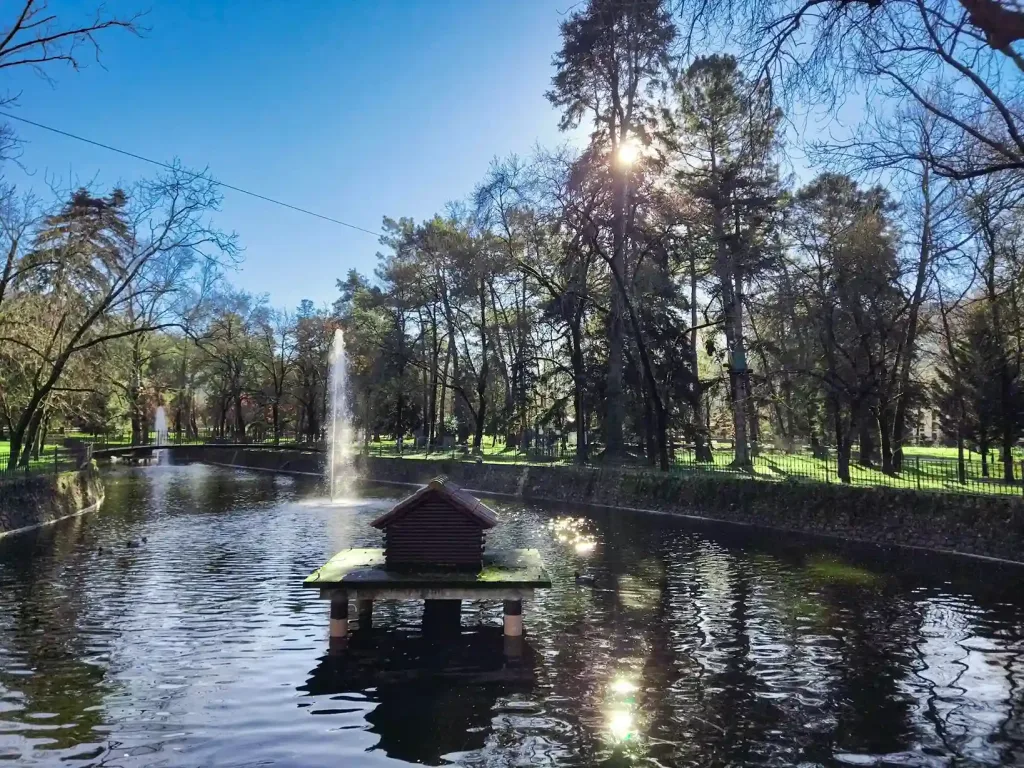
Alceda Park
Ontaneda will also surprise you with its imposing mansions, among which the majestic Palace of Ontaneda stands out, erected in the 18th century by Francisco de Bustamante y Guerra. This palace is not only a delight for the eyes but also part of history, having hosted Queen Isabella II, who enjoyed the baths at the nearby medicinal spring.
Almost without realizing it, as you continue exploring, you will enter Alceda, a town that maintains a close relationship with Ontaneda and is notable for its historical and architectural wealth. Declared a historical-artistic site, Alceda invites you to walk among palaces and mansions that stand majestically along the old Royal Road (Camino Real). Notable are the Casona and Tower of the Ceballos, the Casa de Mora, and the Palace of the Marquis of Mercadal, each with its own history dating from the 16th to the 18th centuries. Don’t miss the opportunity to enjoy the magic of Alceda and Ontaneda!
Puente Viesgo
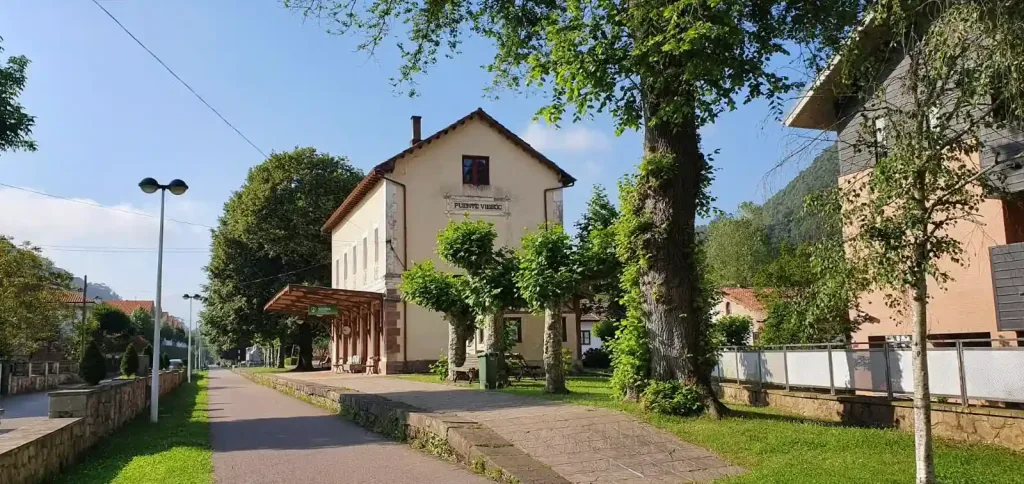
Puente Viesgo presents itself as the spectacular gateway to the Pas Valleys. This town is famous for its renowned Spa, the Palace of Fuentes Pila, and the historic church of San Miguel. Furthermore, it marks the end of one of the most iconic bike paths in Cantabria, which follows the route of the old railway toward Ontaneda.
Puente Viesgo
Here you will find the El Castillo Caves, perhaps not as famous as the National Museum and Research Center of Altamira, but just as fascinating. These caves house impressive examples of Paleolithic cave art, declared UNESCO World Heritage in 2008. Of this complex, only El Castillo and Las Monedas are open to the public, offering a unique window into the prehistoric past that will captivate all history lovers.
Additionally, you can complete the experience with an excursion to the El Castillo Caves and Paleolithic Art, exploring more about the prehistoric legacy of the region and enjoying its incomparable natural environment.
Puente Viesgo stands out not only for its underground treasures. Its Spa, recognized for its medicinal waters, has even attracted players from the Spanish National Football Team. It is a perfect destination for relaxation and wellness. Don’t miss the opportunity to enjoy its Thermal Circuit and everything that Puente Viesgo has to offer!
Liérganes
And now! We have arrived in Liérganes, one of the most beautiful towns in Cantabria. Its historical district is a true fantasy. Perfect for a half-day getaway, Liérganes combines the serenity of its mountain surroundings with an unmatched cultural heritage. If you want to delve into its history and secrets, don’t miss a guided tour of Liérganes, where you will discover fascinating details about its architecture and local legends.
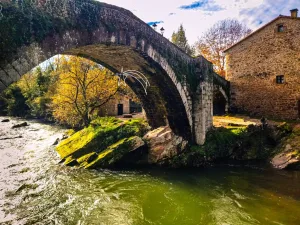
The urban complex of Liérganes, declared a national historical-artistic site in 1978, houses impressive classicist architecture. The Major Bridge (Puente Mayor), often erroneously called the Roman Bridge, is a 16th-century architectural jewel. Next to it, the “Man Fish” (Hombre Pez) Interpretation Center narrates the fascinating local legend of Francisco de la Vega Casar. It combines the beauty of its noble mansions and wooden balconies with easy and convenient access, being a perfect destination for those looking for a unique cultural and natural experience in Cantabria.
It is a place you have to see to believe! Here you will find Santa María de Miera, affectionately known as the Cathedral of the Miera. This impressive temple will leave you speechless. It is a magnificent example of Gothic architecture in the region. Built in the 16th century, this temple stands tall with different architectural styles, fusing Gothic and Renaissance elements. Its interior is equally impressive, with towering pillars and a central nave of cathedral-like proportions. Furthermore, its main altarpiece and side chapels house rich ornamentation that reflects the history and devotion of the local community. Miera is not only famous for its church but also for its natural landscapes.
The Miera Valley offers spectacular hiking trails that will allow you to explore mountains, rivers, and forests. These trails are perfect for nature and outdoor lovers, providing panoramic views and direct contact with local flora and fauna.
Church of Santa María de Miera
Glutendtrotters, Don’t Miss Out!
Vega de Pas and its surroundings are a perfect destination for lovers of nature, history, and good food. We impatiently await your comments, photos, and suggestions. Come and discover everything this wonderful region has to offer, including delicious gluten-free options!
Around Vega de Pas you can see the La Engaña tunnel; walking through the tunnels is very beautiful and easy to do with children. We also recommend going to the La Braguía Lookout; the views from there are breathtaking. Once you pass the La Braguía mountain pass, you will find Pisueña, a town where it feels like time has stopped. There is a very cool route of small waterfalls that can be perfectly done with children. You will also see the ancient Pasiego cabins in their full splendor. After Pisueña, you will find Selaya and Villacarriedo. There you can buy some delicious sobaos (there are no gluten-free ones) and quesadas (Sobaos Joselín, at the entrance of Villacarriedo, has a gluten-free quesada). You can also buy rich Pasiego cheeses; we recommend the cream cheese (queso de nata) and the fresh cheeses. The butter is also delicious; we consume it daily.
What is the distance between Santander and Vega de Pas?
The distance by car is about 64 km. It takes about 1 hour to get there.
How do you get to Vega de Pas?
The only way to reach Vega de Pas is by car. It is totally worth it as the landscapes are spectacular. We have been there in all four seasons. Vega de Pas in winter has a special charm; however, you have to be very careful with snow and ice. We strongly recommend never accessing Vega de Pas through Lunada, as it is a dangerous road. There have been fatal car accidents in the past.
Where can you park in Vega de Pas?
At the entrance to the town, there is a parking lot at the CEIP Dr. Madrazo school. There is also a parking area for motorhomes there. You can also park in the Plaza Dr. Madrazo (town center), although in high season it is harder to park. You will find a third parking lot heading toward the La Braguía mountain pass, just after the playground.
Can you eat gluten-free in Vega de Pas?
Yes. El Café restaurant, at the entrance of the town, offers gluten-free options on its menu. For dessert, the Joselín factory, in nearby Villacarriedo, makes a gluten-free quesada confirmed on its own official website, although it isn’t always available; gluten-free sobaos are harder to find in the area, though the Las Quintas bakery, in Santillana del Mar, makes them.
¡Hola, soy Rita! Cofundadora de Glutendtrotters y experta en turismo con más de 20 años en el sector hotelero. Apasionada de los viajes y mamá de tres hijas, comparto destinos y consejos para disfrutar aventuras inclusivas, especialmente para celíacos. Me encanta el teatro, la moda y una copa de vino al final del día.