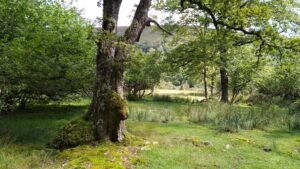


There’s a version of Cantabria that only appears once summer leaves: the one with empty cobbled streets, stone turned golden by the low afternoon light, and villages that return to their usual rhythm. This isn’t yet another “prettiest villages” round-up — we already have full guides to each of these. This is a selection designed specifically for autumn: traditional architecture, history and, as always on Glutendtrotters, where to eat gluten-free in each stop.

Before your autumn village-hopping route
You’ll definitely need a car to link up these villages: we recommend renting one. Don’t forget travel insurance with IATI, and if you’re coming from outside Spain, a Holafly eSIM to have data from the moment you land.
1. Bárcena Mayor
The only inhabited village inside the Saja-Besaya Natural Park, and in autumn the park itself fills with oaks, beeches and birches bursting with colour — one of the best spots in Cantabria for autumn scenery. The village, declared a Historic-Artistic Site in 1979, still preserves two-storey stone houses with covered galleries and balconies, cobbled streets and traditional wash-houses almost untouched.
Bárcena Mayor is one of those villages where time seems to have stood still. We love visiting it in autumn, when the smell of wood smoke drifts through its streets and the atmosphere is far more peaceful. It’s a very popular village and, in summer, it can get quite crowded. In autumn, however, visitor numbers drop, and it’s mostly locals from Cantabria who get to enjoy this beautiful corner of our region.
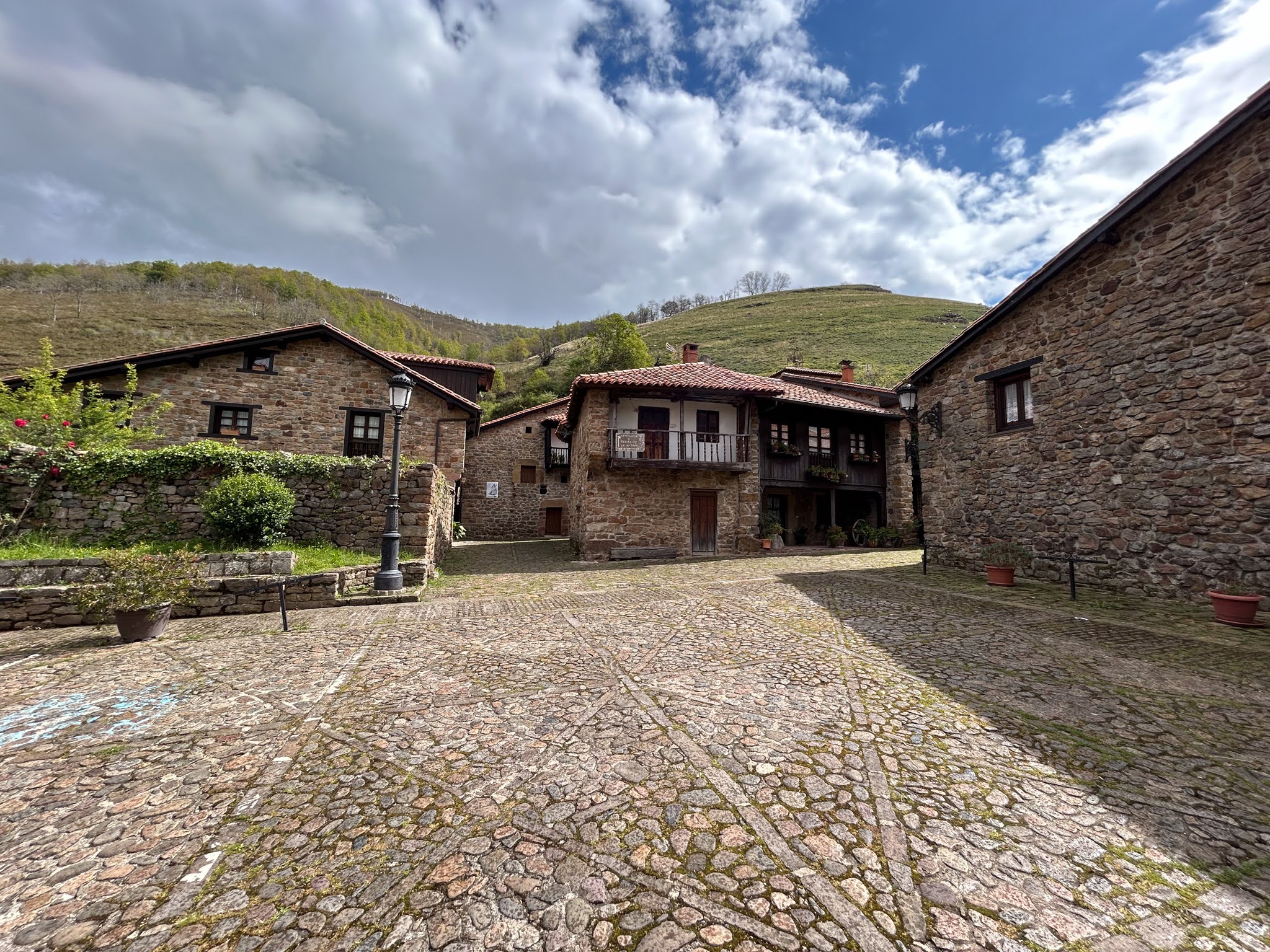
📍 Gluten-free: Mesón Río Argoza offers gluten-free versions of cocido montañés (a local stew), though it’s worth confirming the restaurant’s cross-contamination protocol before you go.
Also read: What to see in Bárcena Mayor
2. Liérganes
A historic-artistic site declared a National Heritage Asset, with the Puente Mayor bridge over the Miera river and the famous Fish Man statue behind Cantabria’s best-known legend. Its 17th- and 18th-century mansions, with wooden balconies and noble coats of arms, look even better in the autumn light, free from the crowds of the Sunday summer market.
Liérganes is another of the Cantabrian villages we usually visit in autumn. It gets a lot of visitors in summer and can be quite crowded, which is why September feels like the ideal time to explore it: the weather is usually still good and there are far fewer tourists around.
If you get the chance, we recommend visiting on a Sunday, when the market is held — a perfect way to round off a stroll through this lovely Cantabrian village.
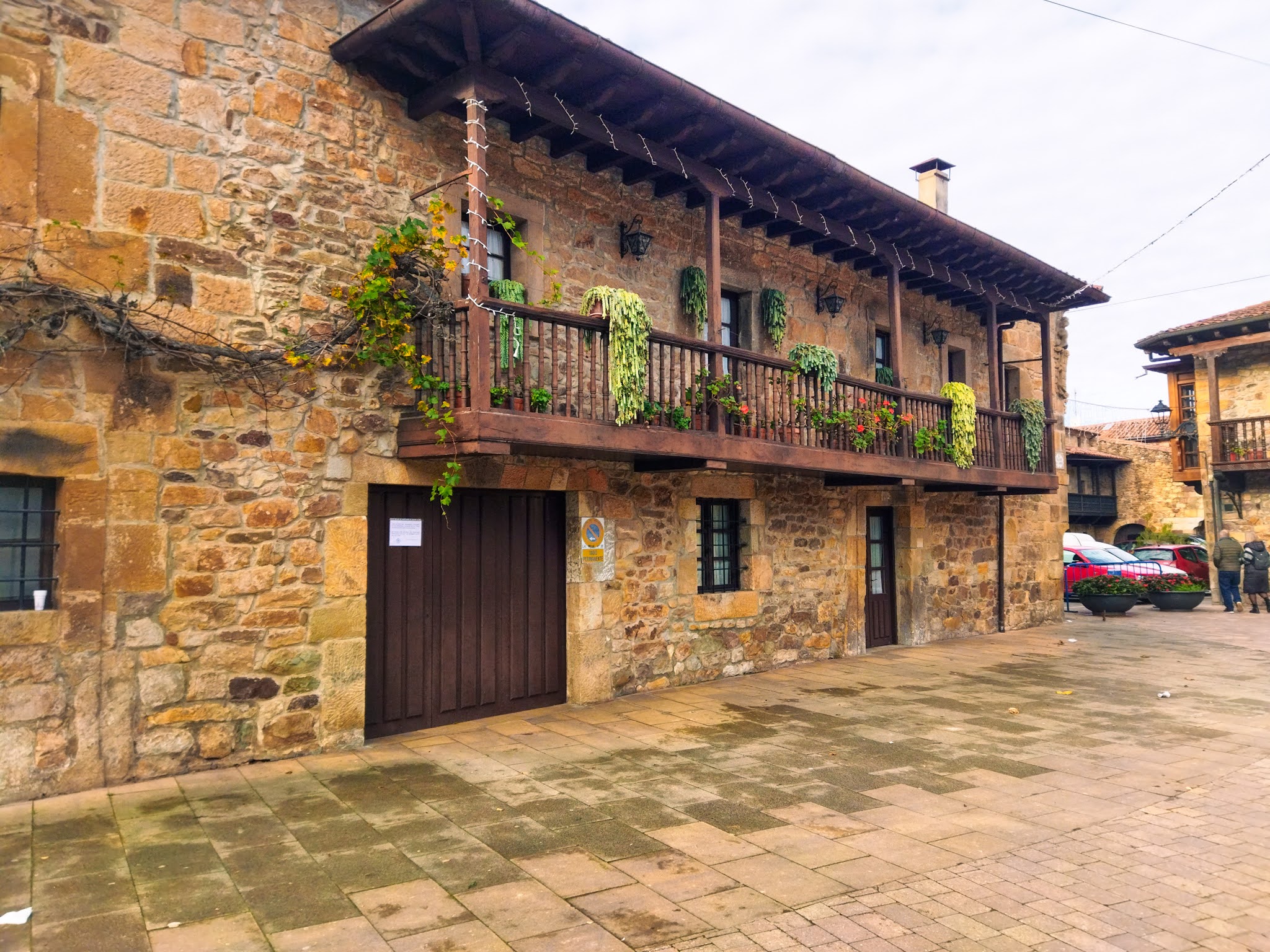
📍 Gluten-free: El Bigote Mexicano, on Camino Real 18A, isn’t affiliated with any coeliac association but is well regarded locally for its menu.
Also read: What to see in Liérganes
3. Carmona
Right in the heart of the Cabuérniga valley, Carmona is one of those villages that never seems to be in a hurry. A historic-artistic site considered one of the best preserved in Cantabria, its traditional mountain architecture —stone houses with wooden balconies— unfolds around a rural setting that turns ochre in autumn. It’s a quiet stop, without the crowds found in some of the region’s better-known villages.
Another of Cantabria’s beautiful villages well worth discovering. Of everything on this list, it’s perhaps one of the least known and least visited, which makes it the perfect place to enjoy at a relaxed pace. Any time of year is good for wandering its cobbled streets and discovering its charm. We fully recommend it!
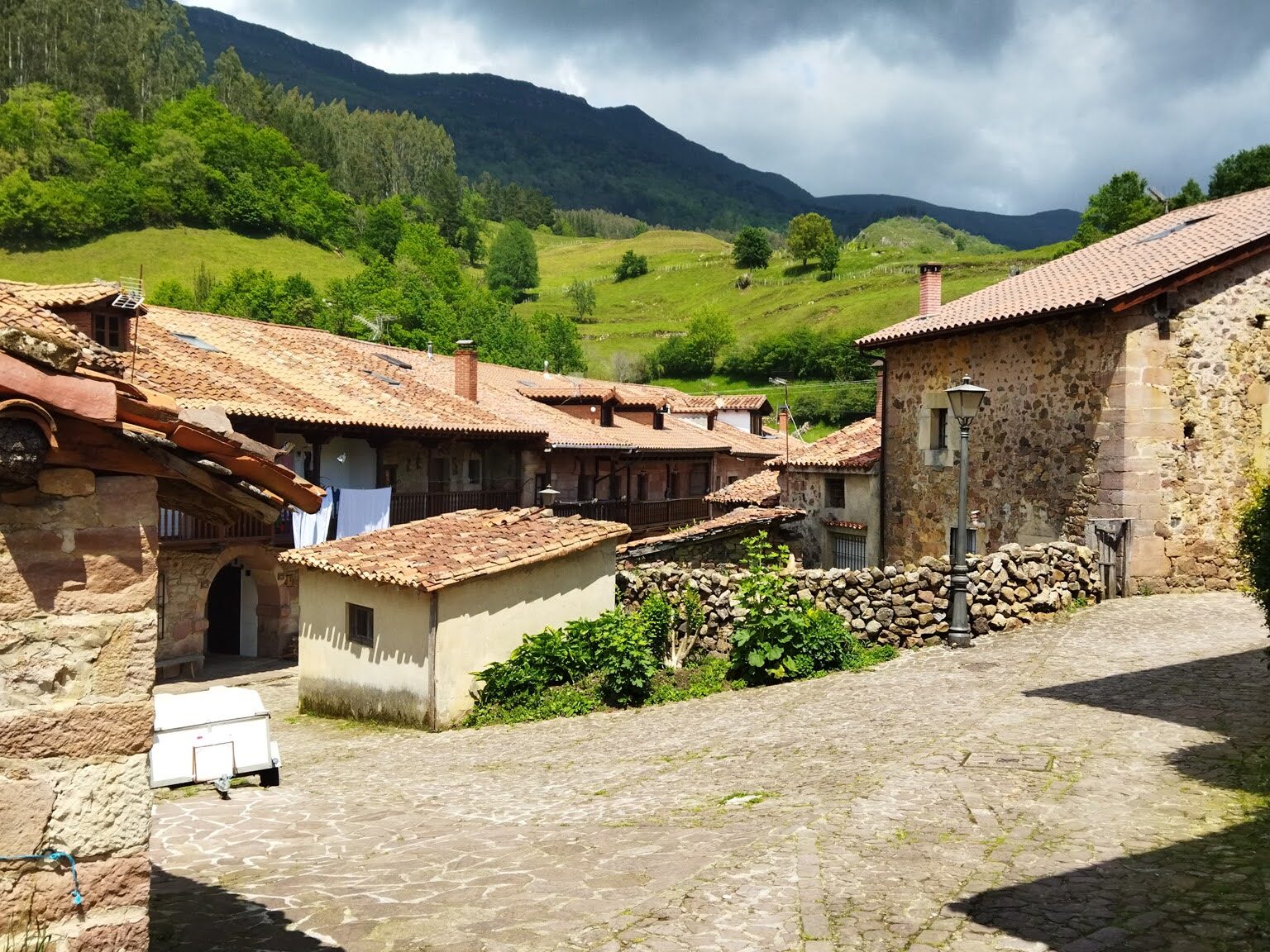
📍 Gluten-free: Restaurante El Puente, at the entrance to the village, has recent reviews confirming its entire menu is gluten-free, and the rural inn in the same building lists it as an official service. Its cocido montañés, best booked ahead, is well known throughout the Saja-Nansa area.
4. Mogrovejo
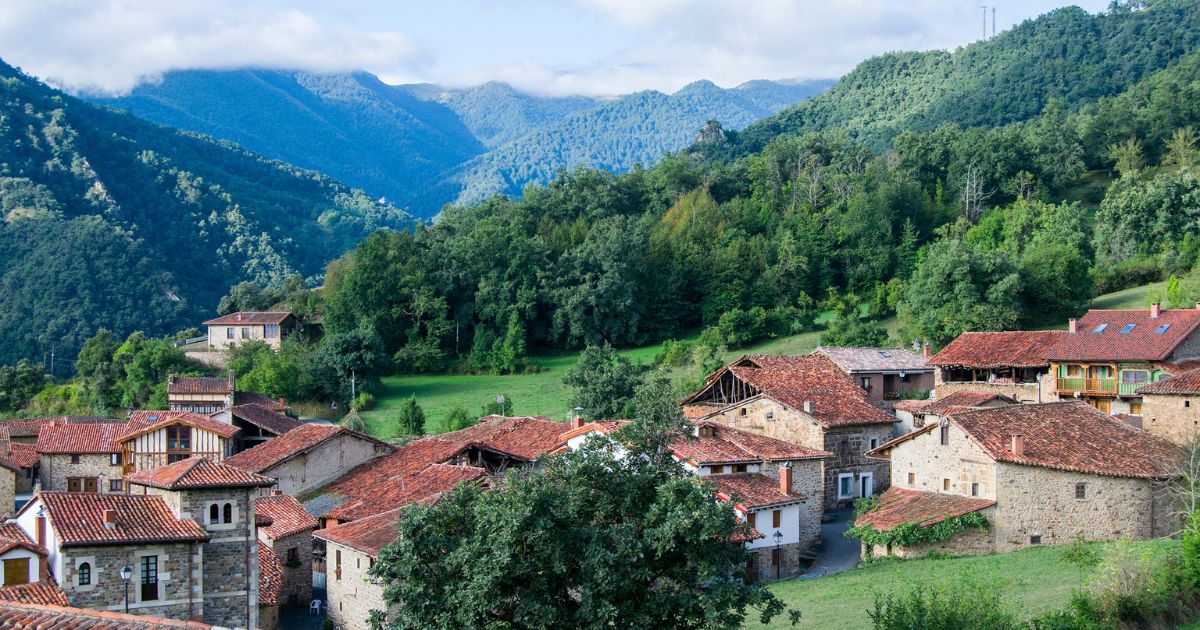
The most photogenic village in Liébana: a 15th-century medieval tower rising above a handful of stone cottages typical of the area, with the Picos de Europa as a backdrop. In autumn, with less car traffic heading to Fuente Dé, it’s easier to stop and take your time.
Mogrovejo is a beautiful village, the kind that looks like it’s straight out of a storybook. Its mountain scenery, stone houses and cobbled streets were exactly why this small Cantabrian village was chosen as one of the settings for the film Heidi, Queen of the Mountains. Several scenes were filmed here, recreating the village of Pedro, one of the story’s characters.
It’s a small village well worth visiting from spring through to mid-autumn. In winter, once the snow arrives, access can become more difficult. It gets a lot of visitors in summer, so if you want to enjoy Mogrovejo with more peace and quiet, we recommend visiting outside the busiest months.
Also read: Things to do in Potes, at the foot of the Picos de Europa
5. Comillas
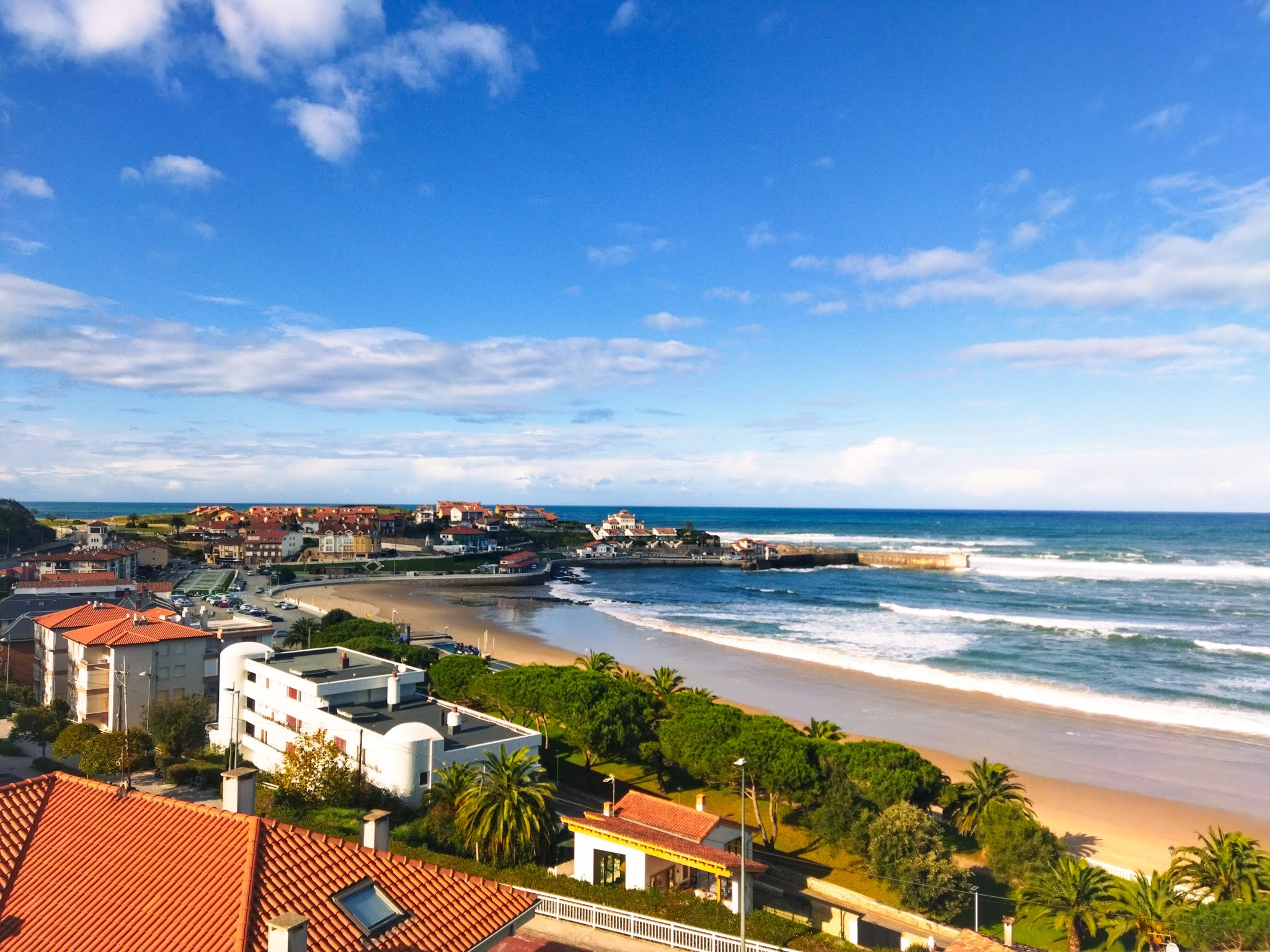
El Capricho by Gaudí is the star attraction, but the rest of the historic-artistic site (declared in 1985) is just as worthwhile: the Plaza de la Constitución, the Palacio de Sobrellano, and an old town of narrow, cobbled streets that fill with tourists in summer and can be explored at leisure in autumn.
This village is also one of the most beautiful corners of Cantabria. Its main drawback is the large number of visitors it gets in summer. If you don’t arrive early in the morning, finding parking can be quite difficult.
Even so, it’s absolutely worth stopping by and strolling along its beautiful cobbled streets, surrounded by the traditional mountain houses that give it so much charm.
We recommend visiting in spring or early summer, when there are still fewer visitors. From September onwards, tourist numbers drop considerably and some businesses start closing, especially on weekdays.
📍 Gluten-free: Ágave Azul, on Plaza de la Constitución, is affiliated with ACECAN (the Cantabria Coeliac Association) and offers an almost entirely gluten-free menu. We’ve also tried El Carel (a personal discovery, highly recommended) and Quo Vadis, an Italian restaurant with most of its menu adaptable.
Also read: What to see in Comillas: 10 must-sees
6. Vega de Pas
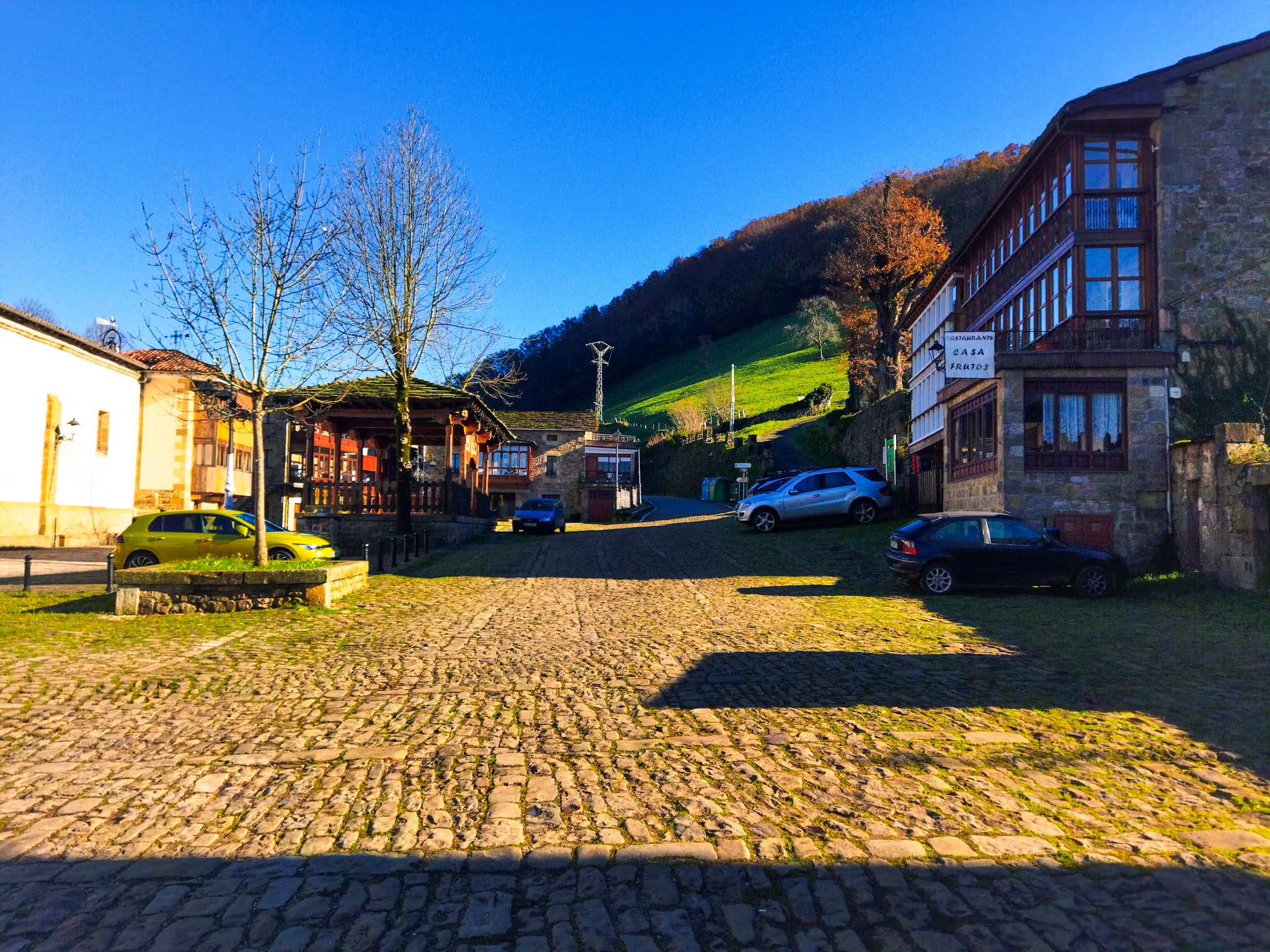
The capital of the Pasiego Valleys, with its traditional architecture of stone and timber farmhouses scattered across the valley. It’s one of the corners of Cantabria where the change of season is most noticeable: green meadows dotted with ochre, and that special silence of mountain villages in autumn.
Vega de Pas is one of those villages we like to visit several times a year, even though it takes around an hour to get there from Santander. We love enjoying its landscapes, breathing fresh air and, above all, the peace and quiet you find in this corner of Cantabria.
Whenever we go, we usually stop for something to eat or drink at La Estantería, a bar you’ll find just before reaching the square shown in the photo. Besides being a nice spot for a break, its prices are very reasonable.
If you’re looking for a place to unwind and enjoy Cantabria at its most peaceful, Vega de Pas is a great option.
📍 Gluten-free: Restaurante El Café, at the entrance to the village, offers an affordable menu with gluten-free options.
Also read: What to see in Vega de Pas
7. Santillana del Mar
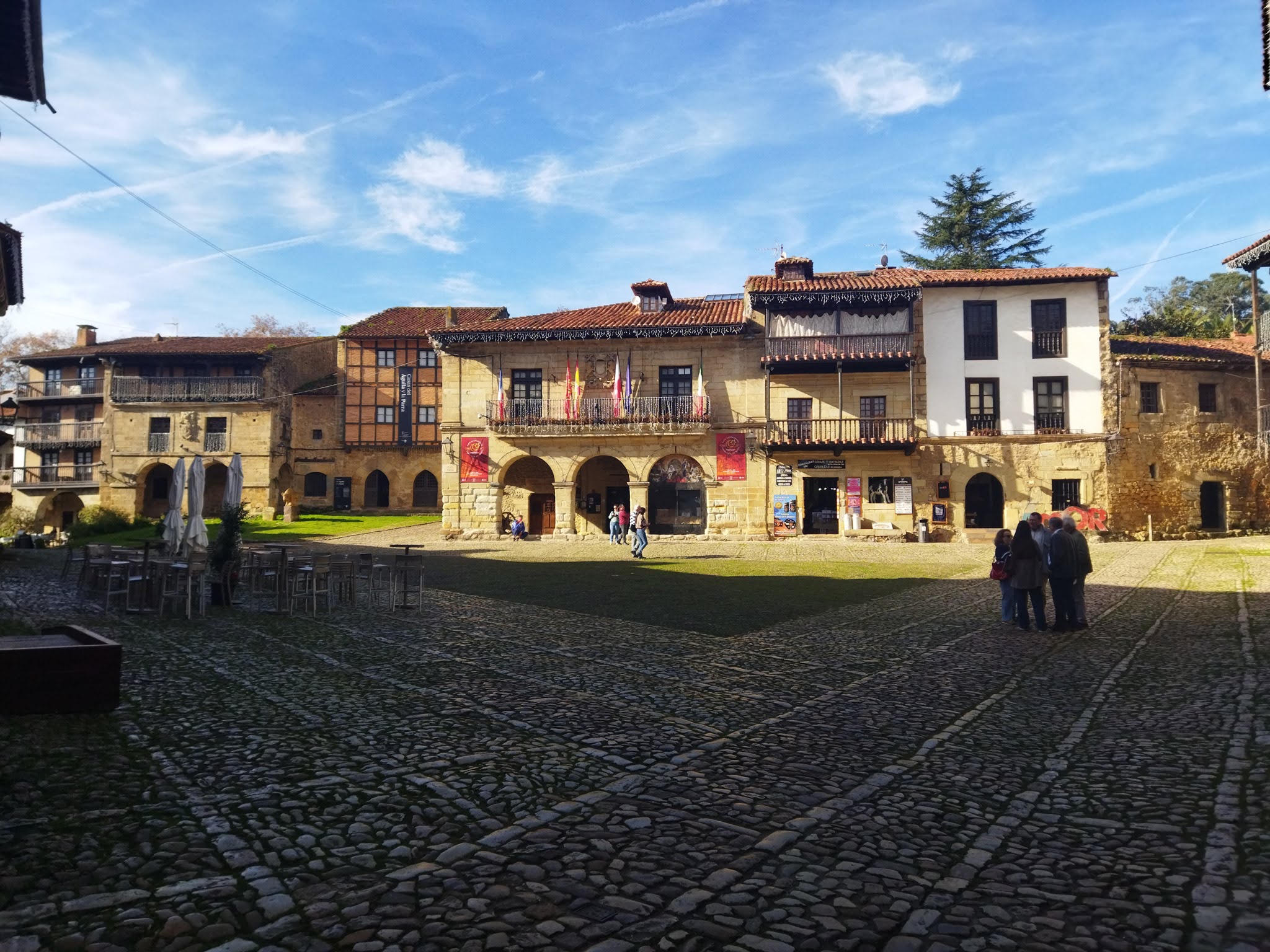
You probably already know that Santillana del Mar lights up at Christmas, but here we want to show you its other side, the one we fall in love with: its cobbled streets and coat-of-arms mansions, free of decorations and crowds, with the imposing Colegiata de Santa Juliana as the star of the show. For us, autumn is one of the best times to stroll through the village at a relaxed pace and take in all its beauty.
Santillana del Mar is one of those places in our home region we never tire of visiting, year after year. It gets huge numbers of tourists in summer, but when autumn arrives everything changes: the streets regain their calm, and it’s a pleasure to wander them without the crowds of the summer months.
Our favourite plan is very simple: stroll unhurriedly through its cobbled streets, sit down for a coffee on one of its terraces and, if we feel like it, stay for lunch. What’s more, if you’re coeliac, you’ll find quite a few restaurants with gluten-free options, so it’s a very easy destination for a getaway without too many complications.
📍 Gluten-free: Restaurante Conde adapts many dishes on its menu and has gluten-free beer (no reservations taken). For dessert, the Las Quintas confectionery has its own gluten-free bakery, with sobaos and quesadas.
Also read: What to see in Santillana del Mar
Glutendtrotter Tip
Many rural restaurants in these villages close on certain weekdays outside high season. Call ahead before you go, especially if you plan to eat in Carmona, Bárcena Mayor or Vega de Pas — you won’t want to arrive and find the door shut.
Seven villages, seven different takes on stone and traditional architecture, and none of them crowded if you choose your dates well. Autumn in Cantabria is, quite simply, the best season to fall in love with its villages at a relaxed pace.
You might also like:
Frequently Asked Questions (FAQs)
What are the most beautiful villages in Cantabria to see in autumn?
Bárcena Mayor, Liérganes, Carmona, Mogrovejo, Comillas, Vega de Pas and Santillana del Mar are seven villages with traditional stone architecture that really shine in autumn, with fewer tourists and especially flattering light for their historic centres.
Where can I eat gluten-free in Carmona, Cantabria?
Restaurante El Puente, at the entrance to the village, has recent reviews confirming its entire menu is gluten-free, and the rural inn in the same building lists it as an official service.
Is Bárcena Mayor accessible by car?
Only residents can drive into the village centre. There’s a car park at the entrance where you can leave your car and explore on foot.
Which restaurant in Comillas is certified by ACECAN?
Ágave Azul, on Plaza de la Constitución, is affiliated with ACECAN (the Cantabria Coeliac Association) and offers an almost entirely gluten-free menu.
Why is autumn a good time to visit these villages?
Because there are far fewer tourists than in summer, the low-angle light is especially good for photographing the stone architecture, and the natural surroundings of parks like Saja-Besaya fill with colour as the leaves turn.