


IIf you’re planning a trip to northern Spain and you’re looking for a destination with medieval charm, mountains and authentic local cuisine, Potes is a must-visit. In this guide, we’ll show you what to see in Potes and the surrounding area, as well as the best things to do in Potes, so you can discover everything this corner of Cantabria has to offer. The capital of the Liébana region, this small town stands out for its well-preserved old town, its spectacular natural surroundings and something unusual for the area: a dry microclimate that makes it pleasant to visit at any time of year.
For us, Potes is one of those must-visit destinations we go back to every year. We love its clean mountain air, the stunning views of the Picos de Europa and, of course, sitting down to a hearty cocido lebaniego. We always find a good excuse to come back!
In this guide you’ll find everything you need to know before visiting Potes: what to see in the town and around it, how to get there, where to eat and when is the best time to go.

Before your trip to Potes and Liébana
🛡️ We never travel without IATI travel insurance, useful even on getaways within Spain if you travel with family or need extra medical cover in mountain areas.
📶 To keep your phone connected across the valleys of Liébana and the Picos de Europa, a Holafly eSIM saves you from losing coverage in the most rural areas.
🚗 And if you plan to get around by car between Potes, Fuente Dé and the Santo Toribio Monastery, compare rental options at Discover Cars.
Why visit Potes: the capital of Liébana and its special microclimate
Potes sits in the heart of the Liébana region, surrounded by the towering peaks of the Picos de Europa. It is a destination that combines history, nature and food within a few square kilometres.
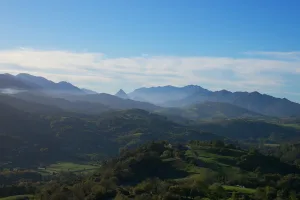
One of its big advantages over other destinations in Cantabria is its dry microclimate. While the rest of the region sees frequent rain, Liébana enjoys a milder, sunnier climate, which makes it a reliable choice all year round.
- It’s the ideal starting point for hiking routes in the Picos de Europa.
- From here you can easily reach the Fuente Dé cable car and the Monastery of Santo Toribio de Liébana.
- Its small size means you can walk around it in a few hours, easily combining it with day trips to the surroundings. If you also want to discover other corners of the region, our guide to the 20 best things to do in Cantabria has more ideas to complete your trip.
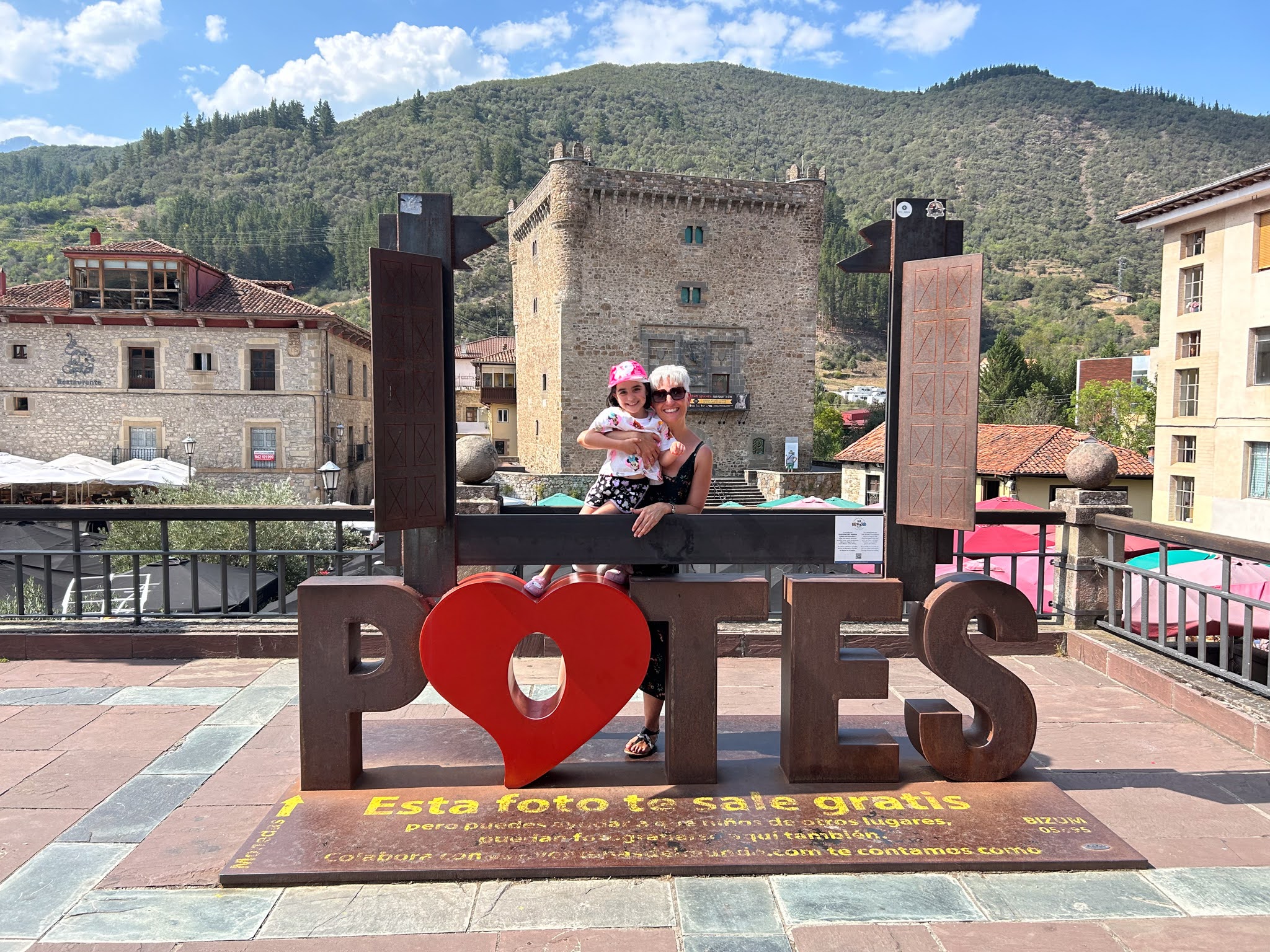
What to see in Potes: the village’s must-sees
Potes’ old town is compact but very rich in heritage. Here are the sights you can’t miss.
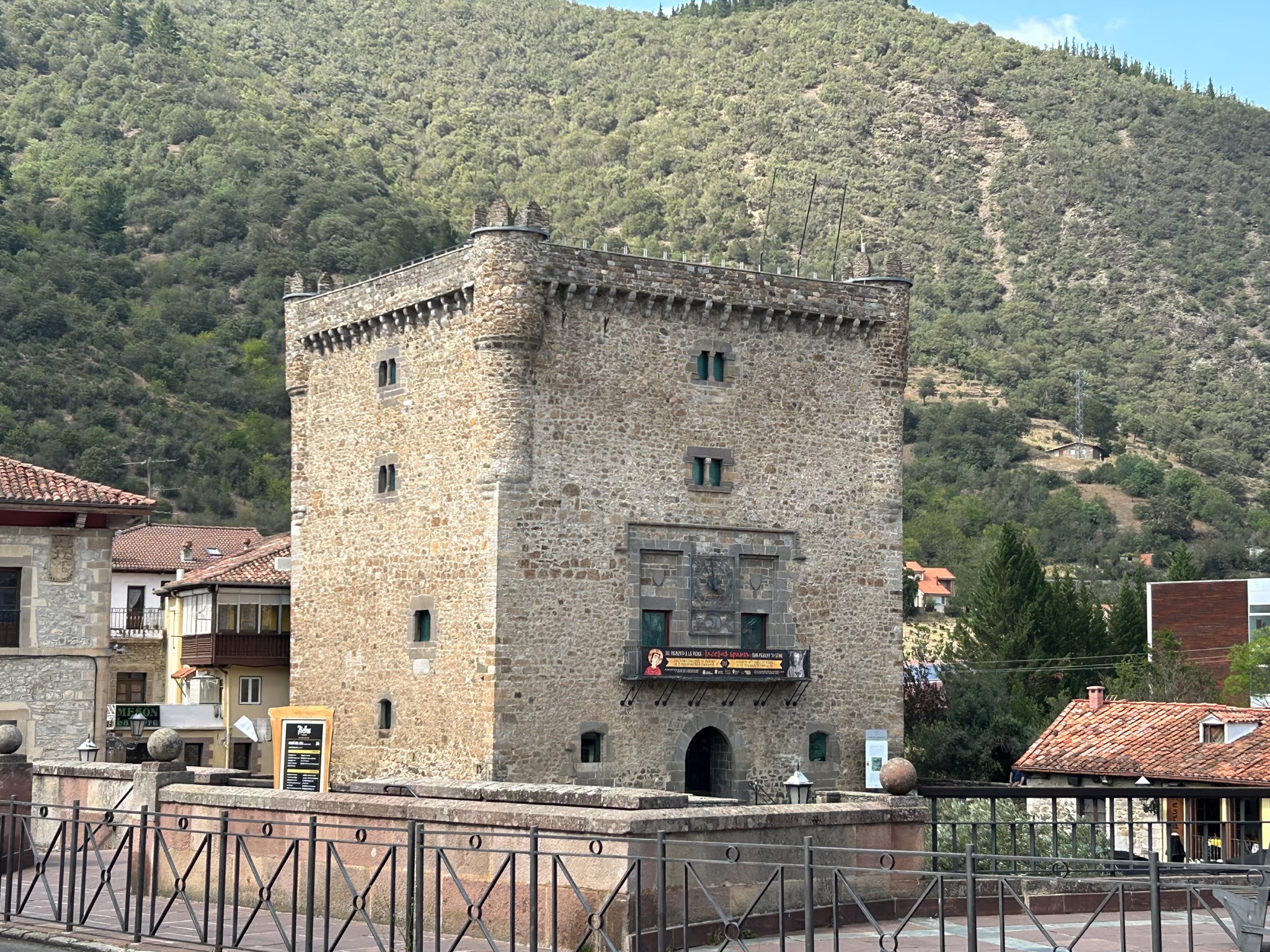
The Torre del Infantado: the symbol of Potes
The Torre del Infantado is Potes’ must-see sight. This 15th-century medieval fortress dominates the town’s skyline and is the most emblematic monument in the Liébana region. Today it houses a cultural space with exhibitions and activities related to local history and culture.
It’s worth coming both during the day, to photograph it in natural light, and at sunset, when the stone takes on especially beautiful golden tones.
The old town and its medieval streets
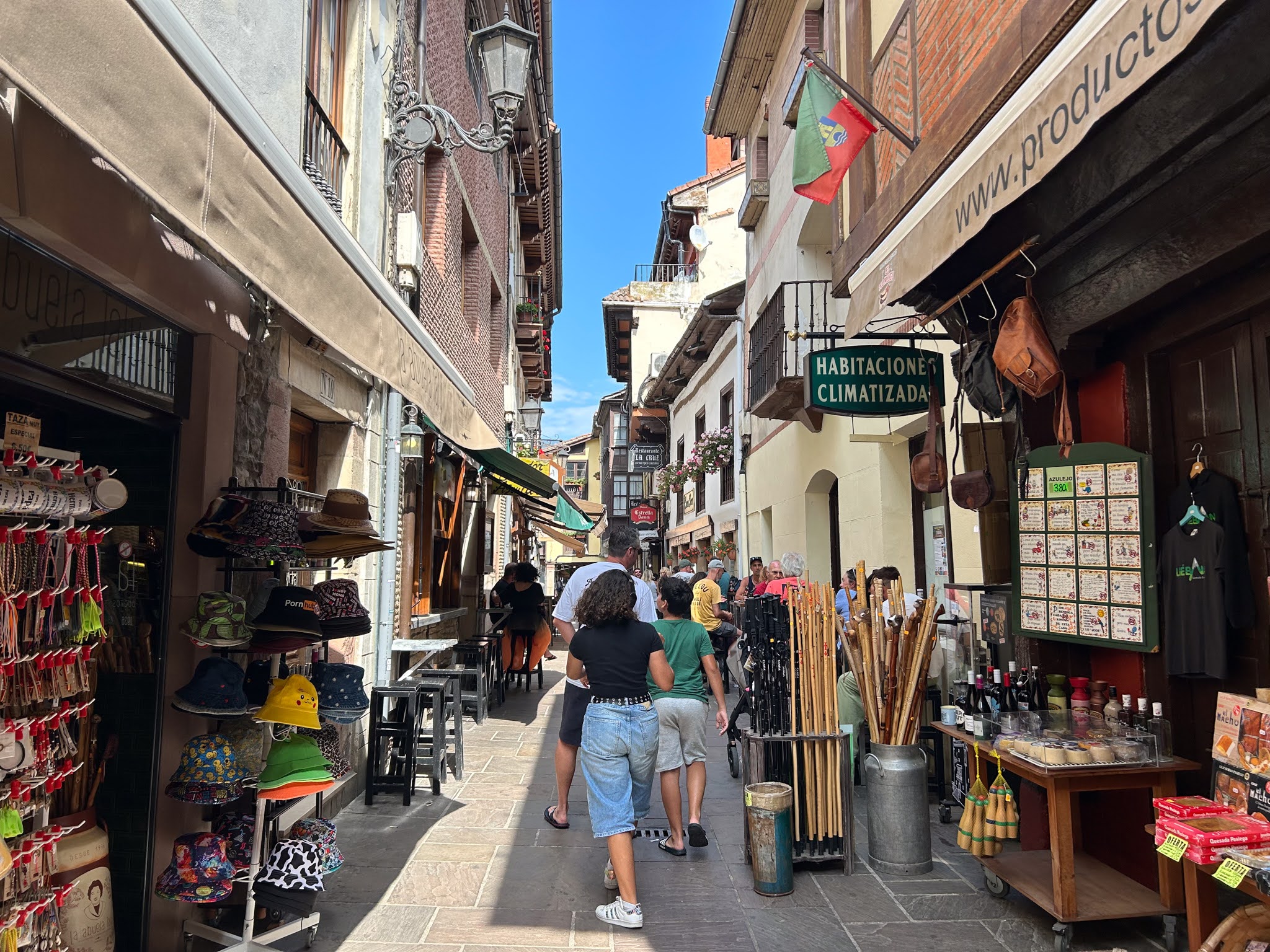
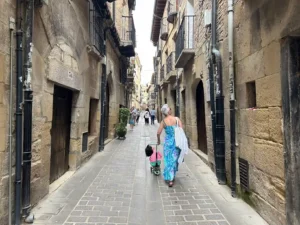
Strolling through the centre of Potes is a pleasure that needs no planning beyond letting yourself go. The cobbled streets, the stone houses with wooden balconies and the lively terraces in the warmer months create an authentic atmosphere that recalls what life was like in the medieval villages of northern Spain.

Don’t miss the orujo cellars and shops scattered around town. Orujo is the local grape-pomace spirit (similar to Italian grappa), an essential part of Potes’ identity and a good chance to take a culinary souvenir home. If you’d rather have a guide, and skip the driving, this day tour from Santander to the Picos de Europa and Potes takes in the Santo Toribio Monastery, Fuente Dé and a short walking tour of Potes, with free time for lunch.
The Deva river and the bridges in the centre
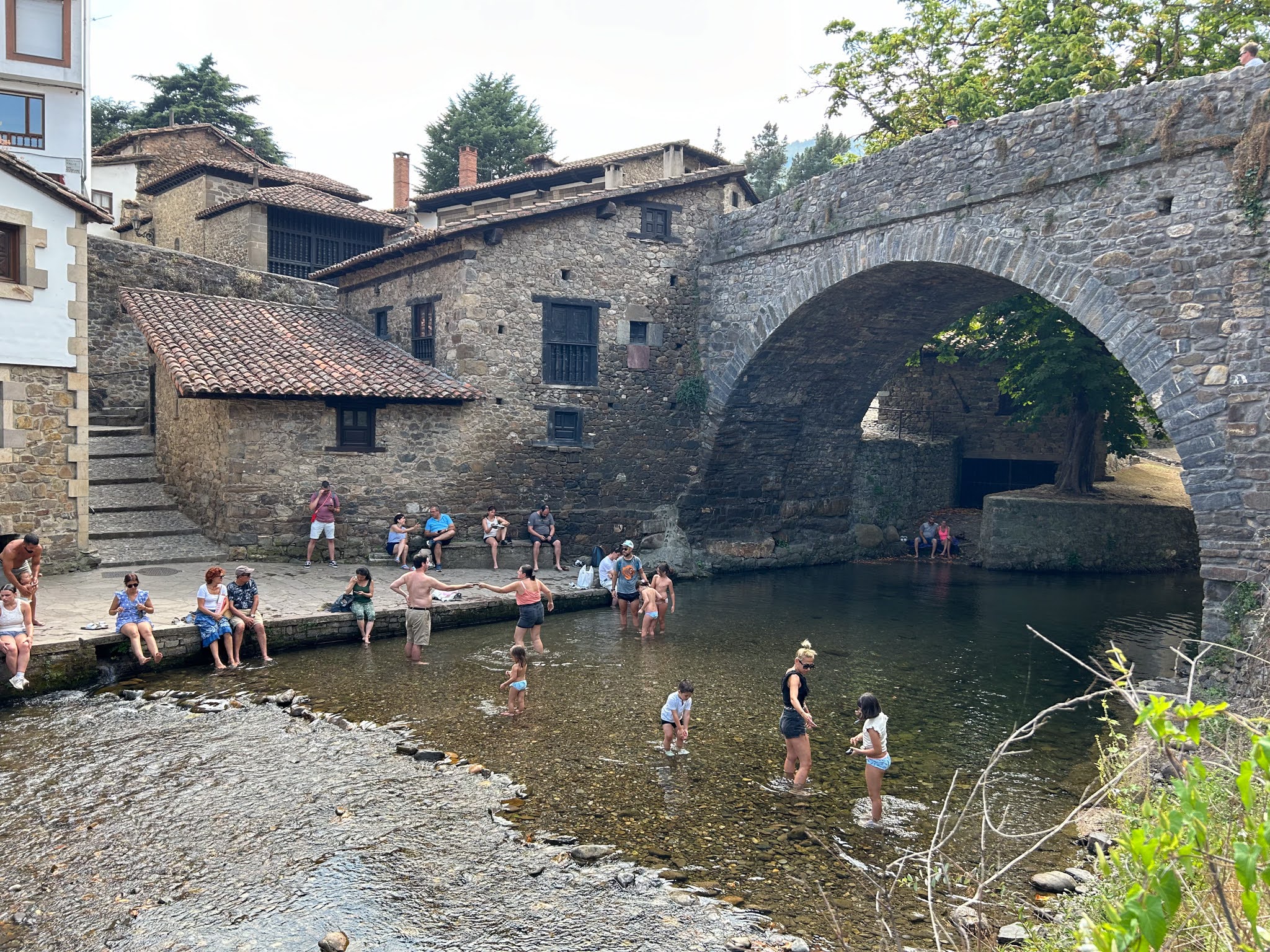
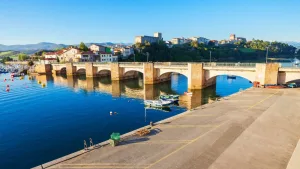
The Deva river runs through Potes and gives it a special charm. The medieval bridge over the Deva is one of the most photographed spots in town, and the riverside walk offers very pleasant views of the old town from a different angle.
We love using the summer days to cool off in the waters of the Deva. The area’s microclimate means that, when the heat is on, a good dip is almost essential. We recommend it for enjoying the summer in the middle of nature!
Must-do day trips around Potes
Potes is a small town, but its immediate surroundings offer some of the most spectacular day trips in Cantabria. Set aside at least one full day to explore the area.
The Fuente Dé cable car: how to avoid the queues
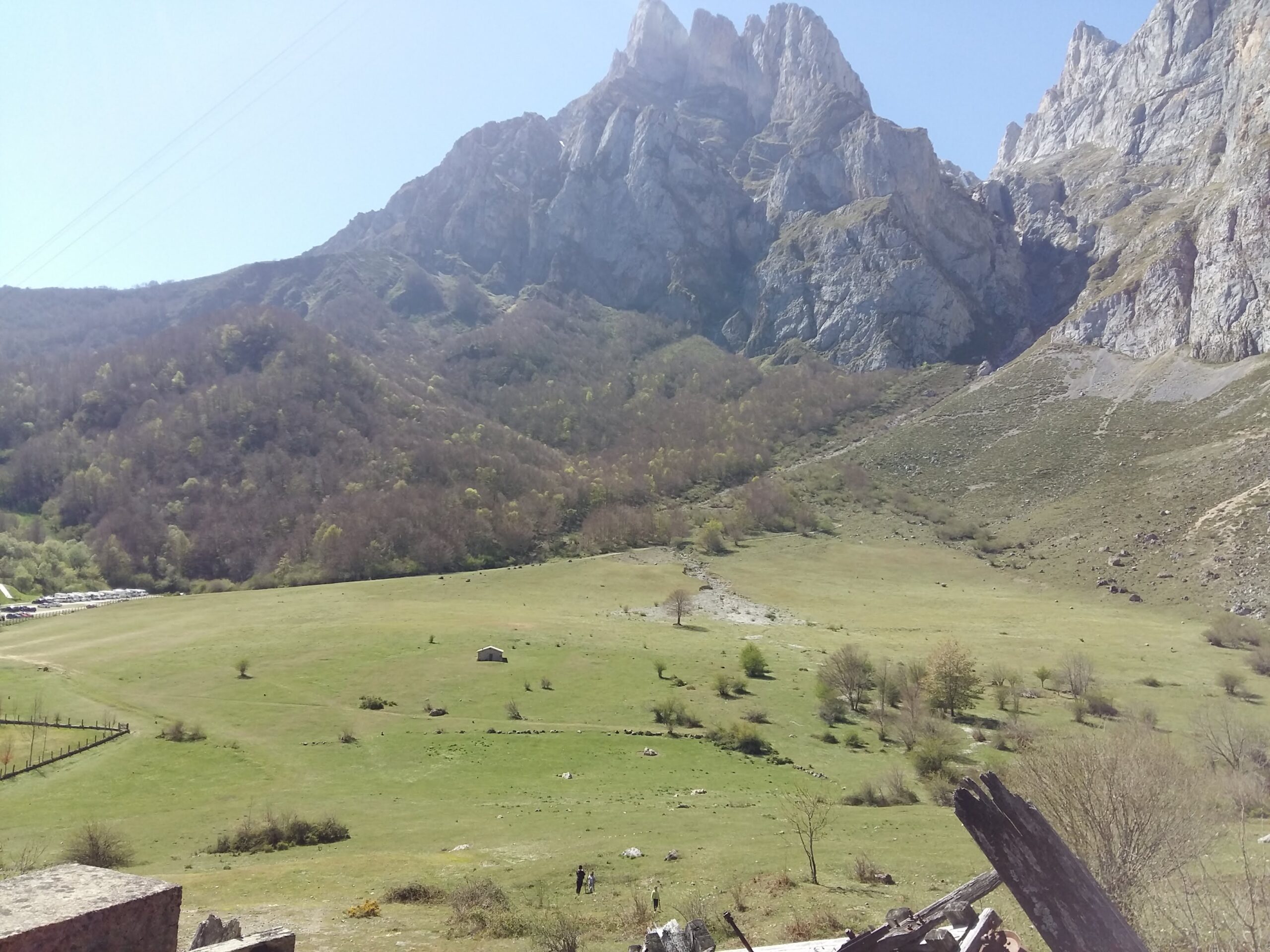
The Fuente Dé cable car is, by far, the most popular excursion in the area. In a few minutes it takes you from the valley floor to more than 1,800 metres above sea level, with breathtaking views of the Picos de Europa.
An important practical tip: buy your tickets online in advance. In summer and on weekends in the shoulder season the queues can be very long, and booking ahead saves you unnecessary waiting. You can book your Fuente Dé cable car ticket in advance, or check the cable car’s official website for up-to-date availability and fares.
You’ll never catch Manuel on the cable car: he’d rather do the 9-hour hike all the way up.
The Monastery of Santo Toribio de Liébana
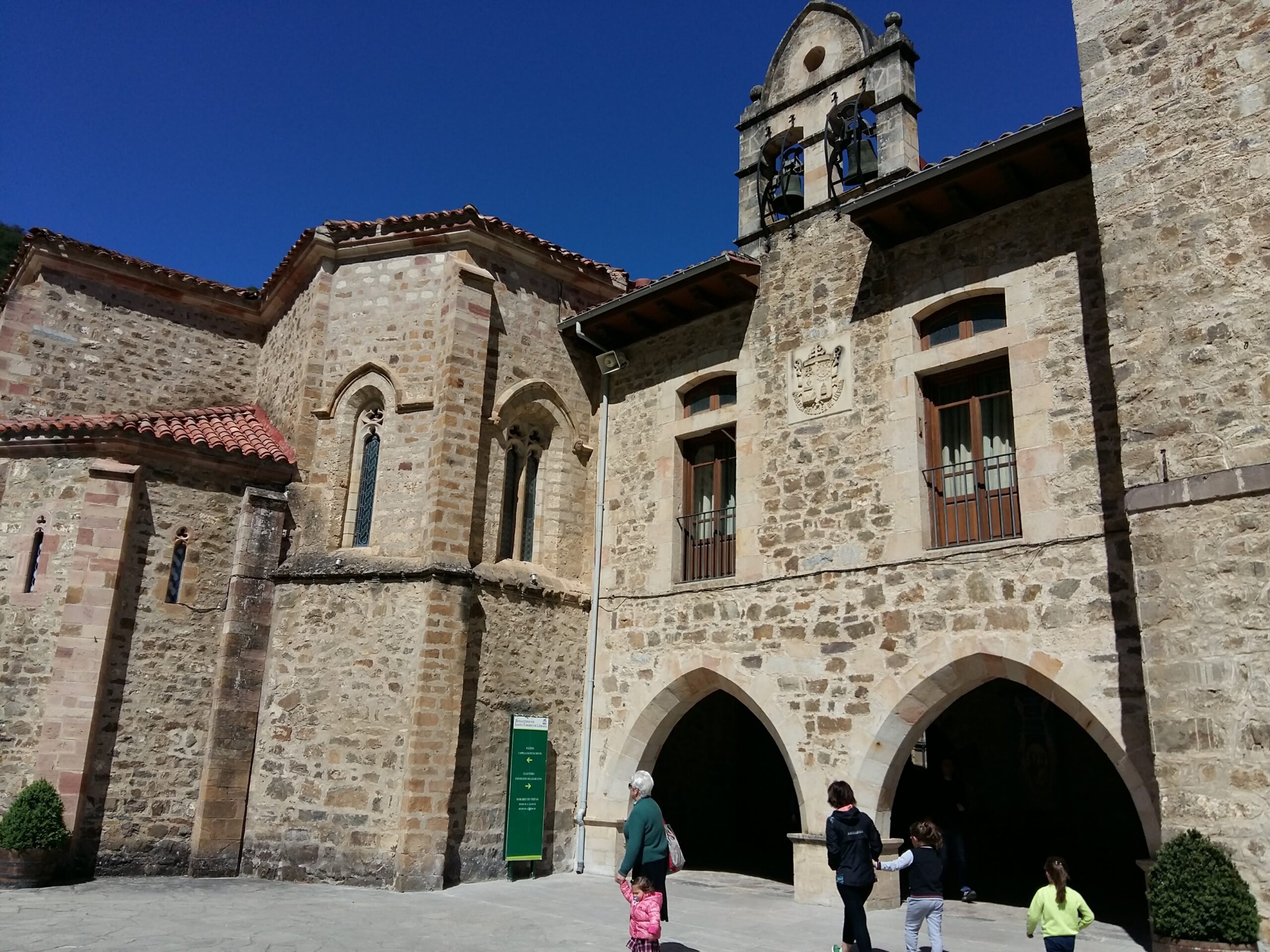
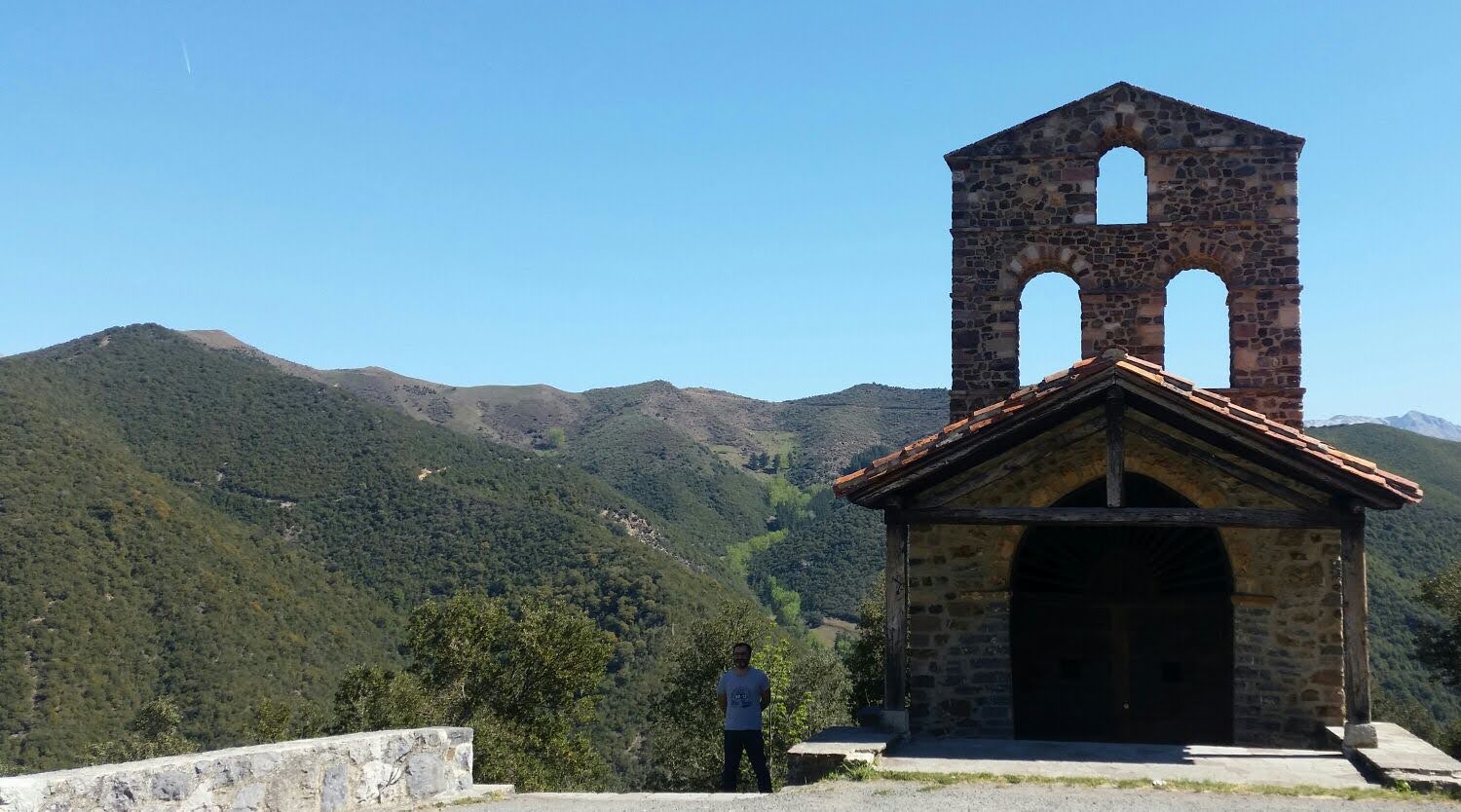
A few minutes from Potes you’ll find the Monastery of Santo Toribio de Liébana, one of the most important pilgrimage sites in Spain and keeper of the Lignum Crucis, considered the largest surviving fragment of the Cross of Christ in the world.
It’s a visit with a lot of historical and spiritual weight that is worth it even if you aren’t especially devout. The natural setting around the monastery is also very pleasant for a quiet walk.
We recommend seeing the Door of Forgiveness, the Lignum Crucis and the altar with the Christ that was painted by one of Manuel’s work colleagues.
Hiking routes from Potes
Several hiking routes of different levels start from Potes and its surroundings. Whether you’re after a relaxed family walk between villages or a more demanding day among the peaks of the Picos de Europa, the area has something for everyone.
- Short, accessible routes along the valley floor, with views of the peaks and the villages of Liébana.
- Mid-mountain routes that let you explore mountain passes and viewpoints with panoramic views.
- Access to the summits of the Picos de Europa for experienced hikers with good equipment.
- If you’d like a different way to explore the area, a horseback ride through the Picos de Europa starts right at the Fuente Dé cable car station, with routes of 1 to 2 hours that also suit beginners.
Check the conditions of each route before setting out, especially in autumn and winter, when the terrain can be slippery or snowy.
How to get to Potes
Getting to Potes takes a bit of planning, especially if you’re not travelling in your own car.
Getting to Potes by car
The car is the most convenient and recommended option for visiting Potes and its surroundings. It lets you move freely between the town, the Fuente Dé cable car, the Santo Toribio Monastery and the hiking routes without depending on timetables.
From Santander the journey takes roughly an hour and a half along the N-621, a road that crosses spectacular scenery as you enter the Liébana region. If you don’t have your own vehicle, renting a car in Santander is a very common alternative. If you have more time, our guide to 7 days in Cantabria shows you how to fit a visit to Potes into a longer itinerary across the whole region.
Getting to Potes by bus
There is a regular bus service between Santander and Potes, as well as from other towns in Cantabria. It’s a valid option for reaching the town, although the timetables are limited and it can make day trips around the area harder.
Keep in mind that there is no train station in Potes, so the bus is the only alternative to a car for those travelling without one.
Where to eat in Potes: Liébana cuisine
Liébana’s cuisine is one of the great attractions of the visit. Potes has several restaurants, bars and cider houses in the old town where you can enjoy the region’s traditional food; if you want to learn more about the dishes of the whole region, our tour of Cantabria’s most famous foods covers the most representative products and dishes of the community.
Cocido lebaniego: what to know before ordering it
Cocido lebaniego is the most representative dish of the area and a culinary experience worth having. It’s a hearty stew made with chickpeas, pork, cecina (air-cured meat), chorizo and typical Liébana cured meats, served in several rounds, in the style of the traditional stews of northern Spain.
Important note for celiacs and people with gluten intolerance: cocido lebaniego usually includes morcilla (blood sausage) and relleno, the latter a stuffing made with fried bread that contains gluten. If you have celiac disease or gluten intolerance, always ask the restaurant before ordering whether they can prepare an adapted version or leave that ingredient out.
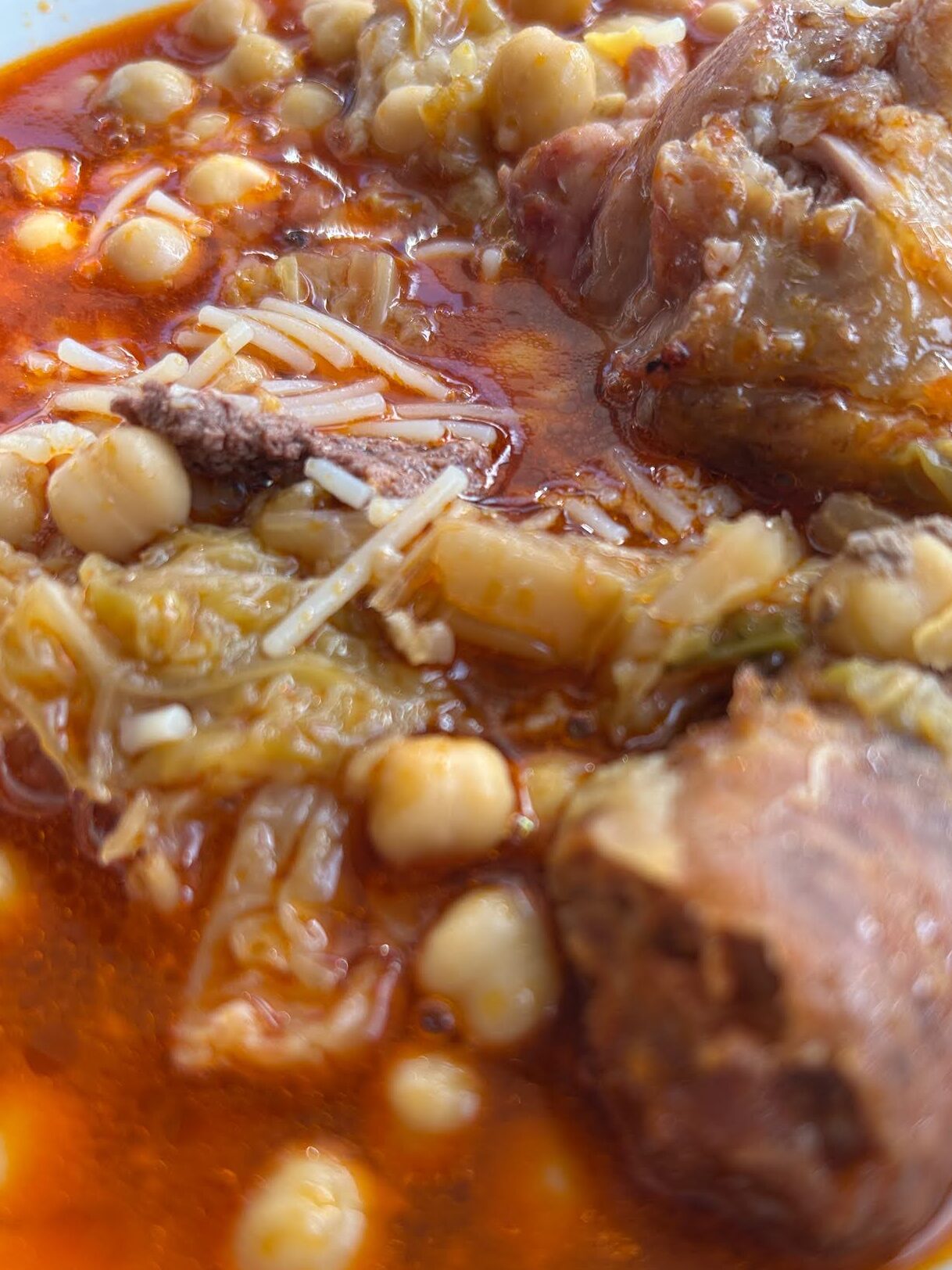
In Potes, Restaurante El Cenador del Capitán (Calle Cervantes, 3) is a reliable option: according to celiac diners themselves, the staff are especially careful about gluten and adapt the cocido lebaniego by replacing the usual pasta with a gluten-free version, as well as offering gluten-free bread with prior notice and several suitable desserts. Even so, since this is not an official certification, it’s best to tell them about your intolerance when you book. We’ve eaten there twice and we recommend it.
Other typical dishes of Potes
Beyond the cocido, the Liébana region offers other products worth trying during your visit:
- Liébana cheese: a cured cheese with an intense flavour, made in the region from cow’s, goat’s or sheep’s milk.
- Cecina and local cured meats: present in many dishes and also served as a nibble.
- Orujo de Potes: the area’s traditional spirit, which we cover in more detail a little further down.
For more verified gluten-free options across the whole region, check our guide to where to eat gluten-free in Cantabria.
The weather in Potes: when to go and what to expect
One of the most frequent questions about Potes is about the climate. The good news is that the weather in Potes is considerably better than in the rest of Cantabria for most of the year.

Thanks to its dry microclimate, the Liébana region gets less rain and more hours of sun than the coast. Even so, being surrounded by mountains, temperatures can vary quite a bit depending on altitude and season.
- Spring and autumn: the most recommended seasons. Mild temperatures, very beautiful scenery and fewer tourists than in summer.
- Summer: high season, with more heat, more visitors and long queues at the Fuente Dé cable car. Ideal if you want a lively atmosphere, but plan carefully.
- Winter: there may be snow in the surroundings, which makes the area spectacular. Always check the state of the mountain roads before setting out.
Traveller tip: Orujo de Potes and how to choose well
Orujo de Potes is the region’s most emblematic spirit and one of the souvenirs visitors look for most. It’s made from grape pomace and has a long tradition in Liébana. You’ll find it in cellars and shops all over the old town.
A practical tip: if you have any intolerance or follow a specific diet, always check the label before buying. Varieties with herbs, cream or other additions may contain ingredients that vary by producer and aren’t always clearly labelled.
Some local producers offer free tastings, or tastings for a small fee. It’s a very pleasant way to compare varieties before choosing one.
If you come on the second weekend of November, you can enjoy it in style: it’s the Fiesta del Orujo (Orujo Festival), a Festival of National Tourist Interest, with public distillation and tastings all over the town.
Summary: Potes, a destination worth much more than it seems
Potes is a small town with a big offer: medieval heritage, top-level nature, authentic food and a microclimate that makes it worth visiting all year round. Whether you’re after a quiet weekend or a base to explore the Picos de Europa, the capital of Liébana is unlikely to disappoint. Plan your Fuente Dé cable car visit well, book a table for the cocido lebaniego and let yourself get lost in its cobbled streets. If you’re looking for more plans in the region before or after your visit, don’t miss our guide with 10 essential tips for traveling to Cantabria.
Frequently asked questions about Potes
What is the most important thing to see in Potes?
The town’s must-see is the Torre del Infantado, the 15th-century medieval fortress that dominates the old town. Alongside it, a stroll through the medieval streets and along the Deva river are essential stops. In the surroundings, the Fuente Dé cable car is the excursion nobody should miss.
How do I get to Potes from Santander?
The most convenient option is to drive along the N-621, a journey of roughly an hour and a half. There is also a regular bus from Santander, although with limited timetables. There is no train to Potes.
Do I need to buy Fuente Dé cable car tickets in advance?
Yes, booking online is highly recommended, especially in summer and on weekends. Queues at the ticket office can be long and make you lose a good part of the day. Check the cable car’s official website for up-to-date availability.
Is cocido lebaniego suitable for celiacs?
Not always. The traditional dish usually includes morcilla and a relleno (stuffing) made with fried bread, which contains gluten. If you have celiac disease or gluten intolerance, always ask the restaurant before ordering; in Potes, El Cenador del Capitán has verified reviews from celiac diners confirming that they adapt it with gluten-free pasta.
When is the best time to visit Potes?
Spring and autumn are the most pleasant seasons: mild temperatures, beautiful scenery and fewer crowds. Thanks to its dry microclimate, Potes can also be visited in winter, although it’s worth checking the state of the mountain roads if there is snow.


