

Let yourself be carried away by paths telling stories from the Middle Ages to the pages of Pereda. Campoo is a visual feast of cultural heritage and a haven for adventurers, from the serenity of the Ebro Reservoir to the slopes of Alto Campoo. At the heart of it all, there are many things to do in Reinosa, a town that welcomes you with its rich history, impressive architecture, and the warmth of its people.
For us, Campoo is more than just a destination; it is part of our history, with Aitana and Paola sharing their Campurrian roots. This article is a tribute to them and to the Pyramid of the Italians, a witness to our family heritage that symbolizes the union of our stories.
Want to enjoy gluten-free cuisine in Cantabria?
Read our post: Where to eat gluten-free in Cantabria
Campoo offers a unique combination of culture, stunning landscapes, and a vibrant local life, ready for you to explore. We recommend traveling through these valleys by car to capture the essence of freedom and discovery. Although getting to Reinosa is possible by train or bus from Santander, having your own vehicle will allow you to easily access all the treasures that Campoo has to offer.
Get ready for an unforgettable adventure.
Come and discover with us what to see in Campoo and its valleys!
Read also: 10 essential tips for traveling to Cantabria

Before your trip to Reinosa and Campoo
Don’t forget to get a travel insurance with IATI (5% discount for Glutendtrotters readers), activate your Holafly eSIM (also with a 5% discount for you) if you’re coming from outside Spain, and book your rental car with Discover Cars to get around inland Cantabria with total freedom.
1. REINOSA
Reinosa, the beating heart of the region. We invite you to explore its old town, where the Church of San Sebastián stands majestically as a treasure of Cantabrian Baroque, dating back to the 18th century. Don’t miss walking along Calle Mayor and venture through Avenida del Puente de Carlos III, where imposing mansions and Baroque palaces await you, capturing the essence of the era.
The Plaza de España is home to the Town Hall, and right in front, you will find the most venerable towers of Reinosa, belonging to the Navamuel and Manrique and Navamuel and Calderón families, sources of 15th-century pride. In addition, you will discover charming houses adorned with glazed galleries, a hallmark of Reinosa.
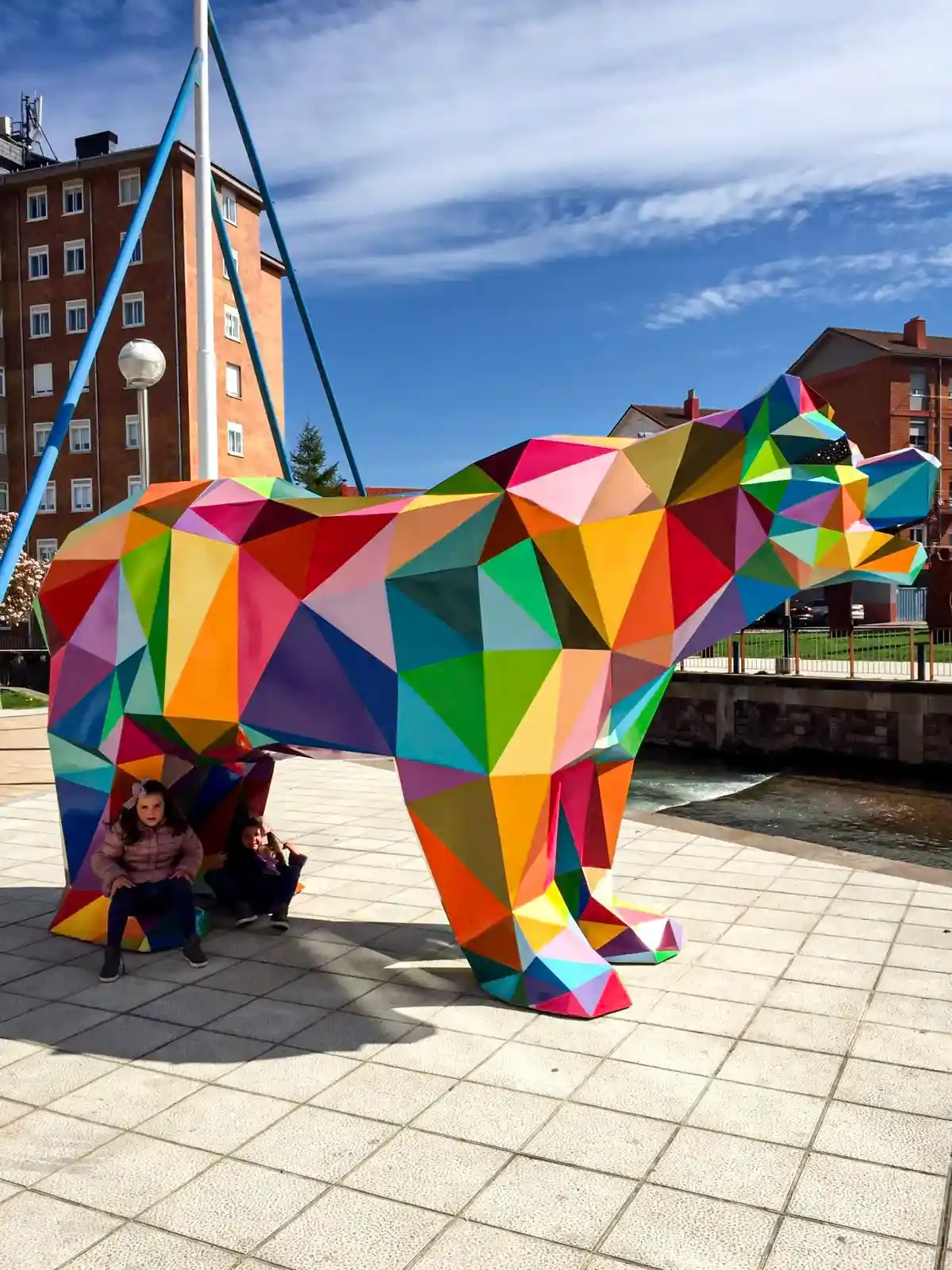
And for fans of urban art, Reinosa is home to a unique piece by Okuda, the renowned Cantabrian artist, who gifts us the vision of a bear right in the city center.
2. ROMANESQUE INTERPRETATION CENTER
In Villacantid, a charming town just 5 km from Reinosa, is the Romanesque church of Santa María La Mayor. This temple not only attracts visitors for its outstanding architectural and artistic value, but also invites you to explore the Villacantid Romanesque Interpretation Center, located inside. A visit here is not only entertaining but also enriching, giving you the opportunity to immerse yourself in the depths of Romanesque art, so highly valued in our country.
3. ROMANESQUE COLLEGIATE CHURCH OF SAN PEDRO IN CERVATOS
For those who, after discovering Villacantid, find themselves thirsty for more Romanesque art, the route takes us to Cervatos. This charming town is located just 6 km from Reinosa along the road toward Aguilar de Campoo.
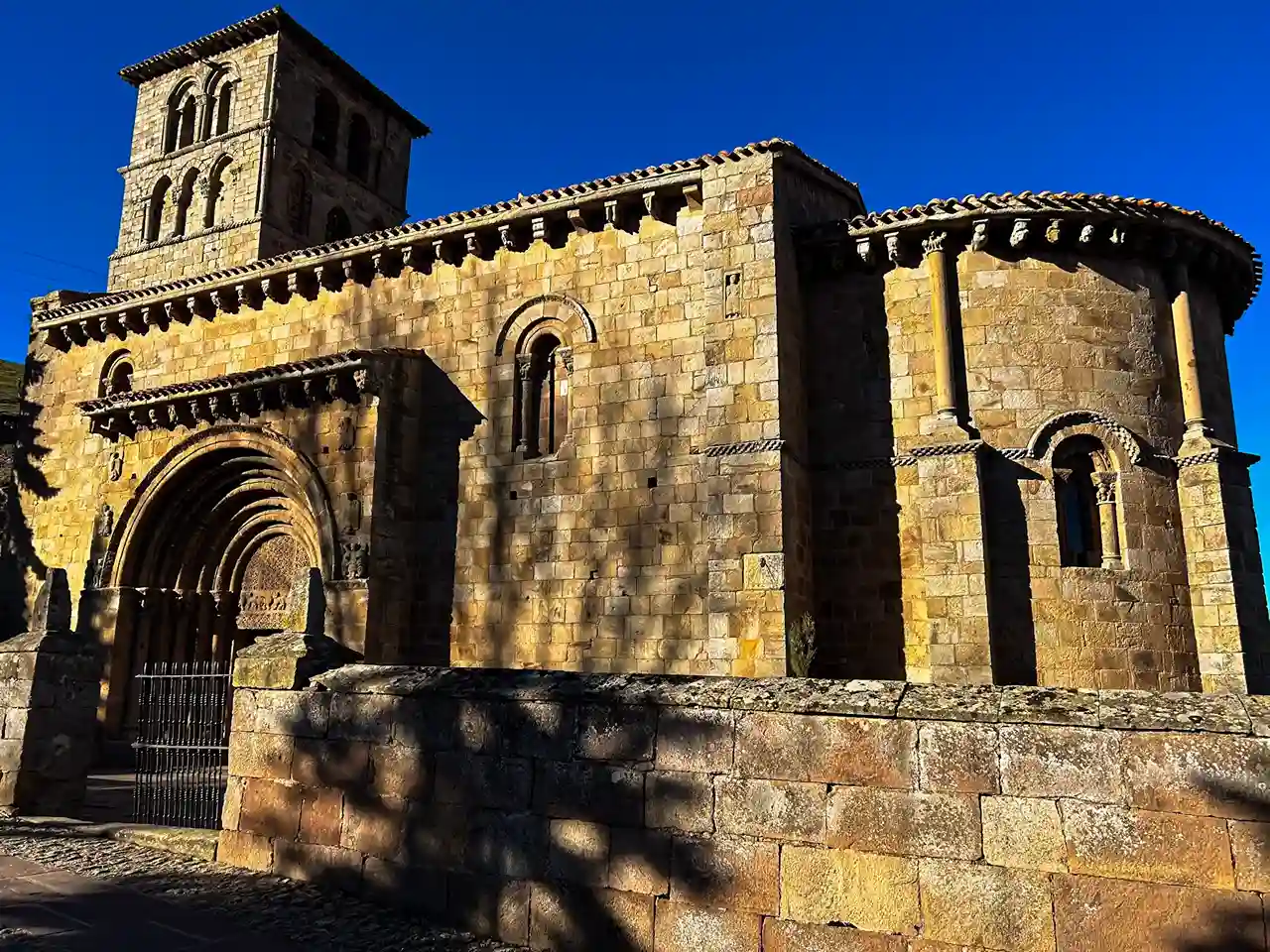
The Collegiate Church of San Pedro in Cervatos is a mandatory stop. This 12th-century church is not only one of the jewels of Romanesque architecture in Cantabria due to the elegance of its facade, but it is also famous for the capitals of the apse and the corbels that adorn the collegiate church, which display erotic figures in a surprising display of art. In fact, this unique and complete collection has earned it the nickname of the “erotic collegiate church“.
This treasure of Cantabrian Romanesque architecture, declared an Asset of Cultural Interest, will leave you amazed.
4. ARGÜESO CASTLE
Our adventure in Argüeso must begin with a mandatory visit to San Vicente Castle, an impressive medieval fortress built on the foundations of an ancient hermitage and composed of two fortified towers connected by a central building, all framed by a wall that once guarded the passage to Castile from the coast through the Saja Valley.
Today, thanks to careful restoration, the castle opens its doors to the public, offering the experience of touring its rooms. From its exterior balcony, you can admire exceptional panoramic views.


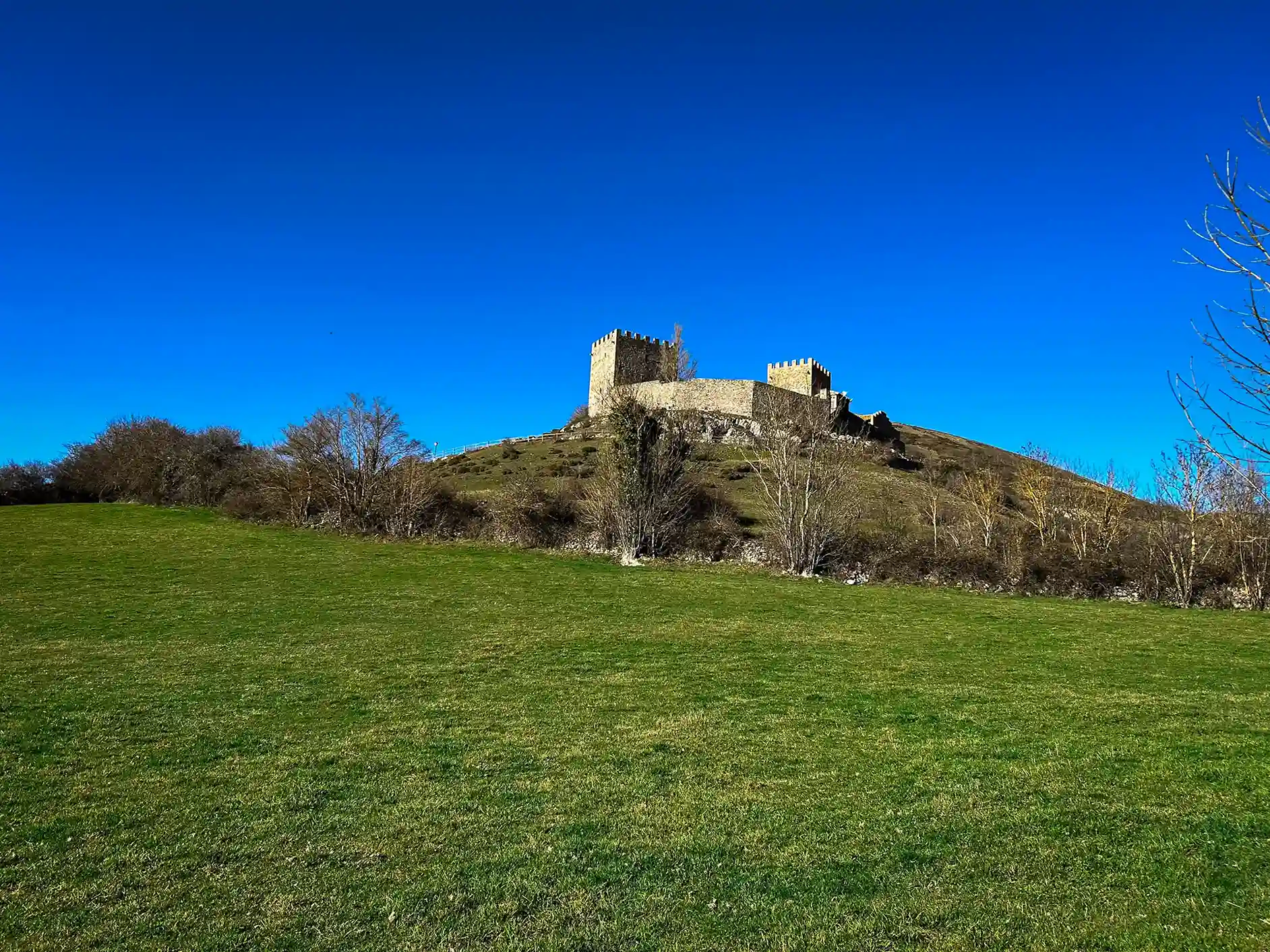
Furthermore, Argüeso Castle is proud to be included among the 80 most prominent castles in Spain, being part of the prestigious Association of Castles and Palaces of Spain.
We advise you to make the climb to the castle on foot; it is simple, and parking space is limited, with room for just 5 or 6 vehicles at the top of the mound.
It is an absolutely fascinating and enriching experience that you should not miss.
5. ARGÜESO CANTABRIAN SETTLEMENT
The next stop on our route is a mandatory visit, especially if you are traveling with children. It is the fascinating Argüeso Cantabrian Settlement, an authentic recreation of a Cantabrian community from the Iron Age. You can see the replica of several Cantabrian hillforts of the time, just as the Romans would have found them during their invasion in the Cantabrian Wars between 29 B.C. and 19 B.C.
This settlement transports us to the past with great precision, from the reconstructed huts to the household goods, furniture, and tools. Thanks to this, the experience becomes a window into the prehistoric way of life and a deep cultural immersion, allowing you to learn closely about the life, beliefs, art, and traditions of the ancient inhabitants of Cantabria.
If you are a snow lover and visit the settlement in winter, you will have the unique opportunity to explore the settlement and its surroundings with snowshoes. If you’d rather dig deeper into the settlement’s history, you can also book a guided tour of the Argüeso Cantabrian Settlement.
6. FONTIBRE
We continue our adventure by heading toward Fontibre, an iconic spot in southern Cantabria and the proud starting point of the Ebro River. To marvel at the beginning of this impressive river, you must head to the Fuentona de Fontibre, home to a charming statue of the Virgin of the Pillar. This place is ideal for enjoying a quiet walk next to the headwaters of the Ebro, accompanied by the freshness and shade of the surrounding trees. In addition, you can enjoy a pleasant picnic in the areas provided with tables along the riverbank.
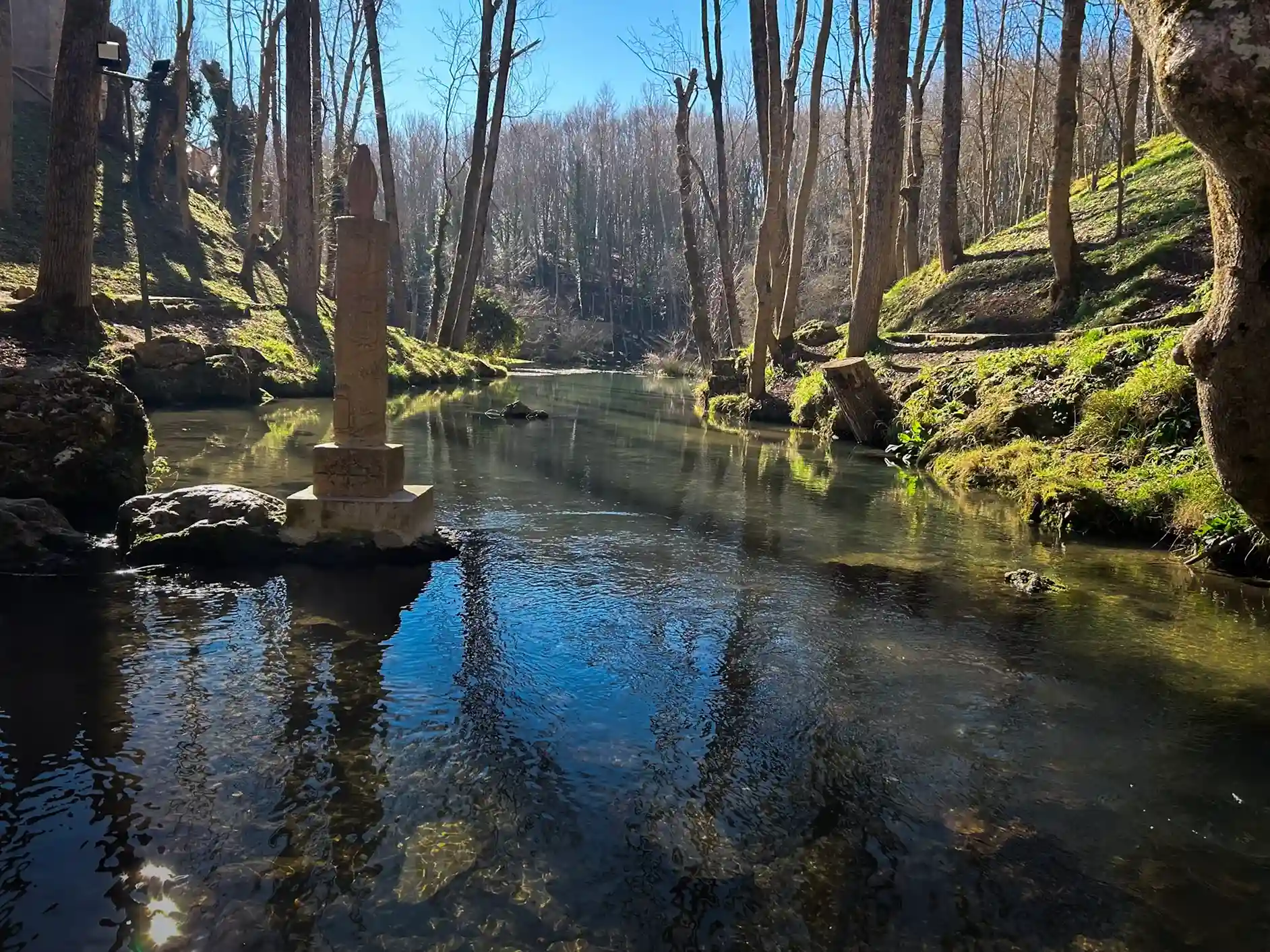
And for those eager to delve deeper into the history and journey of the Ebro from its source to the sea, the Fontibre Interpretation Center offers a fascinating journey through time and the landscape.
7. JULIÓBRIGA ROMAN SITE
On our cultural tour, it is essential to stop at the Julióbriga Roman Site, located in Retortillo.
Julióbriga sits on a rise and holds the title of the most significant Roman city in Cantabria. Its name pays tribute to Julius Caesar as “the fortified city of Julius.”
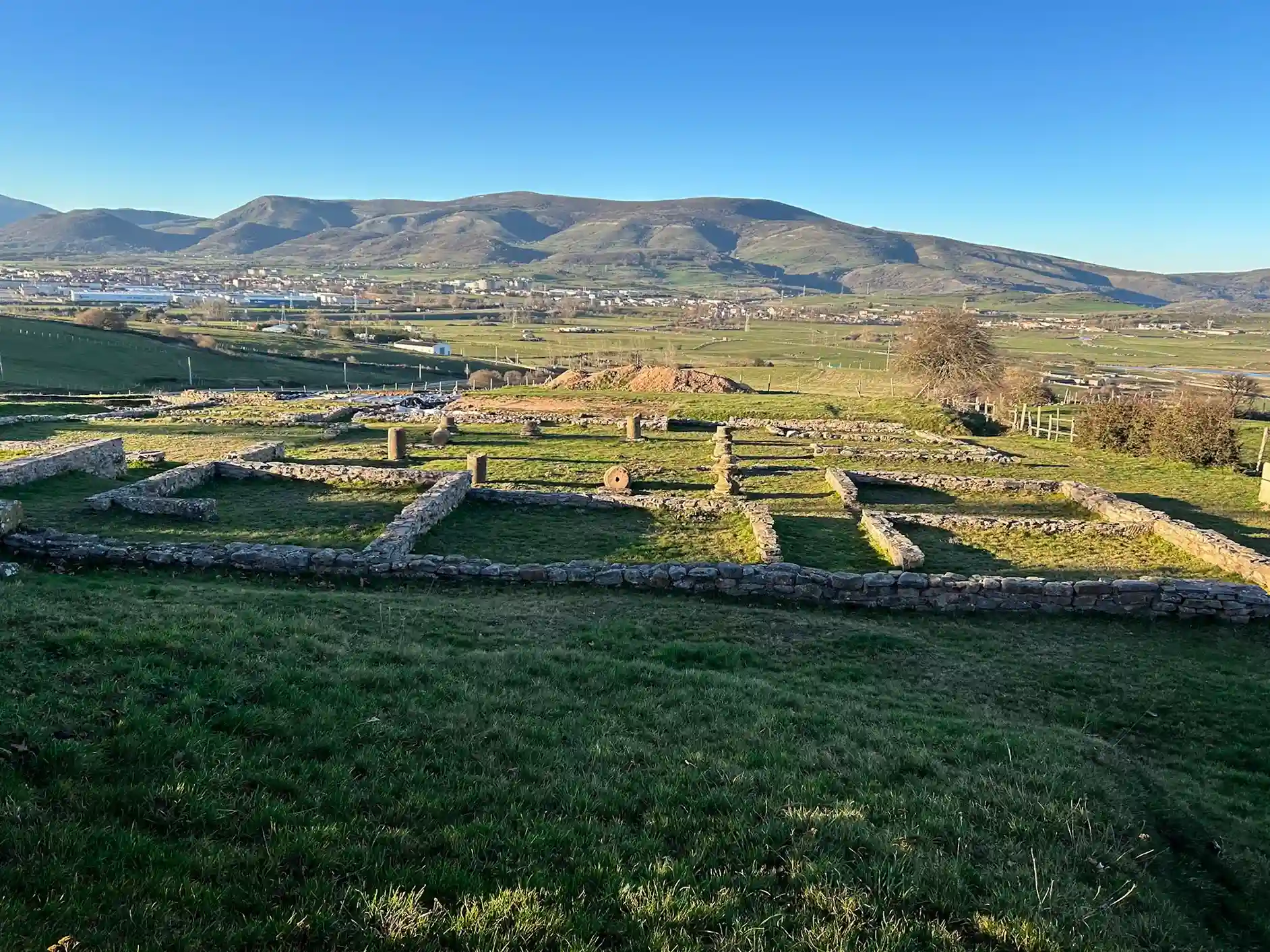
During the visit, we will have the opportunity to admire the vestiges of the city, including the forum, public areas, and a set of modest dwellings. Additionally, there is the possibility of participating in a guided tour of the Domus, including the House of the Morillos, a recreation of an affluent family home, providing a fascinating window into daily life of the era.
Finally, on the foundations of the old Roman forum stands the 12th-century Romanesque church of Santa María de Retortillo. If you decide to climb its stairs, you will be rewarded with impressive views of the Roman remains.
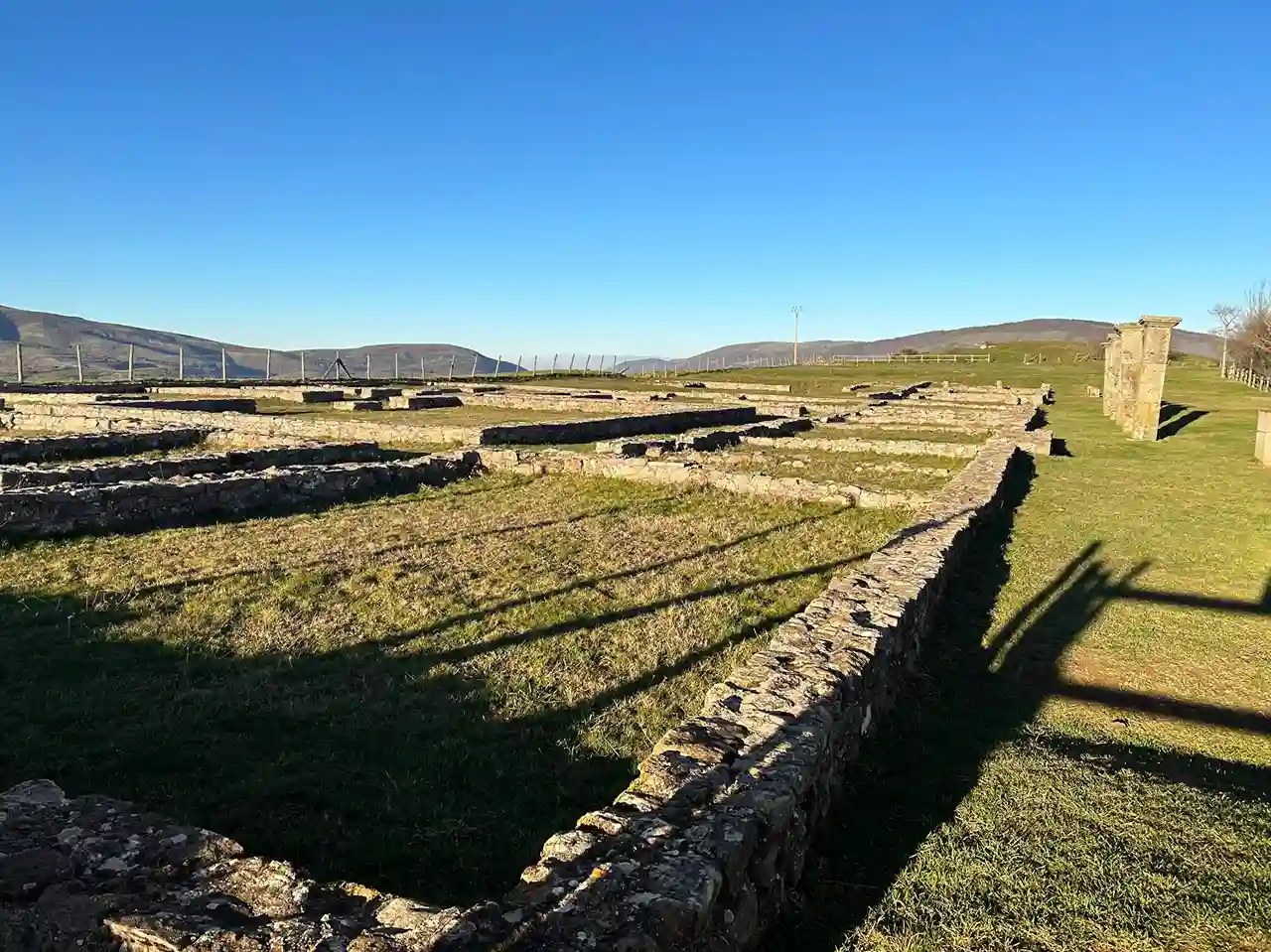
If you are passionate about the mystery of past civilizations and love the idea of walking where they walked, add Camesa-Rebolledo to your must-see list; just a 25 km hop south of Reinosa, the Camesa-Rebolledo Archaeological Site awaits you.
Here, among the secrets yet to be discovered, lie the remains of what was a luxurious Roman villa. This site, which shared an era with Julióbriga, served as a link on the Roman road that connected the north and south. And there is something even more exciting: it is suspected that this could be the location of the mysterious Roman city of Octavioica.
We are not done yet, follow us, there are still incredible places to see in Campoo, don’t you believe it?
8. EBRO RESERVOIR
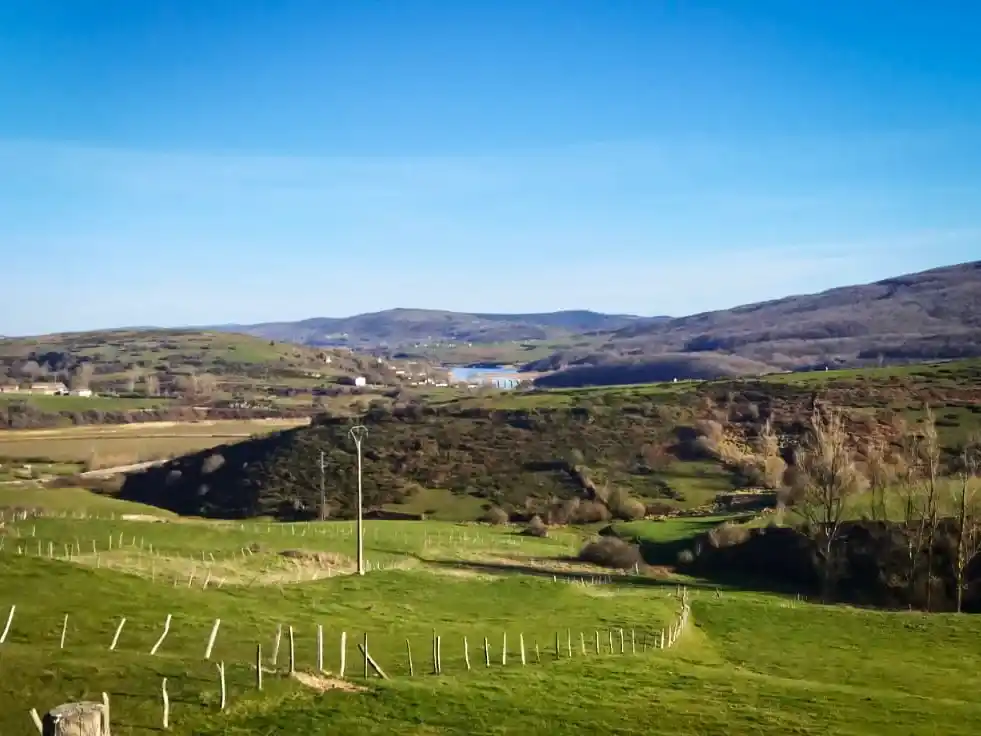
This aquatic giant, also known as the Arija Reservoir, which stretches majestically between Cantabria and Burgos, is among the largest in northern Spain. Built in the 1920s and 1940s, this reservoir was designed to tame the waters of the Ebro River.
The Spanish Ornithological Society (SEO) classifies it as a paradise for waterfowl, attracting both wintering species, which flee the freezing north, and nesting species, which leave for Africa at the first sign of bad weather in these parts.
But that’s not all; the Ebro Reservoir is the perfect place to venture into water sports such as kitesurfing, rafting, or even enjoying a relaxing day of fishing. Imagine a “beach” day or delighting in the contrast of the green meadow against the deep blue of the water.
Don’t miss the Cathedral of the Fish, the bell tower of the submerged church of Villanueva de las Rozas. Climb to its top for unforgettable views of the reservoir. And for something unique in Cantabria, visit the Pyramid of the Italians, a monument to Mussolini’s soldiers who fell in the Civil War, with a history as tragic as it is fascinating.
Continue your adventure in Corconte, where in addition to walking and relaxing in the thermal waters of the Spa, you can soak up the history and nature of the reservoir at the Visitor Center.
Finish your exploration in Orzales, and if you are not gluten intolerant, don’t forget to try one of the most delicious breads or empanadas in the region.
9. ALTO CAMPOO
This snowy corner, anchored in the Hermandad de Campoo de Suso, Cantabria, and just 24 kilometers from Reinosa, is the pride of the upper Campoo valley. It is not only the only ski resort in Cantabria, but also one of the jewels of the northern peninsula, attracting skiers from neighboring regions such as Castile and León and the Basque Country.
Brañavieja not only lends its name to the resort but is also a picturesque town located more than 1600 meters above sea level, where history and nature embrace. Here, surrounded by ancient glacial valleys and crowned by imposing peaks such as the Pico Tres Mares, where three great watersheds of Spain meet, you can glide down slopes that wind through postcard-perfect landscapes.
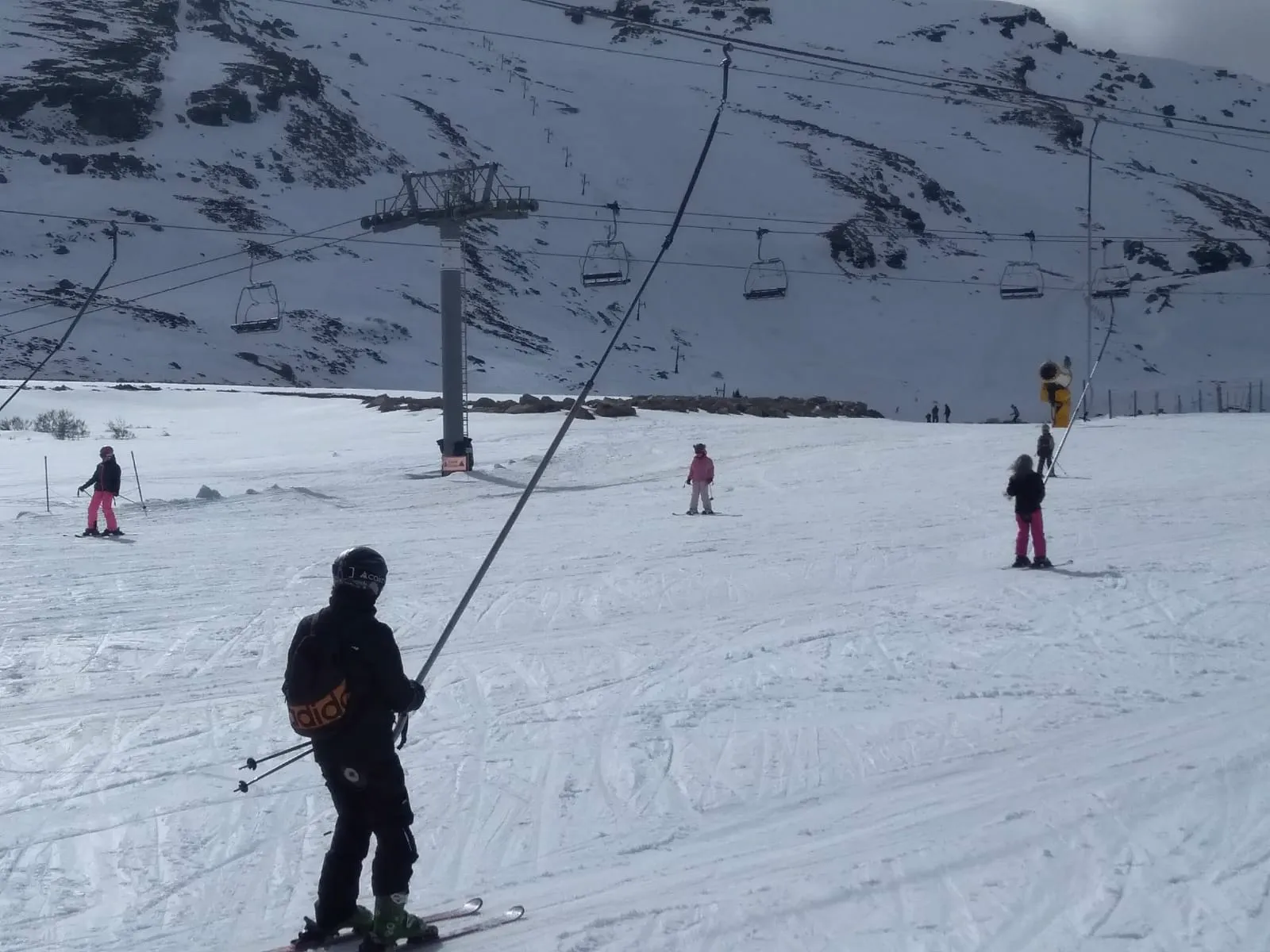
In addition to the thrill of skiing, Brañavieja and its surroundings are a natural sanctuary of heather, gorse, and grasslands, home to the Tudanca cow, an indigenous breed with exceptional meat. Birch and beech forests, along with holly and yew trees, adorn the riverbanks, while from the Fuente del Chivo viewpoint, the views of the Campoo valley are simply spectacular.
The history of Brañavieja may be brief, dating back to the 50s when the ski resort was born, but today it is a vibrant tourist center, full of life in both winter and summer.
10. LOCAL FESTIVITIES
In Reinosa, the party never stops! We start the year with the festival of San Sebastián, the beloved patron saint of the city, who every January 20th invites us to a railway pot contest accompanied by wine directly from the fountain in the square. A perfect way to keep the cold at bay!
When September 21st arrives, it is San Mateo’s turn, where the livestock fair and the bowling contest take center stage. But, between us, the nighttime street party and the float parade are the real magnet, becoming one of the must-see events for young people from all over Cantabria!
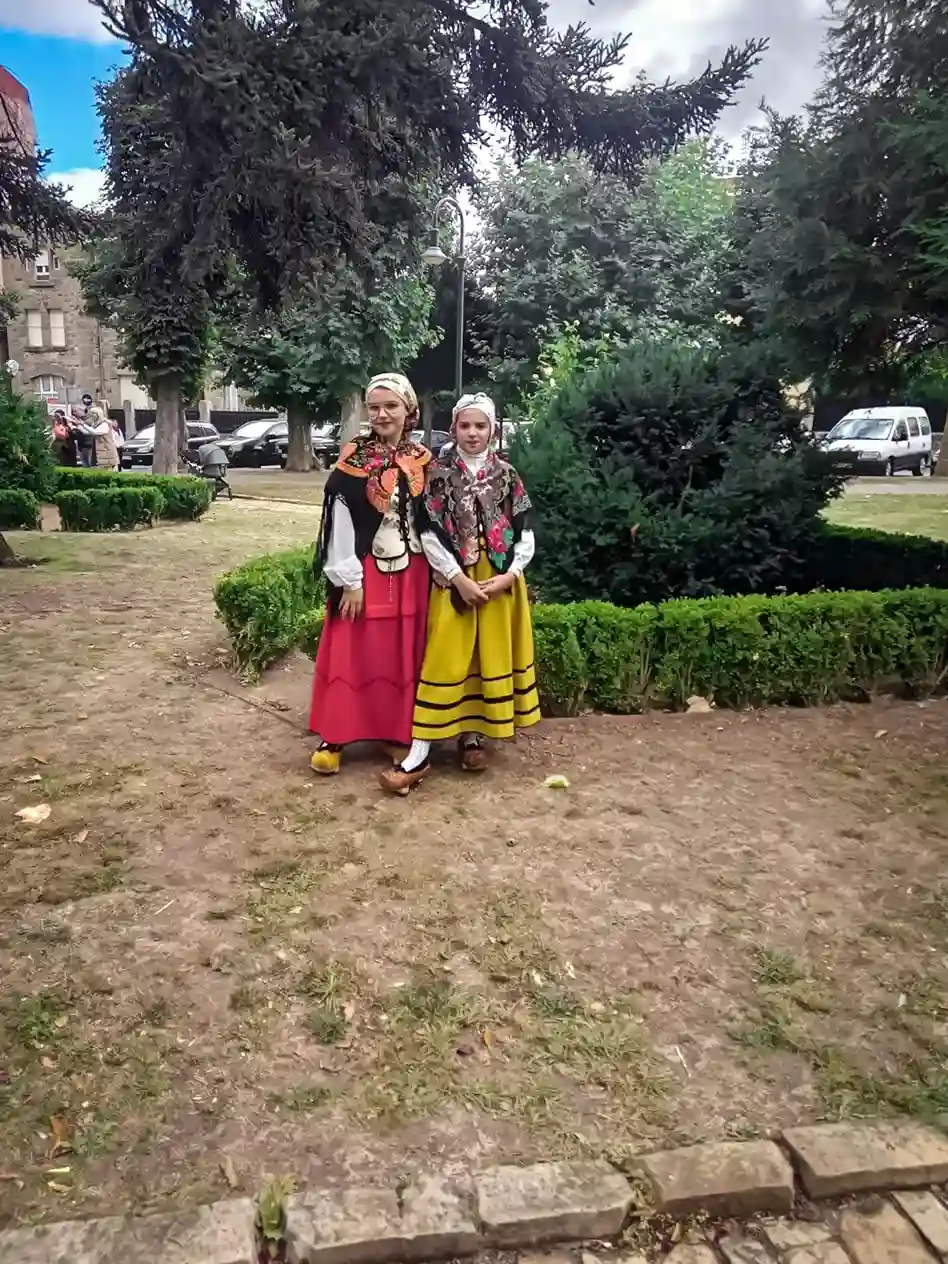
But those who know me know that my favorite Campurrian festival is the Day of Campoo, the last Sunday of September, a spectacle of traditions and folklore of Campoo and Cantabria, with a parade of carts and the streets full of Campurrianos dressed in typical costumes. It is pure magic, and due to its charm, it has been declared of Tourist Interest.
WHERE TO EAT GLUTEN-FREE IN REINOSA
Discover the unique flavors of southern Cantabria; Campurrian gastronomy is clearly distinguished from the rest. Among the delicacies that you cannot miss are the railway pots, an essential dish for cold winter days. The region’s beef and mushrooms, both with a rich culinary tradition, are other star products.
The Restaurante Fuentebro, located in Fontibre, welcomes you with exquisite decor and the warm atmosphere of its fireplace, while the Pizzería La Mole, in the heart of Reinosa, surprises you with its modern style.
Both establishments offer delicious gluten-free options on their menus, guaranteeing excellent service for all their guests. However, they do not belong to the Cantabria Celiac Association, so they cannot guarantee the absence of cross-contamination.
Another option worth considering is Restaurante Tres Mares, in Reinosa itself (Avenida Cantabria, 4), which according to the Celicidad restaurant database offers gluten-free desserts and several adapted dishes on its daily menu. As with the other two, we recommend calling ahead to confirm what they can prepare for you.
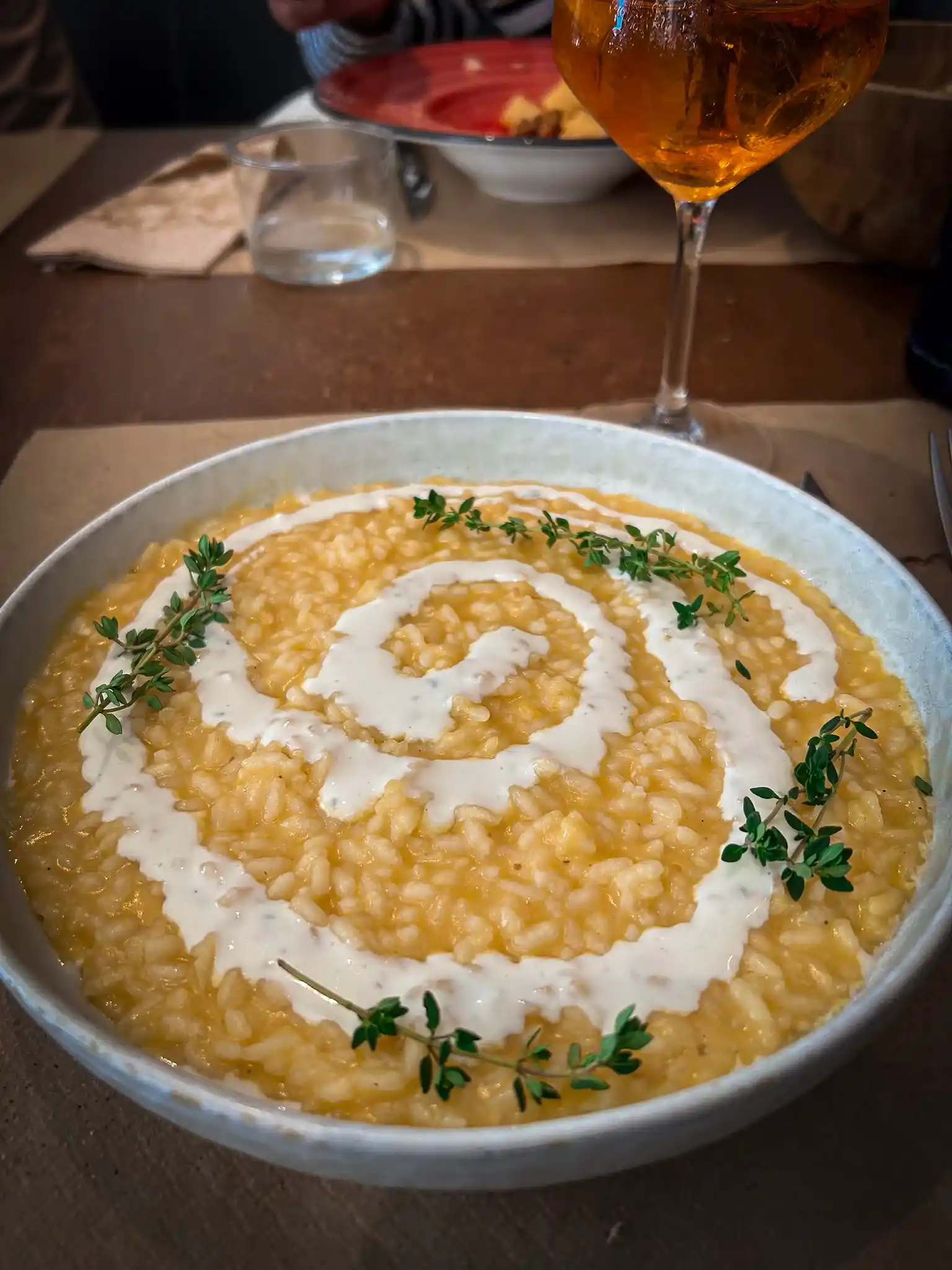
When it comes time to enjoy dessert, Reinosa invites you to try its renowned puff pastries, with the pantortilla being the city’s signature sweet. For those who prefer something better known without sacrificing the authentic local flavor, Campurrian cookies, made in Reinosa, are a must on any table. Although unfortunately, we have not yet found gluten-free versions of these products, we take this opportunity to appeal to Campurrian artisans, hoping that soon we will be able to taste these delicacies adapted for everyone.

Read also: Cantabria and Gastronomy: a tour of the best dishes and products
And so we conclude our tour of Campoo, a land of contrasts, history, and nature, where every corner has something special to offer.
Campoo reveals itself as an unparalleled destination; it is not just a place to visit, but a world to discover, full of stories, landscapes, and flavors waiting for you. Don’t miss the opportunity to immerse yourself in this unique experience, where adventure and tranquility meet in perfect harmony.
See you in Campoo, glutendtrotters!
You might also be interested in reading these posts:
What can you do in Reinosa and Campoo?
Reinosa and Campoo combine nature and history: you can explore Reinosa’s historic centre, visit Argüeso Castle and the Argüeso Cantabrian Settlement, discover the Roman site of Julióbriga, walk along the source of the Ebro River in Fontibre, try water sports at the Ebro Reservoir, or ski at Alto Campoo, Cantabria’s only ski resort.
How long does it take to get from Santander to Reinosa?
Reinosa is about 74 km (46 miles) from Santander, roughly a 54-minute drive along the A-67 motorway (Autovía Cantabria-Meseta). You can also get there by train or bus from Santander.
When can you ski at Alto Campoo?
Alto Campoo is Cantabria’s only ski resort, and its season usually opens in December and runs through March or April depending on snowfall each year; the 2025-2026 season, for example, closed on April 6, 2026. We recommend checking the resort’s official snow report before you travel.
Is Campoo a good destination to visit with children?
Yes. The Argüeso Cantabrian Settlement is an especially recommended visit with kids, since it recreates a Cantabrian Iron Age community in a very visual way, and in winter you can explore it with snowshoes.
Where does the Ebro River begin?
The Ebro River begins in Fontibre, in southern Cantabria. You can visit the Fuentona de Fontibre, the spring that gives rise to the river, and the Fontibre Interpretation Center to learn about its journey to the sea.
Where can you eat gluten-free in Reinosa?
In and around Reinosa you can eat gluten-free at Restaurante Fuentebro (Fontibre), which states on its official listing that it offers options for celiac diners; at Pizzería La Mole, in central Reinosa; and at Restaurante Tres Mares, which according to Celicidad offers gluten-free desserts and adapted dishes. None of them belong to the Cantabria Celiac Association, so we recommend always letting them know when you book.


