


Most famous foods in Cantabria are closely tied to the region’s identity, and to show you why, we invite you on a journey through the best dishes made with the unique products of la tierruca. This culinary trip will take you from the distinctive flavors of the Cantabrian Sea to the hidden corners of the caves where exceptional cheeses are aged. Join us to explore the delights that define Cantabria, a true culinary treasure in northern Spain.
Traditional Cantabrian dishes are known for their abundance of fresh fish and seafood, caught along the region’s extensive coastline, as well as trout and salmon from its crystal-clear rivers. The region is also famous for its high-quality meat, sourced from cattle grazing in the Pasiegos Valleys or the Picos de Europa. In addition, Cantabria takes pride in its vegetables and produce, grown in fertile land that gives every dish freshness and flavor. These typical dishes are also known for being hearty and protein-rich, perfect for facing the cold northern winters.
We can’t forget Cantabria’s exquisite pastries and desserts, where every sweet is made with the freshest, most natural ingredients. Are you ready for a gastronomic route through Cantabria? We’ll guide you on where to eat and in which towns you can find these delicacies. And if you need gluten-free options, we’re here to help you enjoy the full experience.
Come and discover with us the rich gastronomy of Cantabria, dish by dish and village by village, without leaving a single gluten-free flavor behind along the way.

Before your Cantabria food trip
To get around freely between villages, cheese dairies and cider houses, consider renting a car. Don’t forget to get travel insurance with IATI (5% off for Glutendtrotters readers) before you leave home, and if you’re coming from outside Spain, activate your Holafly eSIM (also 5% off) to have data from the moment you land.
Cantabrian anchovies
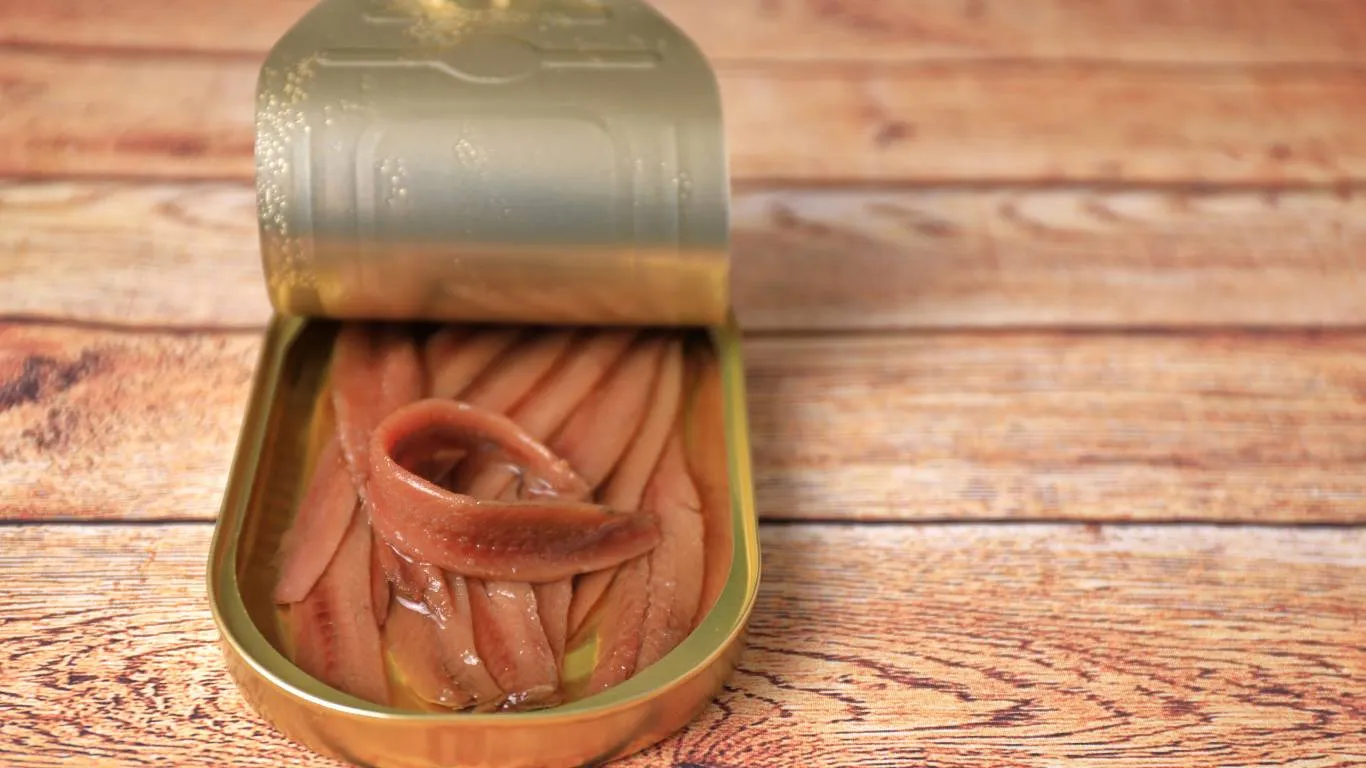
When this outstanding product from Cantabria is mentioned, Santoña anchovies are the first that come to mind, although they are also produced in other fishing towns such as Castro Urdiales and Laredo. However, Santoña is widely recognized as the birthplace of the most famous anchovies.
History
The history of anchovy production in Santoña dates back to the mid-19th century, when Italians, already experts in salting since Roman times, were forced to search for new fishing grounds far from the Mediterranean. Northern Spain became one of those privileged locations. The Italians came to Santoña not only to fish, but also to transform and preserve bocarte—the fish used to make anchovies—using their traditional salting techniques in industrial facilities, thus boosting the local industry.
WHERE TO EAT ANCHOVIES
Most of the production is still carried out traditionally, by hand, by our “sobadoras,” as the women who work cleaning anchovies in canning factories are known. This work requires great skill and dexterity to clean, behead, and fillet the anchovies efficiently and precisely, a process that is essential to ensure the quality of the final product. The “sobadoras” play a crucial role in Cantabria’s canning industry, especially in towns like Santoña, where anchovy preparation is a tradition and an important economic sector.
If you’re interested in a unique experience, don’t miss the chance to see firsthand how the most renowned canning factories work. Some offer guided tours that include tastings, allowing you to discover the secrets behind their production process. A truly unmissable opportunity! If you’d rather have it all arranged for you, there’s a guided anchovy factory tour in Santoña that includes the cannery visit, a tasting and a boat ride around the bay.
The best rabas in Cantabria
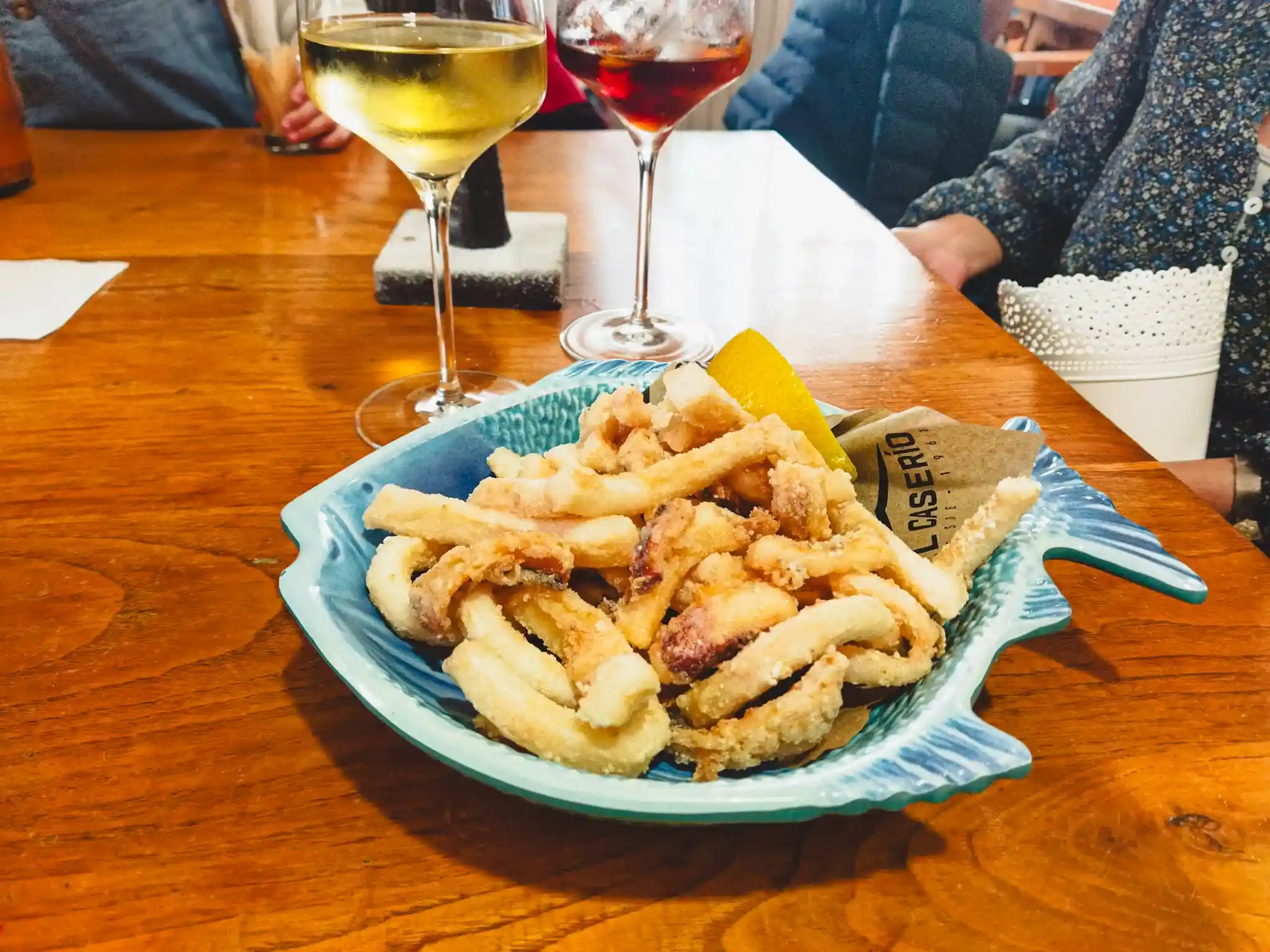
Rabas are Cantabria’s quintessential aperitif, a must at any vermouth hour. Known elsewhere in Spain as battered squid rings, the fact that they have their own name in our region highlights just how special they are. Don’t miss the chance to try these delicacies when you visit Cantabria and sample its exquisite cuisine; their unique flavor will win you over.
Where to eat gluten-free rabas
We are proud to highlight that numerous restaurants and cafés, both in the capital and throughout the province, offer this exquisite dish gluten-free. In Santander, you can enjoy rabas in places like La Cañía in El Sardinero or El Café La Catedral, located in the heart of the city. If you decide to explore some of Cantabria’s most charming fishing villages, don’t miss El Caserío in Suances or El Asador Ezquerra in Pedreña. There, you can not only savor this dish, but also enjoy the beauty of our wonderful province. Another address earning growing praise among celiac travelers is La Fonda de Clint, in Torrelavega, a tapas bar that, according to the specialized gluten-free directory Celicidad, lists rabas and croquettes among its gluten-free specialties.
Cocido Montañés vs. Cocido Lebaniego
The stew is undoubtedly the most typical dish in Cantabria. However, in this region we don’t have just one type of stew, but two different versions that reflect the culinary richness of Cantabria and its gastronomy.
COCIDO MONTAÑÉS
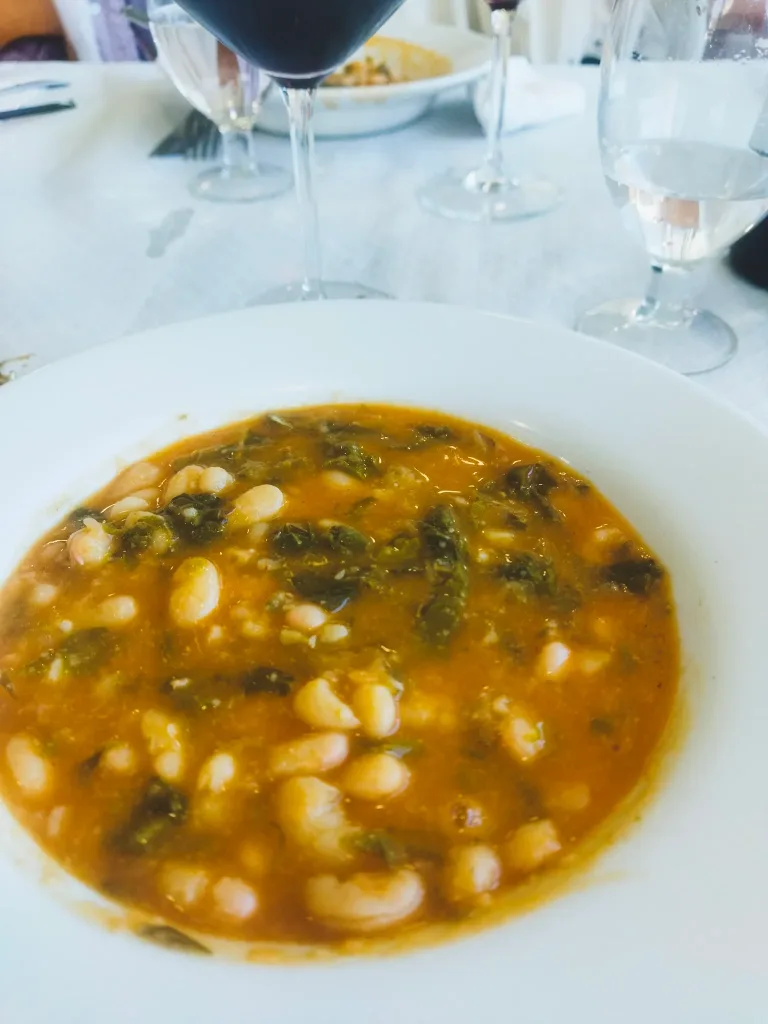
Montañés stew, typical of the Cabuérniga Valley, stands out in Cantabrian cuisine for its unique combination of white beans, kale, and a generous compango made with marinated pork rib, bacon, chorizo, and blood sausage. It is enjoyed with all its ingredients together, which gives it an especially well-blended flavor. According to experts, it is even better the next day.
Its origins date back to the 17th century. Originally created to help people endure the cold winters inland, this dish is hearty and highly caloric. For that reason, it is usually served as a main course and is considered a classic winter dish.
COCIDO LEBANIEGO
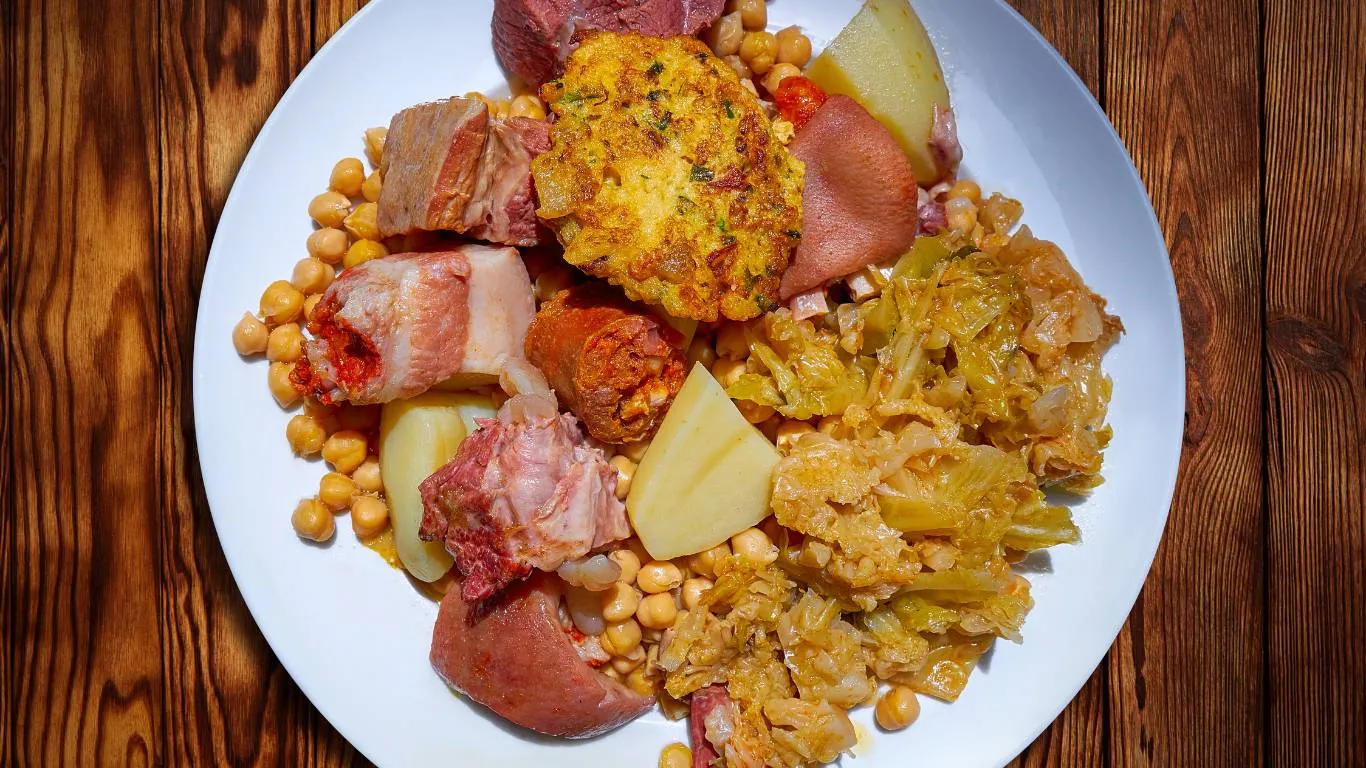
As its name suggests, Lebaniego stew is typical of the Liébana region. This hearty dish is made with Potes chickpeas, potatoes, and compango, which includes cured beef, chorizo, bacon, and shin bone. Like cocido montañés, it is a filling dish, ideal for cold winter days. It is prepared with ingredients traditionally available in each household in the region, such as fresh vegetables from local gardens and meats from the pig slaughter, reflecting the authenticity and richness of Lebaniego cuisine.
Where to eat our gluten-free stews.
Why choose just one when you can enjoy both? Try them both!
The main ingredients in these exquisite dishes are naturally gluten-free, although some seasonings may contain traces. To enjoy these specialties at their very best, we recommend visiting one of Cantabria’s charming villages. If you prefer cocido montañés, head to Mesón Río Argoza, located in one of the most beautiful villages in Spain, Bárcena Mayor. And if you prefer cocido lebaniego, be sure to go to Potes, the birthplace of this traditional Cantabrian dish, where you can taste it at El Cenador del Capitán. While you’re there, this day trip to Potes and the Monastery of Santo Toribio de Liébana is a great way to explore the area, with free time in the village to eat.
Seafood and fish
Cantabria, with its privileged location on the northern coast of Spain, is a true paradise for fish and seafood lovers. The region takes pride in offering an abundance of fresh species that capture the essence of the Cantabrian Sea. From the renowned bonito, known for its firm texture and mild flavor, to bocartes cooked in a casserole, each dish invites you to enjoy Cantabria and its gastronomy.
The seafood selection is complemented by a delicious variety of shellfish. Lobster and spiny lobster are true delicacies you can enjoy on seaside terraces, while spider crab and clams in marinara sauce offer an intense salty flavor reminiscent of the fresh waters of the Cantabrian Sea.
In Cantabria, fish and seafood are not just part of the cuisine; they are a celebration of the region’s maritime culture, with a diversity that is sure to captivate you and turn your visit into an unforgettable gastronomic experience.
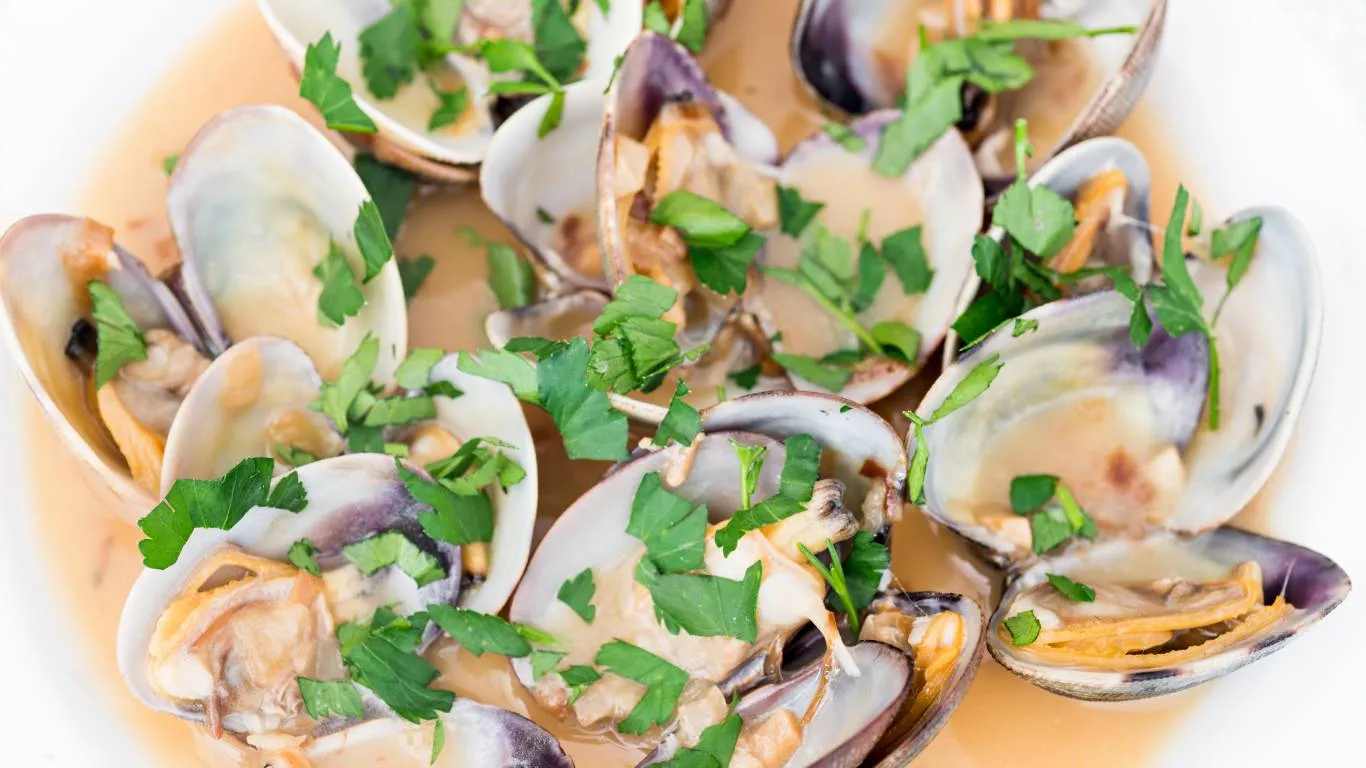
Clams in marinara sauce
Clams in marinara sauce are a jewel of Cantabrian gastronomy, famous for their simplicity and exquisite flavor. Perfect for any occasion, this dish captures all the flavor of the Cantabrian Sea. It is not only a feast for the palate, but also a true expression of Cantabrian cuisine in its purest form.
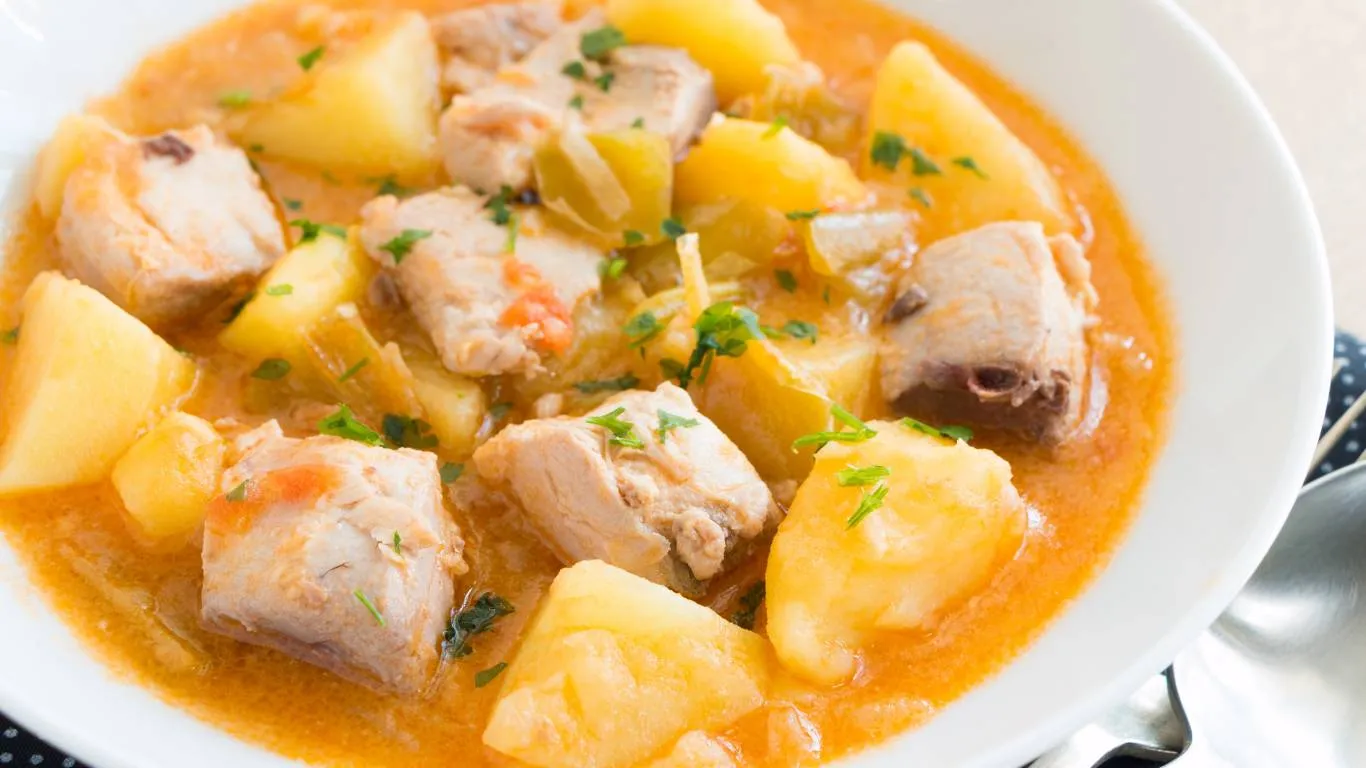
Marmita, Marmite or Sorropotún
Marmita, a stew we share with our Basque neighbors, where it is known as marmitako, is one of the typical dishes of Cantabria.
This dish has a special link with the festivals of several Cantabrian coastal towns, where it becomes the star of local celebrations. In San Vicente de la Barquera, it is known as sorropotún and is offered for free during the “El Mozucu” festivities, highlighting the generosity and community spirit of the region.
This delicious stew, under different names, remains the same culinary delight that enchants both locals and visitors.
Where to eat gluten-free fish and seafood
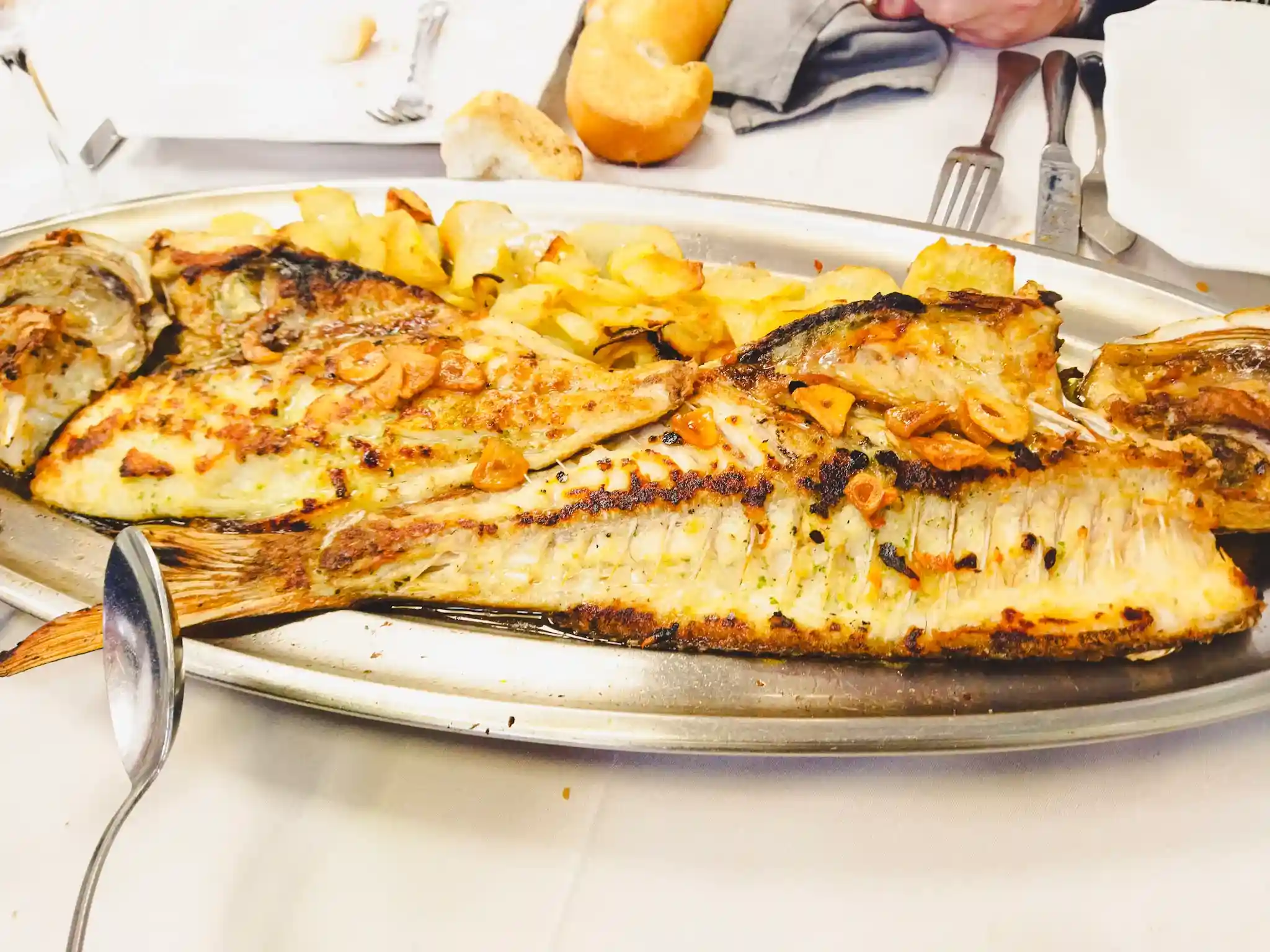
Neither fish nor seafood naturally contain gluten, but it’s important to keep in mind how some dishes are prepared. If you’d like to immerse yourself in Santander’s rich fishing tradition and enjoy top-quality products, we recommend visiting the Barrio Pesquero. This picturesque spot not only offers guaranteed freshness, but also the unique charm of its restaurants, among which Casa José stands out as a true city landmark. There, you can taste the best of the sea in an environment that celebrates the city’s authentic maritime culture.
Meat from Cantabria
“Carne de Cantabria” is a Protected Geographical Indication (PGI) that guarantees the origin and quality of the region’s beef. This designation covers meat from several cattle breeds, both native ones such as Tudanca, Monchina, and Asturiana de los Valles, and non-native breeds including Brown Swiss, Limousin, and their respective crosses.
The geographical area for breeding, raising, and fattening the cattle used to produce this quality meat is limited exclusively to the territory of the Cantabria Autonomous Community. This careful control of origin and production ensures that each cut not only meets high quality standards, but also reflects the unique flavor that comes from free-range living and a diet based on the rich mountain pastures of Cantabria.

Where to eat gluten-free beef from Cantabria
Step into Cantabria without fear, a region full of places where you can enjoy excellent meat. However, we must confess a special fondness for the Campoo area. Here, you can not only taste traditional dishes such as olla ferroviaria and top-quality meat, but also breathe the same pure air that feeds the animals, immersing yourself in the beauty and rich history of our region.
One standout place is Fuentebro restaurant, located in Fontibre, right at the source of the Ebro River. If you let them know in advance when making your reservation, the restaurant staff will do their best to adapt some of their dishes to provide a dining experience suitable for celiacs.
Read also: Things to do in Reinosa
Read also: Gluten-free restaurants in Cantabria
Cantabrian cheeses
Cantabria is known not only for its natural beauty, but also for its internationally renowned cheeses. The excellent quality of these cheeses is due in large part to the milk used to make them, which comes from animals grazing freely in natural areas as emblematic as the Picos de Europa and the Pasiegos Valleys. This pure diet and idyllic setting contribute to the uniqueness and exceptional flavor of Cantabrian cheeses, true stars of Cantabria and its gastronomy.
Our tierruca is proud to have three cheeses with Protected Designation of Origin, a clear sign of their unique quality and authenticity. These include Nata cheese, Picón de Bejes-Tresviso cheese, and Quesucos de Liébana. These products not only reflect Cantabria’s rich cheesemaking tradition, but also stand as a testament to the dedication and care invested in every step of their production.
Nata cheese
Known for its remarkable creaminess, Nata cheese is made from whole Friesian cow’s milk, and its distinctive flavor comes from the quality of the pastures these cows graze on throughout Cantabria. The first documented mention of this cheese dates back to the 10th century, when it was used as a medium of exchange in the barter systems of the time. Today, it is mainly produced by local family-run businesses, adding even more renown and prestige to this exquisite product.
Picón de Bejes-Tresviso cheese
This blue cheese, which has held Protected Designation of Origin status since 1994, is produced in the Liébana valley using raw milk from cows, sheep, and goats that graze on the slopes of the Picos de Europa. It is easily recognized by its intense aroma and distinctive greenish-blue color with white veins, and it offers a unique flavor that is both salty and spicy, thanks to its special aging process inside Sotorraña Cave. This careful curing process in underground caverns is essential to achieving the quality and character that define Picón de Bejes-Tresviso cheese.
QUESUCOS DE LIÉBANA
This cheese is produced in the region that gives it its identity, specifically in the municipalities of Potes, Pesaguero, Cabezón de Liébana, Camaleño, Cillorigo de Liébana, Tresviso, Vega de Liébana, and Peñarrubia. It is made with pasteurized milk, which may come from sheep, goats, or cows, and a blend of these is often used to achieve a uniquely rich flavor. Quesucos are offered in smoked and unsmoked varieties, with the smoked ones being especially characteristic of the ports of Áliva, Brez, Tanarrio, and the Camaleño valley. Among these two variants, the smoked queso from Áliva stands out for its limited production, making it a sought-after specialty for its distinctive taste and exceptional quality.
Where to eat Cantabrian cheese
We recommend a unique experience in Cantabria: take your car and head to Bejes, straight to the local cheesemonger. There, you’ll have the chance to taste different kinds of cheese and artisanal dairy products, and you can choose your favorites to buy. The shop also offers other high-quality products such as jams and honey. We’re sure you won’t leave empty-handed.
You can also enjoy the impressive views of the Picos de Europa from the terrace at El Teju, an ideal place to have an aperitif while taking in the panorama. However, we should mention that we’re not sure whether they offer gluten-free options, as our experience was limited to the aperitif. This visit will not only let you savor exquisite local flavors, but also appreciate the natural beauty of Cantabria.
Typical sweets
QUESADA PASIEGA
The quesada pasiega is one of the most characteristic desserts of the Pasiegos Valleys, standing out alongside the region’s renowned sobaos. Originally, this appetizing sweet was made with fresh Pasiego cheese, which gave it its distinctive name. The traditional recipe also included butter, eggs, honey, flour, lemon zest, and cinnamon, a combination that gave the dessert an exceptionally delicious and unique flavor. Although in modern times fresh cheese has been replaced by cow’s milk curd, the essence of its traditional taste has been carefully preserved.
The appeal of quesada pasiega lies not only in the quality of its ingredients, but also in the respect for the techniques passed down from generation to generation by Pasiego families.
SOBAOS PASIEGOS
The sobaos pasiegos, the other great star of the Pasiegos Valleys, reflect the modesty and scarcity of the place they come from, standing out for their simplicity. In this region, readily available ingredients such as milk, butter, eggs, honey, and flour were used to create a durable and nourishing product.
One notable curiosity about sobaos is their baking method on a special paper called gorritu. This paper is folded in a particular way, specifically designed to prevent the batter from spilling during baking. This technique is not only practical, but also adds a distinctive touch to these sweets, highlighting the creativity and tradition deeply rooted in the Pasiegos Valleys and, of course, in Cantabrian gastronomy.
CORBATA DE UNQUERA
The corbata de Unquera is an exquisite pastry typical of Cantabria, originally from Unquera, a charming village in the municipality of Val de San Vicente, in the western coastal area of Cantabria. Made with a light, crisp puff pastry base, it stands out not only for its flavor but also for its unique tie-like shape. Often topped with a sugar glaze or sprinkled with almonds, the corbata de Unquera is a true jewel of Cantabrian pastry-making.
PANTORTILLAS DE REINOSA
The pantortillas are a characteristic dessert from Reinosa. This sweet is distinguished by its puff pastry base and a caramelized sugar topping, which gives it a unique, crisp texture. The name “pantortilla” may come from the diminutive of “pantorta.” Traditionally, it is believed that only under the specific climatic conditions of Reinosa can authentic pantortillas be made, which makes them special and difficult to find outside the Campoo-Los Valles area.
Where to find gluten-free sweets
We regret to inform you that we have not been able to find all of these delicacies in gluten-free versions, but we are continuing to investigate and will provide the information as soon as we have it. We hope to be able to expand the gluten-free offer in Cantabrian cuisine very soon!
What we can confirm is that Confitería Las Quintas, located in Santillana del Mar, offers gluten-free sobaos and quesadas, as well as other nationally awarded products such as its famous cheese cookies. Also in Selaya, Joselín’s factory is an excellent place to find gluten-free quesadas. In addition, you can visit the Sobao Museum, which offers an interesting look at this traditional Cantabrian sweet.
Read also: Things to do in Comillas
Read also: Things to do in Santillana del Mar
We’re putting together a spectacular most famous foods in Cantabria food route so you can make the most of Cantabria’s gastronomy and charms! But there’s still one important detail left: drinks, because no culinary experience is complete without the perfect accompaniment for these delights. So get ready, because we’re going to dive into the beverage options that pair best with these typical Cantabrian dishes. It will be the finishing touch to make your route a true feast for the senses!
Beverages from the tierruca*.
Wines
Cantabria is also famous for its high-quality wines, protected under the Designation of Origin Costa de Cantabria and Vinos de la Tierra de Liébana. These areas produce exceptional white and red wines, standing out for their clarity and their perfect balance between alcohol and acidity. Varieties such as Albariño, Chardonnay, and Mencía are just some of those that enrich these wines with flavors ranging from tropical fruit to smoky notes. Wineries such as Picos de Cabariezo and SELD’AIZ stand out in the region, ensuring wines that celebrate the authenticity and rich winemaking tradition of Cantabria.
ORUJO DE POTES
Orujo de Potes S.L. stands out as the leading producer of orujo in Cantabria, a benchmark in the gastronomy of the tierruca, marketing its orujo under the Sierra del Oso brand throughout Spain. The company is known for its commitment to traditional techniques, using copper stills for distillation, a method that ensures the purity and quality of the orujo. The rich history and authenticity of its composition underscore the region’s distillation legacy. This reputation not only celebrates the excellence of Sierra del Oso, but also its ongoing dedication to preserving tradition in every bottle.
CERVEZA DOUGALLS
Dougall’s is an artisanal brewery founded in 2006 in Liérganes, known for its commitment to quality and traditional brewing techniques. In addition to offering a wide range of styles, from aromatic IPAs to smooth lagers, Dougall’s stands out for its selection of gluten-free beers, catering to a broad audience. The brewery, which can be visited, lets you discover first-hand the craft process and innovation behind each bottle. Dougall’s is recognized both nationally and internationally as a symbol of passion and beer quality.
VERMÚ SIDERIT
Siderit, known for its innovation in Cantabria, specializes in producing high-quality gins and vermouths. This producer creates its drinks in small batches, using a careful selection of aromatic herbs and a distinctive touch of apple, resulting in unique and refreshing flavors. In addition to traditional vermouth, Siderit has introduced innovative versions with ingredients such as hops, broadening its range of flavors. If you are a vermouth and gin enthusiast, you can visit its distillery in Puente Arce to explore the artisanal process behind each bottle and experience the dedication Siderit puts into every product.
So, we have designed the most complete most famous foods in Cantabria food route so you can explore and enjoy the rich gastronomy of Cantabria firsthand.
Get ready for an unforgettable culinary adventure in Cantabria! Discover the authentic flavors of the region, from seafood delicacies to the most comforting mountain dishes.
Are you up for diving into this gastronomic feast? Join us on a journey full of flavor, tradition, and Cantabrian hospitality. And don’t forget to share your experience with the entire Glutendtrotters community. We’d love to hear your impressions and recommendations! Don’t miss it!
You may also be interested in reading the following posts:
Frequently Asked Questions (FAQ)
What traditional Cantabrian dishes can I eat gluten-free?
Many classic Cantabrian dishes are naturally gluten-free or easy to adapt: rabas, cocido montañés and cocido lebaniego, marinera-style fish and seafood, beef from the Campoo area, and artisan cheeses. The traditional sweets (sobaos, quesada) and some craft beers need more care, but more certified gluten-free versions keep appearing.
Where can I eat gluten-free rabas in Cantabria?
In Santander, La Cañía and El Café La Catedral serve gluten-free rabas; along the coast, try El Caserío (Suances) and El Asador Ezquerra (Pedreña). In Torrelavega, La Fonda de Clint also lists rabas among its gluten-free specialties, according to the Celicidad directory.
Is there gluten-free beer in Cantabria?
Yes. The craft brewery Dougall’s, in Liérganes, makes a selection of gluten-free beers as part of its range, and also offers guided tours of its brewery.
Where can I buy gluten-free sobaos or quesada in Cantabria?
The Joselín factory in Selaya makes a gluten-free quesada with rice flour, confirmed on its own official website. Confitería Las Quintas, in Santillana del Mar, also offers gluten-free sobaos and quesadas according to the specialized directory Celicidad.
Do I need to book ahead to eat gluten-free at restaurants in Cantabria?
It’s highly recommended, especially at restaurants that adapt dishes on request, such as Fuentebro in Fontibre. Letting the restaurant know when you book allows them to take the necessary steps to avoid cross-contamination.


