

Looking to escape the city bustle and immerse yourself in nature? Discover the best things to do in Bárcena Mayor and explore this tranquil gem.
Have you ever wondered what it would be like to visit a town that seems frozen in time, recognized as one of the most beautiful in Spain? Discover Bárcena Mayor.
Are you a photography enthusiast in search of stunning landscapes and picturesque architecture? Discover Bárcena Mayor.
In this post, we will take you through the charms of Bárcena Mayor, a picturesque town that is not only the only population center within the splendid Saja-Besaya Natural Park, but also a living testament to the history and culture of Cantabria.
Located in a cozy valley of the Argoza River, Bárcena Mayor nestles at the foot of the Cantabrian Mountains. This natural setting not only offers spectacular views but also creates a perfect environment for those seeking a quiet retreat far from the hustle and bustle of modern life.
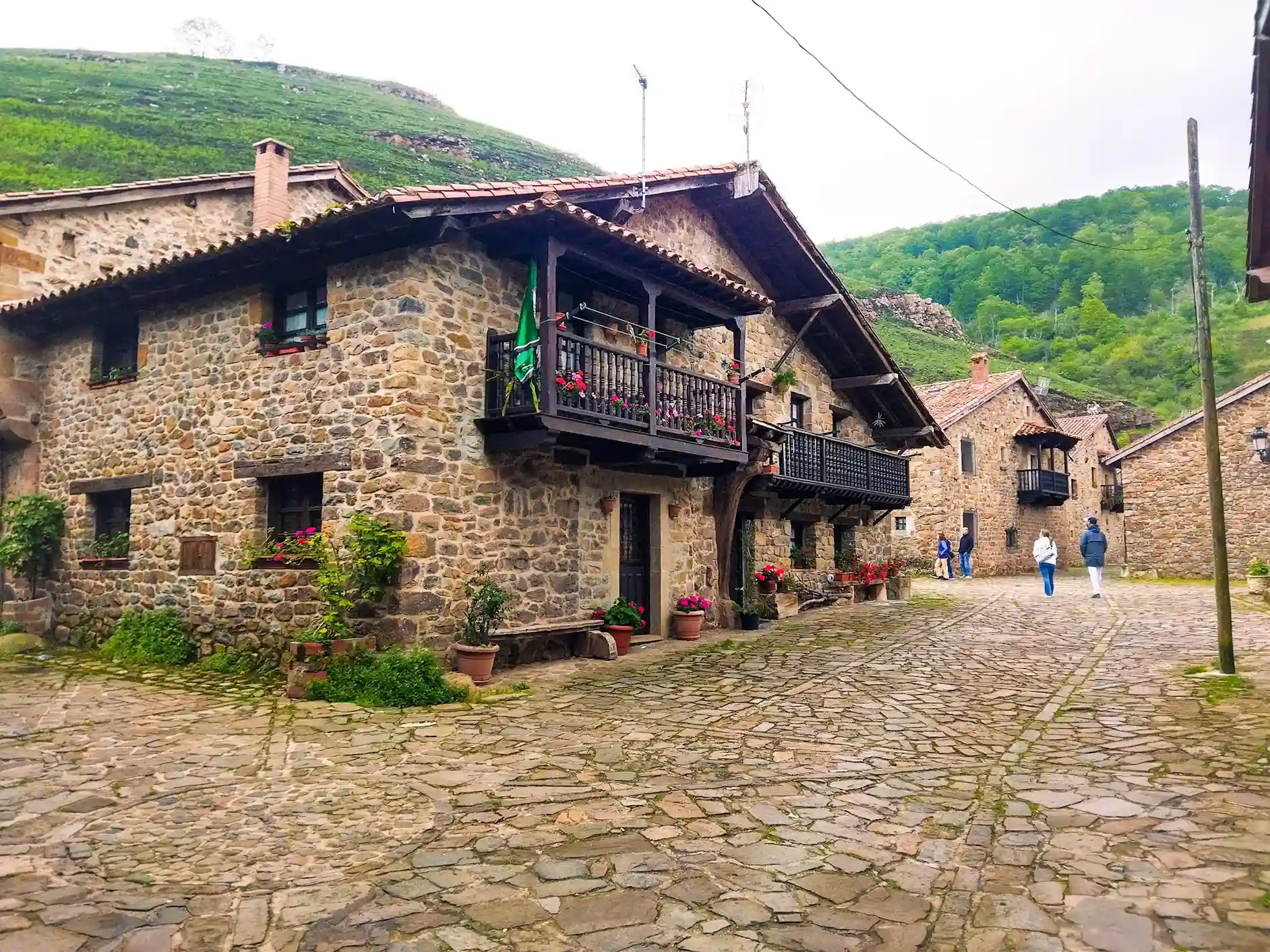
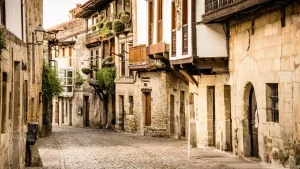
What truly sets Bárcena Mayor apart is its traditional architecture. Walking through its cobblestone streets, you will encounter buildings that seem to have stopped time. The houses here are meticulously designed to adapt to the irregular terrain, using ingenious solutions to maximize the available space.
This design not only reflects a practical sense but also fosters a sense of community and closeness among residents. Bárcena Mayor is a place where history and traditions remain alive, offering you an authentic and enriching experience. You will find that every corner tells a unique story, immersing you in a journey through time.
Are you ready to be amazed by the beauty and history of Bárcena Mayor? Get ready for a trip that will, without a doubt, take you to the heart of Cantabrian tradition.
Read more: 10 essential tips for traveling to Cantabria

🚗 As with most of Cantabria, the best way to reach Bárcena Mayor is by car: compare rental options on Discover Cars.
🛡️ We never travel without IATI travel insurance (5% off for Glutendtrotters readers), essential for any getaway.
📶 And if you’re visiting from abroad, a Holafly eSIM (also 5% off for you) keeps you connected from the first minute for maps and schedules.
A JOURNEY THROUGH THE CENTURIES
The Cabuérniga Valley, where this charming town is located, shows evidence of human activity dating back long before the Middle Ages. The Cantabrian region, known for its ancient passage and settlements, is home to iconic sites such as the Altamira Cave and various megalithic remains that testify to the rich prehistory of the northern Iberian Peninsula.
Want to visit Cantabria?
Read our post: What to see in Cantabria in 5 days: a complete guide
During the expansion of the Roman Empire, local Cantabrian tribes offered notable resistance, maintaining many of their ancestral customs despite Romanization, which was slow and ineffective in these lands. With the fall of the Empire, the region quickly reclaimed its traditions, demonstrating a cultural persistence that continues to this day.
In the turbulent period of the Middle Ages, when the Visigothic presence was faltering and peoples from the south fled north escaping the Muslim invasion, Bárcena Mayor and its surroundings became a spiritual and cultural refuge. The monasteries and churches built during this era played a crucial role in the repopulation and spiritual strengthening of the region.
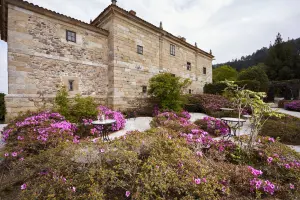
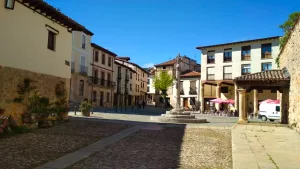
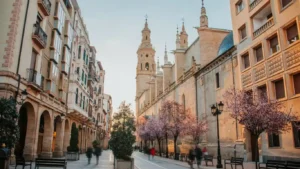
Exploring Bárcena Mayor is discovering a legacy of autonomy, resistance, and cultural continuity that defines the spirit of Cantabria.
The most distinctive feature of Bárcena Mayor, however, is its status as a "behetría" during the Middle Ages. This unique status granted its inhabitants the privilege of choosing their own lord, negotiating the terms of vassalage in exchange for protection. This characteristic not only highlights the strategic importance of the town, but also the independent spirit of its people.MONTAÑÉS-STYLE ARCHITECTURE
Declared a Historic-Artistic Site in 1979 and a proud member of the Association of Most Beautiful Villages in Spain, Bárcena Mayor is a doorway to the history and tradition of Cantabria.
As you walk through Bárcena Mayor, you can admire the traditional “montañés” architecture that defines its urban landscape. The rows of two-story houses with porches, wooden balconies, and wooden enclosures constitute the most iconic image of the montañés settlement model.

Introduced in the 17th century with the arrival of corn, the "solana" (sun balcony) became an essential space for drying the cereal, showing the adaptation of local architecture to the agricultural needs of the time.THE WEATHER IN BÁRCENA MAYOR
Explore Bárcena Mayor not only for its rich history and picturesque views but also for its accessible weather information that will allow you to perfectly plan your visit. Thanks to the weather station located in the town, visitors and residents can check real-time temperatures and precipitation recorded over time, as well as obtain accurate forecasts about future weather.
Whether you are planning a hike through the Saja-Besaya Natural Park, a visit to the town’s historic buildings, or simply enjoying the tranquility of Bárcena Mayor, the information provided by the weather station will help you make the most of your visit, ensuring the weather is on your side.
ITINERARY THROUGH BÁRCENA MAYOR
Upon arriving at Bárcena Mayor, you will be greeted by a parking lot conveniently located at the entrance of the town.
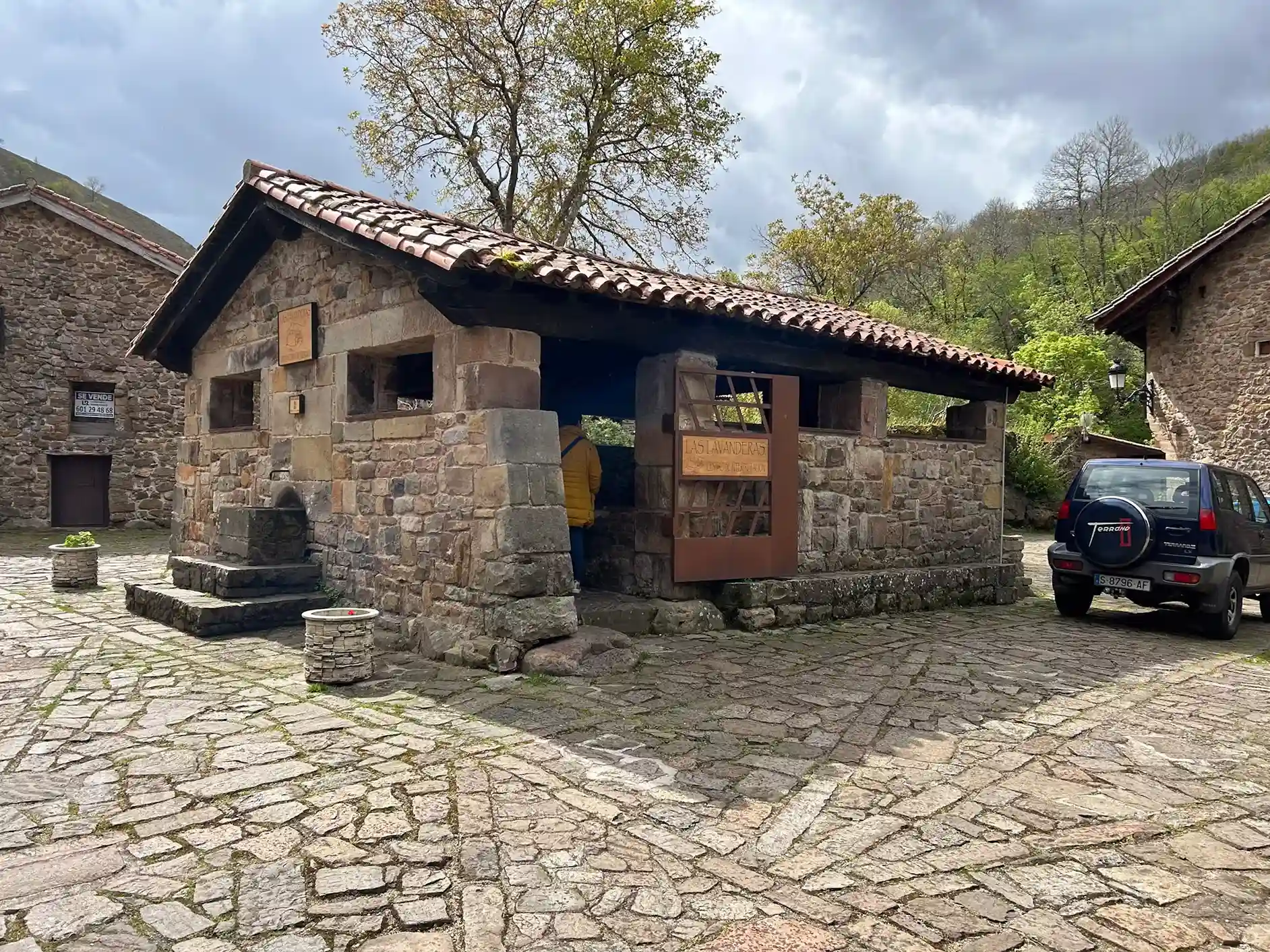
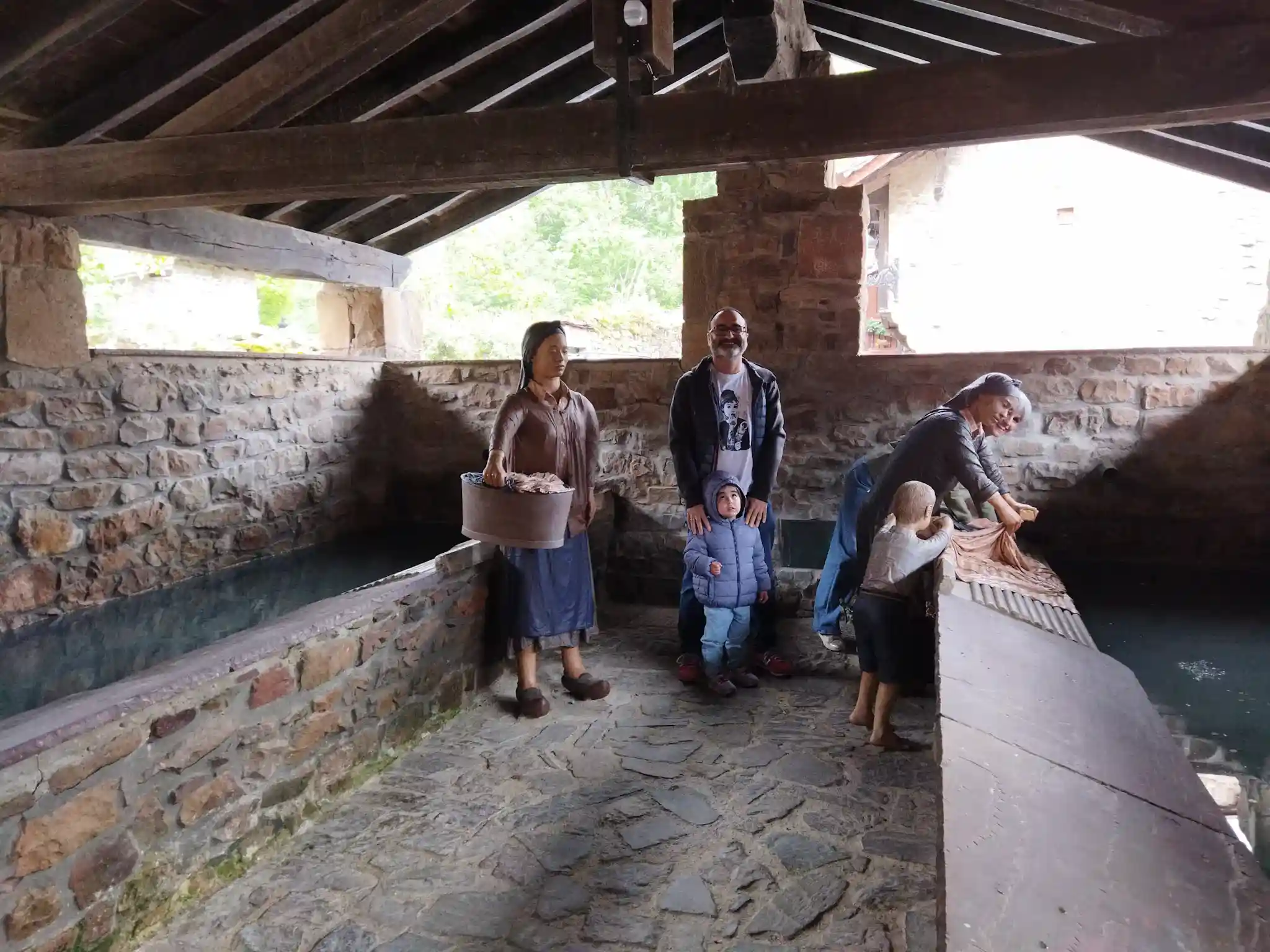
Since only residents can access by vehicle, you will be able to explore the stunning rural architectural beauty that the place offers on foot and without interruptions.It is truly fascinating to walk through the oldest town in Cantabria. You will marvel at the balconies decorated with hydrangeas and geraniums, and the old carriage doors that have guarded wagons for centuries. A walk through its cobblestone streets becomes an unforgettable experience. The facades of the houses, embellished with coats of arms, and architectural elements such as washhouses, stables, sheds, and bread ovens are exceptionally well-preserved, offering a glimpse into a past rich in history.
The natural beauty and the potential for hunting and fishing in Bárcena Mayor were key to its revitalization, after being on the verge of disappearance twenty years ago due to emigration caused by a lack of agricultural and livestock opportunities. Today, thanks to the efforts of residents' families and official action, the town has been almost completely rehabilitated.
PLACES TO SEE IN BÁRCENA MAYOR
La Casa del Callejón (Alley House)
Located on a narrow street, this house is a clear example of traditional Cantabrian architecture, highlighting its porch and large balcony.
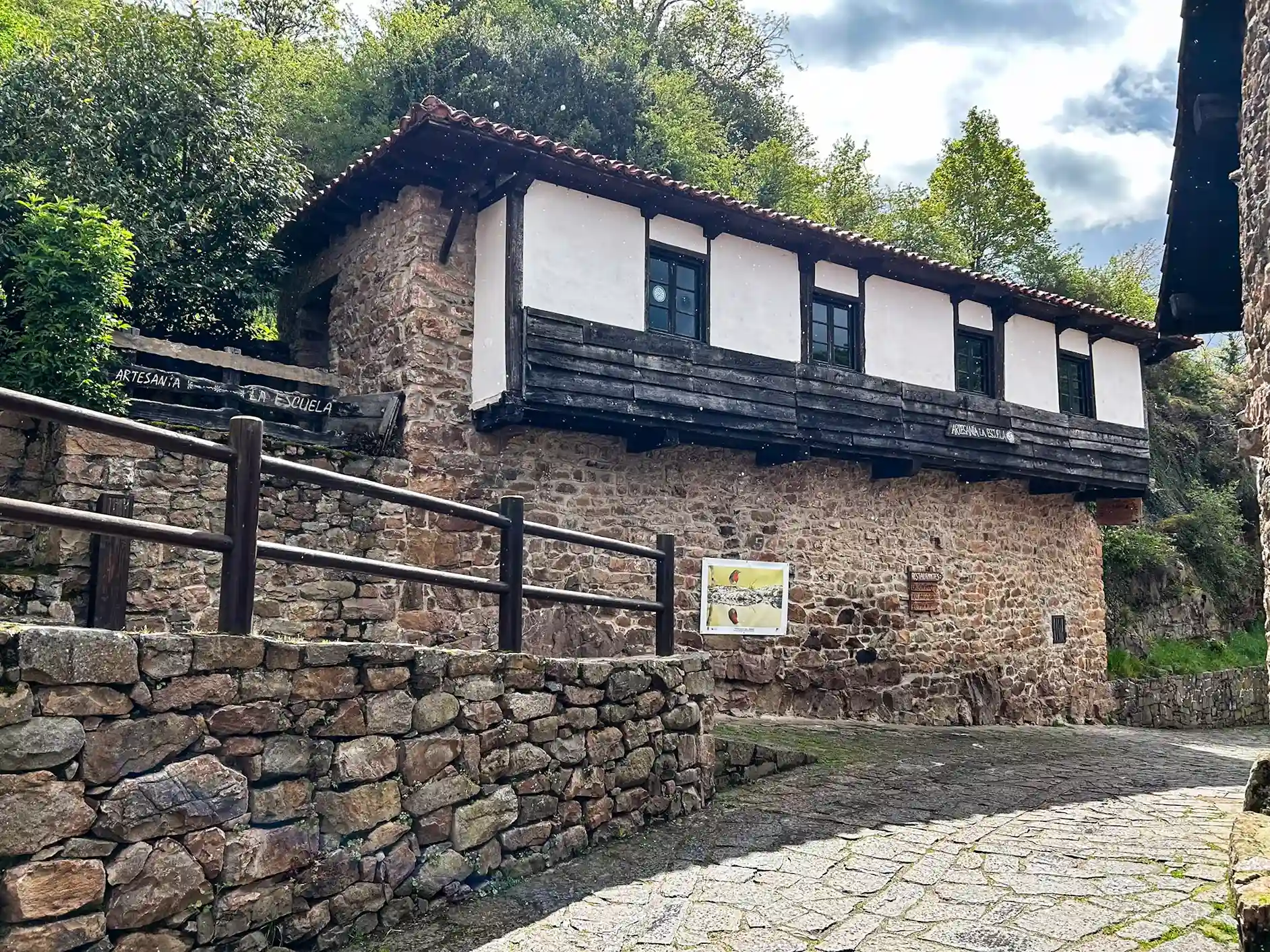
The School
This peculiar building, perfectly adapted to the hillside on which it sits, has served as a stable, then as a school, and currently houses a craft shop.
Twin Houses
Originally, these two properties formed a single building that was divided to create two separate homes. This practice was common among owners who had family ties.
Rectory House
This 18th-century “montañés” mansion is one of the best examples of this type of construction in Bárcena Mayor. Made of high-quality ashlar stone, it features two semicircular arches that lead to a porch. The balcony on the first floor displays a coat of arms with religious symbols, and details such as two stone carvings and a sundial on a corner.
La Franca Row
One of the most photogenic streets in the area, marking the boundary between the arable land and the urban area. The houses, generally terraced and sharing walls, reflect significant economic savings and a tradition of kinship.
Montañesa Mansion
A robust building with semicircular arches and a porch on the ground floor. The balcony on the first floor is divided into several sections, protected by wooden eaves and a gabled roof with Arabic tiles.
Houses with Enclosures
This structure stands out for its side enclosures on the balcony, small additional rooms that originally served as drying areas and have been adapted to expand the living space.
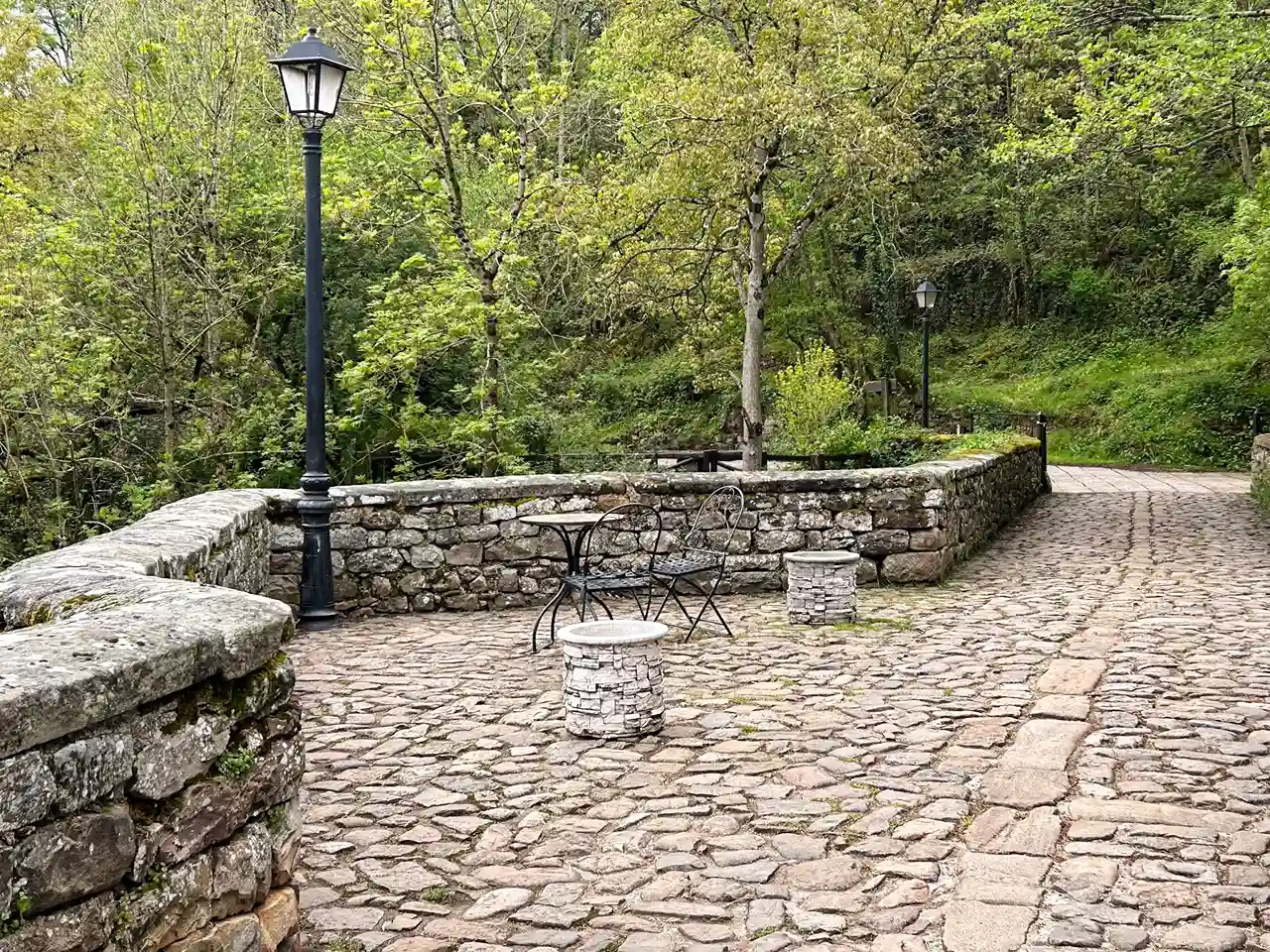
Bridge
Reconstructed after a flood in the 19th century, it is the starting point for various hiking routes that explore the rich nature of the region.
Kitchen Stone
A carved stone in the shape of an animal, traditionally used as a kitchen drain.
Pasadizo House (Passage House)
Located in the row of the church neighborhood, this house features a balcony-bridge that facilitates pedestrian passage from “La Calleja” to the town center.

Church
A 17th-century building in the Baroque “montañés” style. Its rectangular plan and ribbed vaults retain traces of polychromy and house several altarpieces, with the one dedicated to the Immaculate Conception standing out.
Houses with arches
Typical 17th and 18th-century houses with semicircular arches, porch, balcony… Note the woodwork on their balconies.
ECOLOGICAL PARADISE
After exploring the charming labyrinth of narrow streets in Bárcena Mayor, a true outdoor adventure awaits you. The historic stone bridge is the ideal starting point for numerous paths that lead you through the Saja-Besaya Natural Park. This park is not only the largest beech forest in Europe but also a treasure accessible on foot from the heart of the town.
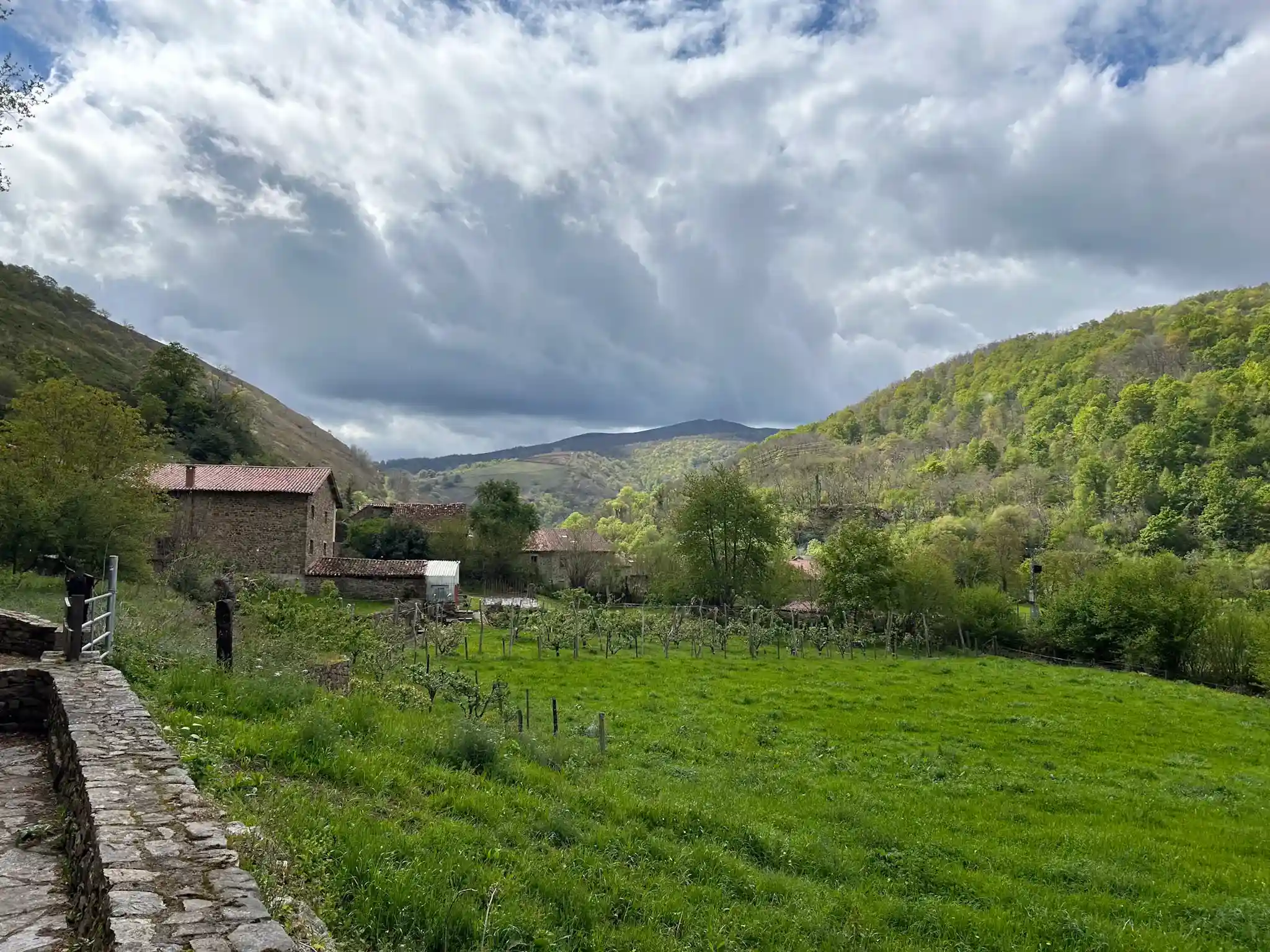
Bárcena Mayor is proud to be the only inhabited town within the park, which spans more than 24,000 hectares, making it the largest in Cantabria. Between the Saja and Besaya rivers, this protected area houses some of the best-preserved deciduous forests in the Cantabrian Mountains. Oaks, beeches, holly, and birch trees paint a vibrant landscape that transforms into an authentic explosion of autumn colors.
This environment is considered one of the best landscapes to enjoy autumn in Cantabria. Walking these trails is not only a visual delight but an opportunity to reconnect with nature and experience the peace and unparalleled beauty of a unique ecosystem.
HIKING IN BÁRCENA MAYOR
Bárcena Mayor, located in the heart of the Saja-Besaya Natural Park, stands out as a jewel on the “Route of the Foramontanos” and the “Los 10.000 del Soplao” route. This picturesque town is the ideal starting point for numerous hiking routes that traverse this extensive natural park. The itineraries vary in length and difficulty level, providing options for all types of hikers, from beginners to the most experienced.
Low difficulty:
- Route to Fuente Clara: A circular path of low difficulty that begins and ends in Bárcena Mayor. This route is ideal for those seeking a relaxing experience in nature, perfect for enjoying the environment without haste.
- Bárcena Mayor to Ermita del Carmen: Enjoy a quiet and pleasant 4-kilometer walk (round trip) through the Natural Park, ideal for families.
Moderate difficulty:
- Route to Fuente Clara – Variant: This alternative version of the previous route offers a slightly longer and more challenging journey.
High difficulty:
- Bárcena Mayor – Los Tojos: For experienced hikers, this route extends to the capital of the municipality, Los Tojos, and covers more than 7 kilometers in one direction. If you plan to return to the starting point, be prepared to walk 14 kilometers in total.
Each route is carefully selected to offer visitors the best possible experience while they discover the beauty of the Saja-Besaya Natural Park from Bárcena Mayor. Don’t forget to pack properly and bring enough water to enjoy these adventures in nature.
IN SEARCH OF A GOOD “COCIDO MONTAÑÉS”
When you visit Bárcena Mayor, you will be captivated not only by its rustic architecture and mountainous landscape but also by its exquisite gastronomy.
There is no dish more representative of the region than the cocido montañés, considered a true treasure of Cantabrian gastronomy. This dish, with a rich mix of white beans and kale with its “compagno,” as the accompaniment of bacon, ribs, black pudding, and chorizo is locally known, is a celebration of flavors that will satisfy any palate.
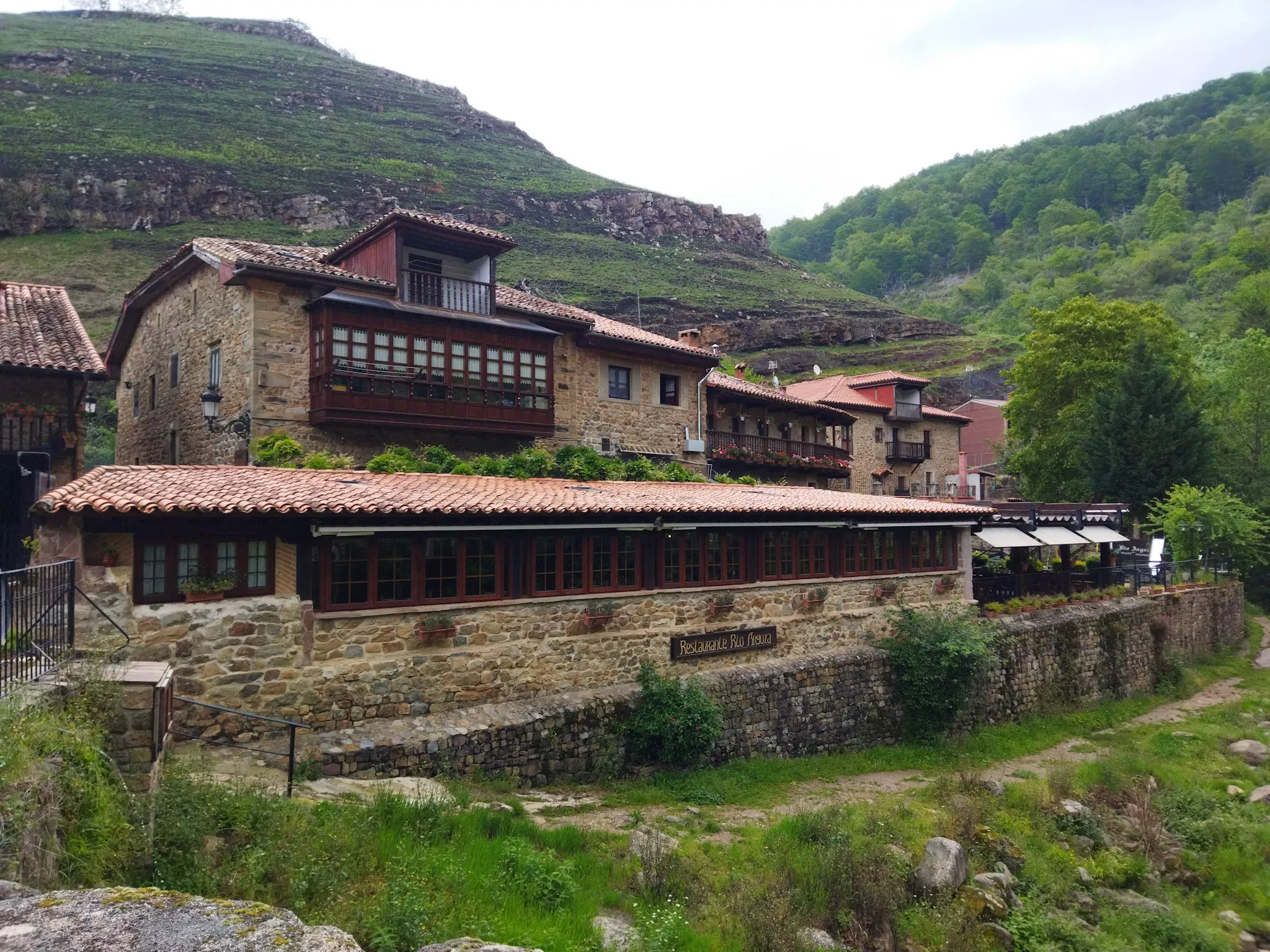
Furthermore, the Mesón Río Argoza is proud to offer inclusive options for all its diners, including gluten-free variations of the cocido montañés. That said, a recent review from a celiac diner warns that regular bread was served at the same table without a separate tray, so it’s worth confirming the restaurant’s cross-contamination protocol directly before your visit.
Another gluten-free option in the village itself is the Restaurante La Solana, which also lists gluten-free among its special diet options.
Read more: Where to eat gluten-free in Cantabria
WHAT TO SEE NEAR BÁRCENA MAYOR
La Cardosa Balcony
Located in the heart of the Saja Natural Park, the La Cardosa Balcony captures the essence of the park’s fauna with an immortalized sculpture of a roe deer. This viewpoint, located on the CA-280 near the road to the Palombera pass, offers privileged views of the valley and the surrounding peaks. Throughout the year, the landscape at this point undergoes an impressive transformation of colors, reaching its peak splendor during the “Berrea” (deer rutting season). During this season, the viewpoint becomes the ideal setting for those looking to witness the impressive roar of rutting deer for the first time.


La Fuentona de Ruente
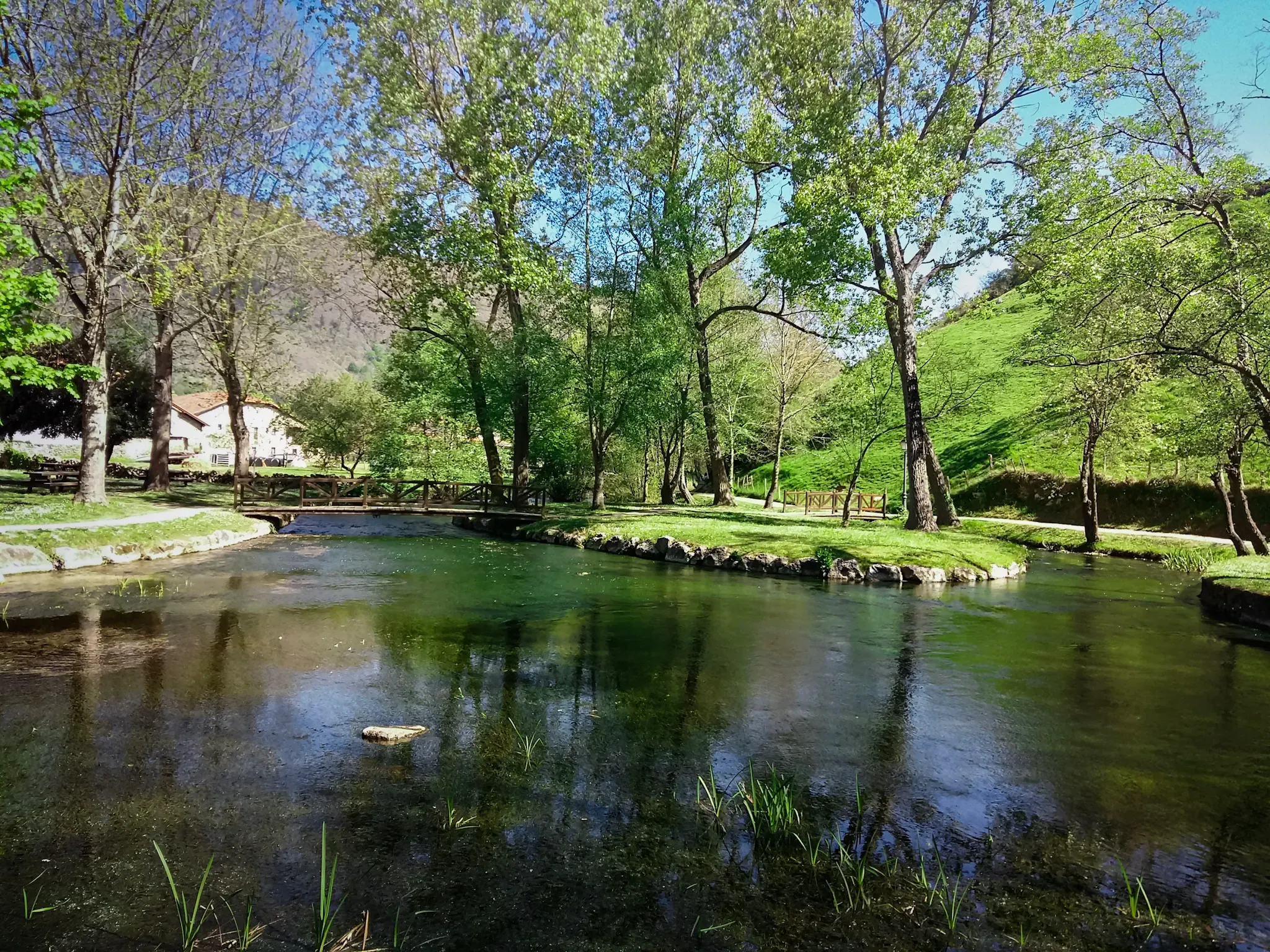
Located in a serene corner, La Fuentona de Ruente invites you to enjoy its clear and refreshing waters. This natural spring, known for its beauty and for being a meeting point for local legends, is the perfect place for a picnic or simply to relax to the gentle rhythm of the flowing water.
The Cantabrian Settlement of Cabezón de la Sal
In Cabezón de la Sal, the Cantabrian Settlement offers a window into the past. This historic site allows you to immerse yourself in the life of the ancient Cantabrians through detailed reconstructions of their homes and surroundings. Here, history comes to life, providing an educational and cultural experience that connects visitors with the rich heritage of the region.
We hope you enjoyed exploring the charms and rich history of Bárcena Mayor, one of the most visited towns in Cantabria after Santillana del Mar and Cabuérniga. From its stunning “montañesa” architecture to its deeply rooted traditions and privileged location, Bárcena Mayor offers you a unique and unforgettable experience.
Before saying goodbye, we invite you to plan your visit and immerse yourself personally in the beauty and history that this town has to offer. Don’t forget to prepare for the hiking routes, enjoy a delicious cocido montañés, and, of course, bring your camera to capture the magic of its natural and architectural environment.
Are you ready to let Bárcena Mayor surprise and fall in love with its rustic charm? Don’t wait any longer, venture into the heart of Cantabrian tradition and share your adventure with us, Glutendtrotters!
Frequently Asked Questions (FAQs)
What makes Bárcena Mayor so special?
It is the only inhabited village within the Saja-Besaya Natural Park and was declared a Historic-Artistic Site in 1979, as well as being a member of the Association of the Most Beautiful Villages in Spain. During the Middle Ages it held the status of “behetría,” which let its inhabitants choose their own lord.
Can you drive into Bárcena Mayor?
No, only residents can access the village by vehicle. There is a parking area at the entrance where you can leave your car and explore the cobblestone streets on foot.
What hiking routes start from Bárcena Mayor?
There are options for every level: the low-difficulty circular route to Fuente Clara, the 4 km (round trip) walk to the Ermita del Carmen, a longer variant of the Fuente Clara route and, for experienced hikers, the route to Los Tojos (7 km one way, 14 km round trip).
Where can I eat gluten-free in Bárcena Mayor?
Mesón Río Argoza offers gluten-free variations of the cocido montañés, though it’s worth confirming the restaurant’s cross-contamination protocol directly. Restaurante La Solana, also in the village, lists gluten-free among its special diet options.
What else can you see near Bárcena Mayor?
Nearby you’ll find the La Cardosa Balcony (a viewpoint over the valley, especially striking during the deer rutting season), La Fuentona de Ruente, and the Cantabrian Settlement of Cabezón de la Sal, with reconstructions of ancient Cantabrian dwellings.
You may also be interested in reading:
What to see in Cantabria in 3 days
What to see in Cantabria in 7 days
A road trip through Cantabria: discover its hidden paradises


