


Hello, glutendtrotter! Today we are going to guide you through one of the most beautiful towns in Cantabria. With our ultimate guide to the 15 unmissable things to do in Castro Urdiales, you will discover everything there is to see in 1 day, guaranteeing a unique experience.
This corner of the eastern coast of Cantabria is the perfect balance between history, culture, and nature, making it an essential destination for lovers of the sea and the rich heritage that characterizes the north of Spain.
Do you think it’s a challenge to discover everything Castro Urdiales has to offer in just one day? This article will take you through the 15 unmissable places in this charming fishing town.
We will introduce you to everything from its historical treasures, many of which are declared Assets of Cultural Interest, to its beautiful beaches, ensuring that every corner you explore is a revelation.
Although this itinerary is designed to make the most of your day, you can always discover more about the history and secrets of Castro Urdiales. For a more personalized and enriching experience, we recommend booking a guided tour or a private tour.
Is your camera ready?
Let’s start from the easternmost end!
Read more: 10 essential tips for traveling to Cantabria

Before your trip to Castro Urdiales
Before you go, don’t forget to get travel insurance with IATI (5% discount for Glutendtrotters readers) and, if you’re coming from abroad, activate a Holafly eSIM (also with a 5% discount for you) so you have data from the moment you land. And to move freely between Castro Urdiales, Laredo and Bilbao, you can rent a car.
What to see in Castro Urdiales
1. Cotolino Park
This natural gem offers the ideal balance to the historical and architectural richness we will discover in the Old Town (Puebla Vieja) of this charming fishing town. It is the perfect refuge for those seeking a moment of relaxation, whether sunbathing or enjoying the impressive panoramic views it offers.
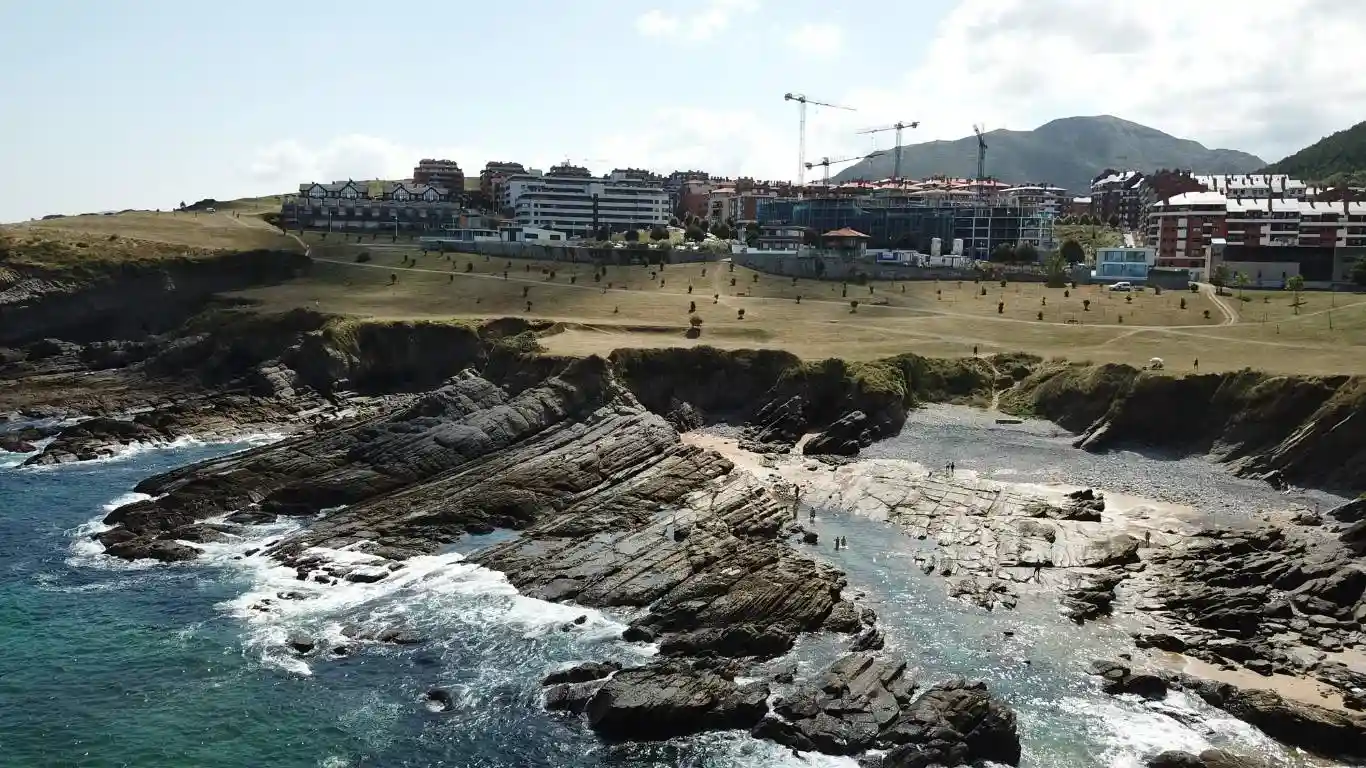
This green space is the perfect place to admire the sunrise or sunset surrounded by the gentle sea breeze.
Recommended accommodations in Castro Urdiales
If you want to use Castro Urdiales as a base for your stay, we suggest booking in advance due to high demand, especially in high season.
Next to Brazomar beach, you will find the iconic Las Rocas Playa Hotel or the Hostal Vista Alegre, two valid options to enjoy the heart of the city.
To get away from the hustle and bustle, there is nothing better than the tranquility of the Parador de Limpias, just a few kilometers from the fishing town.
2. Ocharán Mazas Promenade
Walking from Cotolino Park to Amestoy Park, the Castro Urdiales Seafront Promenade unfolds before you, offering you a route adorned with spectacular architectural jewels that seem taken from the pages of fantasy stories.
Among these wonders, the Sotileza Chalet and the majestic Ocharán Palace and Castle, located just behind the promenade and wrapped in a fairy-tale atmosphere, stand out.
This eclectic-style palace, built in 1901 for Luis de Ocharán and later enriched with an observatory castle, is a testament to the summer splendor of the regional elite. You will admire its façade adorned with pink and white marble, its dreamlike gardens, and a portico supported by ten Ionic columns.Don’t forget to explore the Casa de los San Martín, located on the Menéndez Pelayo Promenade, which stands out for its inspiration from British architecture. At the end of the Ocharan Mazas Promenade, the Plaza de la Barrera houses the Royal Building, the former Hotel Royal, and on Calle María Aburto, the Pedro Velarde Mansion, along with the other architectural gems mentioned.
This promenade, which runs parallel to the Cantabrian Sea, offers unforgettable views of the coast. Along the route, you can admire places like the San Luis Pier, a bastion that protects the beautiful Brazomar Beach. This spot, very popular among locals and tourists, is the perfect place to relax in the sun during the summer months.
3. Brazomar Beach
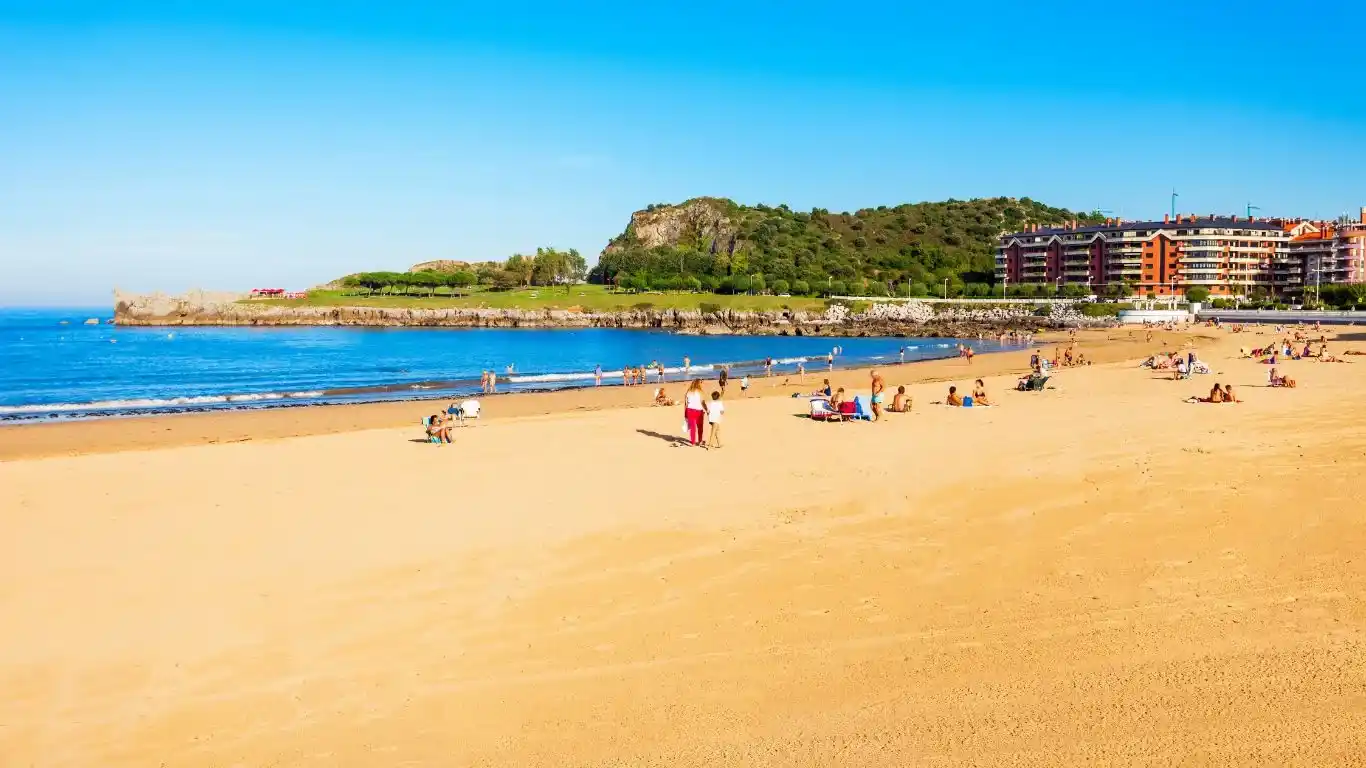
Discover an urban treasure located a stone’s throw from the historic center and the vibrant fishing port of Castro Urdiales. With its 400-meter stretch toward the cozy bay, this beach becomes the ideal combination of sun, sea, and golden sand.
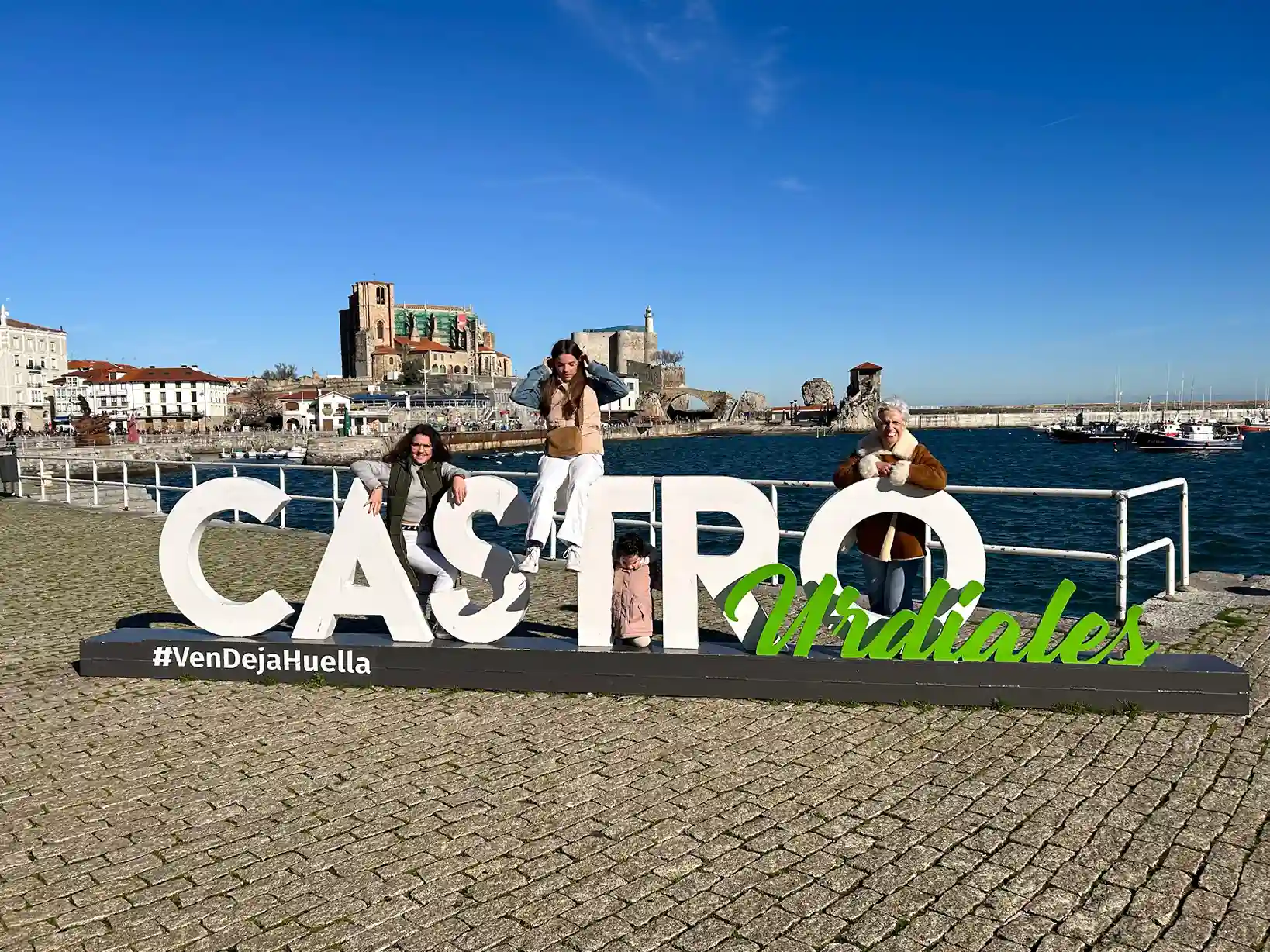
Near the port is another mandatory stop: the famous giant letters of Castro Urdiales. If you are one of those who can’t resist posing with these popular local icons, you will find them strategically located between the port and Amestoy Park.
4. Amestoy Park
Discover the charm of Castro Urdiales with children! If you are planning a trip that combines fun and culture, this beautiful park is a must-see.
Located right next to the iconic “Castro Urdiales” letters, this place shines not only for its play area designed especially for little adventurers, but also for its surroundings, which are dotted with wonderful pieces of the city’s architectural heritage. A notable example is the House for Isidra del Cerro, currently the Eladio Laredo Cultural Center, which sports an impressive eclectic façade with touches of French and modernist influence.
This park is not just the most charming urban corner of Castro, but also the perfect starting point to delve into the secrets of this coastal town. With an underground parking lot and the Tourist Office just a few steps away, starting your exploration here is really comfortable and exciting.
In addition, next to the Egulior Pier, the Music Park awaits you, an idyllic plaza that invites you to take a break and immerse yourself in the unique atmosphere of Castro Urdiales. Your family adventure in Castro Urdiales starts here!
5. Castro Urdiales Fishing Port
Explore the vibrant soul of Castro Urdiales through its iconic fishing port, a treasure that defines the essence of the Cantabrian coast.
This historic port, the center of maritime life since the Middle Ages, recounts the exploits of bold whalers and reflects the energy of a community eternally linked to the sea.
Originally recognized as one of the most important whaling ports, Castro Urdiales has transcended its past, adapting to modern times through tourism and economic diversification, without losing its connection to tradition.
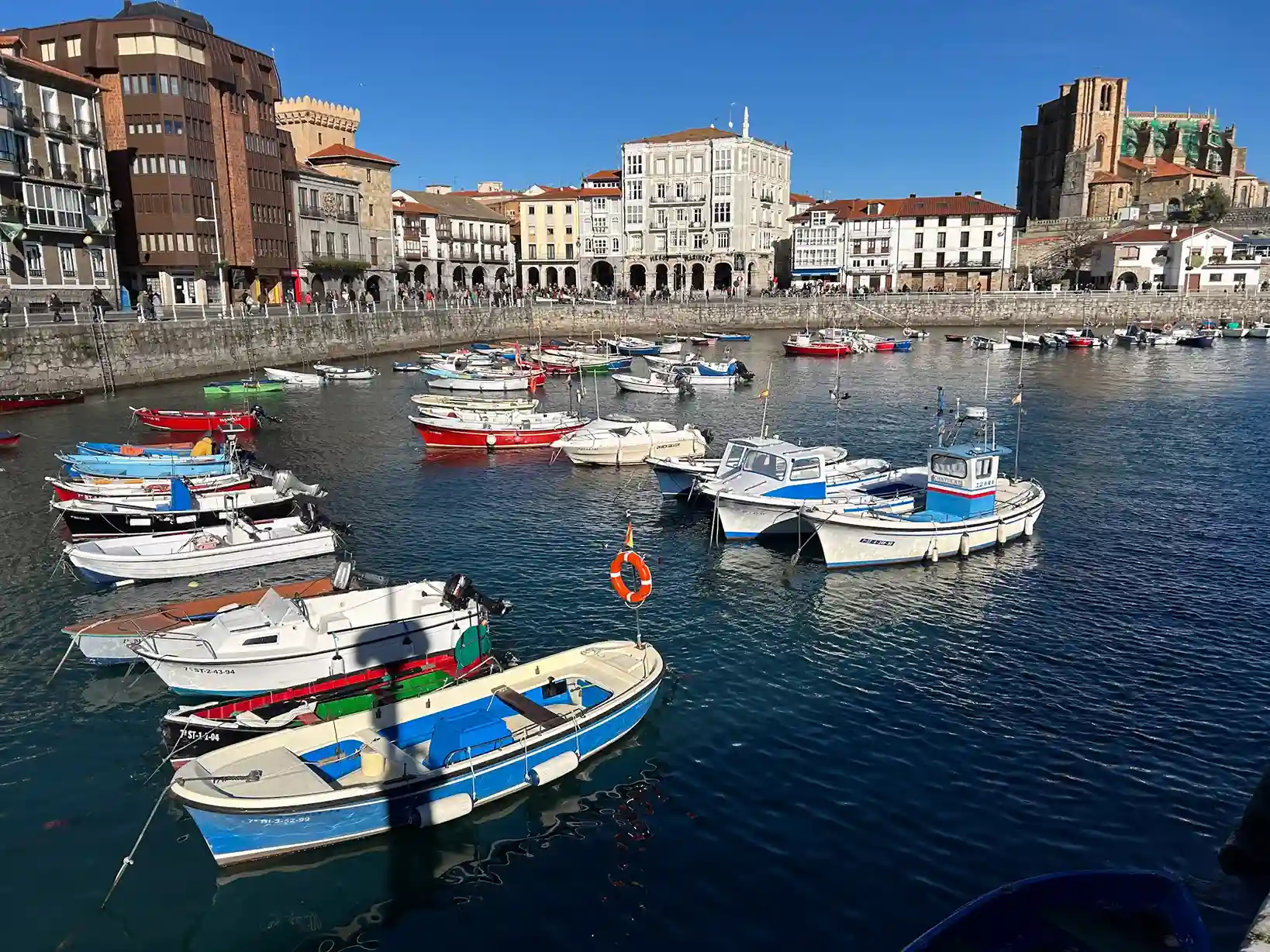
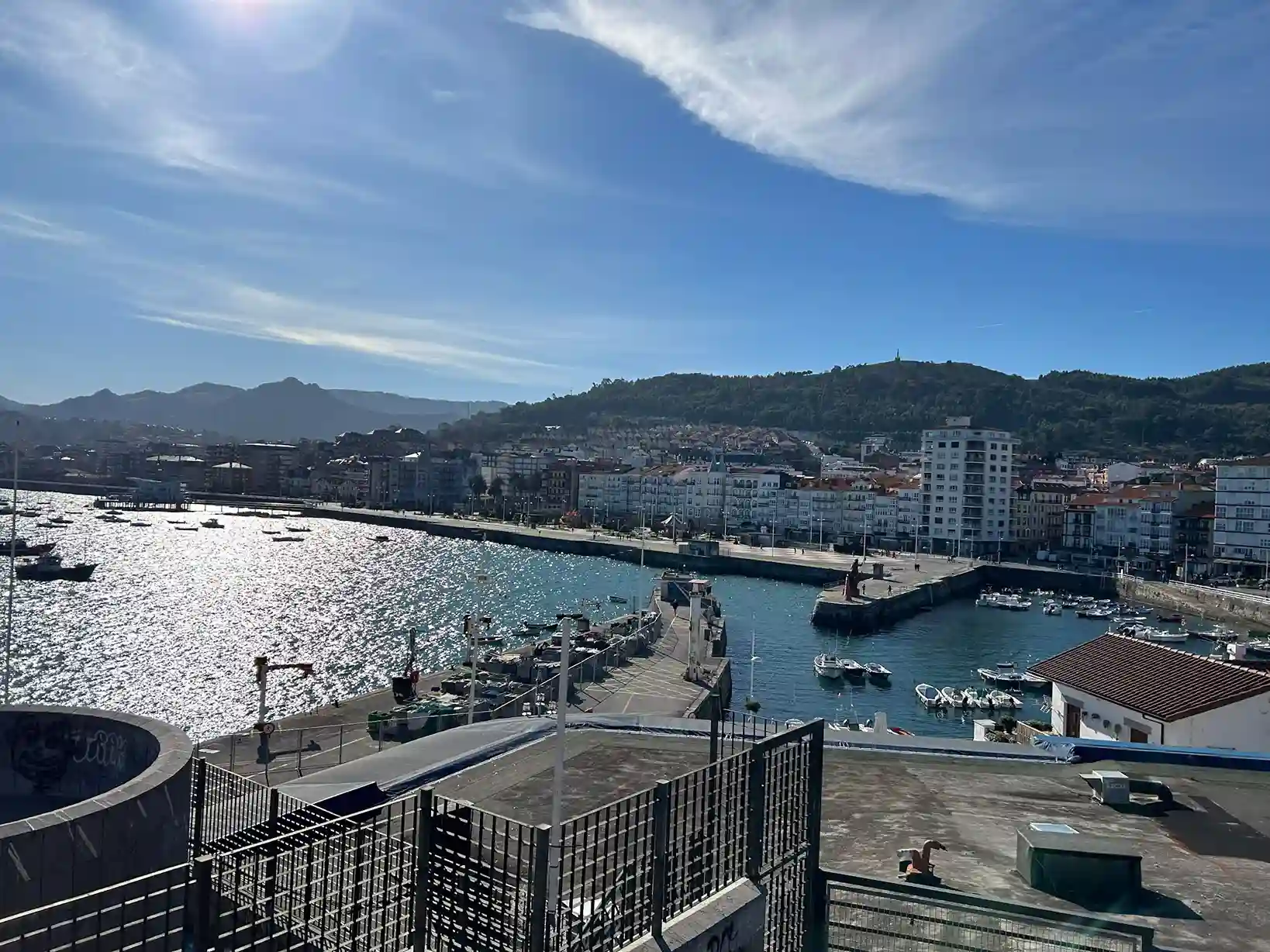
Located in the heart of the Old Town and opposite the Town Hall Plaza, the port of Castro Urdiales keeps the fishing tradition alive.
Its waters are filled with multicolored boats that daily provide fresh fish and seafood to the region.
This scene, with the Church and the iconic Castle-Lighthouse on the horizon, offers a view worthy of being captured in a photograph, promising an unforgettable postcard.
Additionally, the San Guillén slipway, known for its steep slope, plays a crucial role in maintaining the boats and, during the summer, becomes the favorite meeting point for those who wish to enjoy the good weather, whether sunbathing or diving into the refreshing sea waters.
Ready to dive into the waters of the Cantabrian Sea? Book a boat trip in Castro Urdiales and see the beauty of its coast from a unique perspective. And if you have a more adventurous spirit, this is the ideal place to experience your first scuba diving baptism.
6. Castro Urdiales Town Hall Plaza
This space stands as a hub of the town, where the Town Hall stands imposingly, surrounded by arcades that house bars and terraces, ideal for enjoying tapas under the arches in a cozy environment full of tradition.
The Casa de los Chelines, another treasure of this square, captures attention with its fascinating neo-Gothic façade and a central viewpoint adorned with Gothic elements, constituting one of the most prominent architectural landmarks of Castro Urdiales. Declared an Asset of Cultural Interest in 1991, its presence undoubtedly enhances the place.
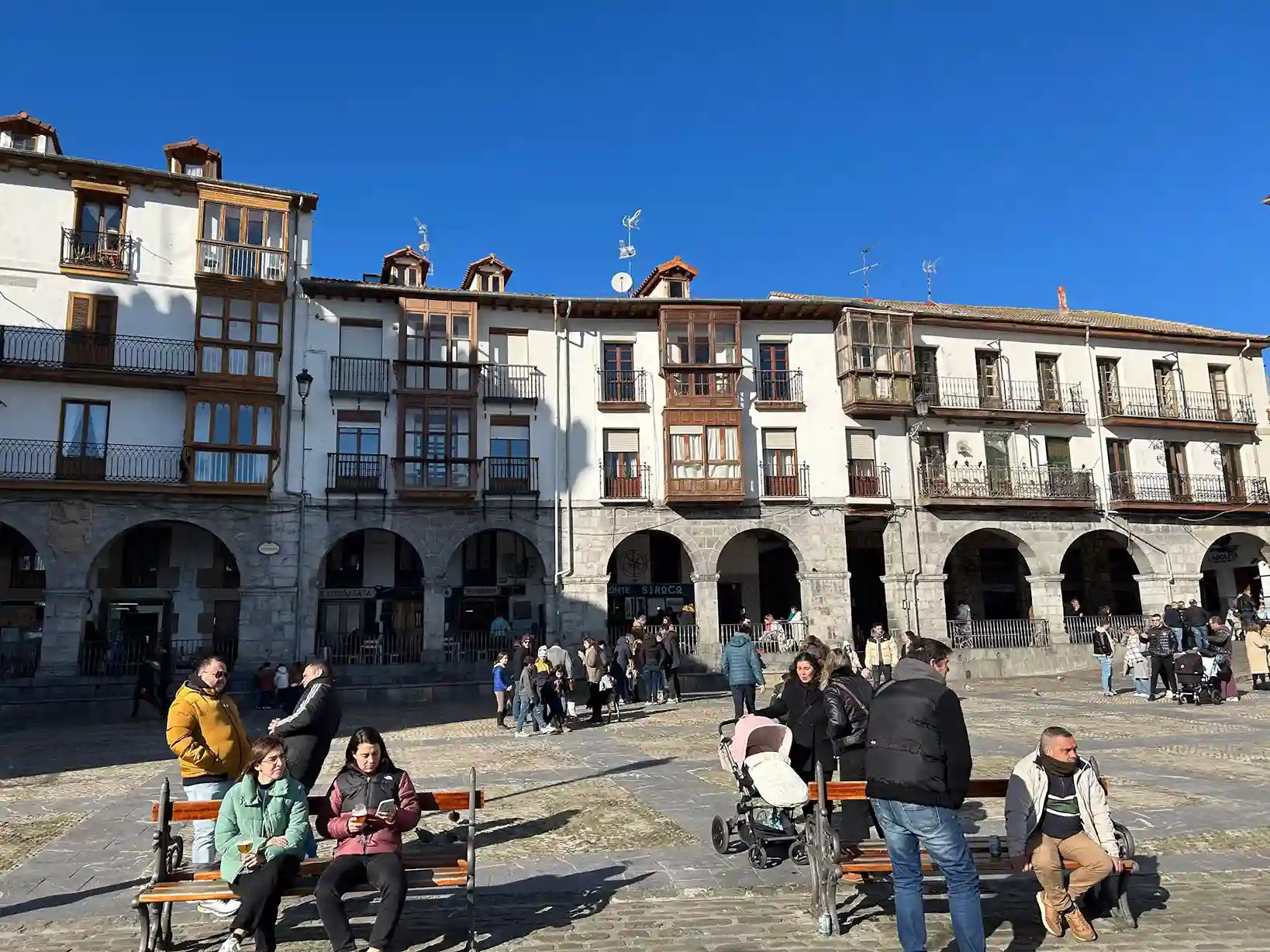
We encourage you to get lost in the network of emblematic alleys of the old town next to the Plaza to savor excellent pinchos and enjoy the best fish and seafood of Castro Urdiales.
7. Medieval Bridge
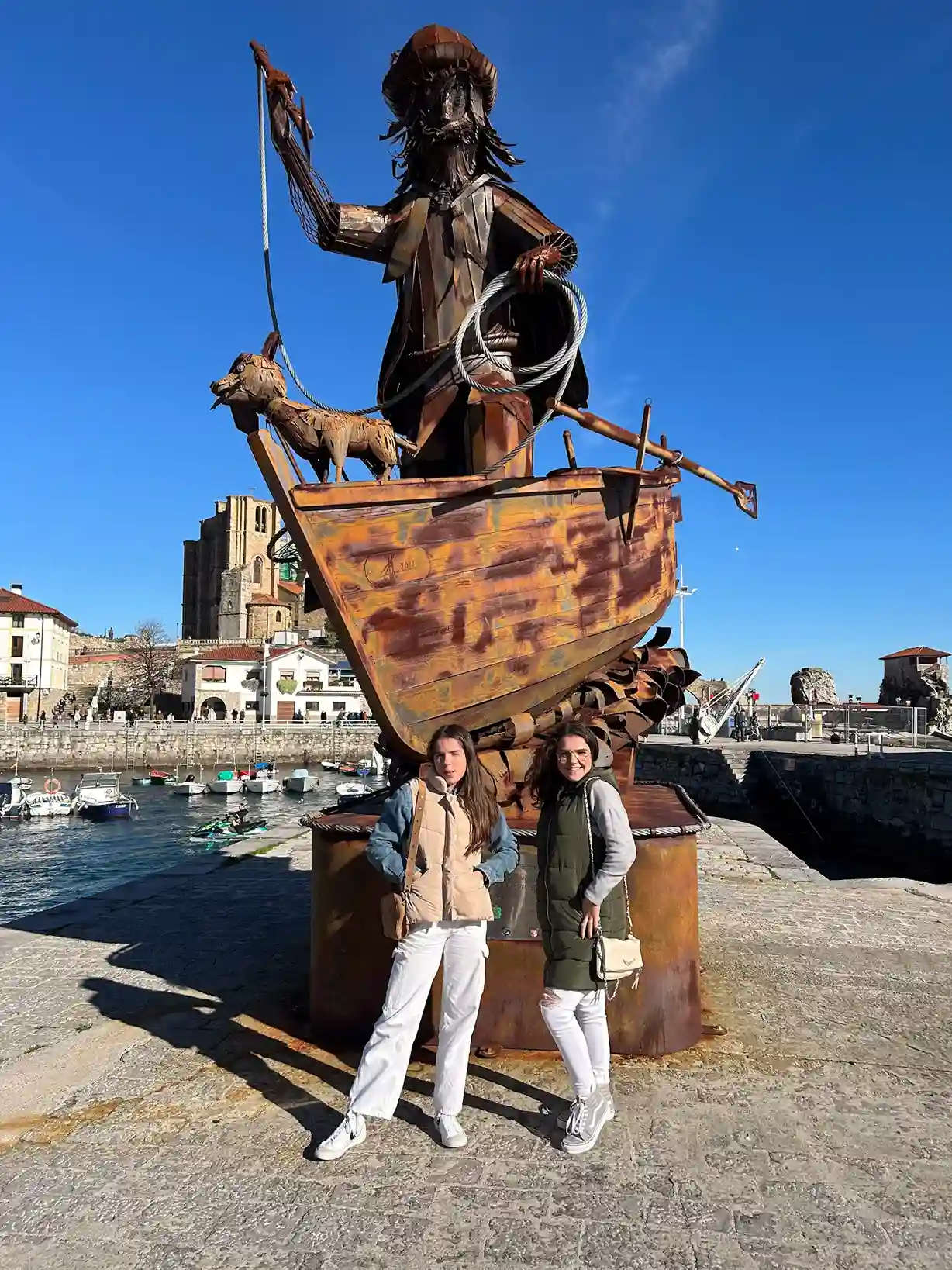
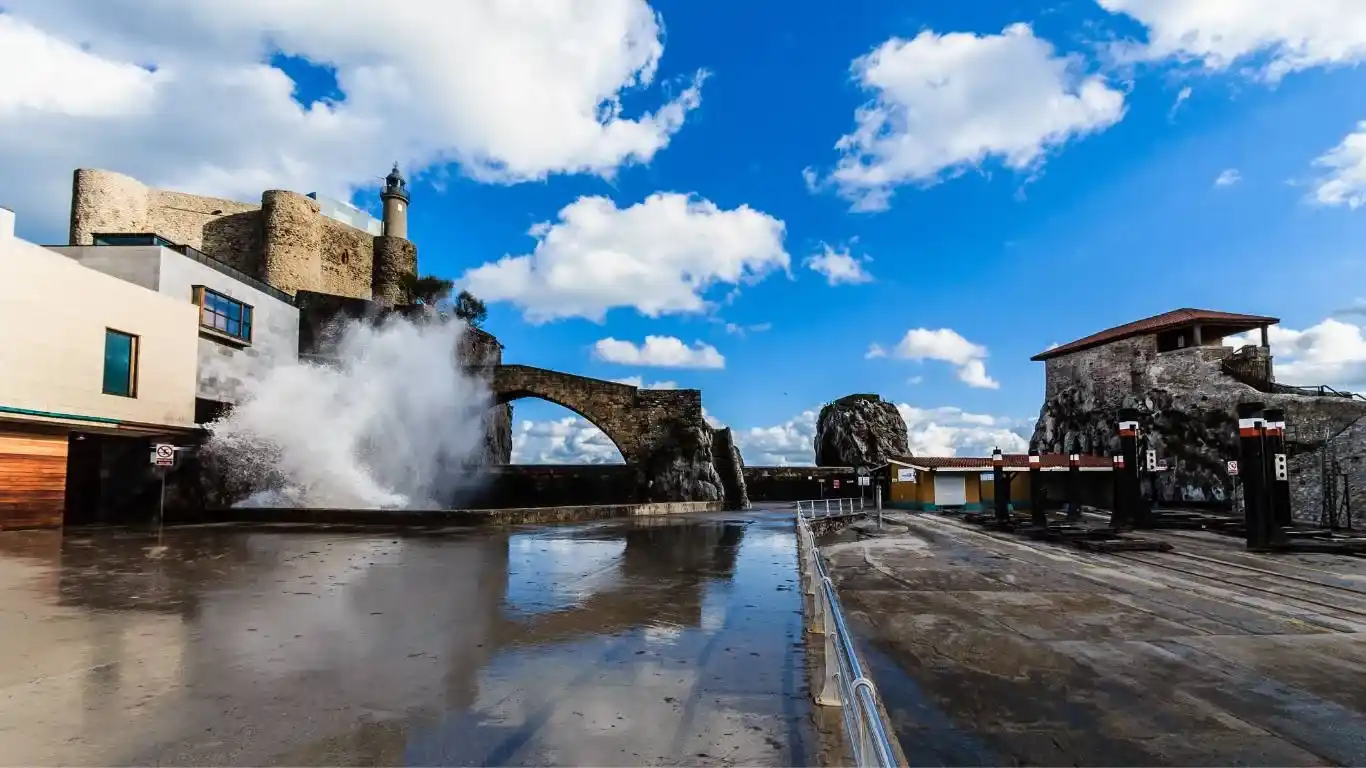
On your way along the Seafront Promenade, just after leaving the Plaza, you will find the Rower’s Statue and the Monument to the Net Menders, emblems that pay tribute to the city’s maritime traditions and to those who, with their daily effort, have given life and shape to this community.
The path leads us to a point that, without a doubt, deserves a pause in your journey. We invite you to stop for a moment to admire the Medieval Bridge, a gateway between two worlds: the promontory that houses the Castle of Santa Ana and the Church of Santa María, and the one that hosts the small Hermitage of Santa Ana.
8. Hermitage of Santa Ana
This small sanctuary, located to the right of the bridge and built on an islet, not only offers a haven of tranquility, but is also a silent witness to history. In 1978, it was recognized as part of the town’s Historic Site.
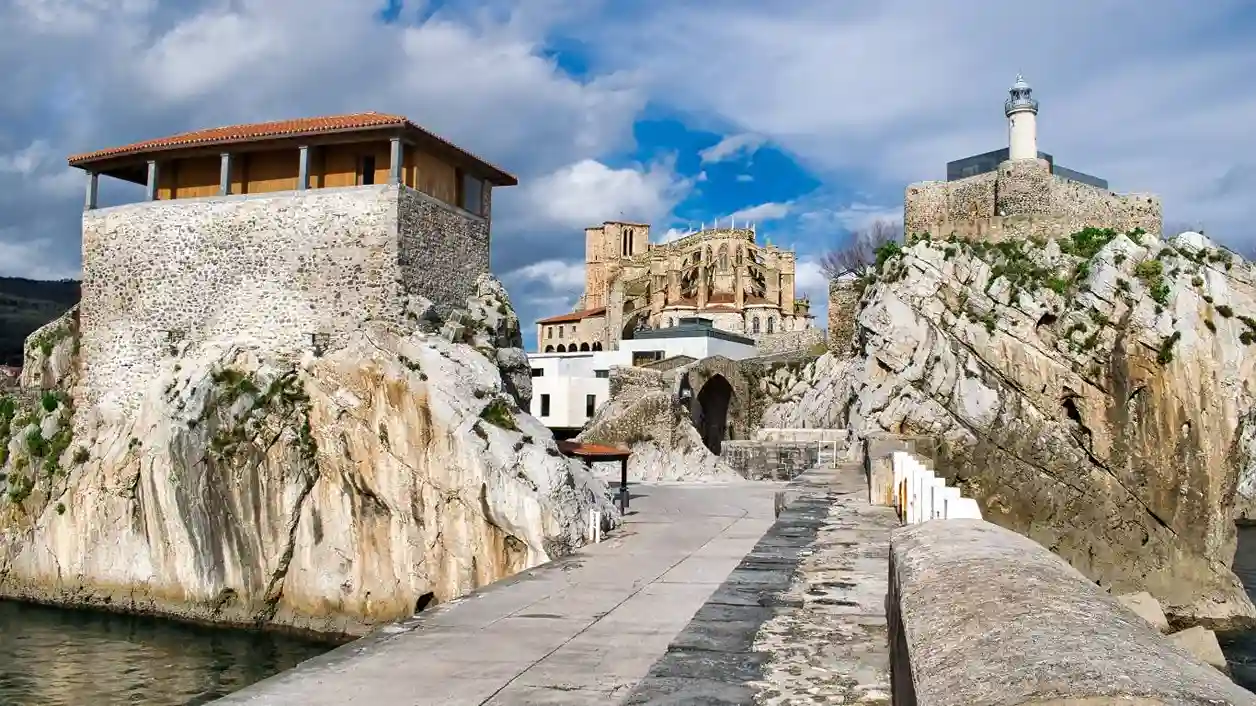
In the past, until the 18th century, the hermitage was the center of meetings for the Guild of Navigators of San Andrés. Today, it has been transformed into the Flavióbriga Interpretation Center, where visitors can immerse themselves in the rich cultural history of Castro Urdiales and discover the deep relationship between the sea, the land, and its people.
9. Castle – Lighthouse of Santa Ana
Finally, after crossing the bridge, you will find yourself before one of the most iconic and beautiful images of Castro Urdiales: the current Lighthouse, which stands imposingly in an unparalleled location.
This Lighthouse not only stands among spectacular cliffs but also rests on the ruins of an ancient castle, one of the few medieval castles still preserved in Cantabria.
This iconic historic complex, which dates back to the 13th and 14th centuries, together with the Church of Santa María de la Asunción, was a vital part of the medieval defensive system of the town. Although today there are no traces of the wall that surrounded Castro Urdiales centuries ago, history remains present in these monuments.
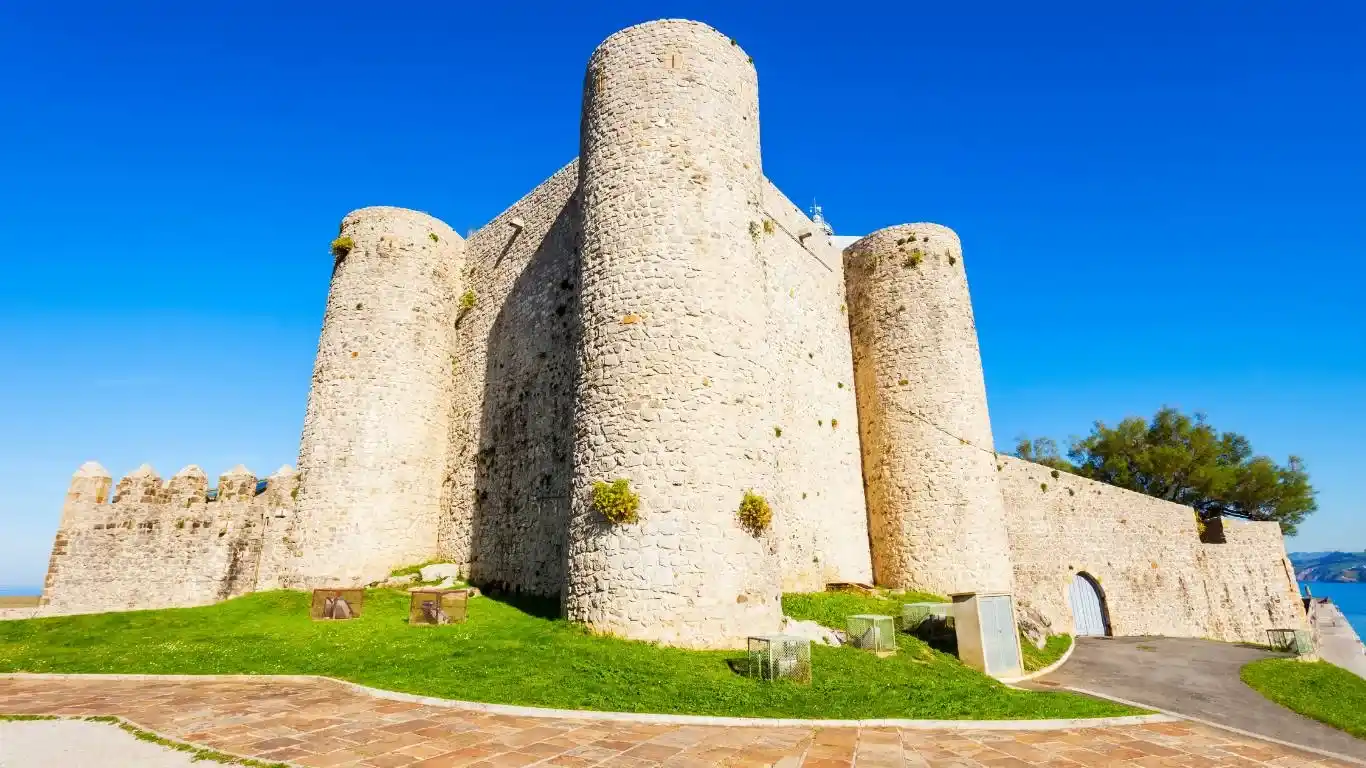
Declared a Historical-Artistic Site in 1978, the Castle of Santa Ana stands out both for its excellent state of preservation and for its unique pentagonal design.
Of medieval origin, the castle acquired a new function in 1853 with the construction of the Lighthouse inside, whose light guided sailors for the first time that same year.
Today, this Castle-Lighthouse is not only a maritime landmark but also a space dedicated to art, where free exhibitions and cultural activities are held, inviting visitors to tour its historic hallways.
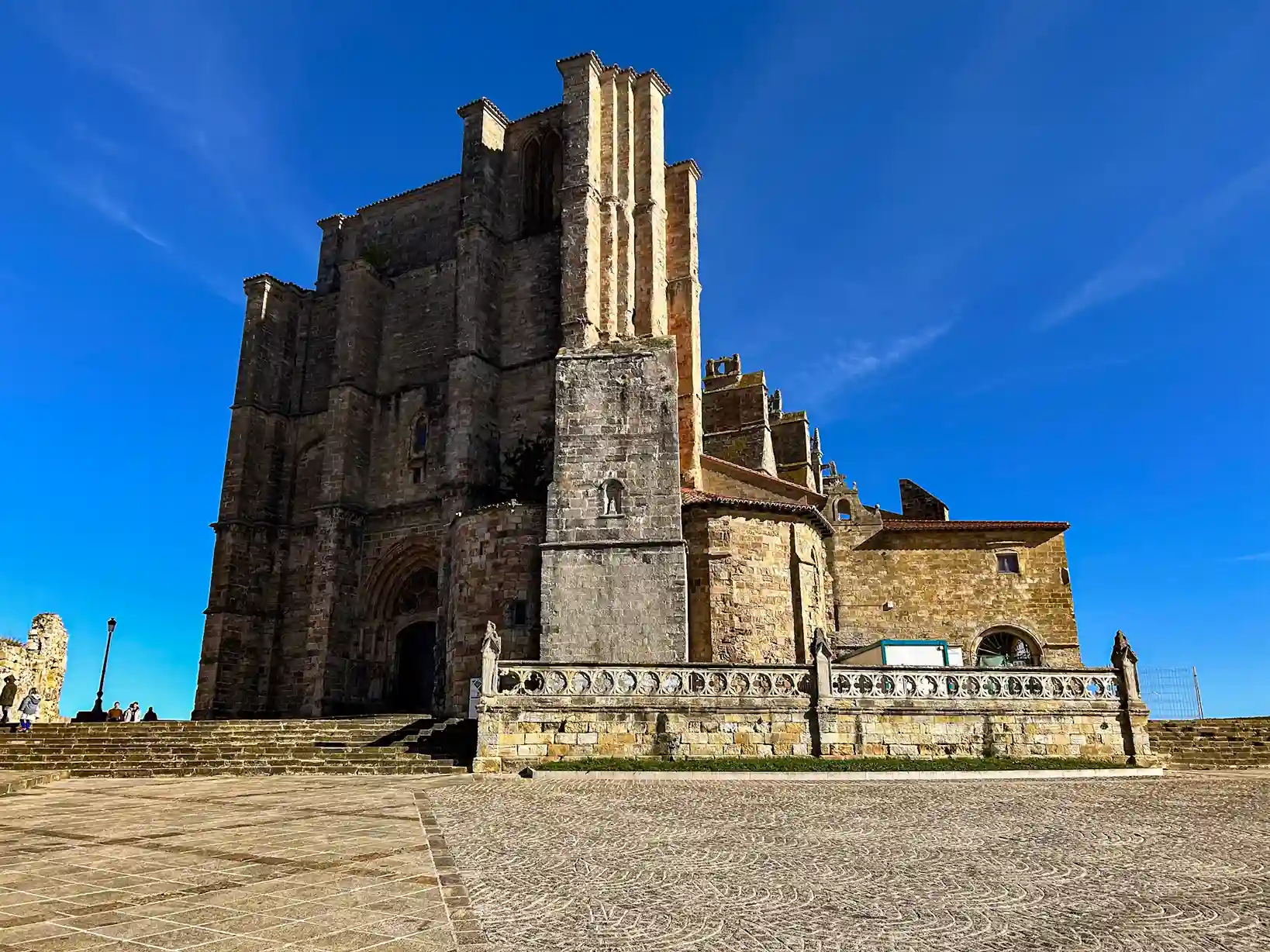
10. Church of Santa María de la Asunción
Leaving behind the majestic Castle-Lighthouse of Castro Urdiales, we head into the heart of the town to discover the Church of Santa María de la Asunción.
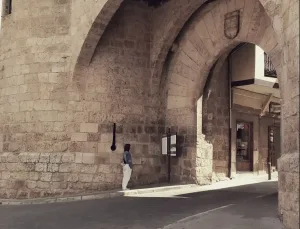
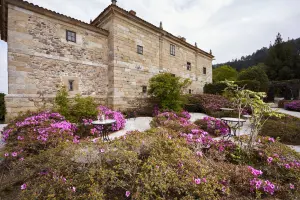
This temple is not only a symbol of the town, but also one of the most significant examples of Gothic architecture in Cantabria.
Its construction, which spanned from the 13th to the 14th century, was marked by the influence of French Gothic, sharing certain similarities with the majestic Burgos Cathedral built in the same period.
With its fascinating mix of history, art, and spirituality, it was declared an Asset of Cultural Interest in 1931. It is essential to walk around this temple to appreciate its exquisite architecture and its two impressive doorways.
Locally known as the Cathedral of Santa María, this church is a point of reference not only for Castro Urdiales but for all of northern Spain.
11. El Pedregal
After marveling at the Atalaya Park, we head into an adventure toward this treasure of Castro Urdiales.
It is a small cove of pebbles that becomes a natural pool, filling with life at high tide through a tunnel hidden under the cliff. El Pedregal is one of the most surprising corners that Castro Urdiales has to offer.
12. Ostende Beach
Castro Urdiales is a leading tourist destination throughout the year, thanks in large part to its stunning beaches. Among them is Ostende Beach, an artificial stretch of more than a kilometer, located along the Atalaya promenade, toward the west.
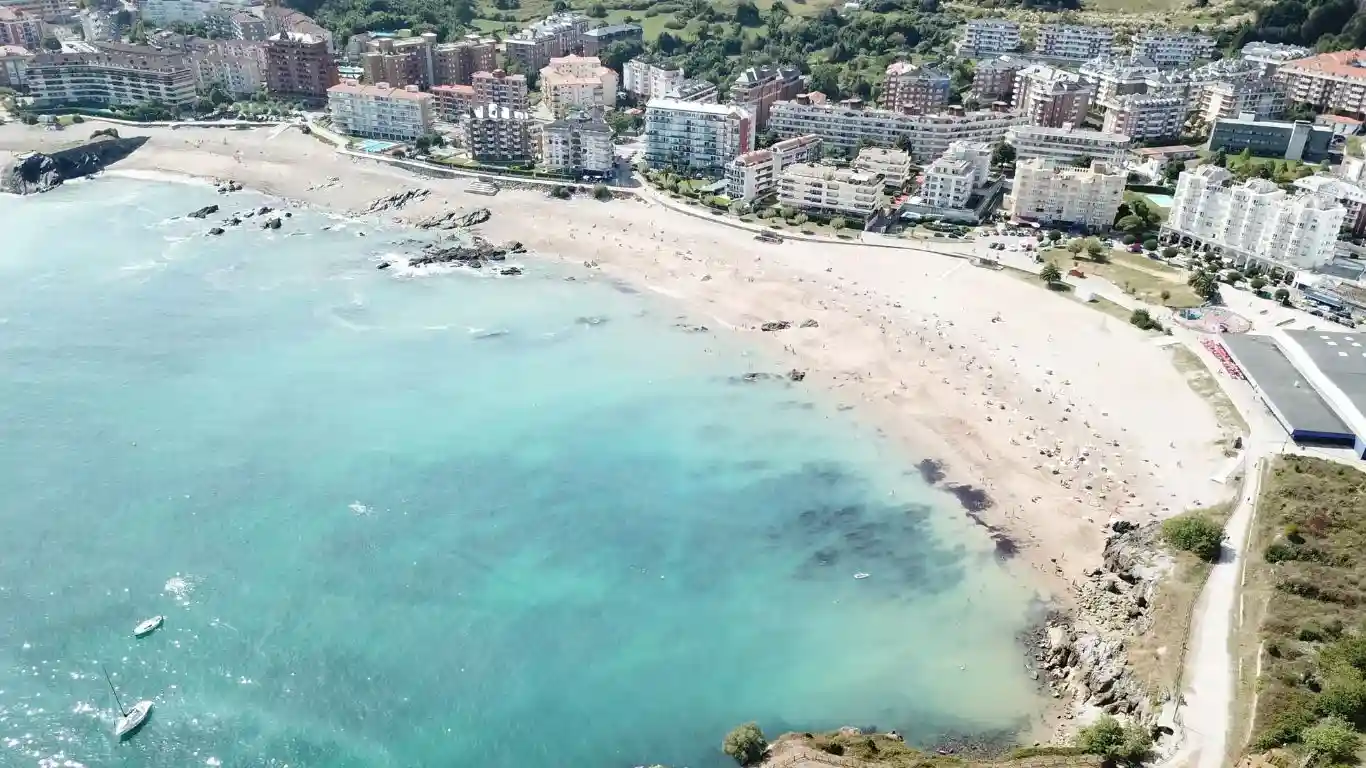
In the heart of this beach, the Punta de los Cuervos emerges, a rocky islet that sprouts from the sand, serving as an exceptional viewpoint over the Cantabrian Sea.
13. Flavióbriga Archaeological Site
If you are passionate about history, a visit to the Flavióbriga Interpretation Center is a must.
It is believed that in the 1st century A.D., Castro Urdiales was the site of a prosperous Roman settlement known as Flavióbriga. Thanks to its privileged strategic location, the port of Flavióbriga stood as one of the most vital commercial hubs in northern Hispania, serving as a crucial point of maritime connection with Gaul, the term with which the Romans referred to the vast region of Western Europe.
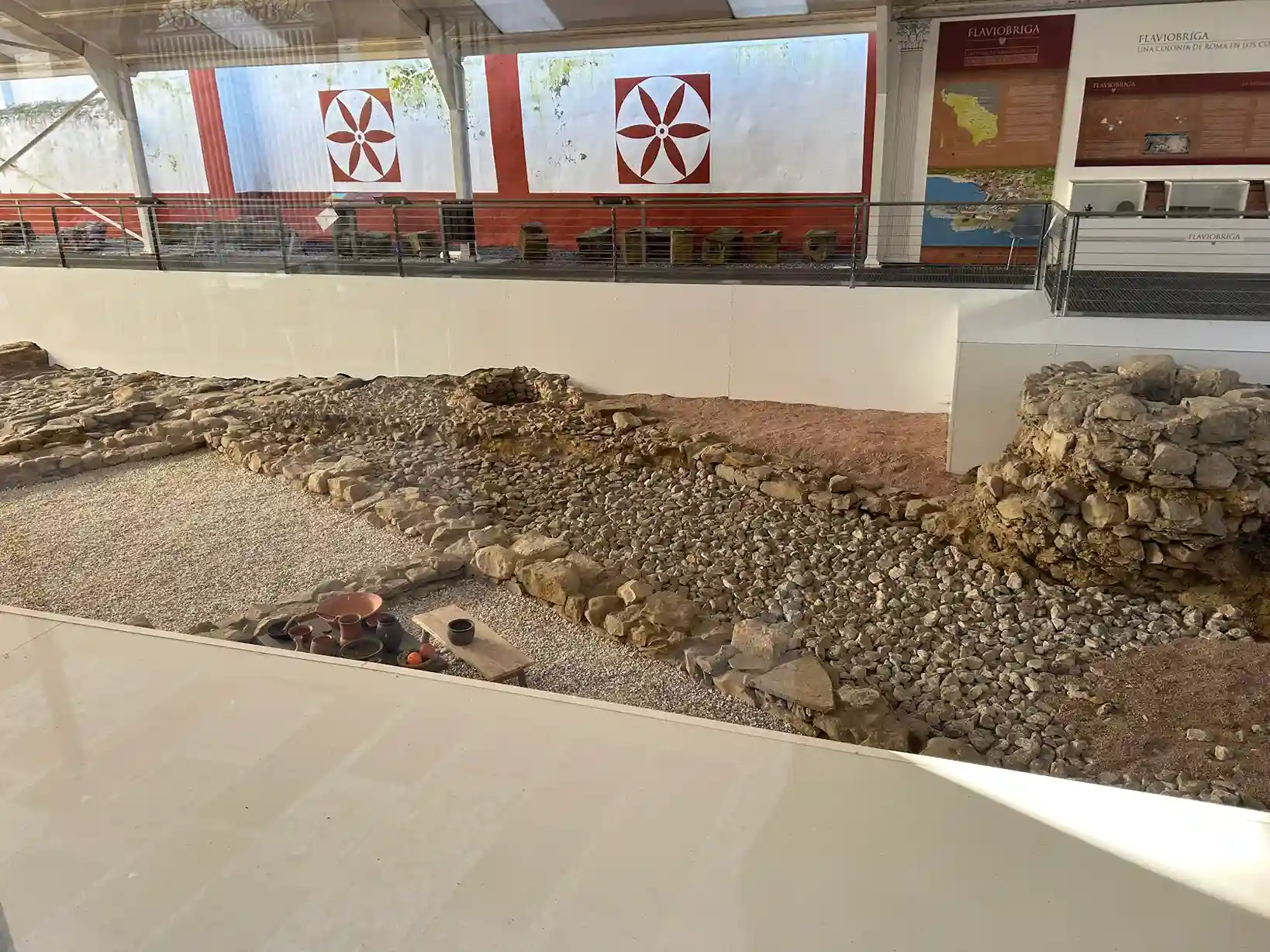
In our days, the traces of this ancient civilization continue to resonate through the numerous remains discovered, a testament to the only Roman colony on the Cantabrian coast.
This space not only offers a window into the Roman legacy of the city but also establishes a link with Julióbriga, the most significant Roman site in Cantabria, located in the south of the province, which also allows us to appreciate the complexity and depth of the civilizations that have stepped on these lands, leaving their indelible mark throughout the centuries.
14. Cementerio de la Ballena (Cemetery of the Whale)
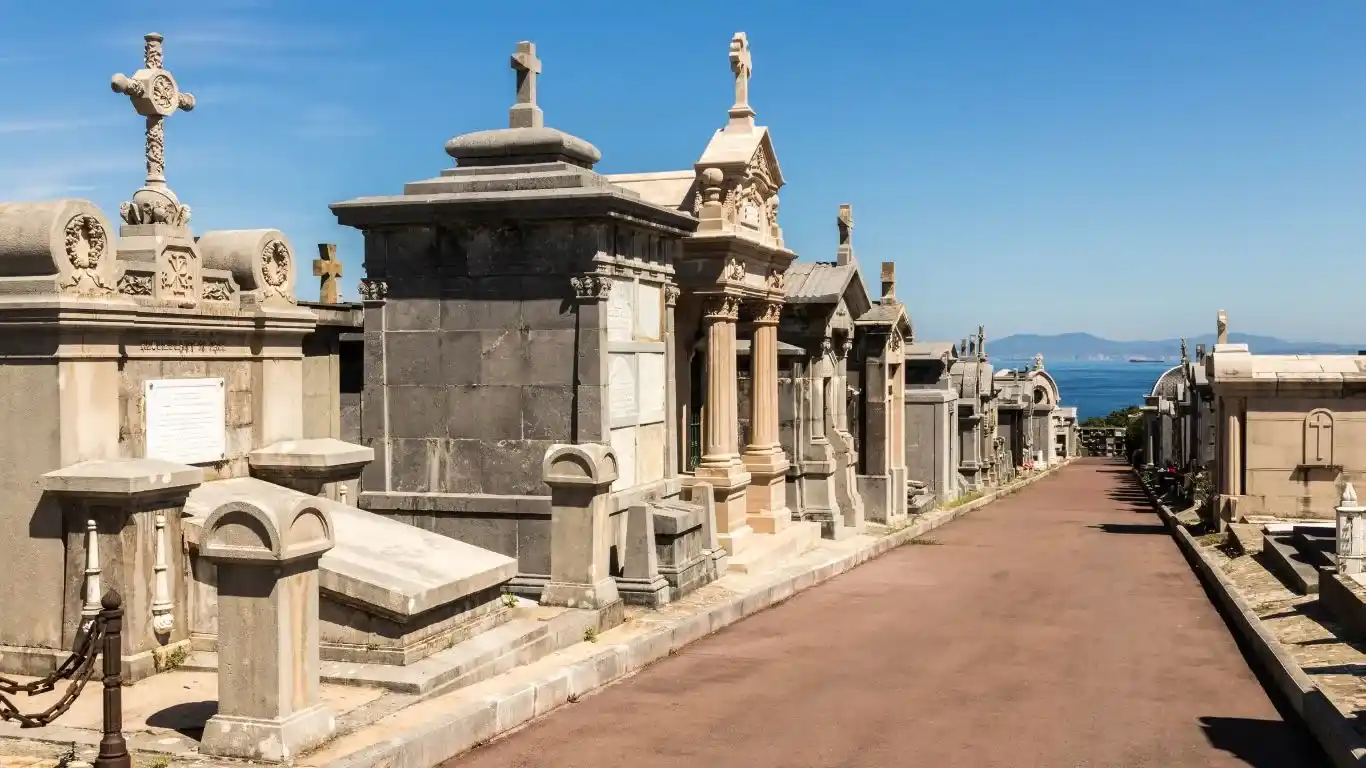
The Cementerio de la Ballena is an outstanding example of Spanish funerary architecture, highlighting its impressive views and historical value as an Asset of Cultural Interest, located on the outskirts of Castro Urdiales. After visiting the Comillas Cemetery, my interest in these places full of history has awakened even more.
What makes the Cementerio de la Ballena special, in addition to its location facing the Cantabrian Sea, is the variety of mausoleums and pantheons. With styles ranging from Neoclassical to Modernism or Art Deco, each monument surprises with its design and detailed decoration.
15. Peña del Cuco Cave
We conclude our guide to the 15 unmissable places to see in Castro Urdiales in 1 day by highlighting a site that, although not open to visitors, deserves a special mention for its historical and cultural significance, the Peña del Cuco Cave.
Located on the coast, west of the urban center and near the bullring, this prehistoric cave is a sanctuary of Upper Paleolithic rock engravings, dating back some 12,000 years, where deer, horses, and goats are represented with astonishing delicacy. A prehistoric treasure that, unfortunately, remains closed to the public.
FESTIVALS IN CASTRO URDIALES
The festivities of Castro Urdiales resonate with special echo in Cantabria, annually attracting crowds fascinated by the colorful display of the Coso Blanco.
This nocturnal parade of floats made with tissue paper, held in summer, has won the hearts of many, as well as the Living Passion of Holy Week, which has been deservedly recognized as a Festival of National Tourist Interest for its drama and spectacular nature.
WHERE TO EAT GLUTEN-FREE IN CASTRO URDIALES
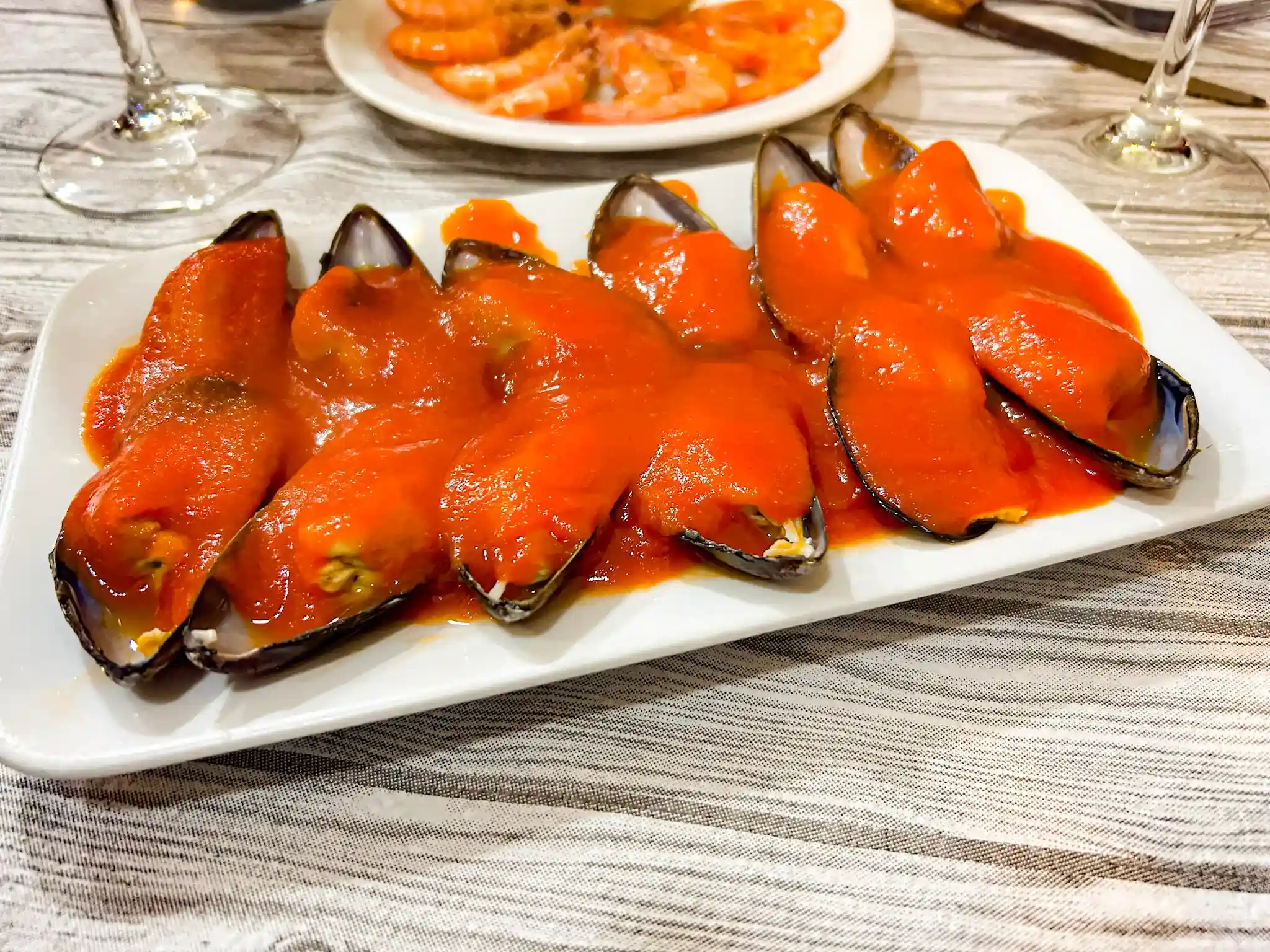
Although we still have a few restaurants to explore in person, if you find yourself in Castro Urdiales with a rumbling stomach, you cannot miss the bar Quinto Pino.
This little corner won us over with its delicious gluten-free proposals, perfect for all budgets, and for its friendly treatment. Just a small note: although they strive to do their best, they told us that they cannot 100% promise to avoid cross-contamination. But the experience, without a doubt, is worth it!
Read more: Where to eat gluten-free in Cantabria
Read more: Cantabria and Gastronomy: a tour of the best dishes and products
HOW TO GET TO CASTRO URDIALES
Just about 45 minutes by car from Santander and a little over half an hour from Bilbao, its location makes it a mandatory stop for those who venture to explore the north of Spain.
From Santander, you can also get to Castro Urdiales by bus with a fairly frequent line, but we recommend you get around in your own car or a rental one to move with greater freedom.
CAR ROUTE FROM SANTANDER OR BILBAO
Castro Urdiales reveals itself not only as a destination, but as a journey in itself, where the majesty of the Cantabrian Sea, the echoes of a vibrant history, and the delights of unparalleled gastronomy intertwine to create an unforgettable adventure.
We challenge you: delve into the heart of this charming fishing town and discover, in person, the reasons that make Castro Urdiales an essential landmark on the map of Cantabria and northern Spain.
We hope to see you soon, explorer of flavor and culture, in our beloved little land!
And remember, your adventures and discoveries are the soul of Glutendtrotters.
Share your stories and moments experienced in Castro Urdiales with us!
We are eager to know each of the treasures you have discovered on this unique trip.
More information at:
Castro Urdiales Tourism Portal
Tourism in Cantabria: Castro Urdiales
Vive Castro Urdiales: tourist guide
You might also be interested in reading:
Frequently Asked Questions (FAQ)
What can’t you miss in Castro Urdiales?
You can’t miss in Castro Urdiales: walking around the port, the promenade, the Santa Ana Castle-Lighthouse, the church of Santa María de la Asunción, the medieval bridge, the hermitage of Santa Ana, and, of course, enjoying good tapas on Calle La Rúa. In high season, this street is really lively.
Is it worth visiting Castro Urdiales?
Totally. For us, it is a very beautiful town. Simply the fishing port is amazing, and if you also walk to the Santa Ana Castle-Lighthouse or the Church of Santa María de la Asunción, you will be adding a plus to your visit. If you are staying in Bilbao and have enough days, don’t miss visiting Castro Urdiales.
What towns to see near Castro Urdiales?
In our opinion, you shouldn’t miss Laredo and Ramales de la Victoria.
Where can you eat gluten-free in Castro Urdiales?
We recommend the bar Quinto Pino, which won us over with its gluten-free options, suitable for every budget, and its friendly, family-run atmosphere. They did tell us that, although they do their very best, they can’t promise to avoid cross-contamination 100%, so if you have celiac disease it’s best to let them know when ordering and to confirm the offer before you go, since small businesses can change. We still have restaurants in town left to try in person.
How do you get to Castro Urdiales from Santander or Bilbao?
Castro Urdiales is about 45 minutes by car from Santander and a little over half an hour from Bilbao. You can also take a fairly frequent bus from Santander, although we recommend traveling by your own or a rental car for more freedom.
When are the festivals in Castro Urdiales?
The best known are the Coso Blanco, a nighttime parade of tissue-paper floats held in summer, and the Holy Week Living Passion (Pasión Viviente), recognized as a Festival of National Tourist Interest for its drama and spectacle.


