


Currently named as possessing the Best Monument in the World, Comillas leaves no one indifferent: it’s a living catalog of architectural wonders and a reflection of the era’s social evolution. That’s why we’ve dedicated this post to one of Cantabria’s most beautiful villages, showing you the best things to do in Comillas with a tour of its 10 must-see sights.
In the late 19th century, its beaches were the setting for the famous “wave baths,” which drew the bourgeoisie and kicked off a transformation still visible in the town’s lively summer life today, with the parties at the Palaces of Ocejo and Sobrellano bearing witness to an era of splendor. All of this is framed by a stunning natural setting, with the Ría de la Rabia backed by the Picos de Europa, making Comillas an unmissable destination in the heart of Cantabria.
The best free tours in Comillas
A brief history of the Marquis of Comillas
The Marquis of Comillas, Antonio López y López, was key to the town’s transformation on both an architectural and political level. Thanks to his close relationship with the crown and his role in the monarchical restoration of 1874, Comillas became a prestigious summer destination for the nobility.
His legacy, together with the intervention of great modernist architects such as Gaudí and Domènech i Montaner, endowed the town with a monumental heritage that includes works such as El Capricho, the Sobrellano Palace, and the Pontifical University. This splendor led to Comillas being declared a Historic-Artistic Site in 1985.

Before your trip to Comillas
Don’t forget to get a travel insurance with IATI (5% discount for Glutendtrotters readers), activate your Holafly eSIM (also with a 5% discount for you) if you’re coming from outside Spain, and book your rental car with Discover Cars to get around the western coast of Cantabria with total freedom.
10 MUST-SEE SIGHTS IN COMILLAS
1. Capricho de Gaudí
The Best Global Tourist Landmark 2023!
Yes, among the goods of cultural interest that Comillas houses is this modernist building, known for its iconic sunflower mosaics and the accompanying statue of Antoni Gaudí, and named the Best Monument in the World.
It is one of the few works the artist carried out outside of Catalonia and, as could not be otherwise, our starting point for this tourist guide to the 10 must-see sights in Comillas.
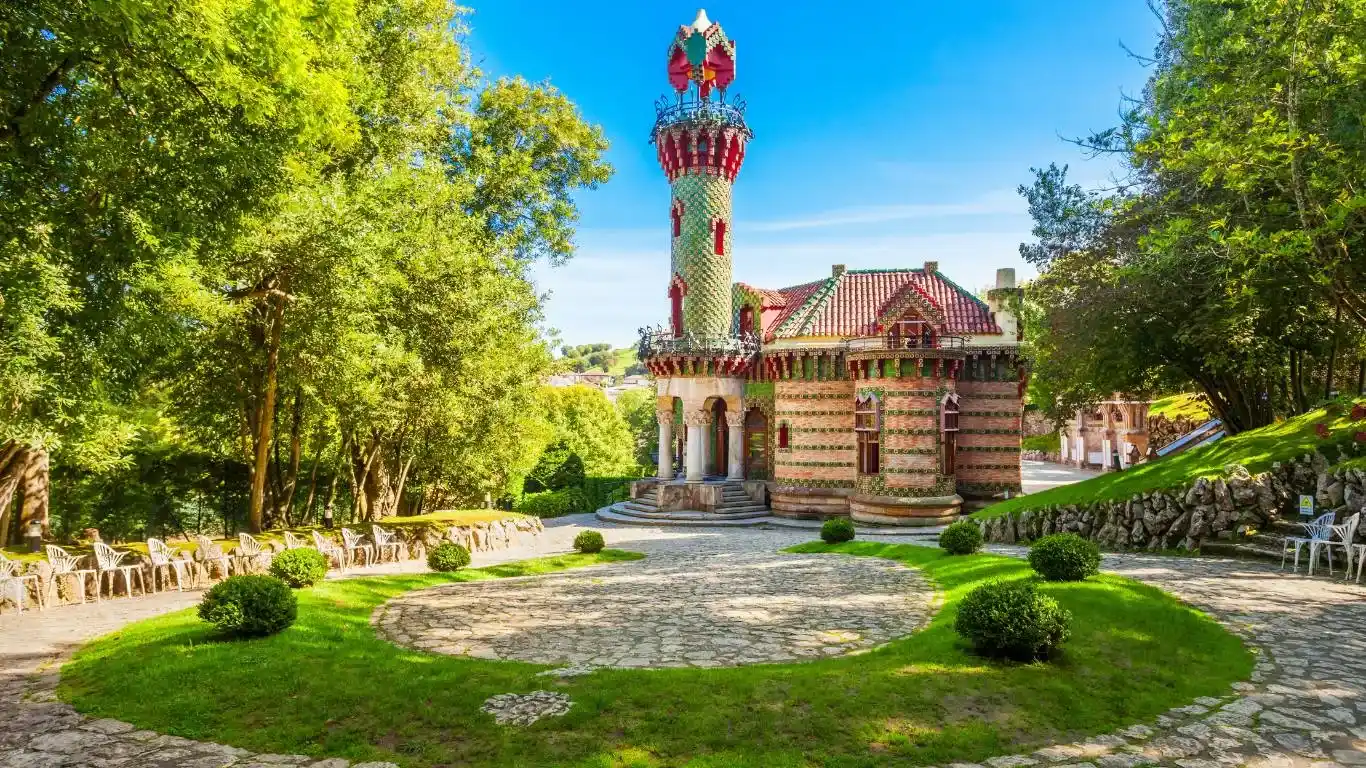
This “Indiano” (emigrant who returned from the Americas) who made his fortune in Cuba, a lawyer by profession and a fan of botany and music, did not hesitate to contact Joan Martorell’s assistant on the works of the Sobrellano Palace to carry out “Villa Quijano,” better known as “El Capricho.” It was none other than the revolutionary and unique Antoni Gaudí. However, it was not he, but Cristobal Cascante, who directed its construction based on the model and plans of the Catalan genius, who never traveled to Comillas.
The artist’s exultant imagination has left us as a legacy this building that emanates color and fantasy wherever you look, and which contains a very careful symbology where nothing was chosen at random by the creator. Musical references, the careful acoustics, and the sunflowers are some of the details that honor the precursor of this wonder, who passed away without being able to enjoy it much.
The exuberant exterior, with its minaret tower, its colorful tiles, and its unsettling greenhouse, encloses an interior that is no less spectacular, with an abundance of ornamental details and very exquisite materials such as stained glass, ceramics, and sculpted wood.
We recommend you take this guided tour of the Capricho de Gaudí with an expert. You can purchase your ticket at this link.
2. Sobrellano Palace and Chapel
Antonio López y López, upon returning from Cuba to Barcelona, sought a refuge that would reflect his financial success. He initially chose the Moja Palace, but it was the Sobrellano Palace in Comillas, a medievalist fantasy by Joan Martorell, that was his dream come true. Designed to host the retinue of King Alfonso XII during his summer retreat, even though the royal guests never ended up enjoying it, the palace stands as a testament to ambition and aristocracy.
A fun fact is that the palace was the first building in Spain with electric light.
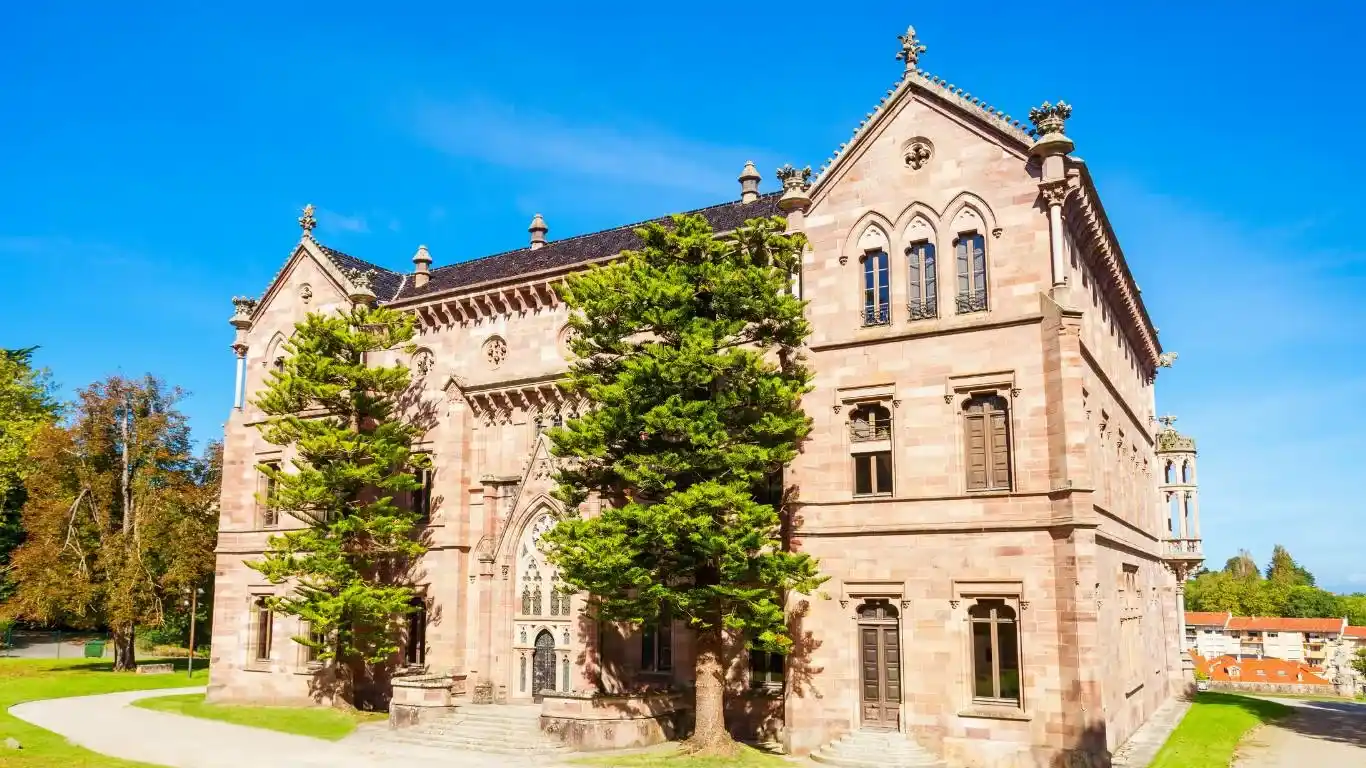
Antoni Gaudí, the luminary of Modernism in Spain, had the opportunity to collaborate with Joan Martorell in the creation of the Sobrellano Palace in Comillas. His talent overflowed in the design of the family chapel’s furniture, a masterpiece that could well be described as a cathedral in miniature.
A few steps away, Comillas displays more of its architectural splendor. A short walk is enough to stumble upon structures that capture the essence of the Neo-Gothic style of the late 19th century, with the Sobrellano Palace and its attached Chapel-Pantheon being the jewels in the crown. From the outside, the majesty of its Neo-Gothic style will invite you to pull out your camera, while the interior, especially the pantheon, is a window into an era of opulence, often compared to a miniature cathedral.
Comillas requires time to be explored; it deserves to be savored beyond just a few hours. Each corner tells stories of past eras that deserve to be listened to with time and affection.
3. Constitution Square and historic center
We leave the uniqueness of these grand monuments to enter a beautiful and surprising historic center. It is not for nothing that we are before a layout declared a Historic-Artistic Site in 1985 on its own merits.
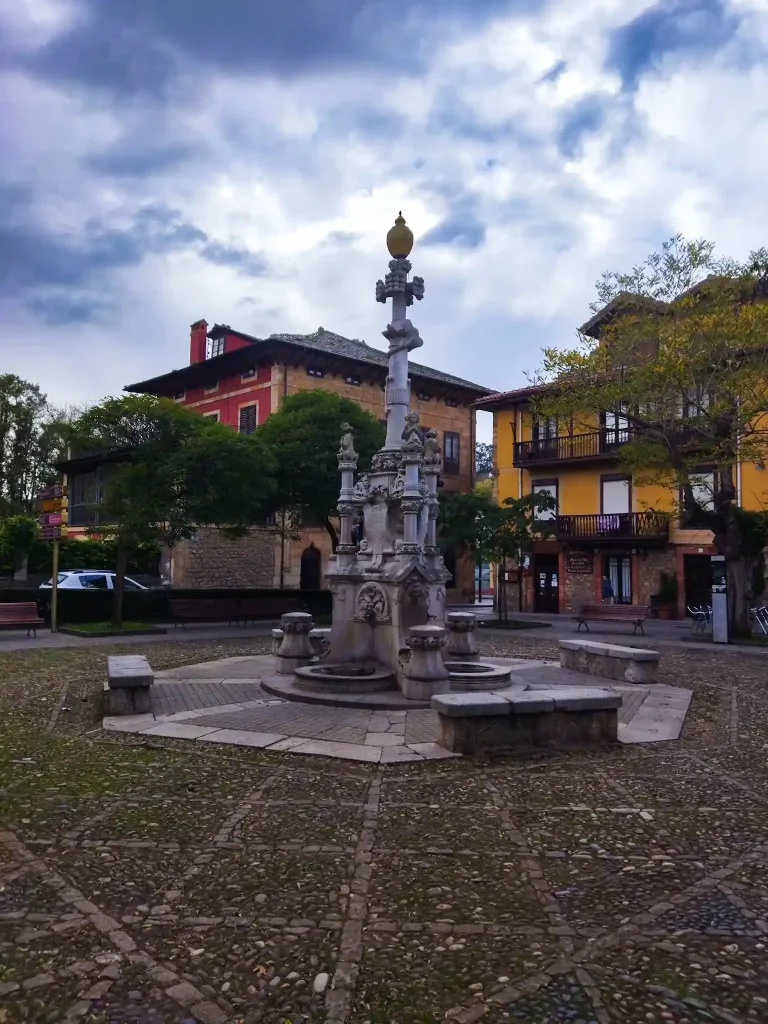
We begin the tour at the Plaza de los Tres Caños, where the monumental Three-Spout Fountain (Fuente de los Tres Caños), the work of the important modernist architect Lluís Domènech i Montaner, stands out. From there, our steps will take us to the wonderful Plaza de la Constitución, where two buildings shine with their own light: the Old Town Hall of Comillas and the slender Church of San Cristóbal.
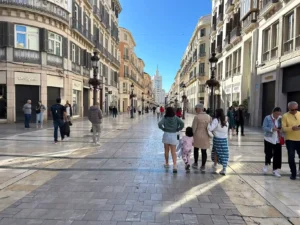

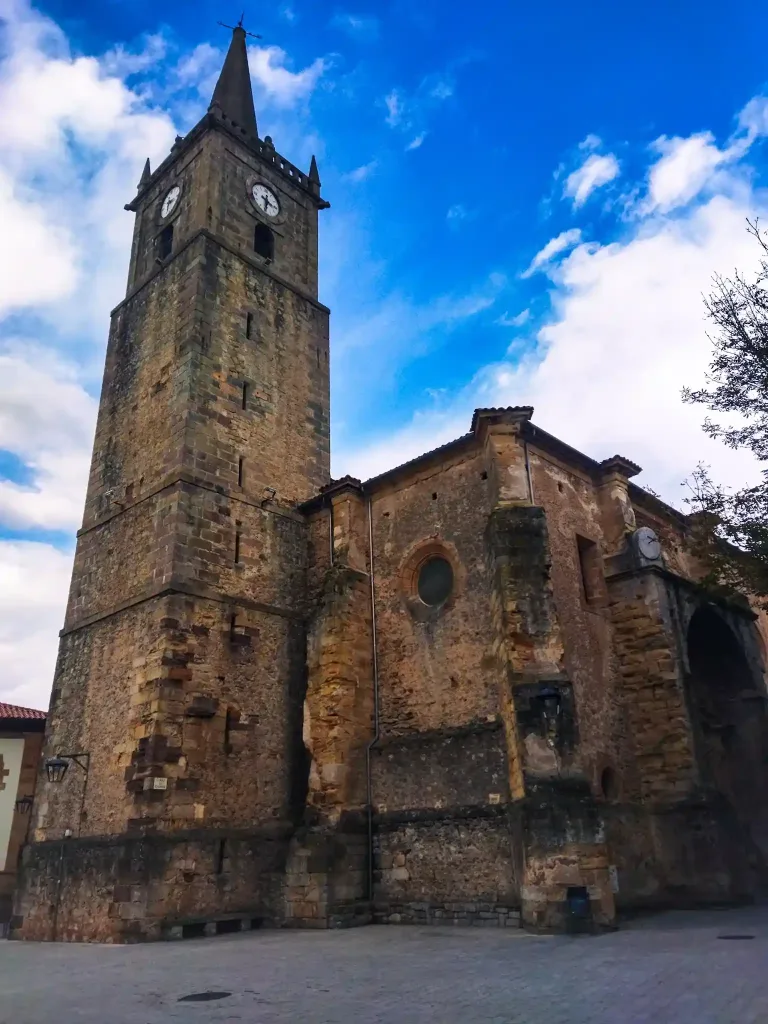
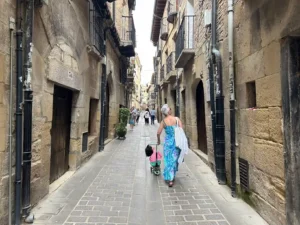
From this point, I only have one piece of advice: let yourself be carried away by the narrow streets of Comillas! A walk without a fixed destination that will lead you to discover, among narrow and cobbled streets, the best of the local popular architecture and beautiful palatial houses. A legacy that seems to whisper to us at every corner about the importance of this Cantabrian town in times past.
4. Pontifical University of Comillas
Majestic, fierce, breathtaking, and any other superlative you can conceive. Why on earth would such a building with such attributes be erected in a place as modest as Comillas? That is the question that strikes us immediately. We are referring to a monument whose proportions are colossal and which stands out for its unique style, which intertwines Neo-Gothic, Mudéjar, and Modernist elements.
To be precise, we must mention that we are standing before what was the Pontifical University of Comillas( currently home to the Comillas Foundation), since the official institution resides in Madrid. A globally renowned milestone in the teaching of theology. Hence, Comillas is given the title of “archiepiscopal city”.
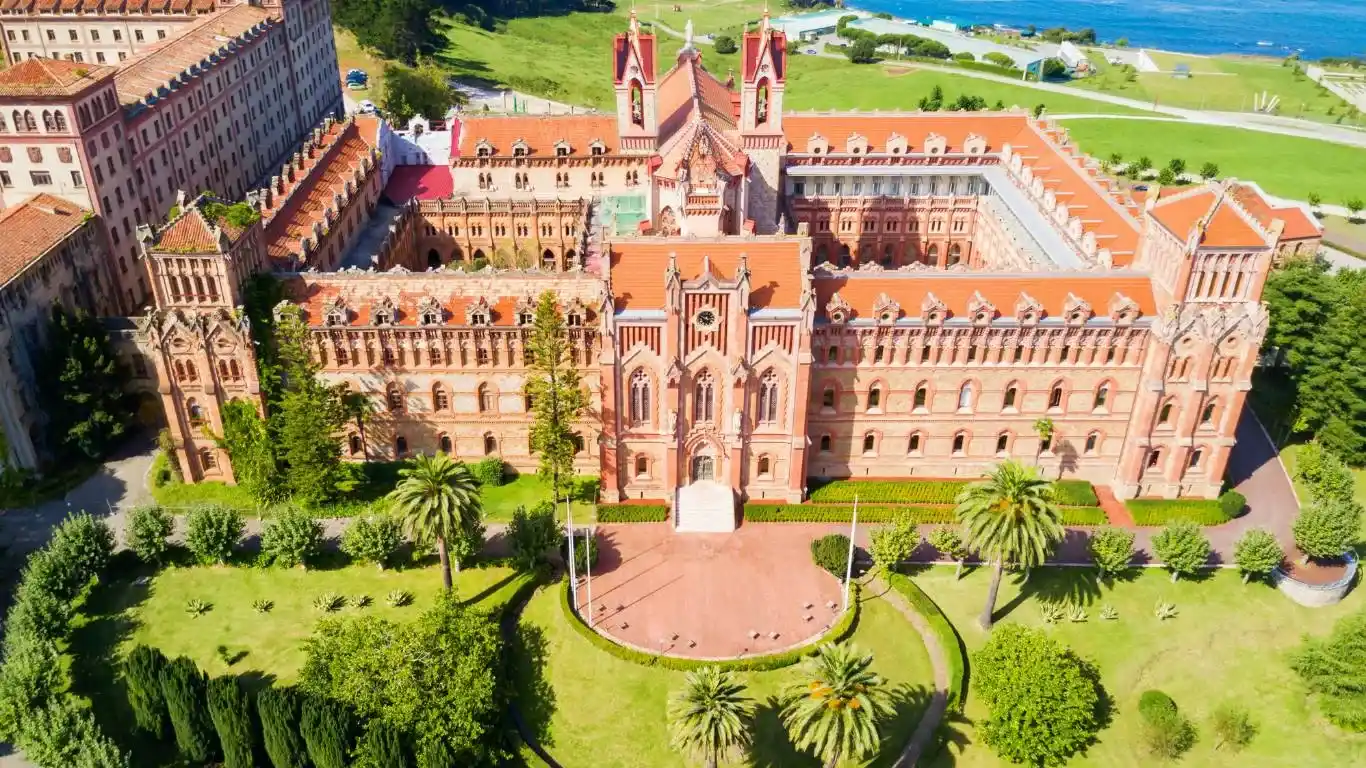
If the Marquis had not passed away on January 16, 1883, before the works were completed, he could have watched from the balconies of his palace, like any other retiree, the progress of his other great work: the Pontifical University. It stands impressively in front of the Palace, on a promontory that dominates the view of Comillas.
Conceived in its origins as a Catholic seminary destined to educate the most disadvantaged children in the area, it represented a final act of devotion, perhaps as an attempt to redeem his reputation as a slave trader, an image that began to be propagated by his own brother-in-law, Francesc Bru, who described him as an unscrupulous businessman.
5. Monument to the Marquis of Comillas and the House of the Duke
After getting lost in the narrow and cobbled streets of the old town, climb up to the upper part of the village. There, standing out among the other buildings, is the charming House of the Duke of Almodóvar del Río.
It’s impossible not to let yourself be carried away by the fantasy of living in such a fascinating palace, right? This splendid palace of English design radiates beauty and mystery in equal measure. In the sunlight, its halls and gardens become the perfect backdrop for photo sessions for couples seeking to seal their love in images. And when night falls, when silence takes over its rooms, it transforms into the ideal set for horror movies, as seen in “Sexykiller” or “La herencia de Valdemar.”
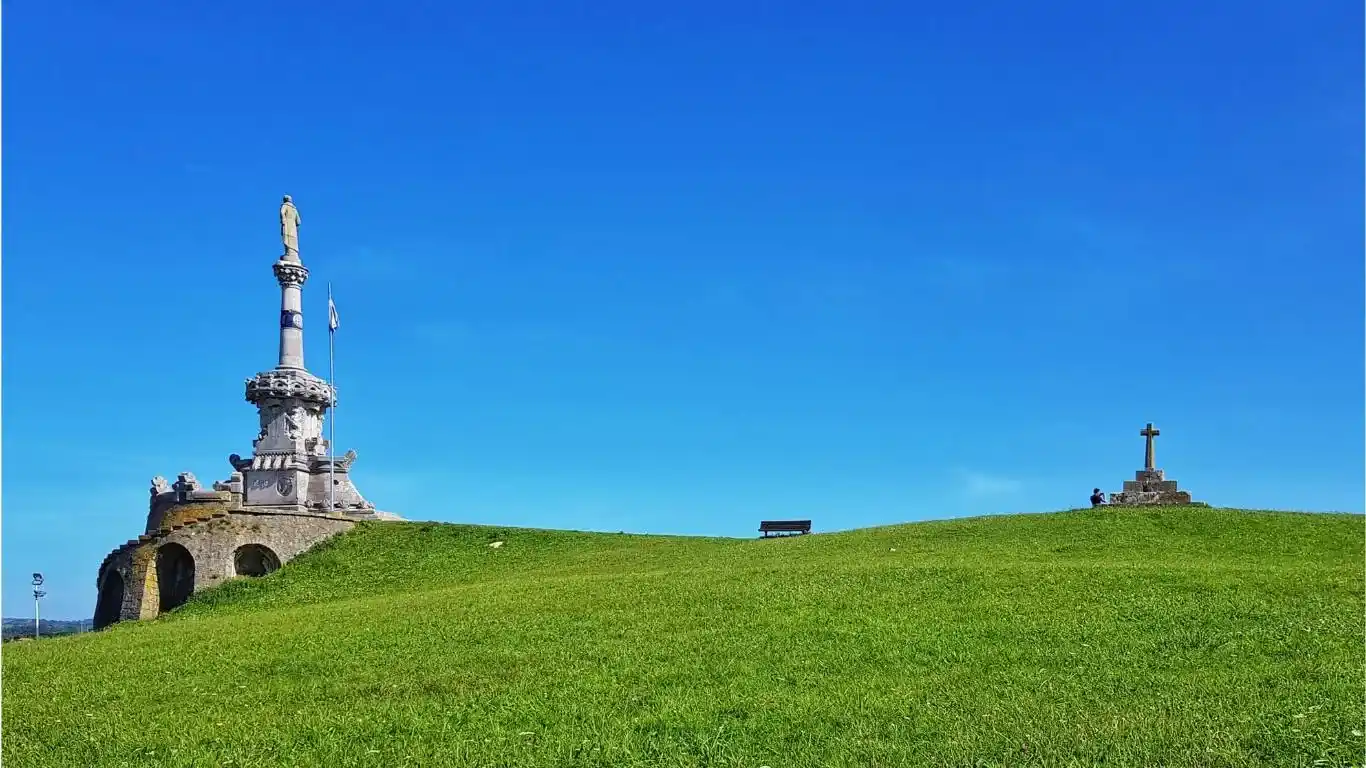
The legacy of Antonio López y López, the 1st Marquis of Comillas, reverberates in the duality of statues that pay tribute to him. One, already removed from public view in Barcelona on March 4, 2018, yields to the shadows of his past as a slave trader. However, the other, the work of Domènech i Muntaner, stands proudly in the Parque Güell y Martos of Comillas, emulating the bow of a ship sailing towards the horizon. Thus, on a nautical pedestal, the Marquis contemplates the town that saw him leave at the age of fourteen after a street brawl.
This place is a privileged balcony that offers the most spectacular views of the Comillas coastline and constitutes an essential visit to understand the patrimonial and cultural opulence of such a unique municipality.
6. Comillas Cemetery
The Comillas Cemetery, with its aura of serenity and beauty, is a place that awakens unexpected curiosity in the visitor. It is not an ordinary cemetery; it is ranked among the most beautiful in the world, and once you visit it, it’s easy to understand why.
The design of the cemetery is a modernist masterpiece, courtesy of the renowned architect Lluís Domènech i Montaner. In his vision, he decided to preserve and beautify the ruins of what was once a medieval church. Today, the cemetery, with its masonry walls worn by sea salt, at the top of a hill looking north over the town, near the coast, leaves us breathless.
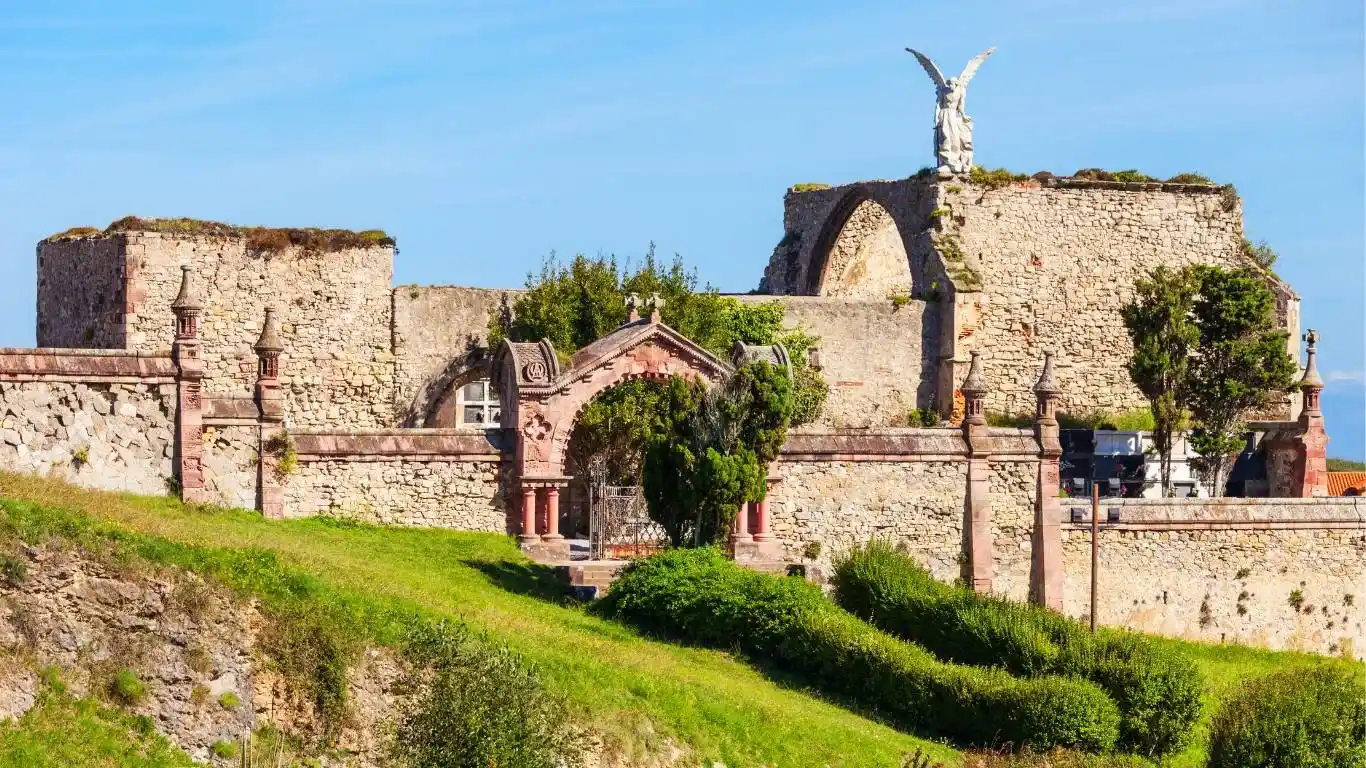
And at the top, the Exterminating Angel stands as a guardian and symbol, donated by the first Marquis of Comillas, who found that the sculpture was too large for the family pantheon. Now, this angel not only guards the memory of the Marquis but has become an emblem of the town, observing from its watchtower the vastness of the sea and the eternity of time.
In this sacred precinct rests Máximo Díaz de Quijano in the Mausoleum of the Piélagos Family, a place that, although he did not live to enjoy it, has become a testament to his legacy. The tomb, with its grieving angel, is a work of art in itself, the result of the collaboration between Domènech i Montaner and Llimona, and although impressive, it does not overshadow the magnificence of Villa Quijano.
7. Santa Lucía Viewpoint and the Bird Gate
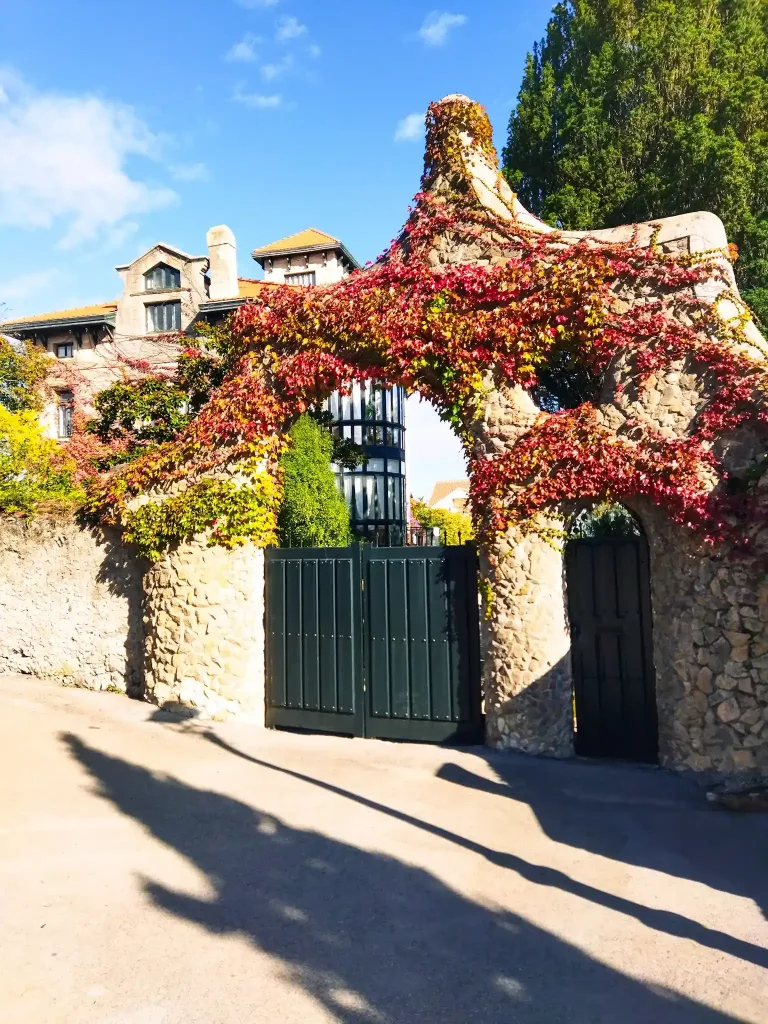
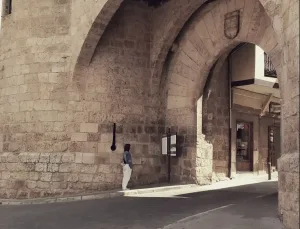
If you still have the desire to discover modernist jewels, you cannot leave without seeing the Bird Gate (Puerta de los Pájaros). It is the entrance to a private house, but what makes it special is that it bears the unmistakable signature of Gaudí. Although it is not one of his most well-known works, it has all the elements you would expect from him: organic shapes, intricate details, and that touch of fantasy that seems pulled from a fairy tale.
A little further on, the Santa Lucía Viewpoint awaits you. It is a place that is not in every tourist guide, but I assure you that the visit is worth it. From there, the views of the coastline offer you a completely different perspective, as if you had suddenly been lifted up and could see the world through the eyes of a bird. Next to it, you will find the Ermita de Santa Lucía, small and simple, which adds a touch of tranquility to the place. It is true that the area could be better maintained, but the views more than make up for it. It is the perfect place to take a break, feel the breeze, and take away a mental image that will not be easily erased.
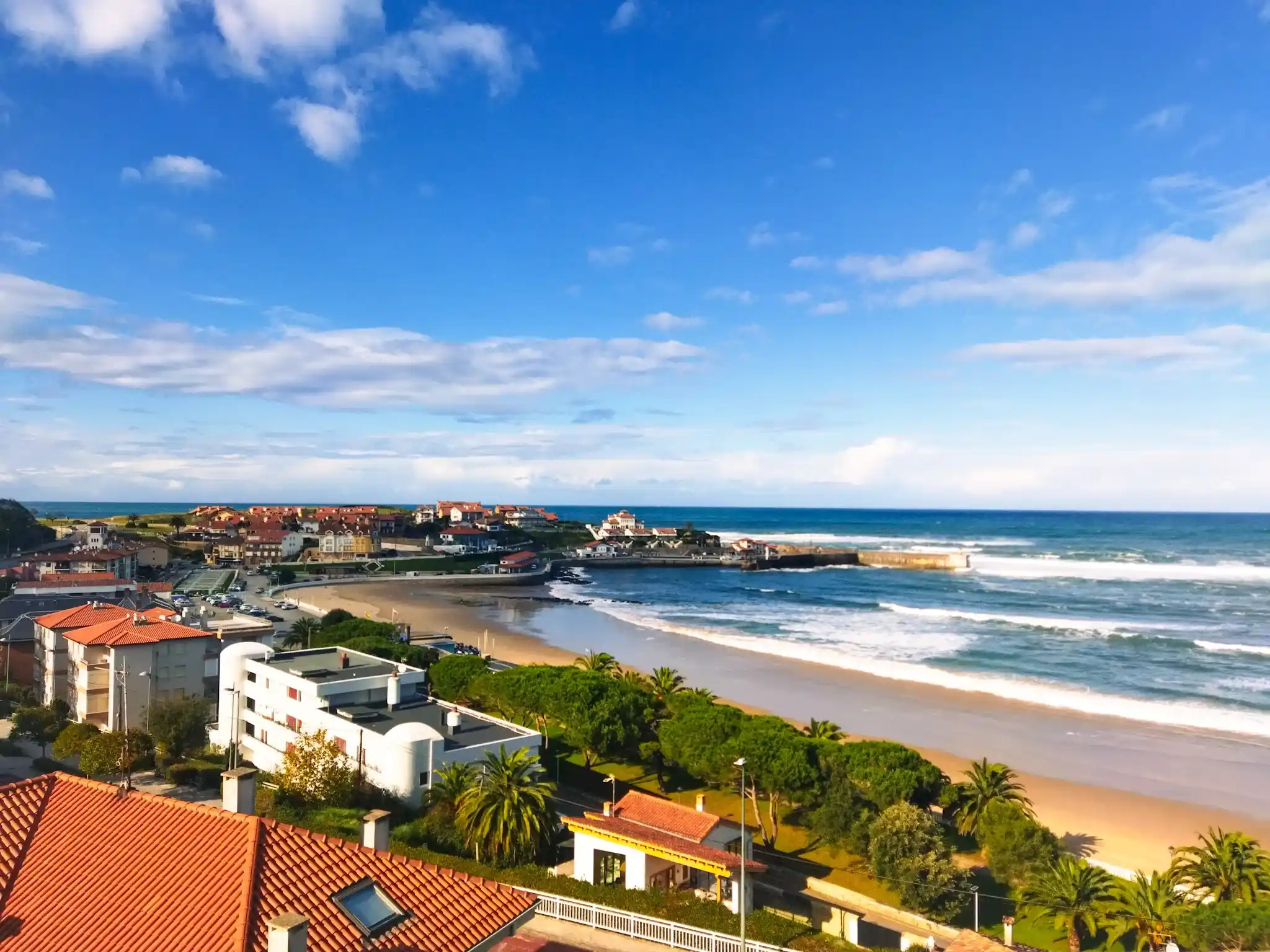
Remember that these places, even if they are not in the center of the historical bustle, are little pearls that complete the Comillas experience, giving you a broader and richer vision of this charming town.
8. Beach and Port of Comillas
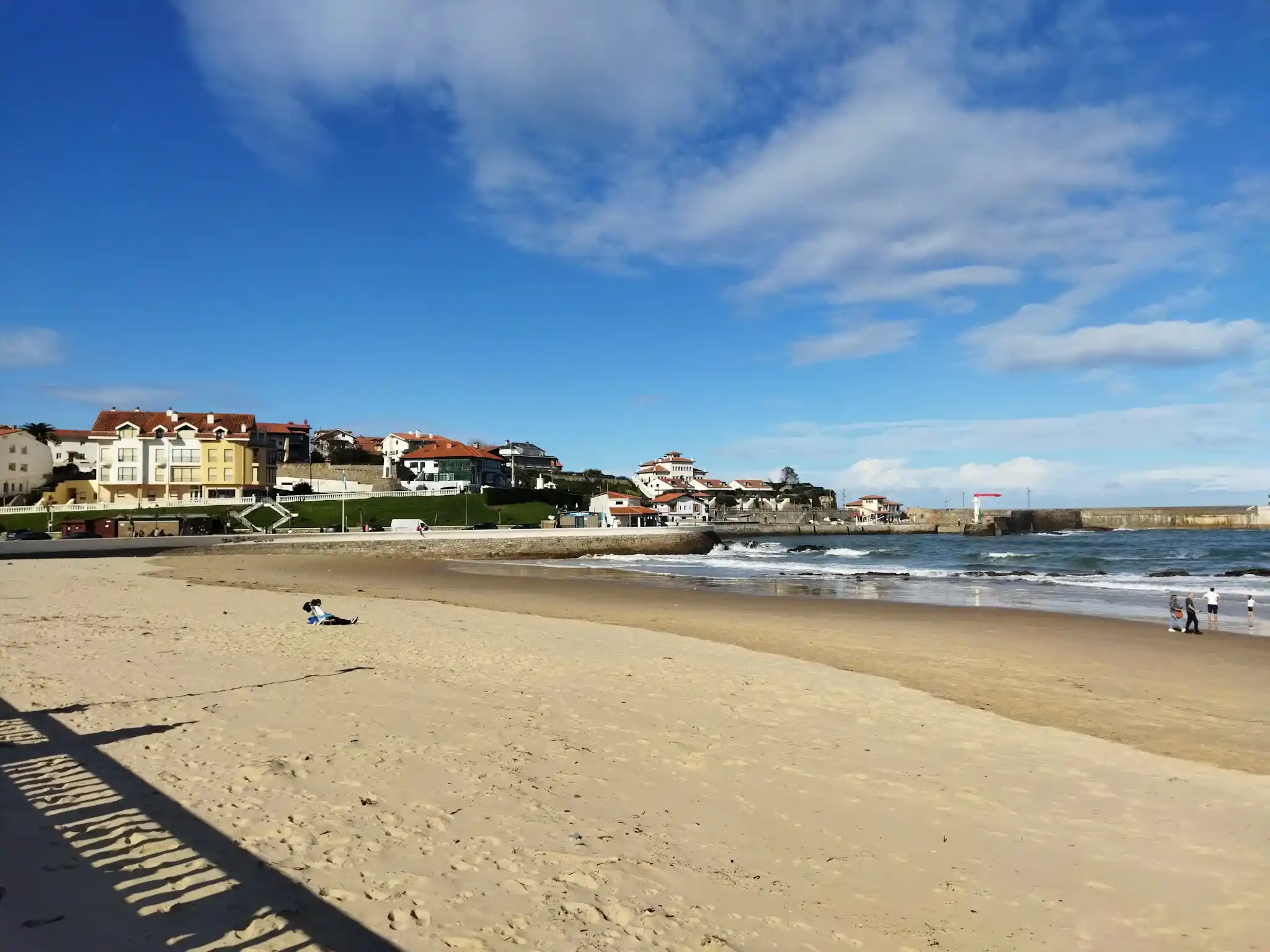
Looking at the sea always has something magical, and from the Comillas beach, with its sand that shines like gold, the charm is even greater. A stone’s throw from the old town, this nearly one-kilometer-long beach is the perfect site for those hot northern days. There is plenty of space for everyone, so you can come, lay out your towel, and enjoy the sun and the sea.
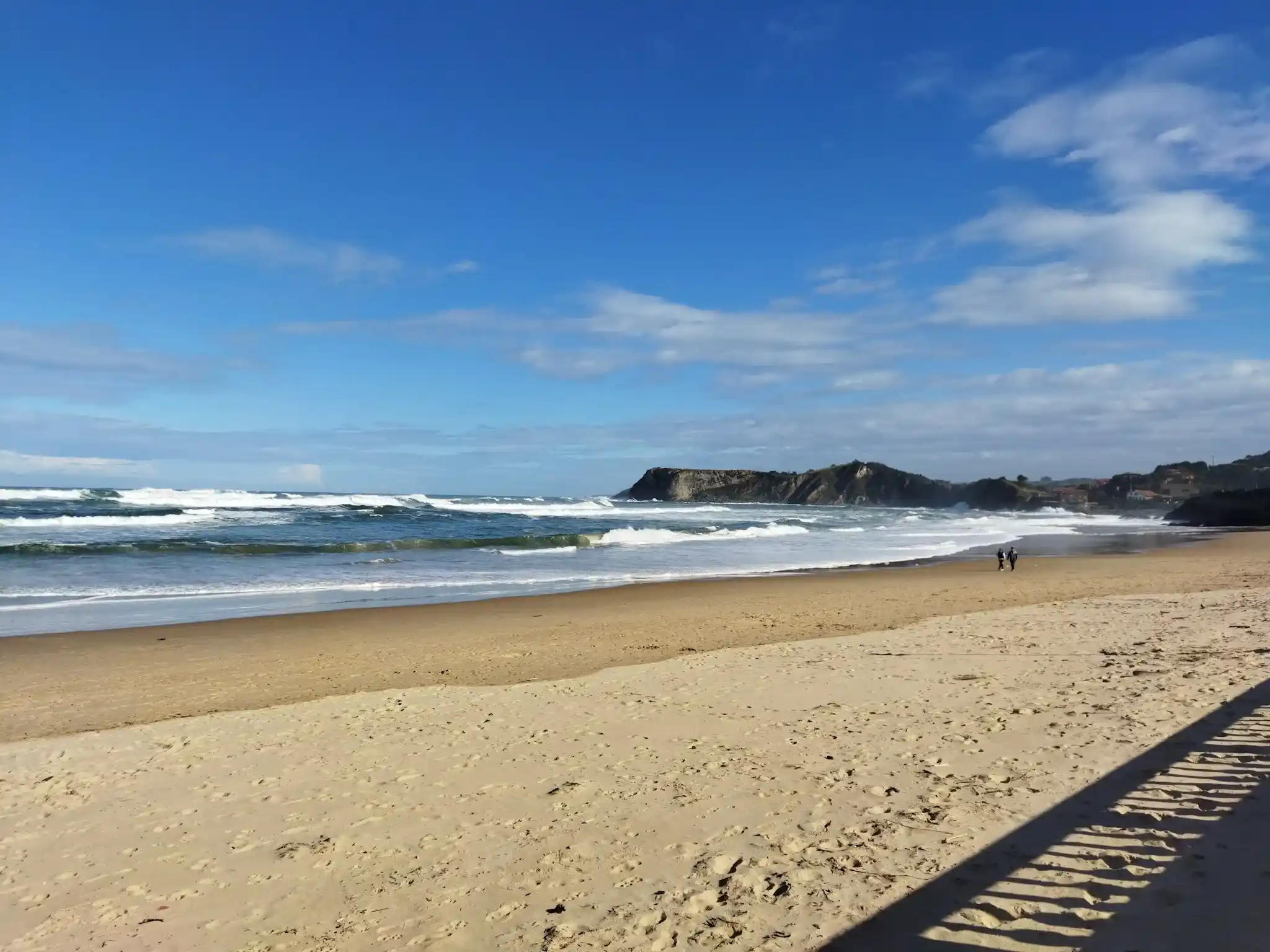
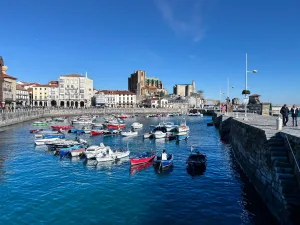
Just to the side, the port of Comillas has its own magic. It is tiny, but it has a special charm with its stone walls that protect it from the waves. And the views from there are incredible: the entire beach with the city right behind it.
Now, a quick tip: in summer, the beach gets quite crowded. Although there is plenty of space, if you want to find parking without problems, it's best to come early.Comillas is that town with the scent of the sea that once lived off the hunting of the right whale. From the watchtowers located in Portillo, Santa Lucía, Trasvía, and Oyambre, lookouts would search the sea until they saw a whale and warned with smoke signals.
Whaling stopped a long time ago, back in 1720, but the harpooners of Comillas left their mark. Even today, people remember where “The Whale’s Stone” was, that place that is part of the living history of the town. Every time someone passes by the beach and looks out to sea, they can feel a piece of that history.
9. Oyambre Natural Park
If you’re left wanting more after exploring Comillas, a natural treasure awaits you just a bike ride away. Imagine pedaling along a 2.5-kilometer bike path that takes you from the Town Hall square, through the Solatorre promenade, until you reach the La Rabia estuary. Here, right on the border with the Oyambre Natural Park, you find a paradise for surfers: a beach where waves, cliffs, dunes, forests, and meadows come together in perfect harmony.
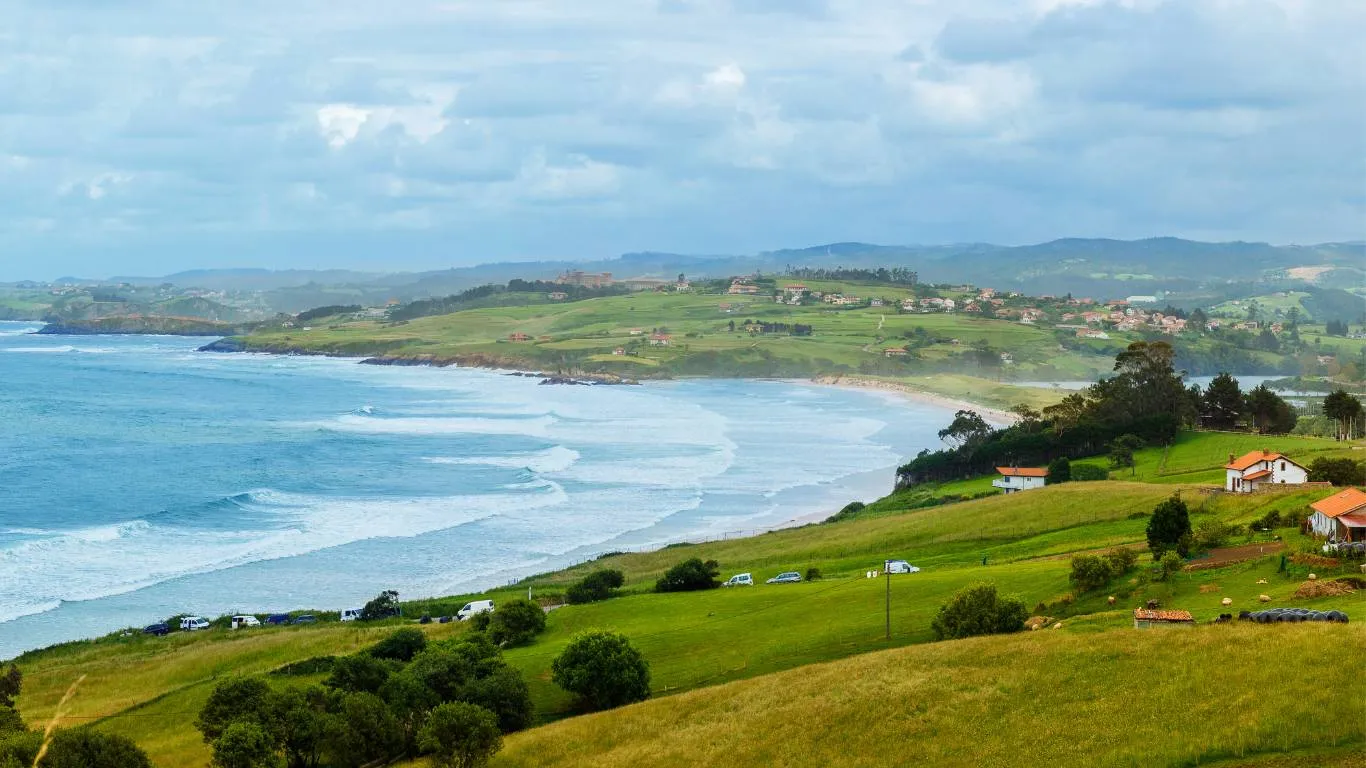
But let’s not just stay on the shore. The Oyambre Natural Park is much more than just a beach; it is a mosaic of virgin sandy areas that stretch under the Cantabrian sky. And within the park, you cannot miss the Oyambre beach, one of the jewels of this region and, possibly, of all of Cantabria.
Read more >>> The best beaches in Cantabria to enjoy with the family
10. Santo Cristo del Amparo of Comillas
It deserves a special mention in our post, not for being a monument, but for being an unforgettable experience for anyone who visits Comillas during the festivities of the Cristo del Amparo, a celebration that endures over time, intertwining maritime tradition and the joy of its people. Come and immerse yourself in this festivity full of history, faith, and joy!
Every summer, the picturesque town of Comillas gets dressed up to celebrate its most deeply rooted traditions with the Fiestas del Cristo del Amparo. This event, which takes place mainly on July 16th, is the beating heart of the town and a tribute to the Cristo del Amparo, patron saint of fishermen.
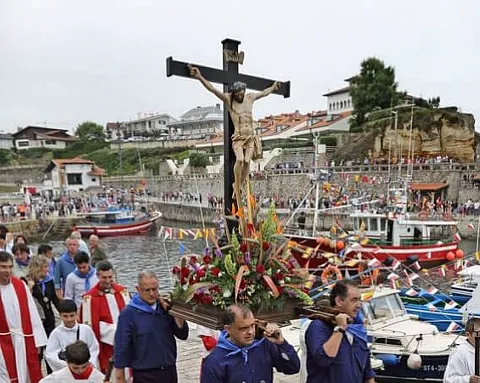
The festivity coincides with the celebration of Our Lady of Mount Carmel (Nuestra Señora del Carmen), creating a tapestry of devotion and joy that covers the cobbled streets and the blue waters that wash this Cantabrian enclave. The schedule of the festivities is a reflection of the community: solemn masses, traditional dances, and the “picayos” chants that resonate in every corner.
The most emblematic act is the maritime procession, where the image of the Santo Cristo del Amparo is carried by sea, accompanied by decorated boats and followed by a fervent crowd. The mass and the performance of the hymn to the Cristo del Amparo are moments of deep emotion that connect everyone present with centuries of history and faith.
But not everything is solemnity; the party overflows into the streets with parades, giants, and bigheads (“gigantillas y cabezudos”), and the nights light up with spectacular fireworks and “verbenas” (open-air parties) where the music and dancing do not cease until dawn.
WHERE TO EAT GLUTEN-FREE IN COMILLAS
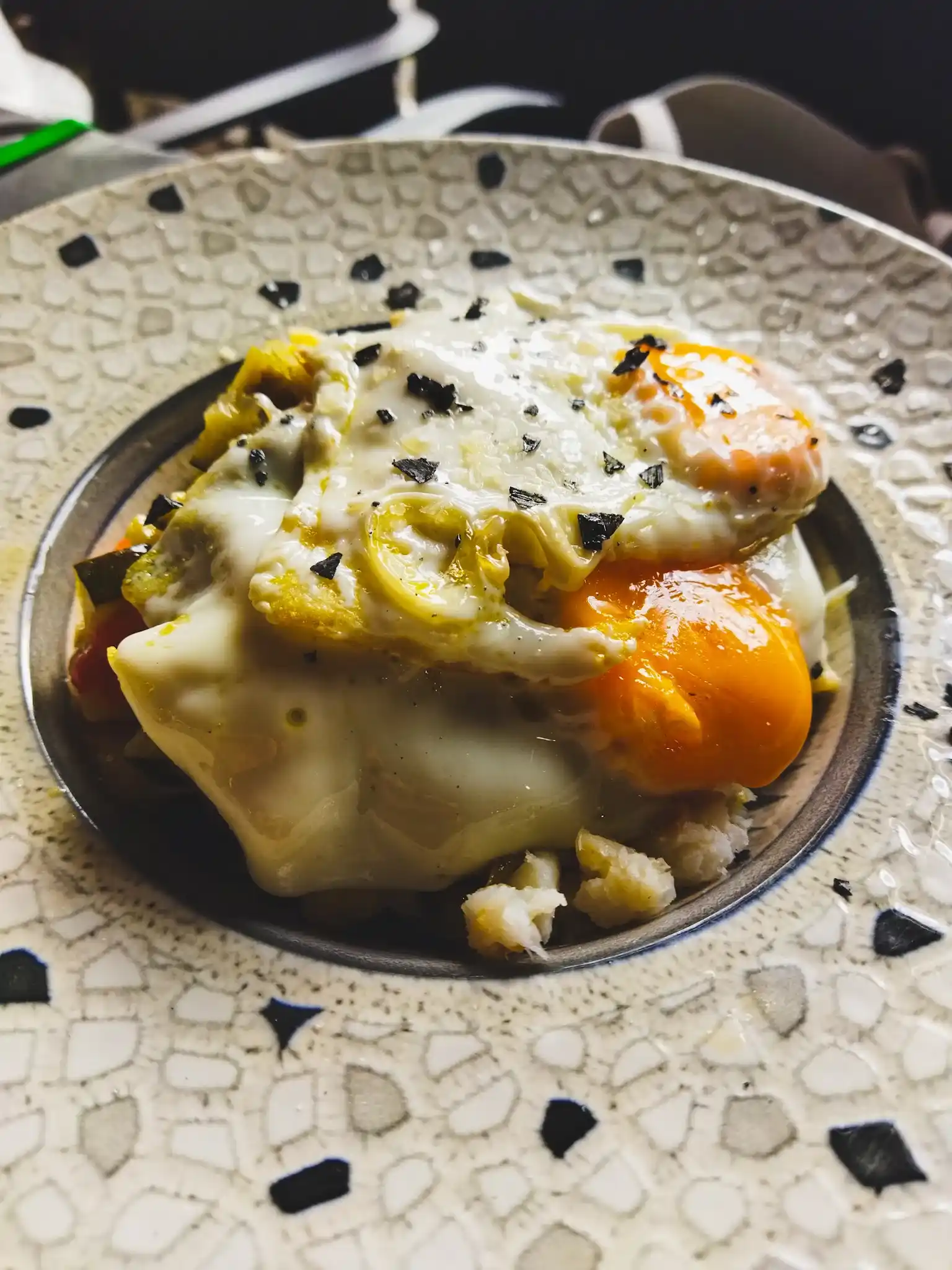
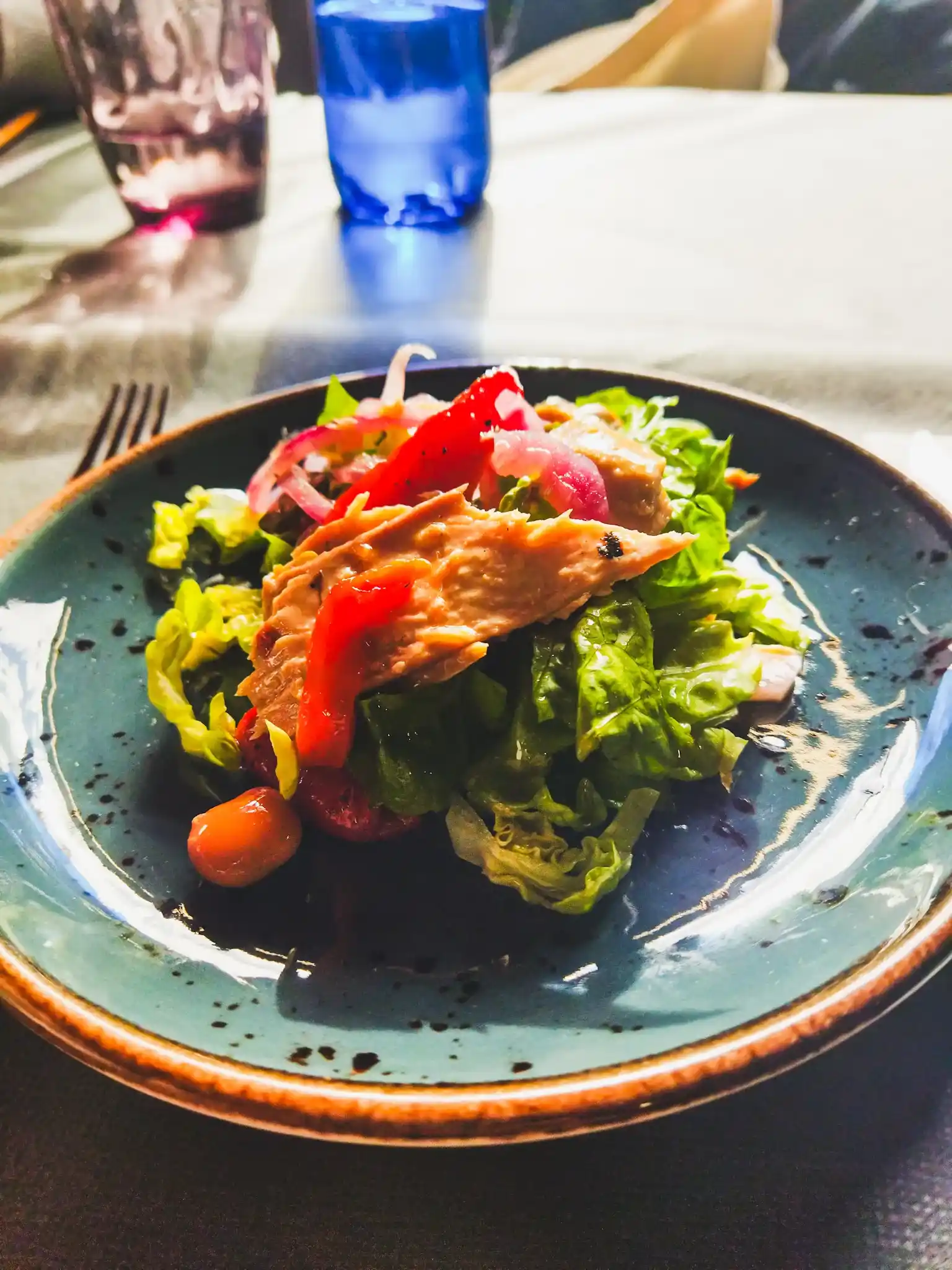
At this point, I want to tell you that during our last visit to Comillas, we were lucky enough to stumble upon a restaurant by chance that we really liked, El Carel, an emblematic spot in the historic center that we had never been to before and which we recommend here because they have gluten-free options, the treatment was charming, and the food was delicious. The portions for us were a bit large and the price very appropriate. A new discovery under our belt.
Read more >>> Cantabria and Gastronomy: a tour of the best dishes and products
Other restaurants that have gluten-free options are:
Quo Vadis: Italian restaurant located very close to the center of Comillas. Almost everything on the menu can be adapted to be gluten-free, except for the calzones and panzerottos. It is recommended to book in advance, especially during the high season.
Ágave Azul Comillas: Mexican restaurant located in Constitution Square in Comillas, right in the heart of the center of Comillas. This establishment is affiliated with ACECAN, the Celiac Association of Cantabria, and offers an almost completely gluten-free menu. They also have another restaurant in Santander.
Gurea Restaurante: traditional Cantabrian cuisine right in the center of Comillas. They adapt several dishes on their menu to be gluten-free, including the cachopo, and they also have gluten-free beer and desserts (though they don’t have gluten-free bread). We always recommend letting them know when you book.
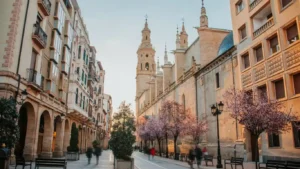
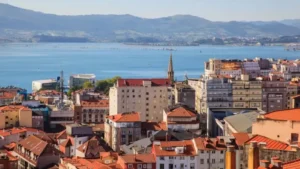

So far we have given you all the information on what to see in Comillas in 1 day, but if you are lucky enough to be able to enjoy a little more of our beautiful Cantabria, we give you a couple of ideas that are very close by and that you will surely love too:
CÓBRECES
We sail to the east, embracing the curve of a coast that keeps secrets between its waves and sands. The first jewel I invite you to discover is Luaña beach, a refuge of soft golden sand that rests a sigh away from Cóbreces. This corner of peace is close enough to reach on foot, if you fancy a walk that mixes the green of the meadows with the blue of the sea.
A short drive away, the Cliff and Mill of El Bolao await, standing tall and majestic, offering a spectacle of nature that still remains sheltered from the crowds. It is a place where the whisper of the wind and the song of the sea weave a melody that invites reflection and wonder.
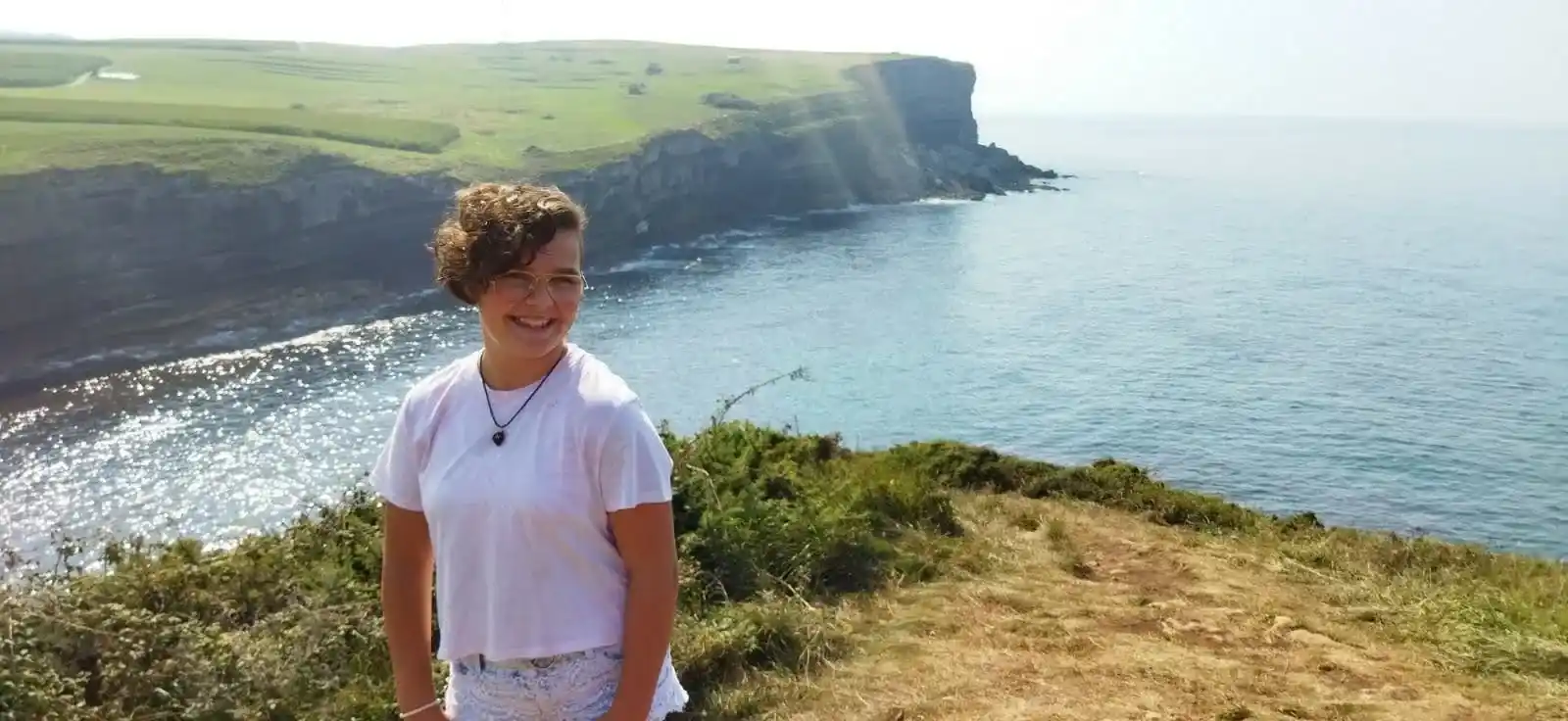
In the heart of Cóbreces, you will find architectural treasures such as the Abbey of Santa María de Viaceli and the Church of San Pedro, guardians of stone and faith of local history. Walking through Cóbreces is a delight for those looking for the essence of the authentic, a town that has managed to keep its soul intact in the face of the passage of time and modernity. Here, every corner tells a story and every view is a living painting of the most traditional and charming Cantabria.
SANTILLANA DEL MAR
A short 20-minute drive from Comillas, we are welcomed by this enclave that is a living treasure of history, the charming town of Santillana del Mar.
Its cobbled streets and its robust and stately buildings transport us to the medieval era. Walking through its historic center is like walking through an open book, where each chapter narrates legends of knights and ladies of yesteryear.
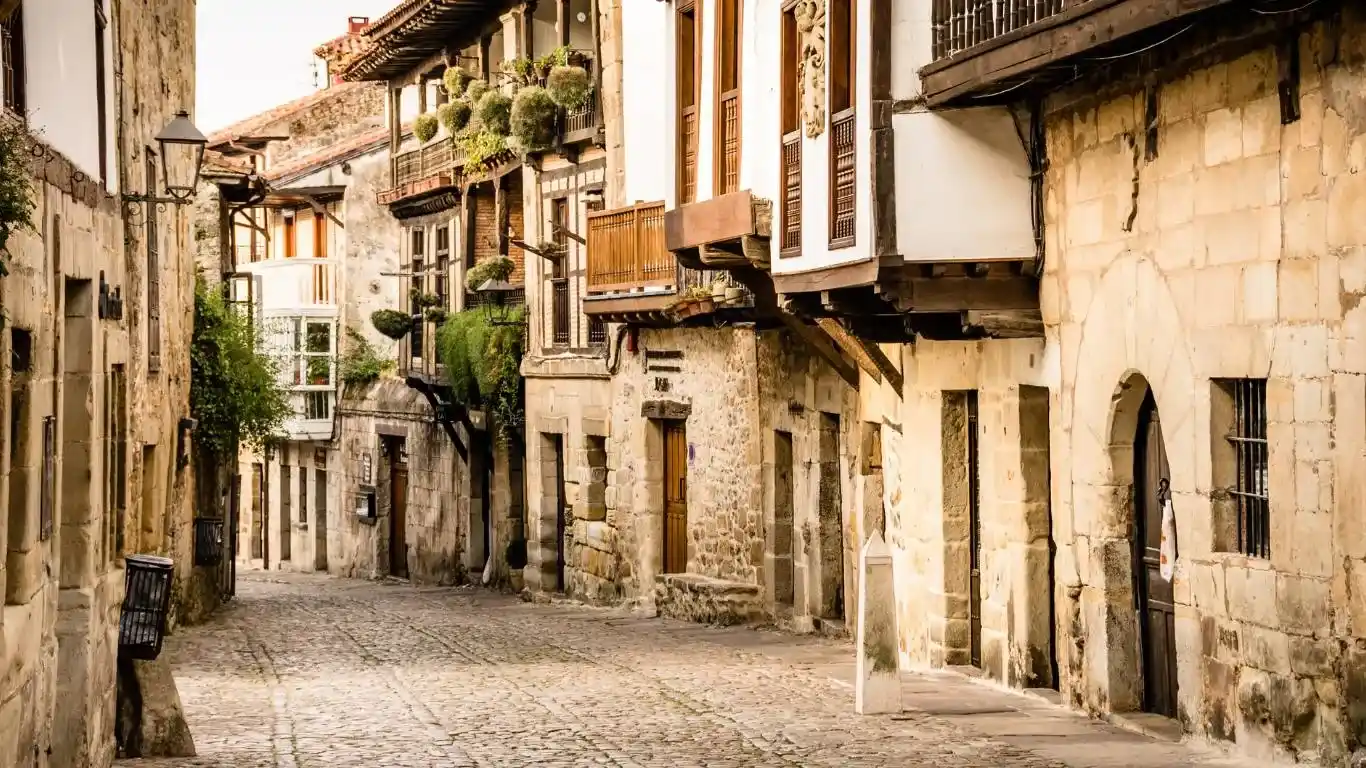
In any season of the year, Santillana del Mar is a destination that enchants and surprises, offering a cultural spectacle that is complemented by local gastronomy and the warmth of its people. And for those seeking to close their visit with a natural finishing touch, the nearby Santa Justa beach, with its hermitage embedded in the rock, offers a unique landscape where the Cantabrian Sea kisses history. Santillana is not just a place to see, but to feel and live the richness of a past that still beats in every corner.
Read more >>> Discover what to see in Santillana del Mar
Now it’s your turn! Immerse yourself in the legacy of the Marquis of Comillas, explore the corners of this charming town, and discover for yourself the 10 must-sees that make Comillas a living treasure. And don’t worry about food: as you’ve seen, there are more and more gluten-free options in town, so you can just focus on enjoying yourself. Your adventure into Spanish history, architecture, culture, and gluten-free good food begins here!
Why is Comillas famous?
From a tourist point of view, Comillas is very famous for the Capricho de Gaudí. We recommend visiting it and getting your tickets well in advance, since they sell out quickly in high season.
What can you see for free in Comillas?
You can see for free in Comillas the Constitution Square, the historic center, the monument to the Marquis of Comillas, the Comillas Cemetery, the Santa Lucía Viewpoint, the Bird Gate, and the beach and port of Comillas, among others. The options are many and varied.
How much time do you need to see Comillas?
You can see the essentials of Comillas, especially the free tourist spots, in one morning. If you also want to see the Capricho de Gaudí, take a free tour, and visit, for example, the Sobrellano Palace, you may need part of the afternoon. If you decide to extend your visit to a whole day, we recommend heading to the beach.
What is the distance from Santander to Comillas?
The distance between Santander and Comillas is around 53 km. It takes approximately 40 minutes to get there by car.
How do you get to Comillas?
The best way to get to Comillas is by car. If you don’t have a car, we recommend the guided excursions from Santander that include Comillas and the Capricho de Gaudí, some of which also add Altamira and Santillana del Mar.
Where can you park in Comillas?
Parking in Comillas in high season is difficult. We recommend arriving early, since it is one of the most touristy towns in Cantabria along with Santillana del Mar and Potes. You’ll find surface parking next to the Sobrellano playground and in the paid car parks near the beach.
Where can you eat gluten-free in Comillas?
In Comillas you can eat gluten-free at El Carel, at Quo Vadis (almost the entire menu can be made gluten-free, except for the calzone and panzerotto), at Ágave Azul Comillas (affiliated with ACECAN), and at Gurea Restaurante, which adapts several dishes, including the cachopo, and offers gluten-free beer and desserts. We always recommend letting them know when you book.


