


Embark on an unforgettable adventure with our circular road trip through the Pasiego Valleys (Valles Pasiegos) of Cantabria, a journey that immerses you in the green heart of Spain. From Santander to the charming village of Soto Iruz, get ready to discover incomparable natural beauty, stories dating back to the year 1011, and the pure essence of Pasiego life.
With your car as your faithful companion, this pleasant route will take you through stunning landscapes, charming villages, and the authentic essence of Cantabria. Imagine driving between valleys sculpted by the Pisueña, Miera, and Pas rivers, where every curve reveals views more spectacular than the last. Pasiego cabins dot the landscape, reminding us of traditions that have endured throughout the centuries.
Didn’t come to Cantabria with a car? Renting one will give you the freedom to discover the best corners of our “tierruca.”
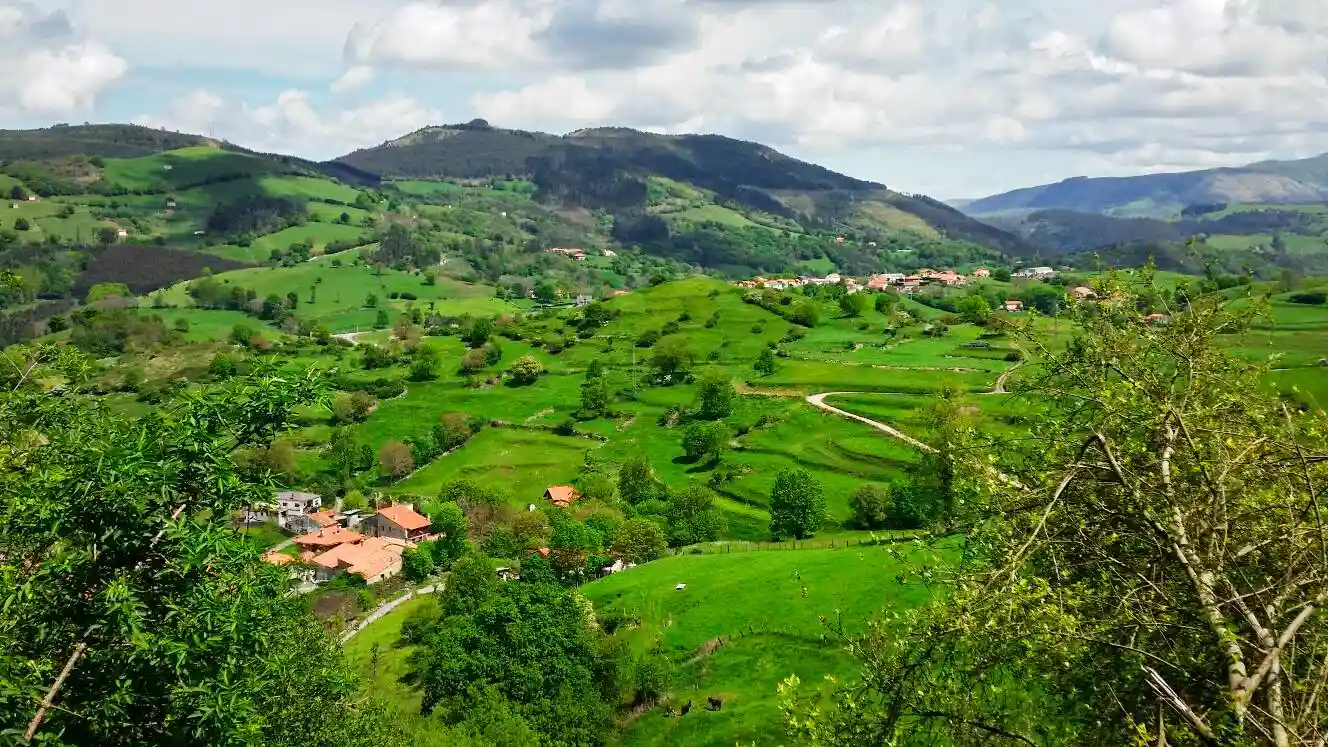
Ready to let the Pasiego Valleys steal a piece of your heart?
Grab the keys, adjust your seat, and join us on this circular route that promises to be as enriching for the soul as it is impressive for the eyes.
We begin our adventure through the Pasiego Valleys, where every kilometer brings you closer to the essence of Cantabria!
A LITTLE BIT OF HISTORY
The Pasiego Valleys, located in the heart of Cantabria, comprise three main valleys: the Miera Valley, characterized by its mountainous landscapes and inhabited areas; the Pas Valley, the cradle of Pasiego culture; and the Pisueña Valley, famous for its civil architecture from the 17th and 18th centuries. Although their influence reaches as far as Burgos, it is in Cantabria where the Pasiego heritage remains most vibrant.
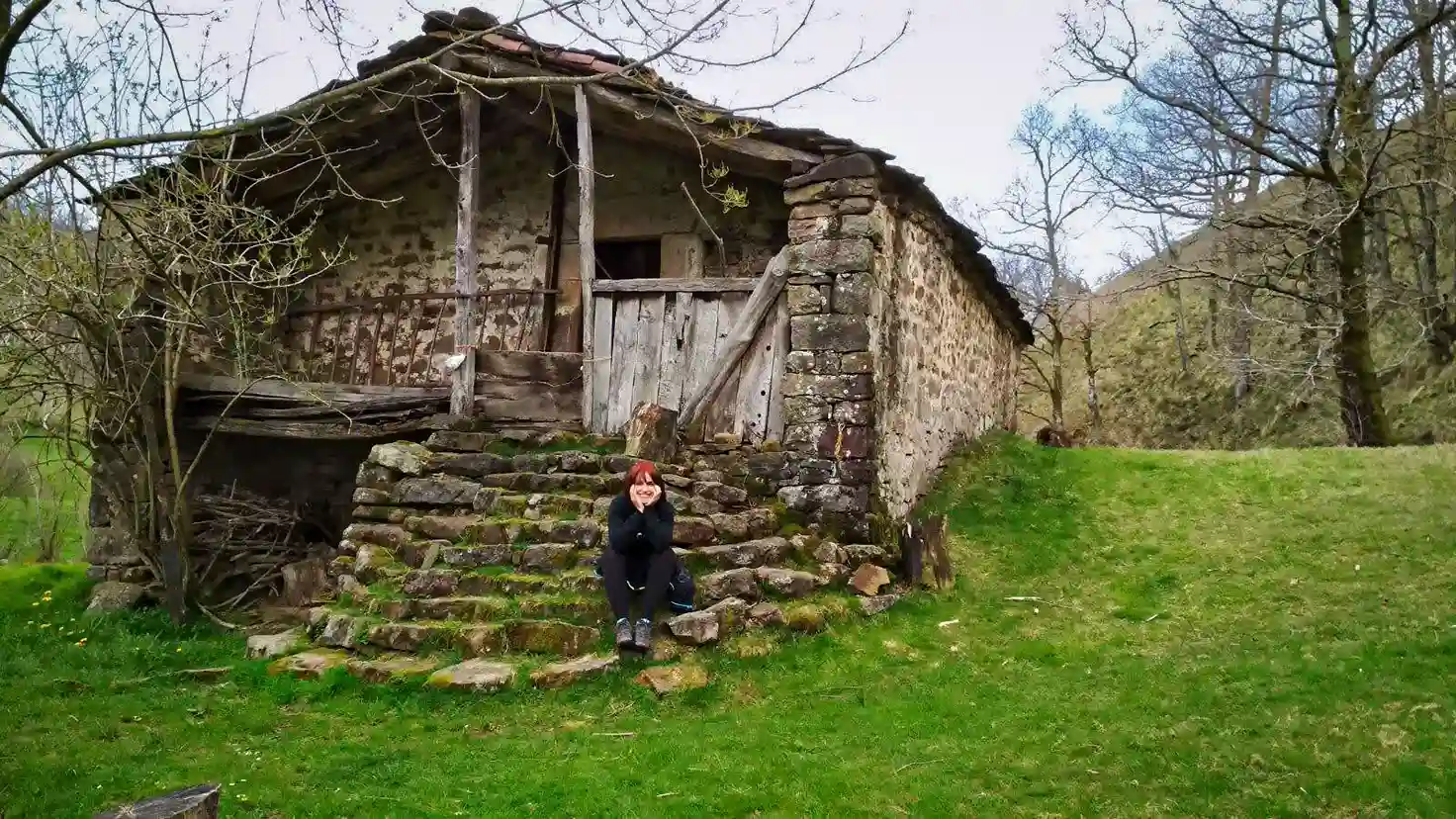
More than just a region, being “Pasiego” represents a lifestyle linked to livestock farming, which has shaped both the landscape and the local identity. The emblematic Pasiego cabins and the innovative management of the territory stand out for their integration with nature.
CIRCULAR ROAD TRIP THROUGH THE PASIEGO VALLEYS
1. Start: Santander
As passionate Santanderinos proud of our “Tierruca,” we invite you to start this exciting adventure from Santander, the capital of Cantabria.

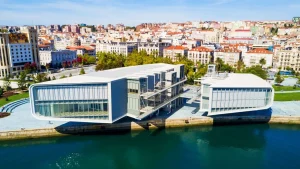
We encourage you not only to drive this route but also to take a moment to immerse yourself in the wonders of Santander. From the iconic beaches of El Sardinero to the historic Magdalena Palace and the innovative Botín Center, Santander offers a wide range of cultural and visual experiences. Therefore, we suggest arriving a couple of days early to capture the essence, beauty, and vibrant atmosphere of our city.
Take the opportunity to discover Santander’s most emblematic spots by booking a small-group walking tour, and then embark on a route that will make you fall in love from the very first moment.
2. Puente Viesgo
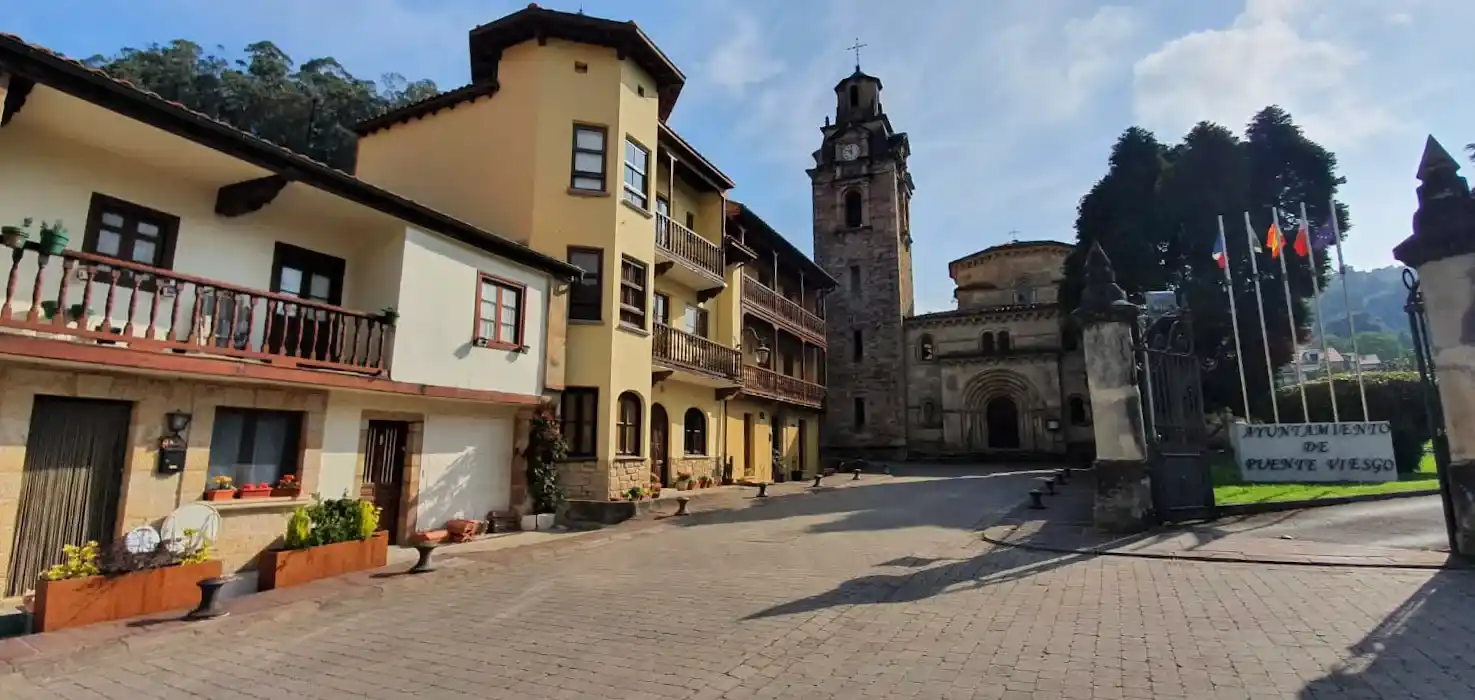
Just 37 km from Santander, Puente Viesgo reveals itself as the spectacular gateway to a valley full of surprises and charms!
This picturesque village is not only famous for its renowned Spa, the Fuentes Pila Palace, and the historic Church of San Miguel, but it also marks the end of one of the most emblematic bike paths in Cantabria, which follows the old railway route towards Ontaneda.
If you’ve already marveled at the National Museum and Research Center of Altamira, prepare to be fascinated by the Castillo Caves. This site houses impressive examples of Paleolithic rock art, so significant that in 2008 they were declared a UNESCO World Heritage Site.
Of this cave complex, only El Castillo and Las Monedas are open to the public, offering a unique window into a prehistoric past that will surely captivate history buffs.
Be sure to book your tickets in advance for the Caves of El Castillo and Las Monedas and the Paleolithic Art Center, and enjoy this experience without long waits.
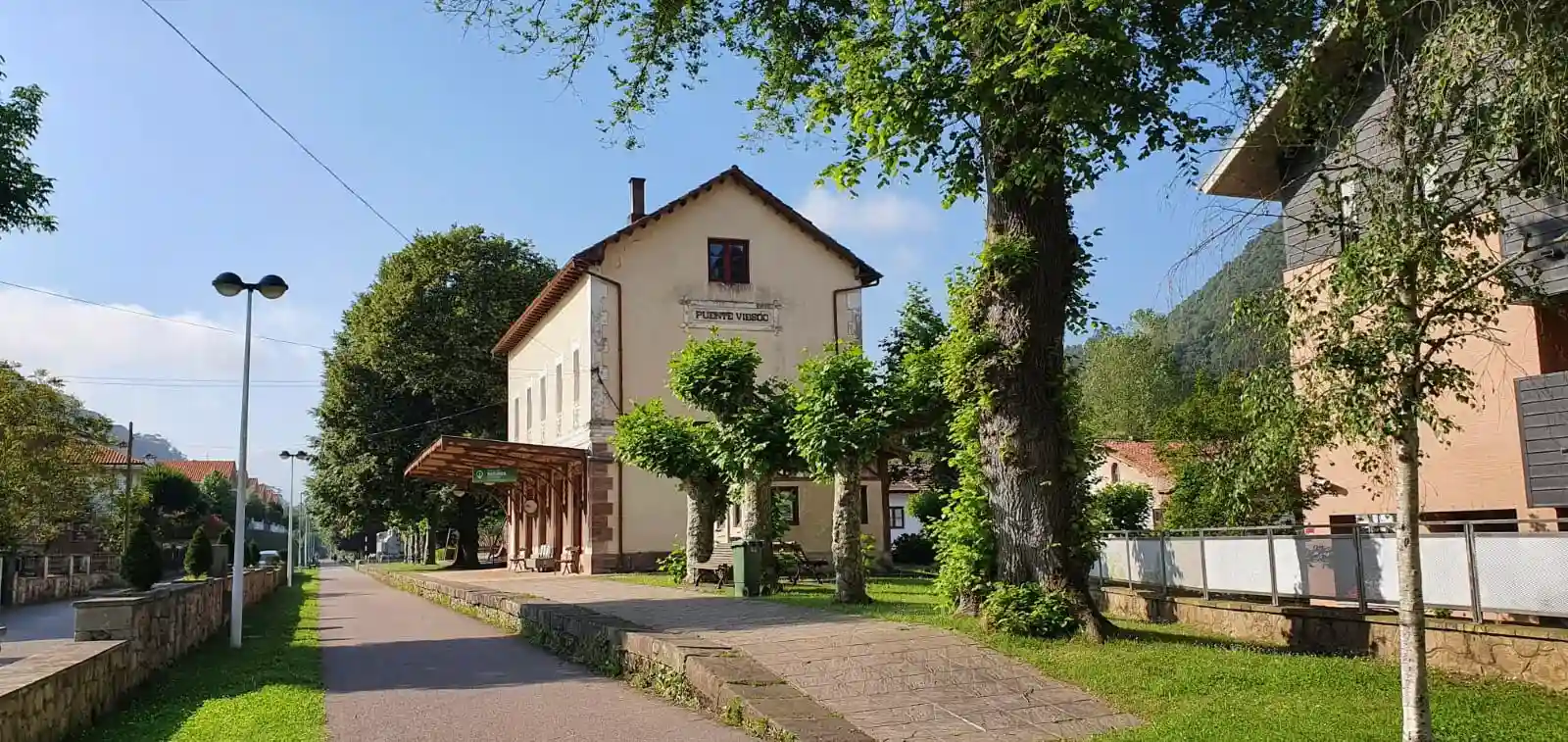
Puente Viesgo doesn’t just stand out for its underground treasures. The village’s Spa, recognized for its medicinal waters, has even attracted players from the Spanish National Football Team, consolidating itself as a destination for relaxation and well-being. You’ll have to return to take a dip in its Thermal Circuit and enjoy it with more time.
3. Alceda-Ontaneda
In less than fifteen minutes following the N-623, you will arrive in Ontaneda, a village famous not only for its beauty but also for its gastronomy. Ontaneda is a paradise for those with a sweet tooth, especially for its well-known sobaos pasiegos and quesada. Although we are fans of Luca, we regret that they do not offer gluten-free options among their sweets.
For celiac travelers, the sweetness doesn’t end here. You can’t miss Helados López, a family-run ice cream parlor that has been winning over palates for generations. They offer flavors such as cheese, lemon, yogurt, tutti frutti, orange, apple, blackberry, banana, and strawberry, all suitable for celiacs.
Ontaneda will also surprise you with its imposing manor houses, such as the majestic Ontaneda Palace, built in the 18th century by Francisco de Bustamante y Guerra. The palace, which has hosted Queen Isabella II, is a treat for the eyes and a perfect stop while enjoying your gastronomic route.
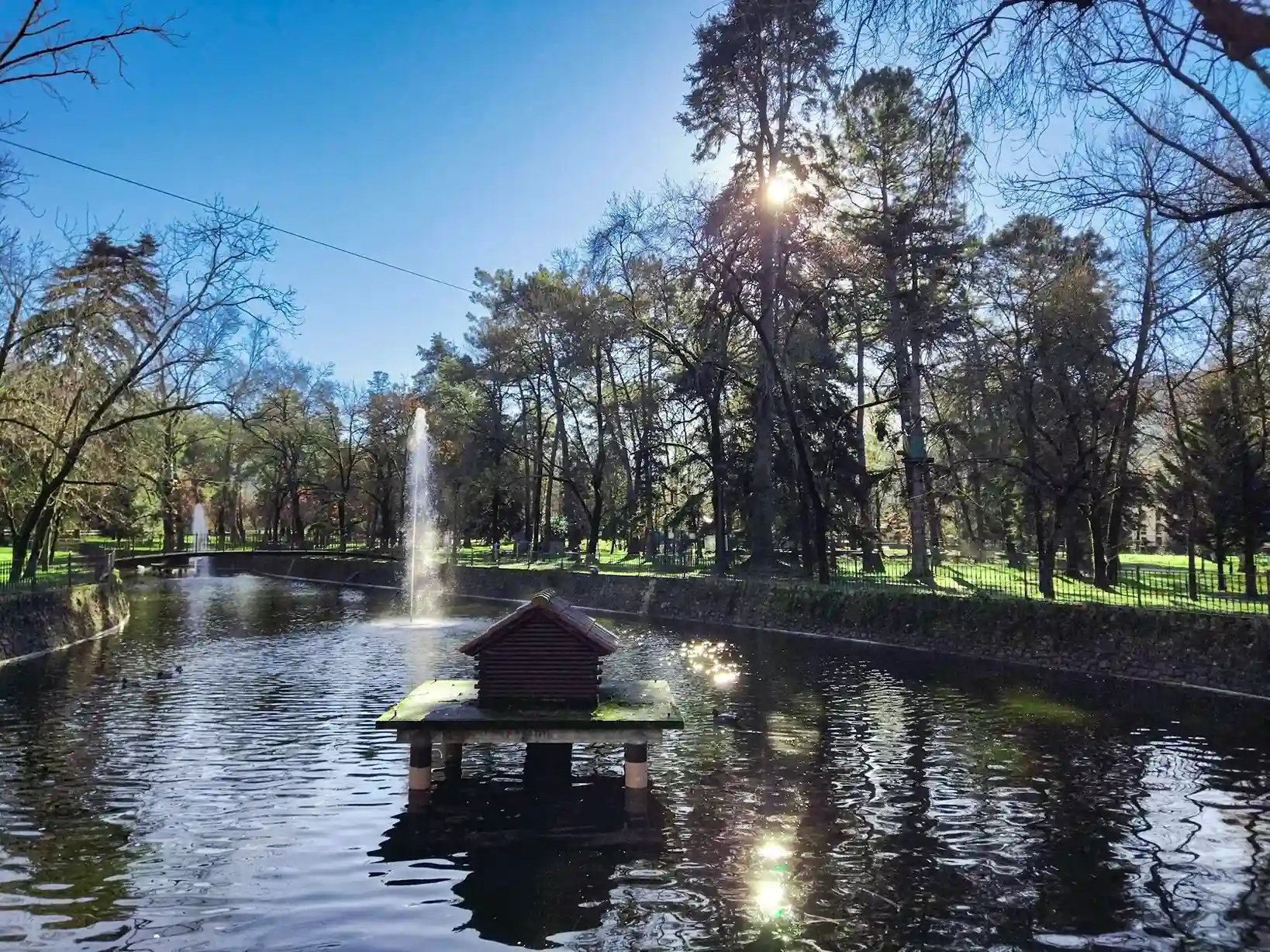
Almost without realizing it, as you continue exploring, you will enter Alceda, a village that maintains a close relationship with Ontaneda and stands out for its historical and architectural wealth.
Declared a historic-artistic site, Alceda invites you to stroll among palaces and manor houses that stand majestically along the old Camino Real. Highlights include the Ceballos Manor and Tower, the Mora House, and the Palace of the Marquis of Mercadal, among others, each with its own history from the 16th to the 18th centuries.
Ready your palate and your camera, because these villages promise unforgettable experiences you’ll want to share with the world.

4. San Pedro del Romeral
Discover San Pedro del Romeral on your way to Vega de Pas, an essential detour via the CA-263 that immerses you in the heart of Pasiego culture. This town is recognized as one of the Pasiego jewels. Here, what truly captures the essence of the place is the rich tradition and expertise of its inhabitants.
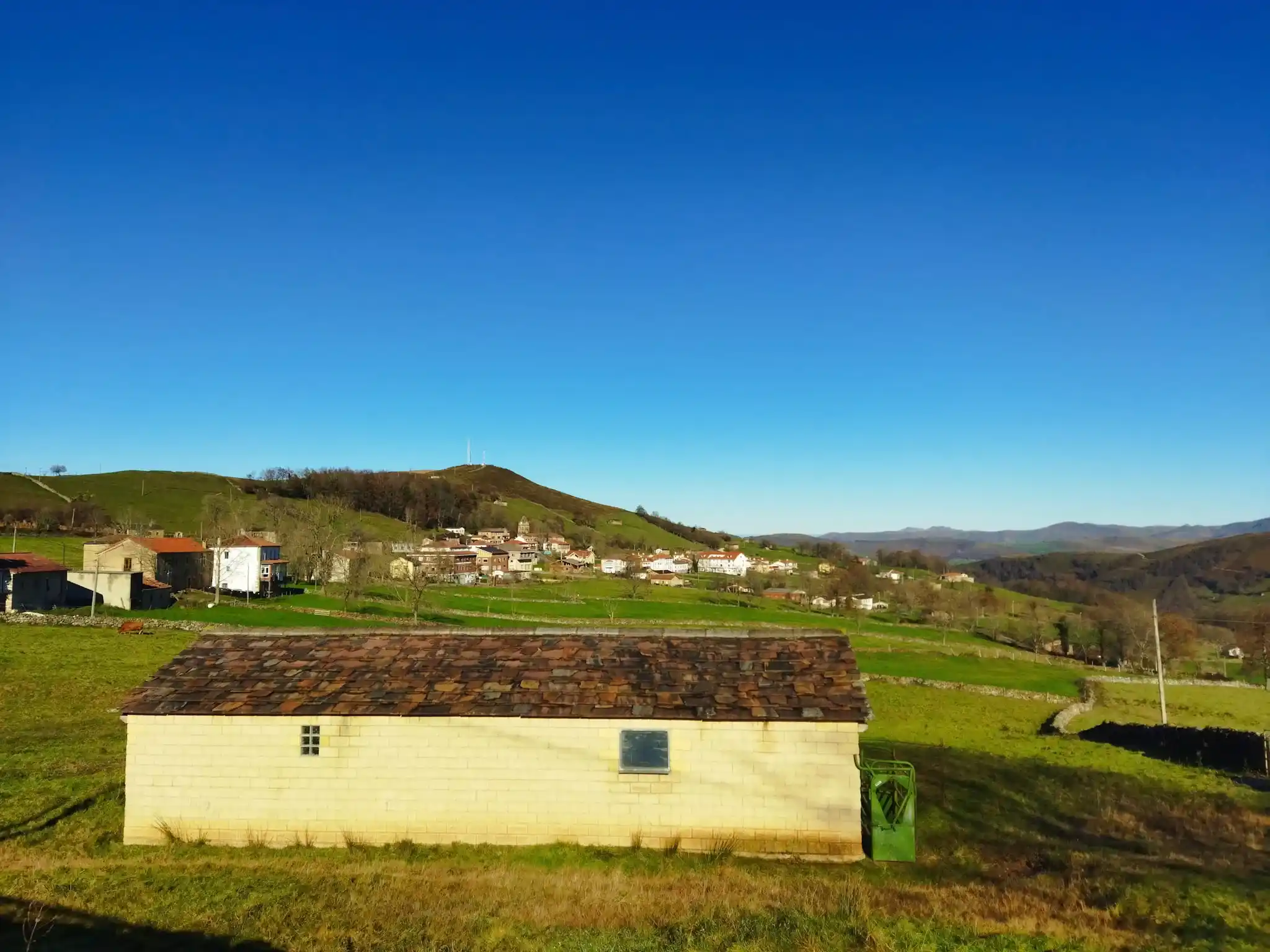
San Pedro del Romeral stands as a living testimony to Pasiego customs and lifestyle. As you traverse its streets and natural surroundings, you will encounter settings that tell stories of generations dedicated to livestock, the production of traditional dairy products, and a deep respect for the land that surrounds them.
It is a mandatory stop for those looking to understand the true essence of the Pasiego Valleys and take home an unforgettable experience of their travels through Cantabria.
5. Vega de Pas
Get ready for an unforgettable adventure toward Vega de Pas, the beating heart of the Pasiego towns!
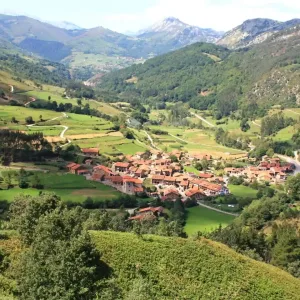
Less than 12 kilometers away via the CA-263, this destination is a hidden treasure in Cantabria, famous for its idyllic green landscapes, traditional stone cabins with slate roofs, and a rich pastoral history that will leave you speechless.
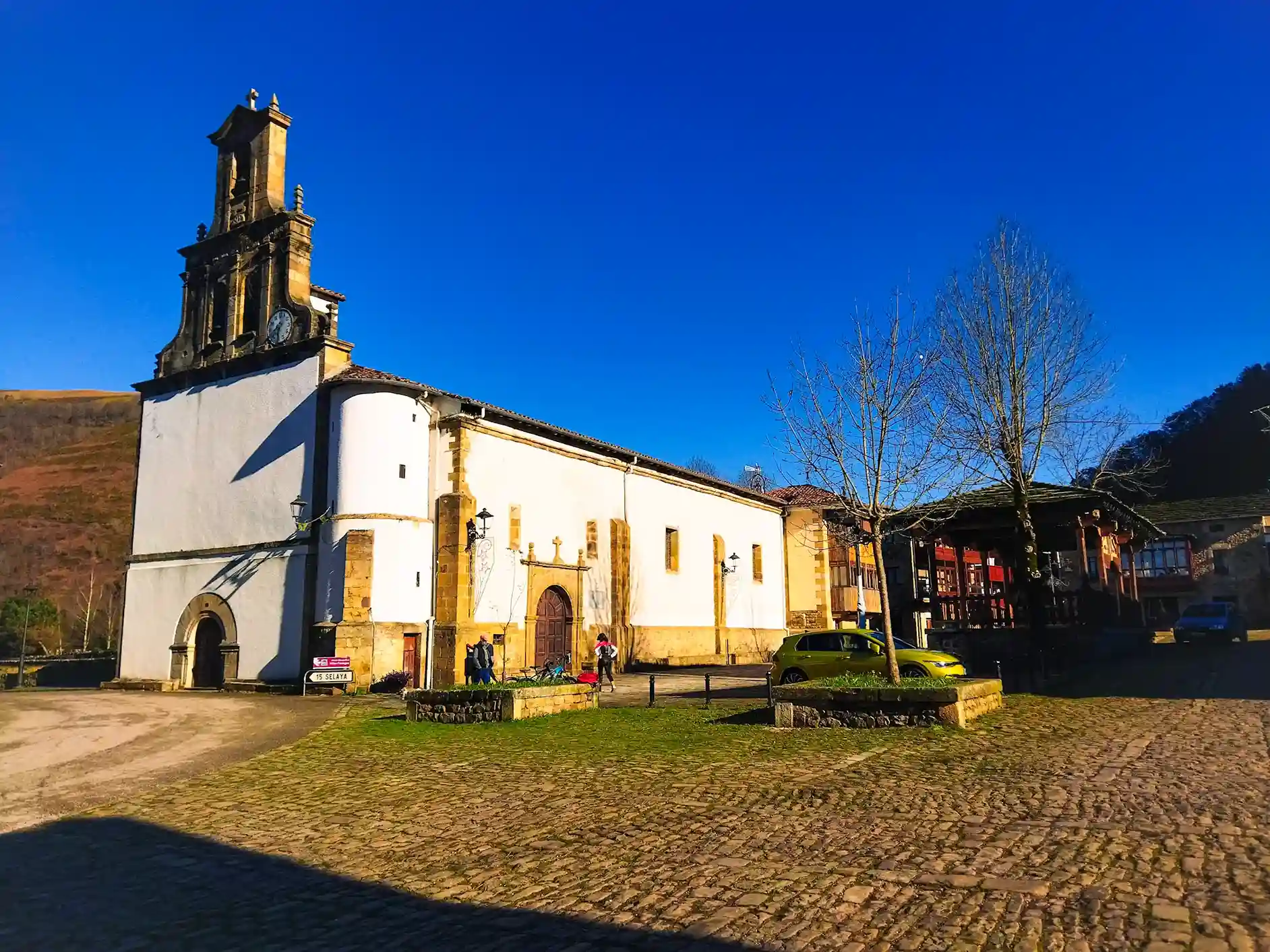
Upon arriving at Vega de Pas, you’ll realize you’ve entered the core of Pasiego culture. Its plaza, a vibrant hub surrounded by stone manor houses and typical wooden balconies, is the perfect place to start your exploration.
You can’t miss the church overlooking the plaza, nor the Villas Pasiegas Ethnographic Museum, located in an 18th-century building that was once a hermitage, along with the intriguing Sanatorium of Doctor Madrazo.
Don’t wait any longer to discover it!
6. El Puerto de la Braguía
Immerse yourself in the unique experience of crossing the Braguía Pass (Puerto de la Braguía), a route that offers an unforgettable adventure to every traveler. Located in the heart of this lush green region, the pass presents itself as a stunning natural spectacle.
The vegetation, rich and varied, changes with the seasons, offering a kaleidoscope of intense greens in spring and summer, and a palette of ochres and golds in autumn.
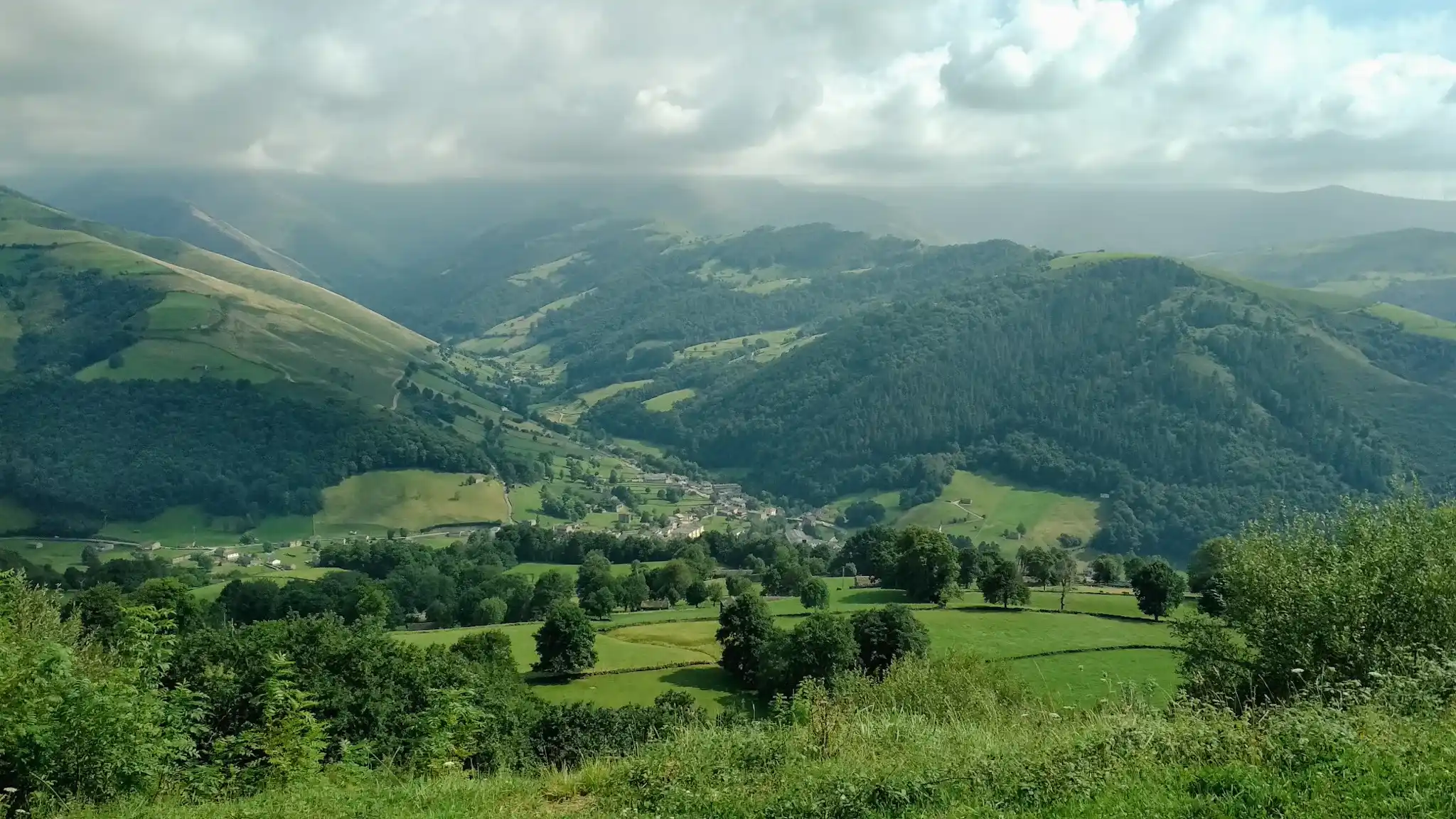
For photography lovers, the pass offers countless opportunities to capture the essence of the Cantabrian landscape, from its imposing mountains to the hidden valleys discovered along the way. And for those seeking a moment of reflection, there is no better place than this to feel the magnitude of nature and our own connection to it.
Let yourself be amazed and take with you memories of a landscape that captivates and revitalizes all who have the pleasure of knowing it.
7. Selaya
The adventure in Cantabria doesn’t stop after crossing the Braguía Pass; Selaya awaits you, a destination recognized for its exquisite local specialties and rich cultural heritage. This welcoming village greets you with enthusiasm, offering an immersion into Pasiego traditions that will captivate all your senses.
You can visit the famous sobao and quesada factories, such as El Macho and Joselín. The latter workshop offers gluten-free quesada and a guided tour of the Sobao Pasiego and Quesada Museum.
You can explore the famous sobao and quesada factories, such as El Macho and Joselín; the latter workshop offers gluten-free quesada.
No less important is the Sanctuary of Our Lady of Valvanuz, home to the adored patron saint of the Pasiegos. If you happen to visit on August 15th, a festival in honor of the Virgin of Valvanuz awaits you—a vibrant celebration that will undoubtedly leave an indelible mark on your memory.
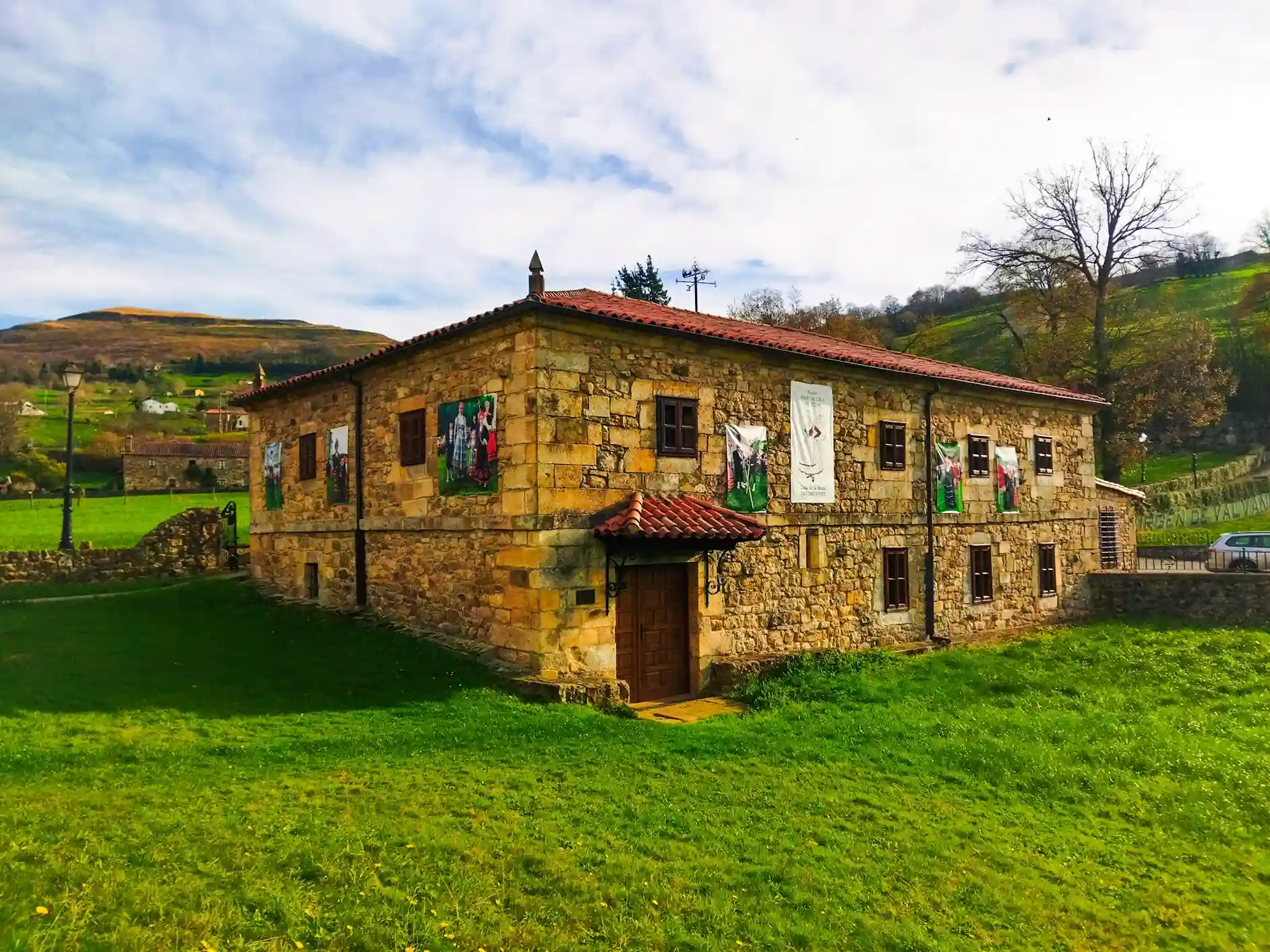
The Museum of the Wet Nurses (Museo de las Amas de Cría) in Selaya pays a moving tribute to Pasiego women, who were fundamental in supporting the region’s economy and families.
Recognized for their extraordinary strength and resolve, these women played a vital role by taking charge of caring for and raising children from other families, some of whom became future monarchs, marking a significant impact both within and outside Cantabria.
Unfortunately, we were unable to experience this visit firsthand, as the museum was closed during our last trip.
If you want better luck than we had: according to the Selaya Town Council, the Museum of the Pasiego Wet Nurses, located in the Casa de la Beata and run by the Cofradía Virgen de Valvanuz, is currently open Tuesday to Sunday, from 10:30 am to 1:30 pm and 4:00 pm to 7:00 pm (seasonal hours). It’s worth confirming current hours and arranging a visit by calling +34 942 59 02 41 or emailing cofradiadevalvanuz_visitas@hotmail.com.
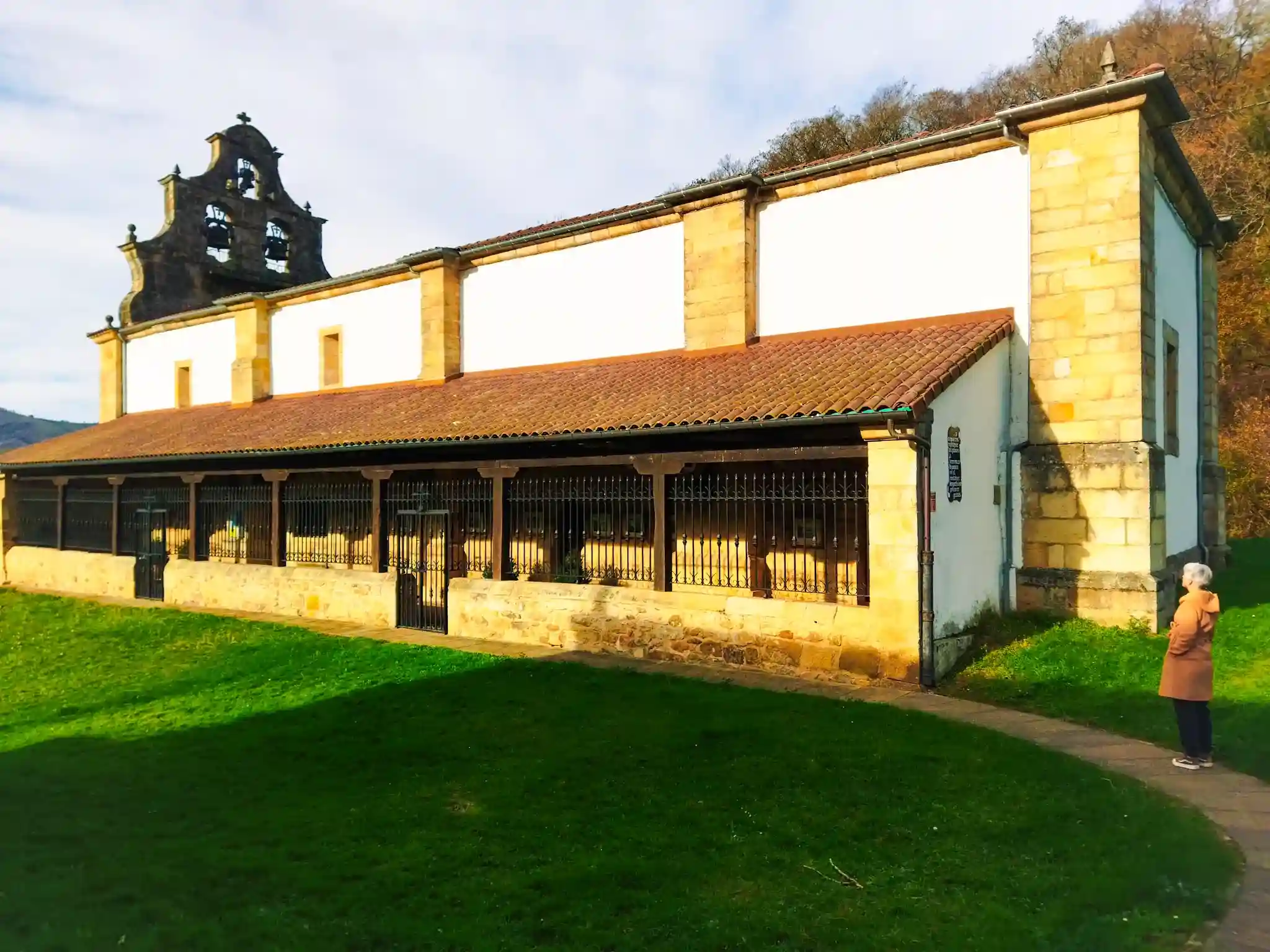
So, when you map out your route through Cantabria, make sure to include Selaya and its surroundings in your itinerary. Your trip through these lands will be an adventure you’ll tell again and again.
8. Villacarriedo
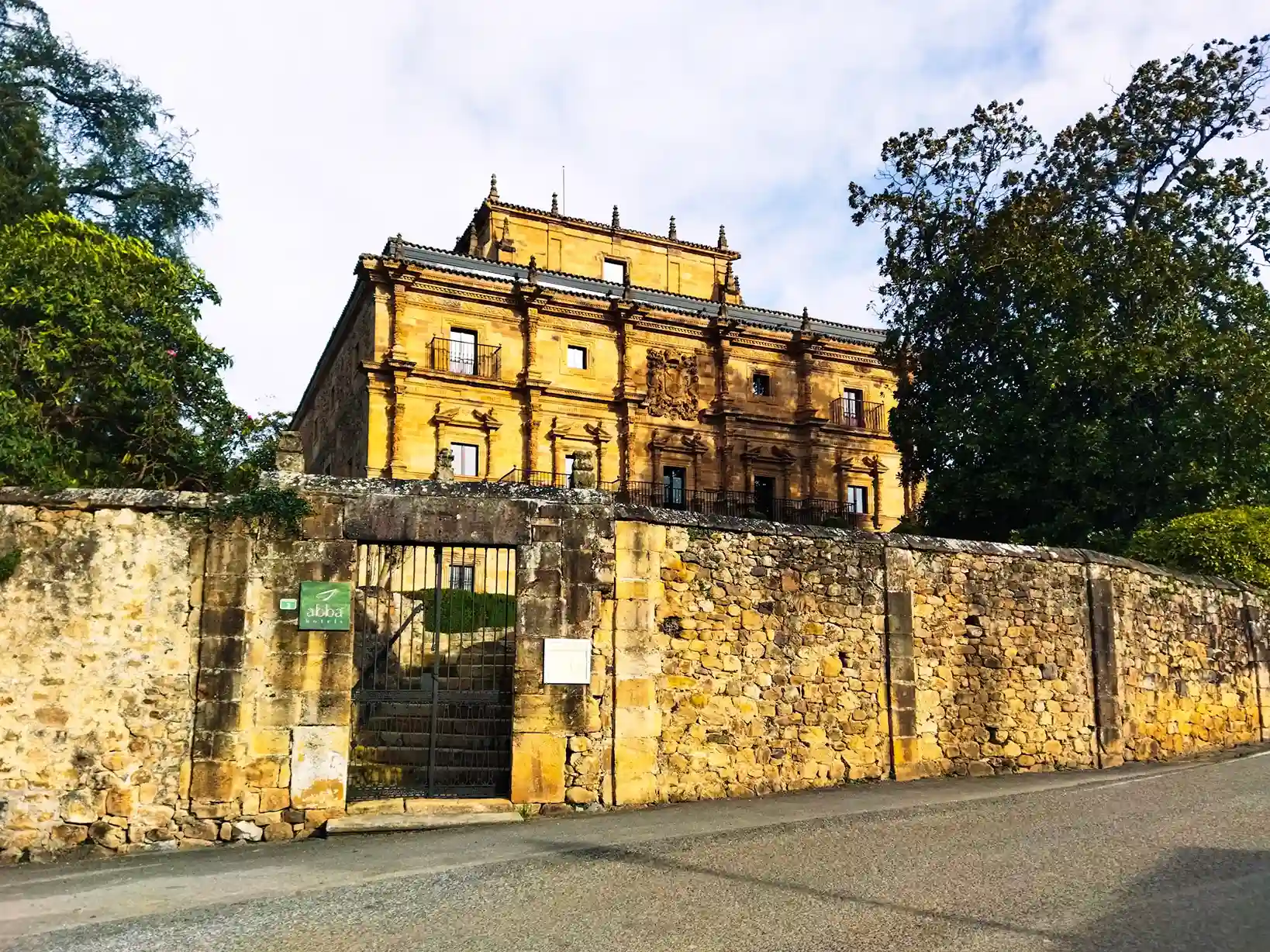
Immerse yourself in the charming world of Villacarriedo, a picturesque corner of Cantabria located just a step away from Selaya, where mountain civil baroque architecture reaches its peak in the impressive Soñanes Palace.
Prepare to be left speechless by its beauty, and if you wish, live the unique experience of staying in it, as this majestic building now welcomes you as a hotel.
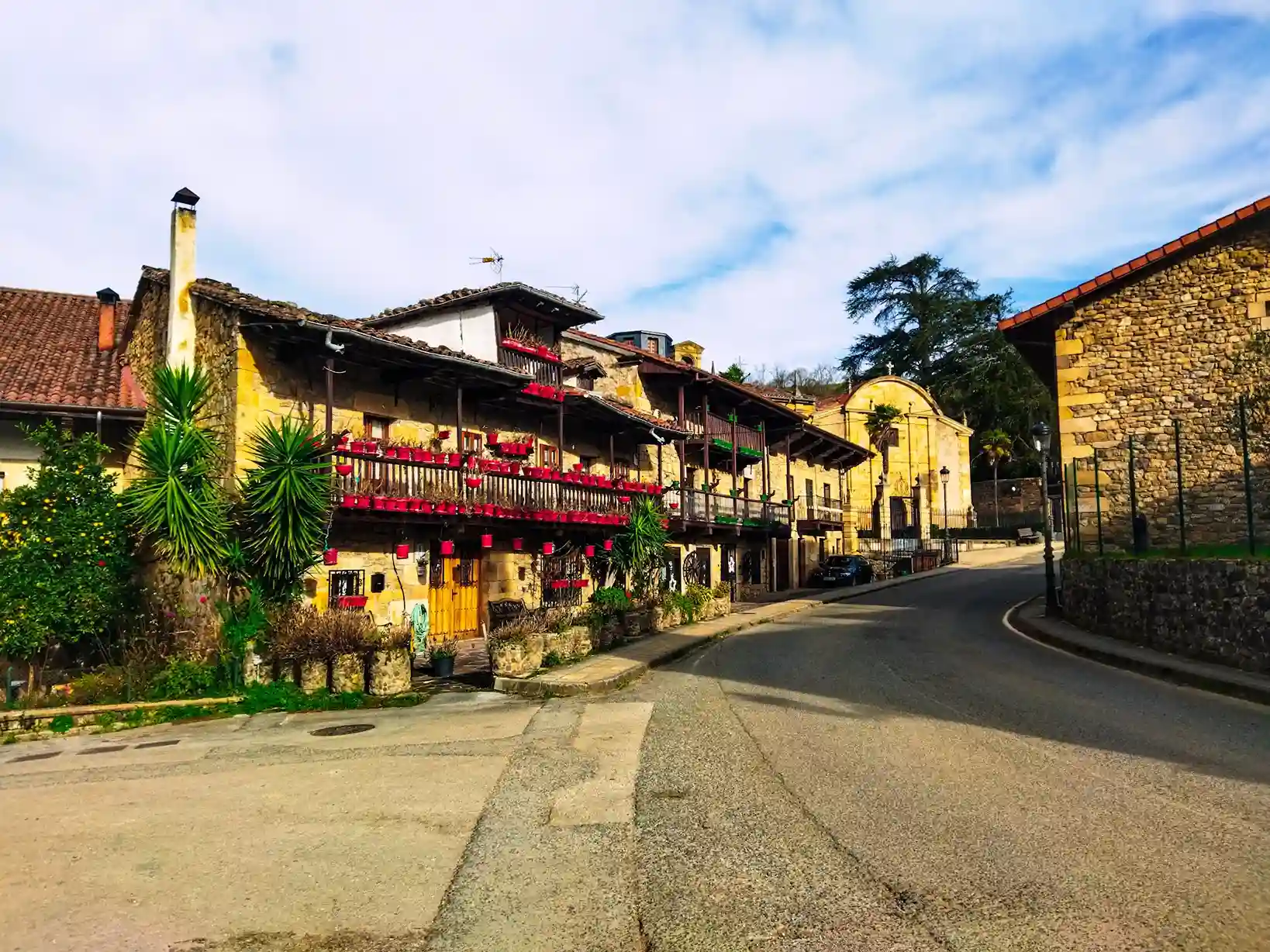
Villacarriedo offers much more than its emblematic palace; its manor houses adorned with flowery balconies and the historic Pious Schools College (Padres Escolapios) are just some of the treasures awaiting your visit.
The simple pleasure of breathing fresh air and walking surrounded by such natural beauty is, in itself, a reason to visit.
Read more >>> 3 Palaces in Cantabria: an unforgettable experience
9. Soto Iruz
Discover the charm of Cantabria on your way to Soto Iruz, a journey that will gift you one of the most spectacular views of the region, especially when passing through Villafufre. This village, one of my favorites, captivates with its mountain beauty and cozy atmosphere.
Continuing your route, you will find Soto Iruz. Here, the Monastery of Our Lady of Soto emerges majestically, declared a Site of Local Interest and hidden in the beautiful Toranzo Valley. This 17th-century treasure, built on the foundations of a Gothic church and preserving a 16th-century tower, will surprise you not only with its scale but also with its iconic octagonal tower.
Furthermore, it is known for the venerated image of the patron saint, whose festival is celebrated on August 5th. The stone sculpture of the Virgin of Soto, located in the convent garden, adds a touch of devotion and art to the setting.
The old Franciscan convent has currently returned to its roots as a Diocesan House of Welcome and Spirituality for the Diocese of Santander.
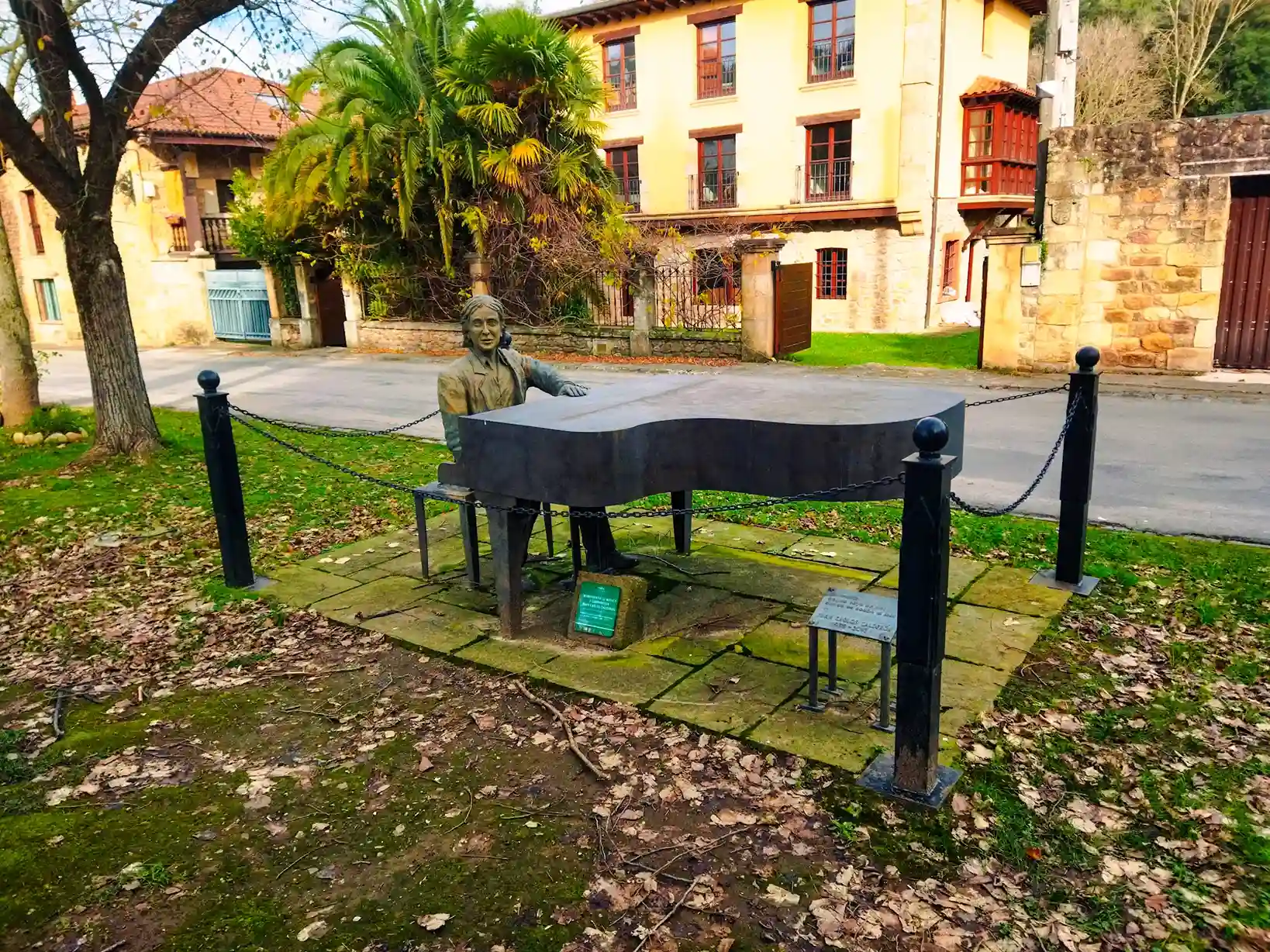
Unfortunately, we missed the chance to visit the Poor Painter’s Museum (Museo del Pintor Pobre) during our trip, as it was closed. However, we had the pleasure of capturing a moment next to the sculpture of Juan Carlos Calderón, the emblematic Cantabrian composer whose lyrics have been performed by renowned artists like Joan Manuel Serrat, Nino Bravo, David Bustamante, Pablo Abraira, Mocedades, and Luis Miguel.
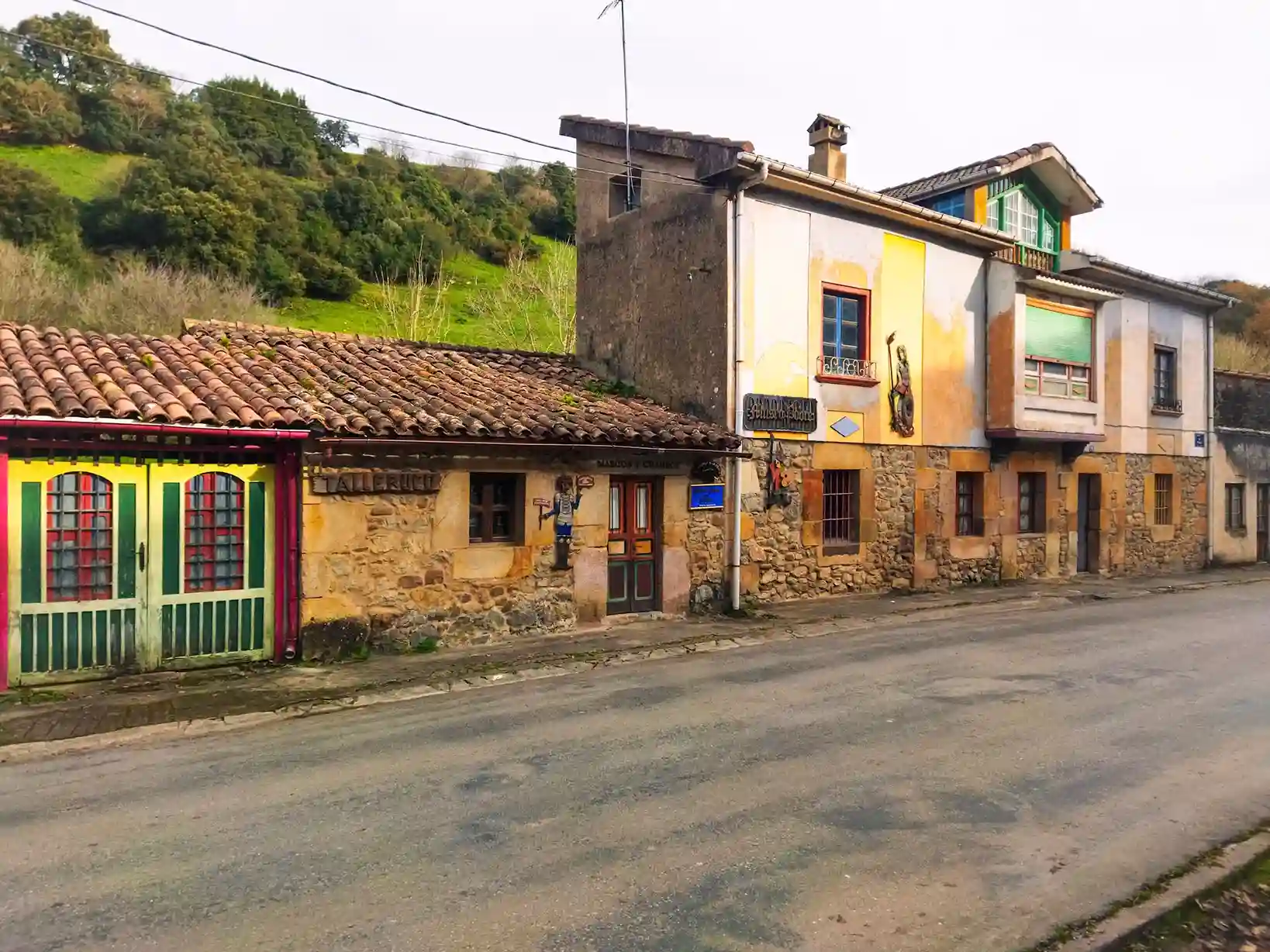
We hope you have better luck than we did and find all the treasures open to explore!
10. Return to Santander
In just 30 minutes, you can return to the charming capital of Cantabria.
WHERE TO EAT GLUTEN-FREE IN THE PASIEGO VALLEYS
The Pasiegos are true masters in the art of delighting palates, transforming their cows’ milk into authentic gastronomic jewels!
Among these delicacies, the sobao, the quesada, and the Pasiego “quesucos” shine bright, becoming the undisputed protagonists of Pasiego cuisine.
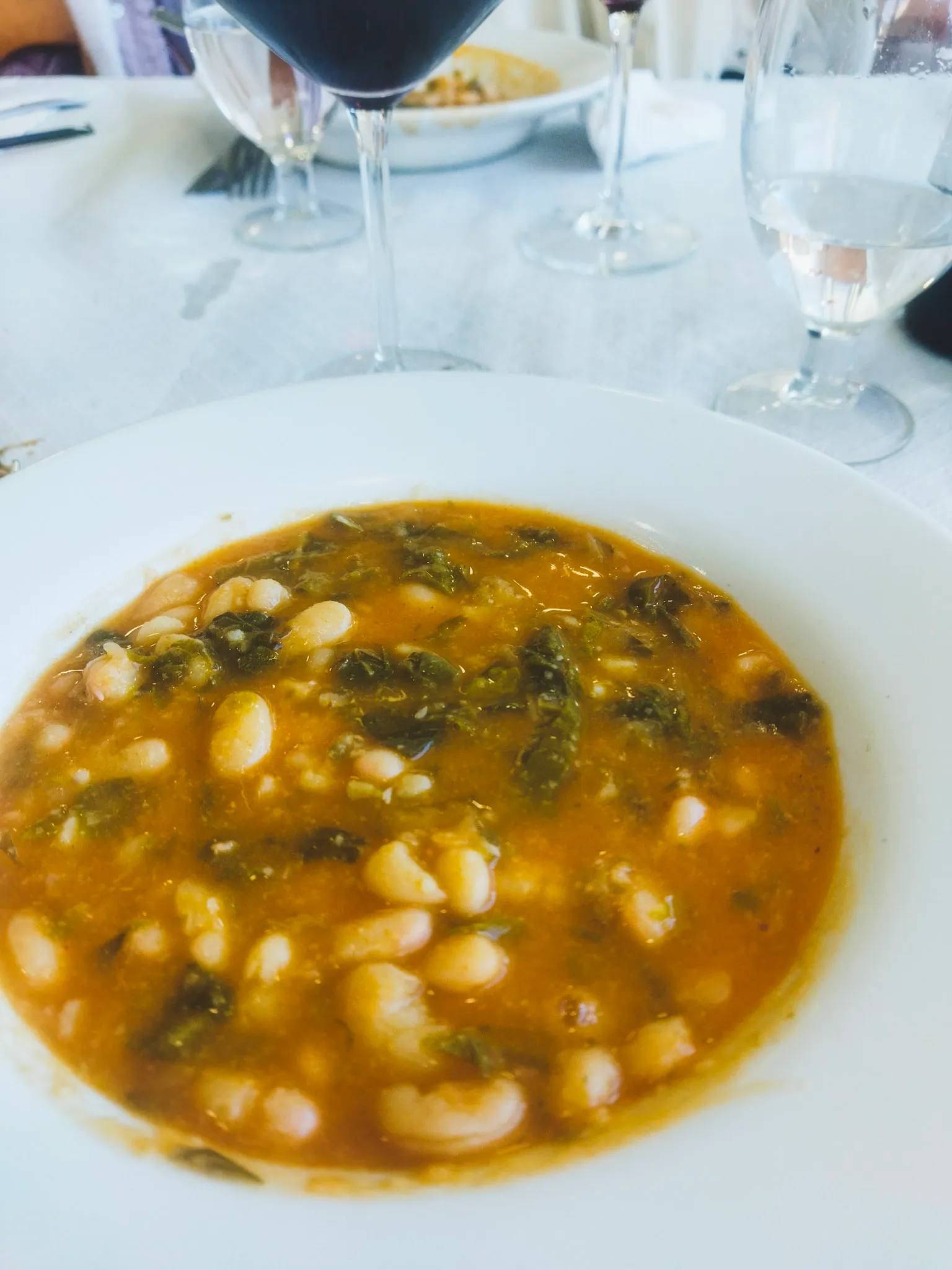
But the feast of flavors doesn’t end here. The cocido montañés, that comforting stew that encapsulates the essence of Cantabria, also waits for you, promising warmth and satisfaction in every bite. We recommend reading our post about the gastronomy of our land.
If you venture through the Pasiego Valleys in search of these and other local delights, here is a list of places we have personally visited and that have never failed to surprise us.
Although it is important to remember, especially for those who must avoid gluten, that cross-contamination is a risk that cannot always be completely guaranteed.El Café in Vega de Pas: a cozy corner where every dish tells a story.
La Hostería de Castañeda: tradition and flavor come together in an incomparable atmosphere.
The Puente Viesgo Spa: where gastronomy meets relaxation.
Dorothy’s Veggie Bistro in La Cueva: a perfect option for lovers of vegetarian cuisine.
Encourage yourself to discover Cantabrian gastronomy in these charming spots, where culinary tradition is lived and savored with every visit.
Read more >>> Where to eat gluten-free in Cantabria
If you love walking as much as we do, get ready for an unforgettable hiking experience that captures both the beauty and the hidden stories of these landscapes!

THE PASIEGO VALLEYS WITHOUT A CAR
To make the most of this experience, we recommend doing the circular route in your own car or considering renting one. This way, you will have total freedom to venture down less-traveled paths and discover magical corners that public transport doesn’t reach.
However, we know this isn’t possible for everyone, so we also inform you of other means of transport available to reach the places we’ve mentioned.

Before your trip through the Pasiego Valleys
🛡️ We never travel without IATI travel insurance, especially on rural routes like this one, where it’s worth being covered for any mishap.
📶 And to avoid losing your GPS signal between valleys, a Holafly eSIM keeps you connected throughout the trip.
BY BUS
From Santander bus station, you can take Alsa lines that will take you daily to fabulous destinations such as Puente Viesgo, Ontaneda, Villacarriedo, and Selaya. Although the experience may be different, we assure you that you will enjoy these wonderful places just as much.
BY BICYCLE
And if adventure on two wheels is your thing, you’ll be happy to know that there is a bike route connecting Santander with Ontaneda: the Pas Greenway (Vía Verde del Pas). Following the route of an old railway line, this 50 km path is your passport to immerse yourself in the beauty of the Pasiego valleys in an active and totally unique way.
Prepare for an adventure that combines exercise, nature, and a lot of fun. The Pasiego Valleys are waiting to reveal their secrets to you, whether on four wheels or two!
And so we reach the end of our circular road trip through the Pasiego Valleys!
We want you, after reading this article, to take away not only a memory of the places you can visit but also a sense of connection with the land and the people who make the Pasiego Valleys such a special place. This itinerary has been an invitation to experience Cantabria in an authentic way.
Ready to embark on your own adventure through the Pasiego Valleys? We’re already dreaming of our next getaway and hope to find you on the road! Don’t forget to share your experiences with the entire Glutendtrotters community; we want to hear your stories, discover your favorite spots, and keep exploring together. The adventure doesn’t end here!
You might also be interested in reading:
10 essential tips for traveling to Cantabria
Churrón de Borleña Route: family adventure
Frequently Asked Questions (FAQs)
How many villages does the circular route through the Pasiego Valleys visit?
The route covers ten main stops: Santander, Puente Viesgo, Alceda-Ontaneda, San Pedro del Romeral, Vega de Pas, El Puerto de la Braguía, Selaya, Villacarriedo, Soto Iruz, and the return to Santander, which takes about 30 minutes from Soto Iruz.
Where can you eat gluten-free in the Pasiego Valleys?
In Selaya, the Joselín workshop offers gluten-free quesada (confirmed on its own official website), and in Ontaneda the family-run Helados López ice cream parlor has flavors suitable for celiacs. This post also lists other places Glutendtrotters has visited in person, such as El Café in Vega de Pas, La Hostería de Castañeda, El Balneario de Puente Viesgo, and Dorothy’s Veggie Bistro in La Cueva, though cross-contamination is a risk that can never be fully guaranteed.
Can you do the Pasiego Valleys route without a car?
Yes. From the Santander bus station, Alsa lines run daily to Puente Viesgo, Ontaneda, Villacarriedo, and Selaya. There is also the Vía Verde del Pas, a 50 km cycling route linking Santander with Ontaneda along an old railway line.
What can you see at the Castillo Caves in Puente Viesgo?
The Castillo Caves in Puente Viesgo preserve Paleolithic rock art declared a UNESCO World Heritage Site in 2008. Of the whole complex, only the El Castillo and Las Monedas caves are open to the public, so booking tickets in advance is recommended.
Is the Museum of the Pasiego Wet Nurses in Selaya open?
Yes. According to the Selaya Town Council, the museum is currently open Tuesday to Sunday, from 10:30 am to 1:30 pm and 4:00 pm to 7:00 pm, and visits can be arranged by calling +34 942 59 02 41 or emailing cofradiadevalvanuz_visitas@hotmail.com.


