


Once someone with celiac disease starts a gluten-free diet, doctors face a tricky follow-up question: is the gut actually healing? The standard tool, the tTG-IgA antibody blood test, tends to lose its edge right when it matters most — antibody levels often drop once gluten is removed from the diet, even if the small intestine hasn’t fully recovered. A new study from the University of Oslo in Norway points to a different approach: scanning a broader set of blood proteins that may track what’s genuinely happening in the gut lining.
The research, published in Gastroenterology, comes from the Norwegian Coeliac Disease Research Centre at the University of Oslo and the Clinical and Translational Coeliac Disease Centre at Oslo University Hospital. Here’s what the team found, what it could mean for monitoring the disease, and where the evidence still falls short.
How the study was done
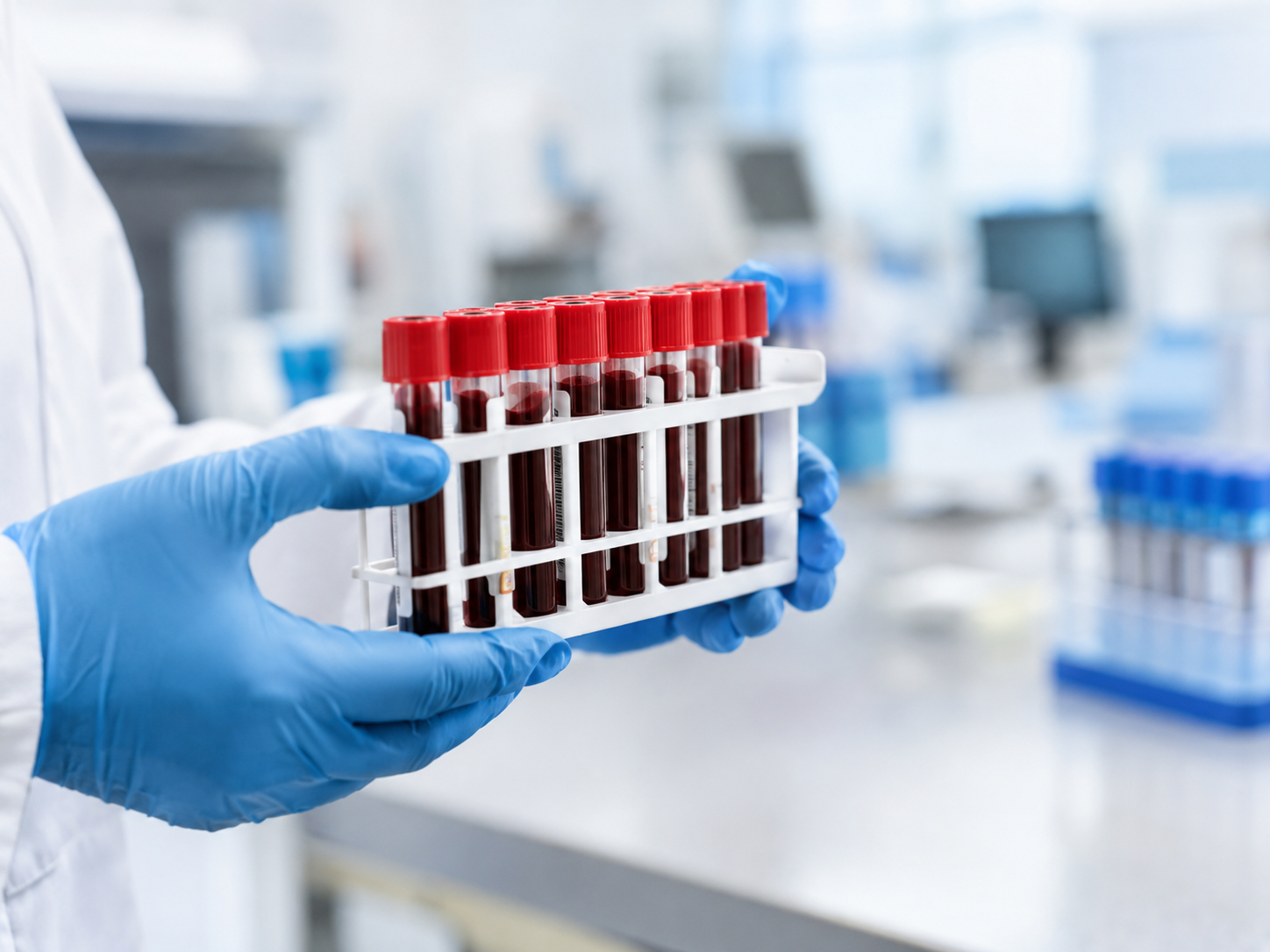
The team — led by physician-researcher Jostein Holen Ibsen, together with researchers Jorunn Stamnæs, Shuo-Wang Qiao, Ludvig M. Sollid, Louise Fremgaard Risnes and Professor Knut E. A. Lundin — analyzed 264 blood and intestinal tissue samples from people with celiac disease, collected both before starting a gluten-free diet and again one year into it, alongside samples from people without the condition as a comparison group. All samples were collected between 2018 and 2024 at Rikshospitalet in Oslo, with participants’ consent for research use.
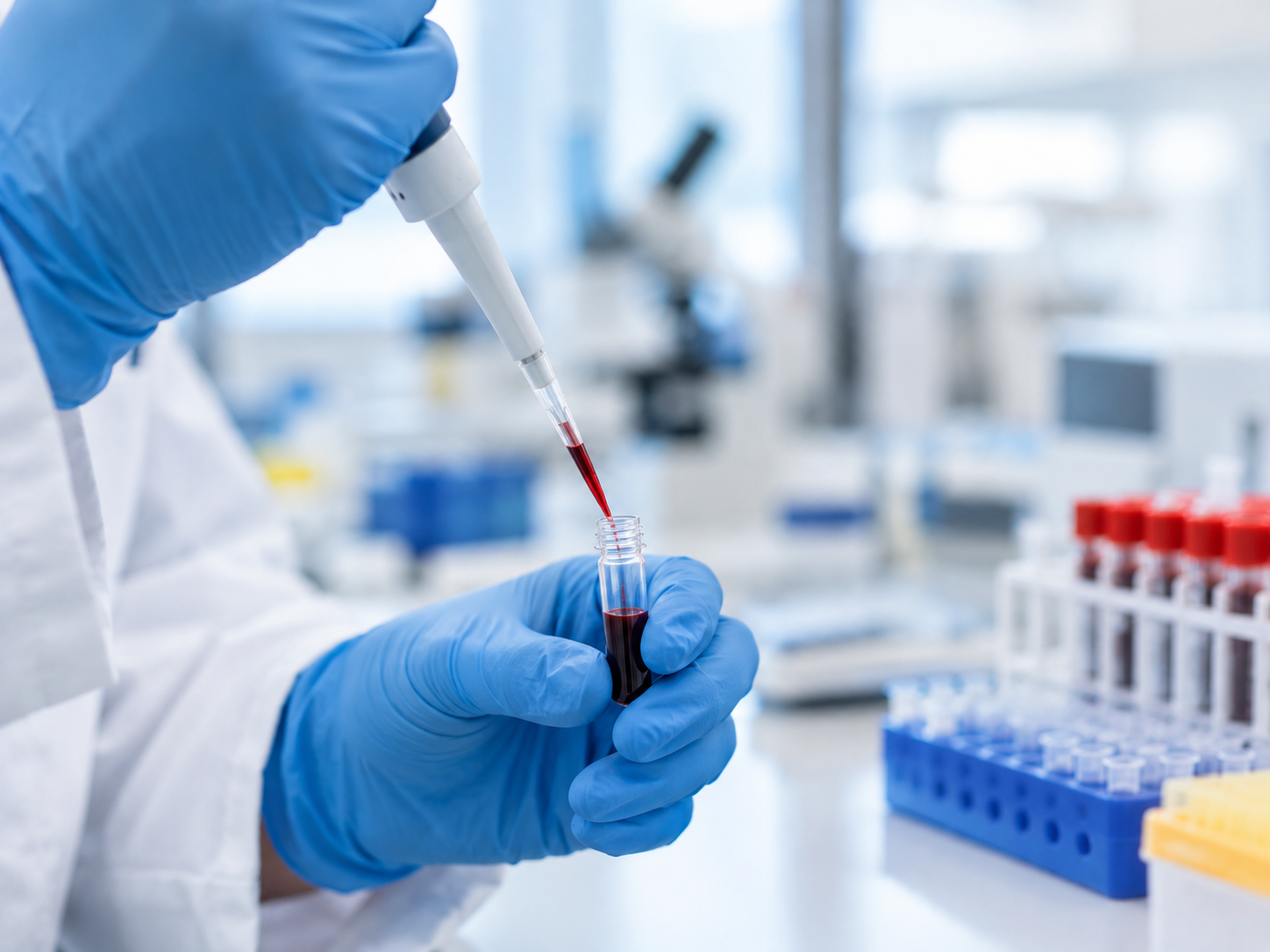
Instead of tracking a single marker — which is how the current antibody test works — the researchers used targeted proteomics, a technique (an Olink panel, in this case) that measures dozens of proteins at once from a single blood sample. That let them compare how protein levels differed between celiac and healthy participants, and between diagnosis and one year on a gluten-free diet.
What they found: 24 proteins, nine worth a closer look
The analysis flagged 24 proteins associated with celiac disease. Of those, nine were particularly tied to the extent of intestinal damage — meaning their levels tracked how damaged the small intestine’s lining was. The researchers haven’t yet released the full list of the most promising proteins; that comes next, as they narrow down which ones deserve deeper follow-up.



The overall pattern was clear: people with untreated celiac disease had the highest levels of inflammatory proteins, while healthy participants had the lowest. After a year on a gluten-free diet, those levels shifted noticeably — which the authors read as a sign of the gut healing. But even after a year off gluten, celiac participants still had slightly higher levels of some of these proteins than healthy controls, hinting that a degree of low-grade gut inflammation may linger longer than the standard antibody test would suggest.
Why it matters: the blind spot in current follow-up
Celiac disease is currently diagnosed with a combination of antibody blood tests (tTG-IgA and total IgA) plus an endoscopy and small-intestine biopsy, and follow-up usually relies mainly on that same blood test. The catch, as Ibsen points out, is that the test becomes less informative once someone is already gluten-free: antibody levels tend to fall regardless of whether the gut lining has fully recovered, which can paint an overly reassuring picture of how healing is actually going.

Professor Knut E. A. Lundin frames these new protein markers as a complement to existing serology, not a replacement — the goal is a more accurate read on how gut inflammation is evolving, and a less anxious follow-up for people who are already doing everything right with their diet. Ibsen echoes the same caveat: these markers “should not replace the tests we use today,” but could add to them.
Limitations: what this study doesn’t tell us yet
- Not a clinical test yet. The authors themselves say larger studies, with more patients, are needed before these proteins can be used in everyday medical practice.
- The shortlist isn’t final. Of the 24 proteins identified, researchers still have to narrow down which ones are worth pursuing in further research.
- Single-center, undisclosed group sizes. All 264 samples came from one hospital (Rikshospitalet, Oslo), and the exact number of participants in each group — untreated, treated, and healthy controls — hasn’t been made public, nor whether children were included or only adults.
- Association, not a diagnostic cutoff. The study shows a clear link between certain proteins and the degree of intestinal damage, but it doesn’t yet translate that into a concrete clinical threshold for “healed” versus “not healed.”

What it means for you (and for travel)
Nothing changes day-to-day for now: a strict gluten-free diet remains the only treatment for celiac disease, and follow-up with your doctor still relies on today’s tools. What’s promising here is the direction: if these proteins (or similar ones) hold up in larger studies, it could eventually become easier to tell whether a celiac’s gut still has active inflammation without repeating biopsies — and to catch earlier whether ongoing low-level gluten exposure, say from recurring cross-contamination while eating out or traveling, is leaving a mark even without obvious digestive symptoms.



That lines up with something we covered when looking at the study on the gluten threshold that triggers an immune response: symptoms alone are a poor gauge of what’s happening inside the gut. More precise monitoring tools, even while still in the research stage, point the same way — the safest strategy is still consistent prevention, not trusting how you feel after a meal.
Source: Ibsen JH, Stamnæs J, Qiao SW, Sollid LM, Risnes LF, Lundin KEA. “Targeted Serum Proteomics Reveals Profiles Associated With Gut Pathology in Celiac Disease.” Gastroenterology, 2026. DOI: 10.1053/j.gastro.2026.07.033. Supplemented with the University of Oslo Faculty of Medicine press release (October 9, 2026) and coverage from News-Medical and AZoLifeSciences (October 8–10, 2026). This article is for information purposes only and does not replace your doctor’s advice.
What did this celiac disease study find?
A University of Oslo team identified 24 blood proteins linked to celiac disease, nine of which were particularly tied to how much damage the small intestine had sustained.
Does this replace the antibody (tTG) test already in use?
No. The researchers themselves say these proteins shouldn’t replace current testing, but could complement it for a fuller picture of how intestinal inflammation is progressing.



Why isn’t the current antibody test enough?
Because it tends to lose reliability once someone is already gluten-free: antibodies usually fall even if the gut hasn’t fully healed, which can give an overly reassuring picture.
Can I ask my doctor for this protein test now?
Not yet. The study itself notes that larger trials, with more patients, are needed before it could become a routine clinical tool.
What does this mean for celiacs who travel or eat out often?
Nothing changes in practice for now — a strict gluten-free diet remains the only treatment. But the study reinforces that symptoms alone aren’t a reliable guide to gut health, so prevention and regular medical check-ups still matter most.


