


In the world of celiac disease, we are used to meticulously checking processed food labels. However, there is an unexplored territory for many patients: cosmetics and personal hygiene products. Is it possible for a gluten-containing nail polish to affect a celiac person’s health? Although ingestion is the main trigger for symptoms in celiac disease, accidental contact is a valid concern.
How does gluten end up in nail polish?
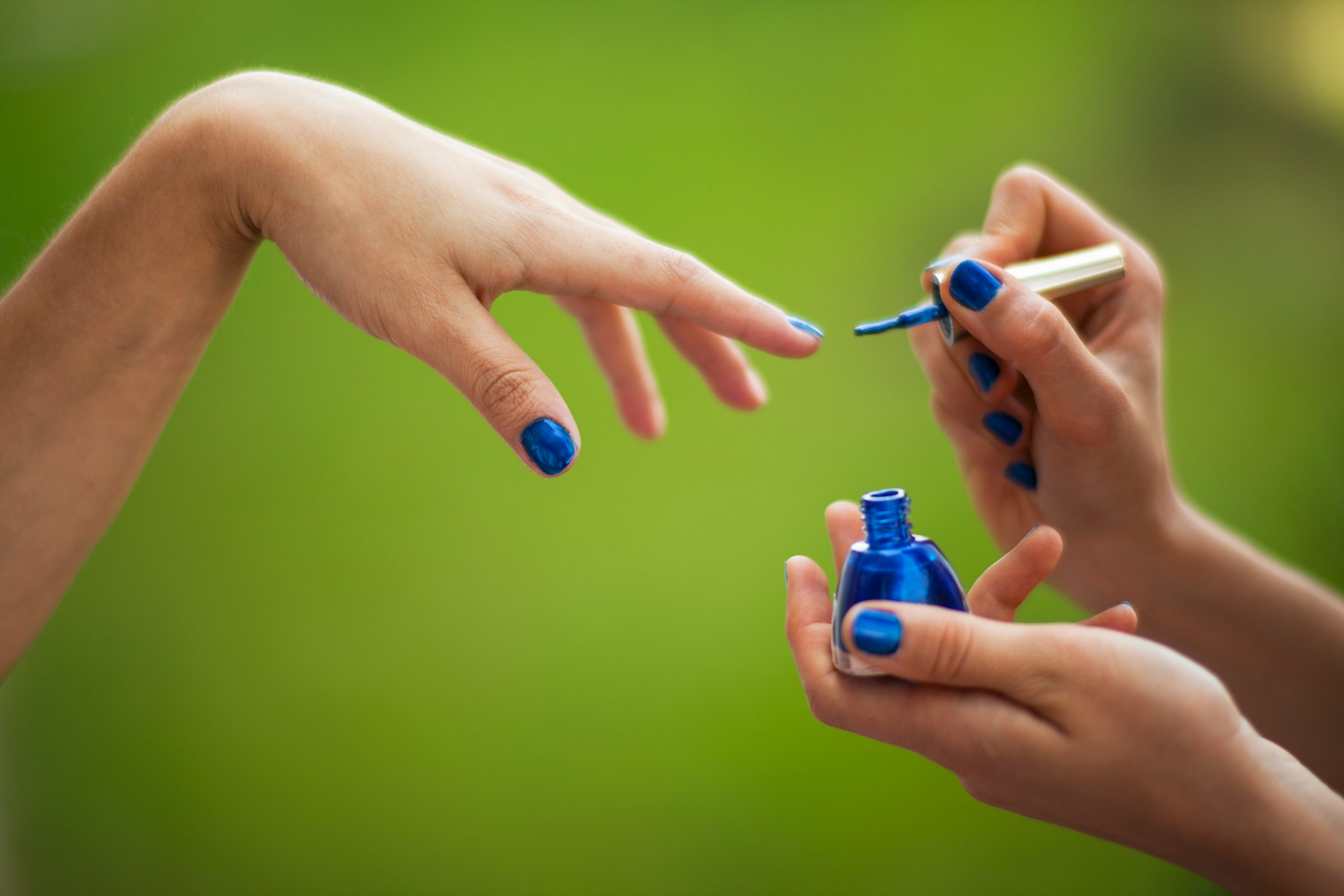
The cosmetics industry often uses wheat, barley, or rye derivatives for their conditioning or stabilizing properties. In the case of nail lacquers, certain ingredients may contain traces or derivatives of gluten. Even though nail polish is not an edible product, the risk arises from a very common habit: bringing our hands to our mouth or handling food immediately after painting our nails.
The risk of absorption and accidental ingestion
For most people with celiac disease, the skin acts as an effective barrier. Due to its molecular structure, the gluten protein is too large to be absorbed through intact skin. The real problem is not dermal absorption, but cross-contamination. If we apply a polish that contains gluten and later handle bread, fruit, or any other food, there is a high probability of transferring gluten residues from our hands to what we are about to eat.
How to protect yourself and what to look for
Faced with this reality, caution should be the golden rule. If you suffer from celiac disease or non-celiac gluten sensitivity, it is advisable to follow these steps:



- Check product labels for wheat-derived ingredients (such as Triticum vulgare).
- Opt for brands that explicitly state they are gluten-free or follow safe manufacturing practices.
- Wash your hands thoroughly after using any cosmetic product, especially if you plan to cook or eat shortly after.
- If you suffer from dermatitis herpetiformis, be especially careful, as your sensitivity to external contact is usually more acute.
Ultimately, common sense and consistent hygiene are your best allies. While there is no need to panic over every everyday product we use, staying informed allows us to make decisions that protect our long-term digestive health.


