


For those of us living with celiac disease or non-celiac gluten sensitivity, daily eating becomes a constant exercise in vigilance. It is not enough to simply avoid traditional bread, pasta, or pastries; the true challenge lies in understanding gluten in processed foods and drinks, a terrain where labels can be confusing and additives act as Trojan horses.
Gluten in sauces, broths, and canned goods
Many consumers assume that a tomato sauce or vegetable broth are naturally safe products. However, the food industry often uses wheat flour or wheat starch as thickening or stabilizing agents. Even in canned fish or vegetables, it is common to find modified starches that, if their origin is not specified, may contain traces of gluten due to cross-contamination.
It is vital to check the ingredient list for terms like ‘thickener’, ‘hydrolyzed vegetable protein’, or ‘flavorings’. In many cases, these components derive from prohibited grains, transforming a seemingly harmless product into a source of risk for our digestive health while dealing with hidden gluten.
Drinks and processed items: The hidden face
One of the critical points is beverages. While water, natural juices, and wine are usually safe, certain distilled liquors or fermented drinks made with barley malt pose a direct threat. Malt, a very common ingredient in beers and some flavored drinks, is pure gluten, so its consumption is strictly discouraged for our community.

On the other hand, processed cold cuts and sausages represent another danger zone. In the meat industry, flours are used to provide texture and volume to products like hot dogs, bologna, or pâtés. If the manufacturer does not guarantee the absence of gluten in their manufacturing processes, cross-contamination is almost inevitable.
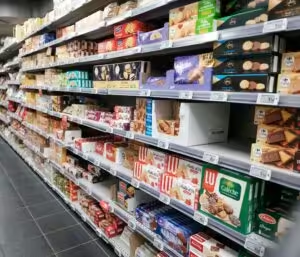


How to protect yourself: Reading labels
The celiac’s best tool is knowledge. We cannot rely solely on the appearance of a product; we must always look for the certified ‘Gluten-Free’ seal or, failing that, meticulously read the composition. If a product lacks allergen information or does not specify the origin of its starches, the golden rule is clear: when in doubt, it is best to avoid it.
Remember that ingredients that seem simple are often the ones that hide the greatest risk. Staying informed and following celiac association guides is essential to navigate the supermarket safely. Transparency in labeling is a victory we must demand so that every purchase is a safe and worry-free decision.
Source: Where does gluten hide? Industrial products and drinks where this protein goes unnoticed


