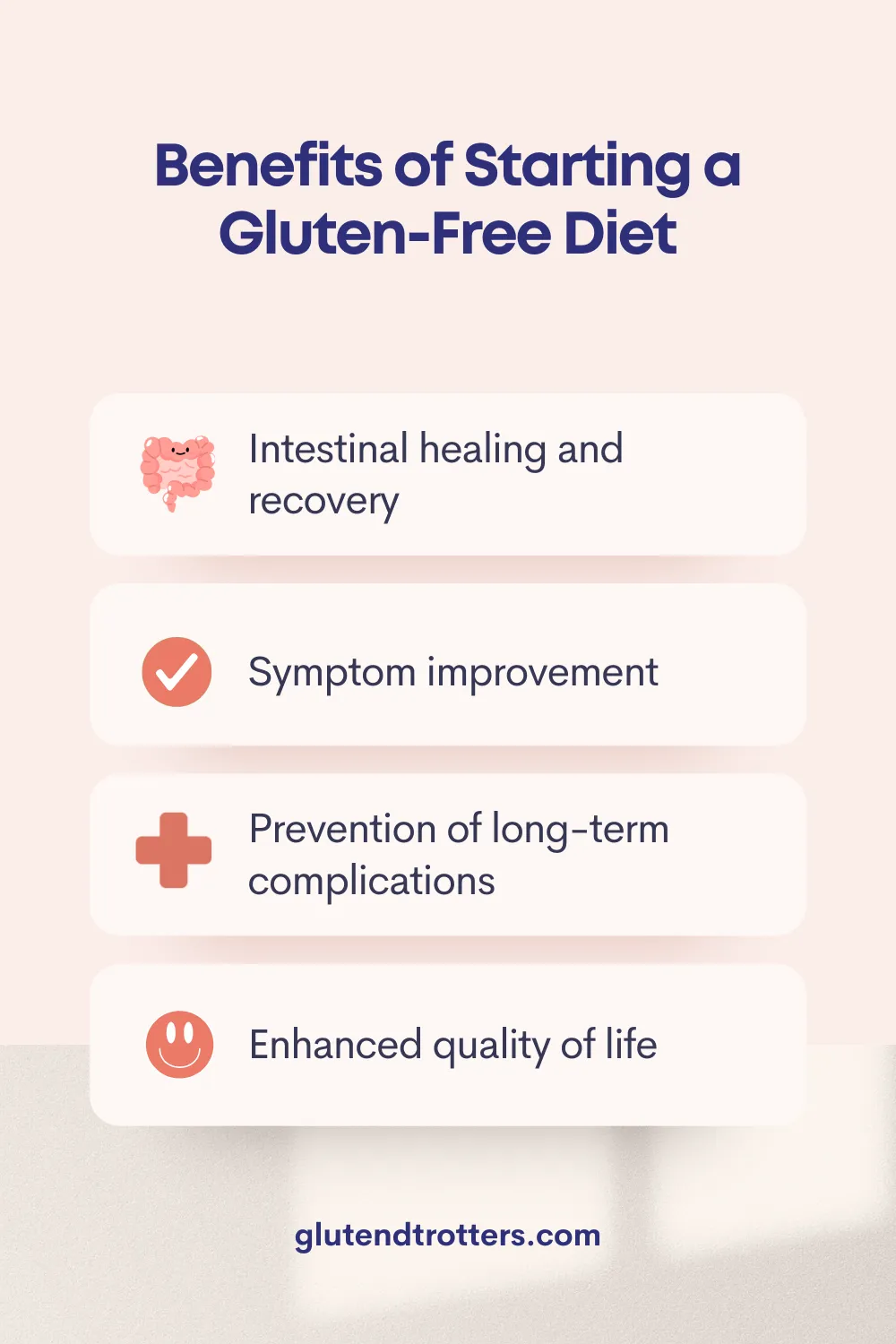


In recent years, the gluten-free fad diet has transitioned from being a vital necessity for people with celiac disease or non-celiac gluten sensitivity into a lifestyle choice followed by thousands of individuals with no underlying medical conditions. Driven by social media and wellness gurus, this trend has sparked a necessary debate about its potential benefits and, above all, the risks of eliminating an entire food group without medical justification.
The origin of the phenomenon: Health or gluten-free marketing?
According to experts from Mutua Terrassa in their recent analysis of this trend, the main issue lies in misinformation. Many consumers attribute health-boosting properties to general wellness, such as weight loss or higher energy levels, when the reality is much more complex. It is essential to remember that gluten is not a biological enemy for the majority of the population; it is a protein naturally present in grains like wheat, barley, and rye.

Why diagnosis is non-negotiable
The most common mistake detected by specialists is self-diagnosis. Many people decide to start a gluten-free lifestyle on their own upon experiencing mild digestive discomfort. According to the source, this practice is a serious mistake. To diagnose celiac disease, it is essential that the patient maintains a normal gluten intake; otherwise, diagnostic tests may yield false negatives, leaving the patient without proper treatment and lacking necessary clinical monitoring.
Is it really a healthier option?
Far from being a cure-all, a poorly planned gluten-free diet can lead to nutritional deficiencies. When removing gluten-containing grains, consumers often replace them with ultra-processed products that frequently contain higher amounts of sugars, saturated fats, and salt to compensate for the lack of texture and flavor. Additionally, there may be a deficiency in fiber, iron, and B-complex vitamins naturally found in whole grains.



Conclusions for our community
At Glutendtrotters, we want to emphasize that while the industry has greatly improved the quality of products for celiacs, medical rigor must prevail over trends. The key points to remember are:
- The gluten-free diet is a medical treatment, not a dietary lifestyle.
- Always consult a specialist before making drastic changes to your diet.
- Do not base your nutrition on processed gluten-free products; prioritize fresh and natural foods.
- If you suspect you have an intolerance or celiac disease, do not eliminate gluten until you have completed all relevant tests at your healthcare center.
In conclusion, digestive health should not be the subject of experiments. Fact-checked information, such as that provided by Mutua Terrassa, is the best tool to protect our well-being and ensure that those who truly need to avoid gluten receive the care and respect they deserve in a society that is increasingly aware, yet also more exposed to passing fads.