

For the first time, US lawmakers have three separate federal bills on the table that would tighten how gluten-containing grains are disclosed on food labels, and the two largest celiac disease patient organizations in the country, Beyond Celiac and the Celiac Disease Foundation (CDF), are actively pushing for them to pass.
Why current labeling falls short
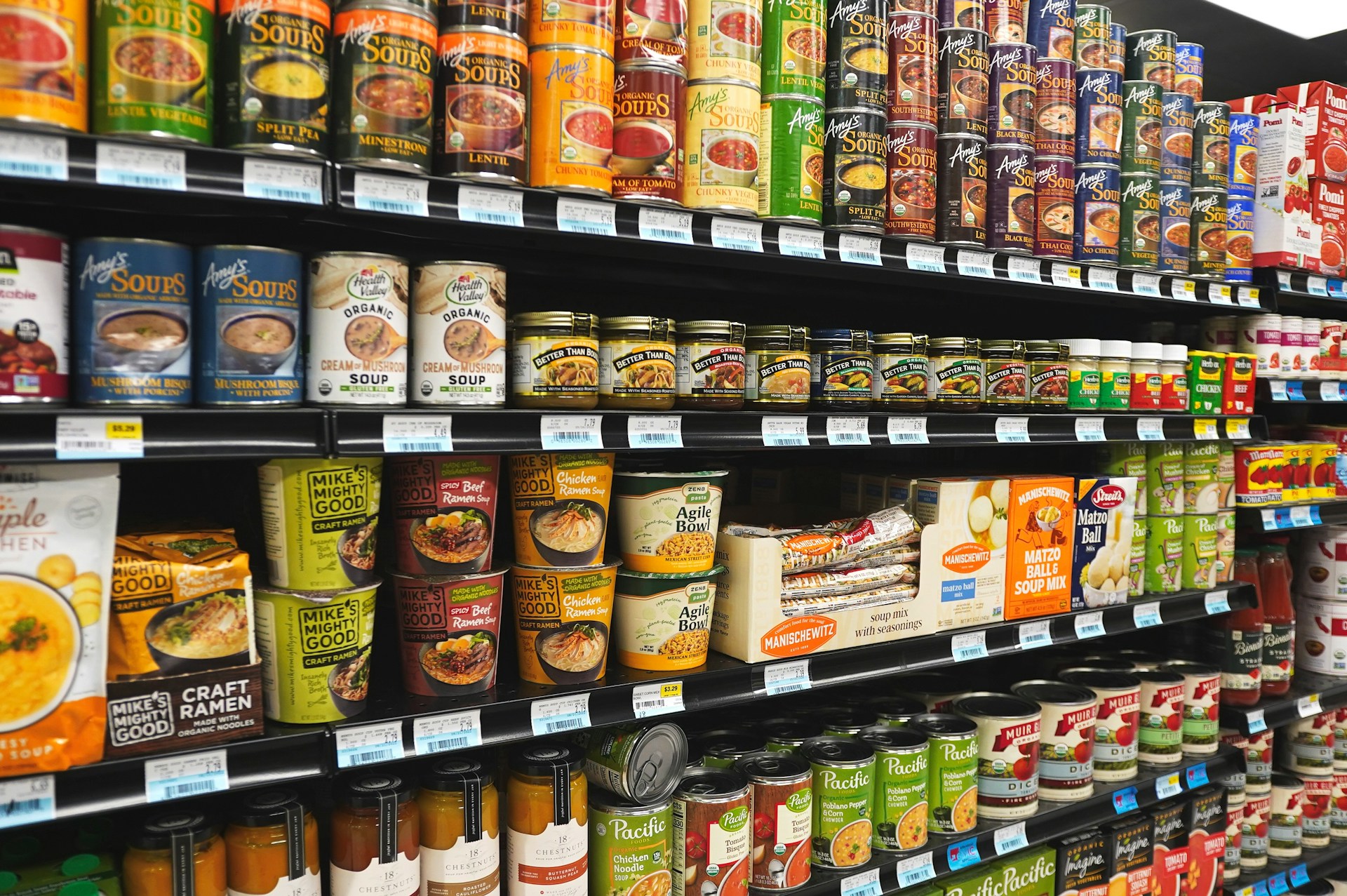
Under current US law, only wheat is named as a major food allergen that must always appear clearly on a label. Barley, rye, oats and their hybrids — all gluten-containing grains — are not, so they can end up hidden inside vague terms like “natural flavoring” or “modified food starch”. For people with celiac disease, that gap means a product can be technically compliant while still posing a real risk.
Three bills, three approaches
According to the Celiac Disease Foundation, the Celiac Safety Act of 2026 (H.R. 9048) was introduced on 28 May 2026 by Representatives Emanuel Cleaver II (D-MO) and Betty McCollum (D-MN). It would expand the federal list of “major food allergens” to include barley and rye alongside wheat, requiring the same mandatory, clear labeling already used for allergens such as peanuts or milk. CDF stated that “gluten-containing grains trigger a serious autoimmune response in celiac disease patients, yet current labeling laws fail to recognize that risk with the same clarity afforded to other ingredients listed as major allergens,” adding that the bill would “strengthen transparency, reduce preventable medical harm, and help millions of Americans make safe food choices with confidence.” The bill is also backed by the American Gastroenterological Association and the Society for the Study of Celiac Disease.
A second bill, the FASTER Act of 2026 (H.R. 9988), introduced in early August 2026 by Representatives Tom Barrett and Anna Paulina Luna in a bipartisan effort, takes a broader approach: it would replace “wheat” in the federal allergen definition with “gluten-containing grain”, covering barley, rye and oats and their hybrids under the same labeling standard.



A third proposal, the Food Labeling Modernization Act of 2026 (H.R. 8385/S. 5166), would add the phrase “or gluten-containing grain” next to the existing major allergen list, without formally classifying it as a major allergen in its own right.
Beyond Celiac’s role, and where the FDA stands
Beyond Celiac has publicly thrown its support behind the Celiac Safety Act, encouraging patients to contact their representatives to co-sponsor it, and has separately recommended to the FDA that barley and rye labeling become mandatory and that oats receive labeling aligned with existing gluten-free standards. The organization frames the moment as a genuine opportunity, saying “a safer, more transparent food system is possible.”
These bills build on a separate, earlier step by the FDA itself: in January 2026, the agency issued a formal Request for Information (docket FDA-2023-P-3942) on gluten labeling and cross-contact, opening a 60-day public comment window — we covered what that request actually asked for back when it was announced. None of the three bills has yet passed; all remain in committee as of this writing.



What it means for gluten-free travelers and shoppers
None of this changes today’s shopping rules: US “gluten-free” claims are still capped at under 20 parts per million, and reading full ingredient lists remains essential. But if any of these bills becomes law, hidden barley, rye or oat derivatives would have to be named on the label in the same way peanuts or milk are today — a change patient advocates have been asking for, for years. It’s part of a broader pattern of advocacy groups pushing for better data and safeguards, similar to Coeliac UK and Crohn’s & Colitis UK funding new research into how many people actually live with coeliac disease.


