
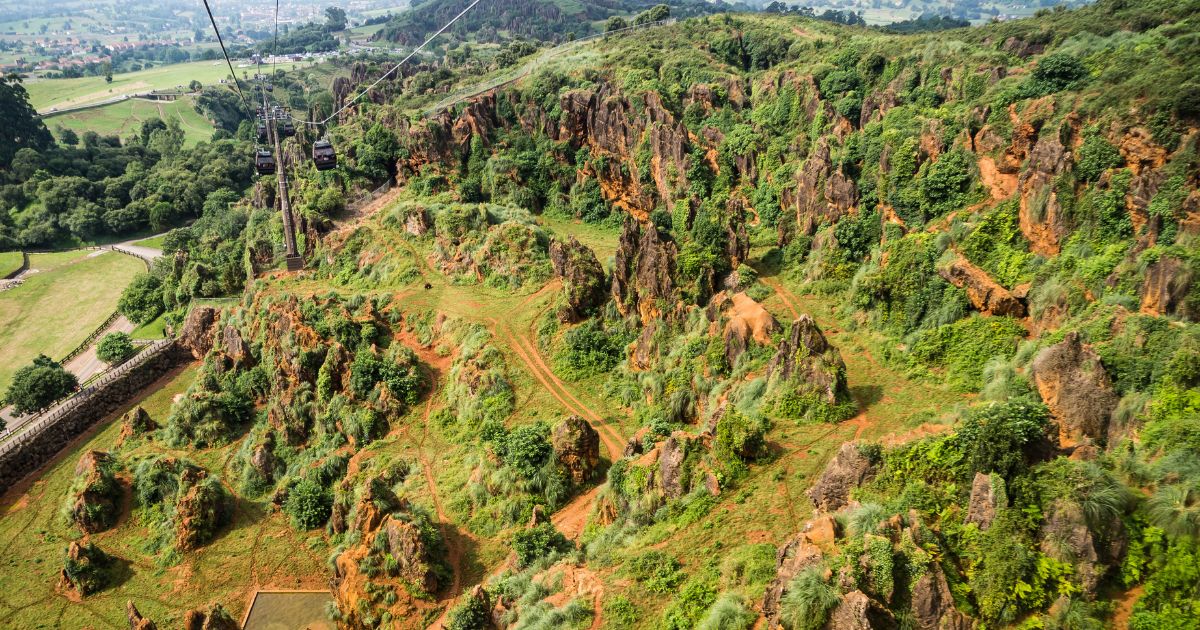
Picture a former open-pit iron mine, 750 hectares (about 1,850 acres) of it, turned into a landscape of limestone cliffs, lakes and gorges where elephants, giraffes and brown bears share the scenery with more than a hundred other species from five continents. That’s Cabárceno Nature Park, and it’s one of the best days out in Cantabria.
It works brilliantly for families. The first time we went, the kids loved it so much that we ended up getting the annual family pass, and it’s now one of the places we always tell friends to squeeze into a trip to Cantabria.
This guide covers everything you need to plan your day: 2026 opening hours and ticket prices, how to get around, which areas to prioritise and, as always here, where to eat safely if you’re celiac.
Before your visit to Cabárceno Nature Park
If you’re travelling from abroad, take a look at your IATI travel insurance, get your Holafly eSIM so you don’t lose coverage during the visit, and if you need a rental car to get around Cantabria, compare prices at Discover Cars.
What exactly is Cabárceno?
Plenty of people call it “Cantabria’s zoo”, but the park is quick to point out that it’s neither a traditional zoo nor a standard nature reserve. It describes itself as a space reshaped by people around the raw beauty of a karst landscape, built over what used to be an open-pit iron mine. More than 12 miles (20 km) of internal road wind past gorges, lakes and dramatic rock formations.
It was created with educational, scientific and conservation goals in mind, and it belongs to the main international bodies that certify animal welfare in zoos: AIZA, WAZA and EAZA (the Iberian, world and European zoo and aquarium associations).
Getting to Cabárceno
Cabárceno sits in the Pisueña valley, in the municipality of Penagos, roughly 9 to 11 miles (15-17 km) from Santander, or about 20-25 minutes by car. Driving is by far the easiest way to get there: there’s no bus line aimed at tourists, and the park itself is designed to be toured in your own vehicle. Motorbikes and motorhomes are also allowed, although motorhomes can’t enter or park in some areas because of the terrain.
Opening hours in 2026
The park is open every day of the year, except 24, 25 and 31 December and 1 January. Hours change with the season:
- July and August: 9:00 am to 6:00 pm
- 1 March to 1 November (outside July and August): 9:30 am to 6:00 pm
- 2 November to 28 February, Monday to Friday: 9:30 am to 5:00 pm
- Same period, weekends, public holidays and long weekends: 9:30 am to 6:00 pm
- Easter Week and the May Day long weekend: 9:00 am to 6:00 pm
Those closing times are when the ticket office stops admitting visitors. Once you’re in, you can stay until sunset, although some animals start heading in from around 5:45 pm. (Source: the park’s official website, in Spanish, with hours updated in September 2026.)
Ticket prices in 2026
Prices depend heavily on when you go, and the gap between low and high season is big:
- Low season (2 January to 29 March and 1 November to 30 December, except long weekends and public holidays): adults €25, children aged 4 to 12 €15
- Mid season (7 April to 30 June and all of October, except long weekends and public holidays): adults €35, children €20
- High season (Easter Week, 1 July to 30 September, and all long weekends and public holidays): adults €45, children €25
- Children under 4: free in every season
The cable car is included in the standard ticket. Large families and over-65s get 10% off, and visitors with a disability of 33% or more get 50% off (ticket office only, with proof). Planning more than one visit a year? The Tarjeta Amigo (Friend Card) annual pass starts at €80 for an individual card. (Prices checked on the official website, last updated 4 September 2026.)
How the visit works: car first, cable car second
The park is huge, so most people drive round it following the map they hand out at the entrance (you can also download it as a PDF). Give yourself several hours to see the main enclosures without rushing. The cable car, included in your ticket, lifts you to the park’s highest points for sweeping views over the enclosures; its timetable changes a lot through the year, so check it on the day. Some stretches can be done on foot, and from 15 July to 15 September a free Ecobús shuttle links some areas so you can leave the car behind.
What to see: the highlights
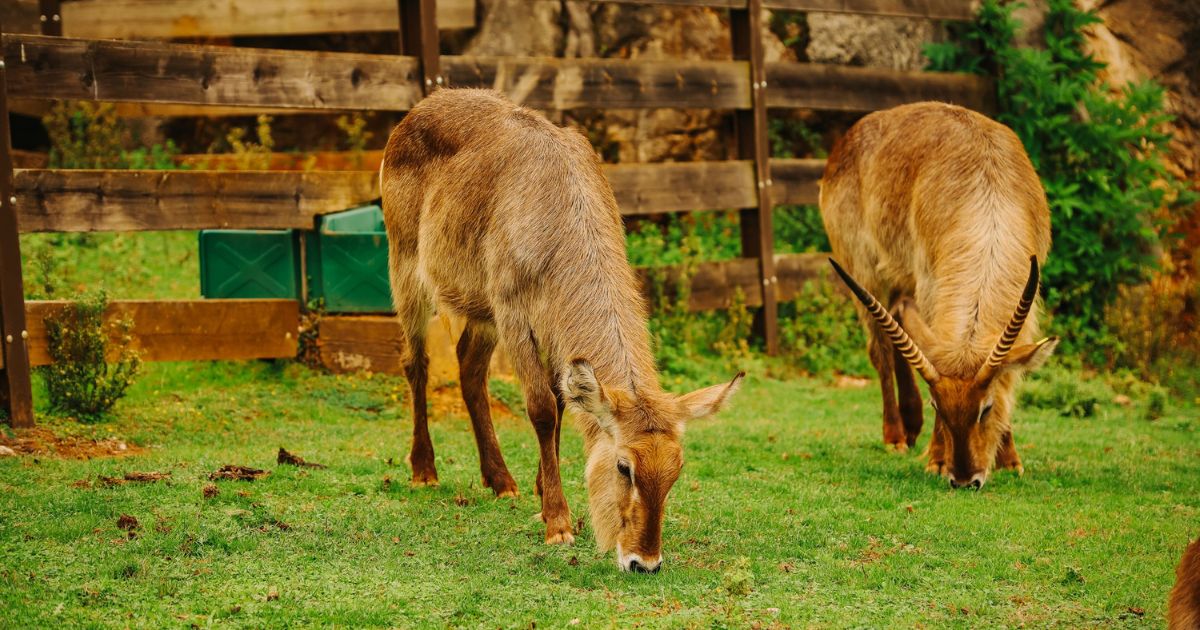
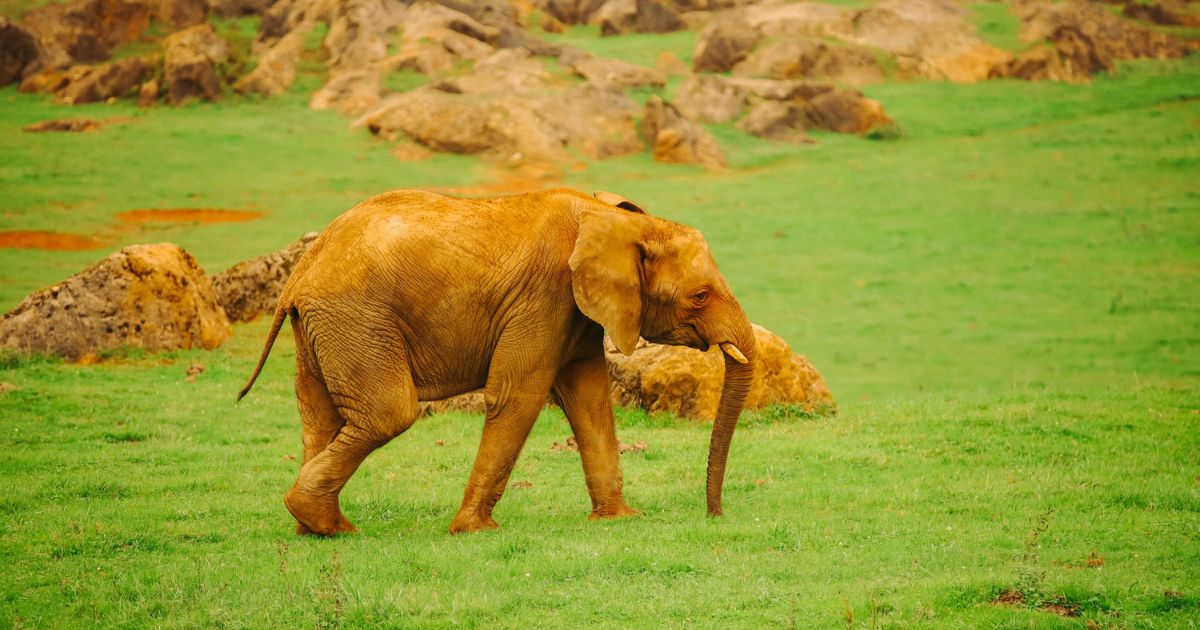
More than a hundred species from five continents live here in semi-freedom: brown bears, elephants, rhinos, gorillas, tigers, wolves, bison and giraffes, to name just a few. These are the stops we’d prioritise:
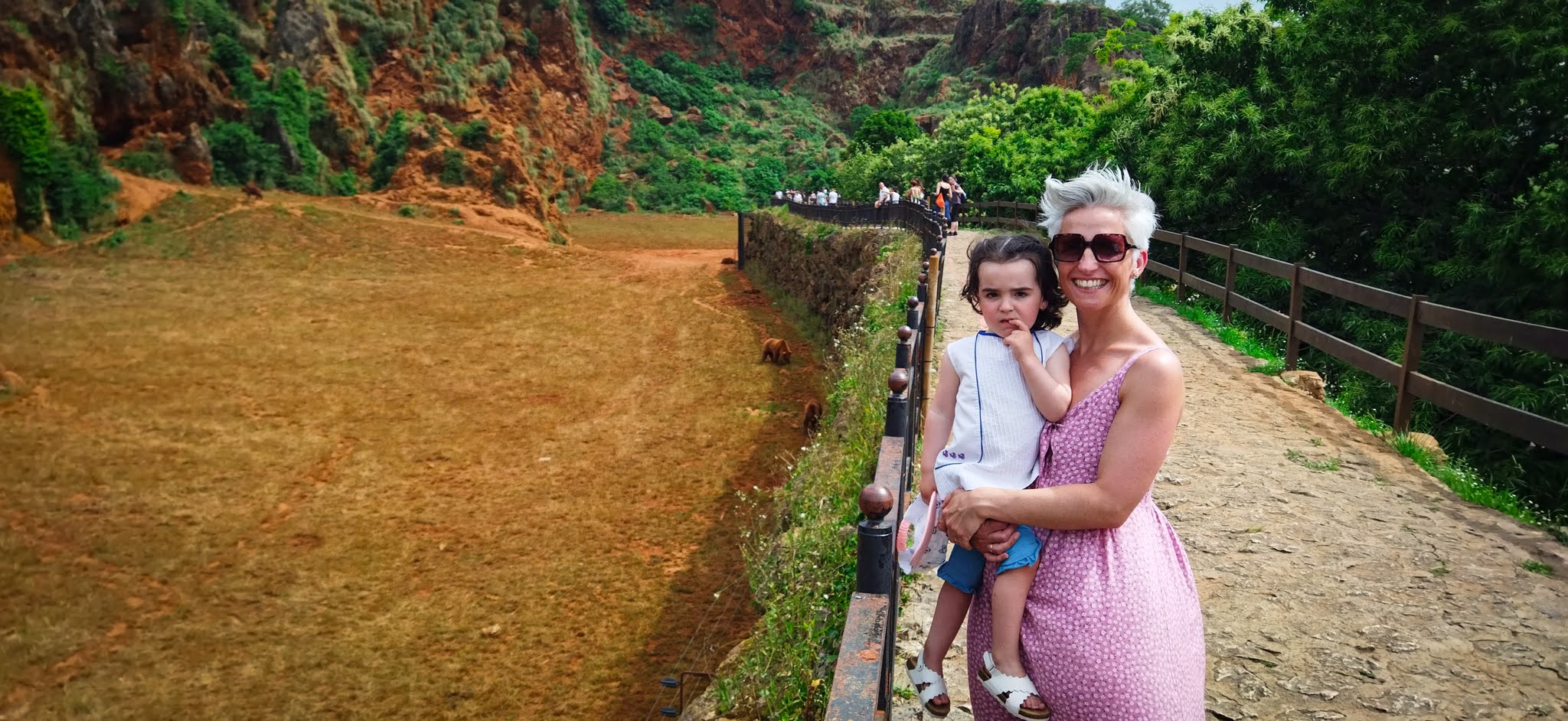
- The brown bear enclosure, with a habitat recreated on the original mining terrain
- The giraffe and ostrich savanna, with the bear enclosure as its backdrop
- The birds of prey flying displays, at fixed times that vary with the season
- The reptile house, with its own hours, extended in summer
- The 360º Room, with three films about Cantabria, the Camino Lebaniego and the park itself
Our favourite is the brown bear area, closely followed by the zone designed for little ones; it’s those details that make the day work for the whole family. And Manuela never lets us forget her favourite moment: watching giraffes pick their noses!
How long do you need?
Half a day is the bare minimum for a relaxed visit. If you want to see most of the enclosures, ride the cable car and have lunch in the park, plan on a full day. Arrive early, especially in high season: you’ll beat the crowds, and many animals are more active in the morning.
Fitting Cabárceno into a Cantabria trip
Cabárceno is a staple of any trip to the region, which is why it features in our itineraries for Cantabria in 3 days, 5 days and 7 days. If you’d rather improvise by car, three other routes in the area are worth a look: our road trip through Cantabria’s hidden paradises, the circular drive through the Pasiego Valleys and the Churrón de Borleña waterfall hike.
No car? Take a tour from Santander
If you’re travelling without a car, or just don’t fancy the logistics, a half-day guided tour of Cabárceno from Santander takes care of it all: hotel pick-up in Santander, transport by minivan, an English- and Spanish-speaking guide, park admission included and the option to ride the cable car, all in a small group of up to 8 people. It’s especially handy if you’re staying in central Santander and want to skip the parking and the park’s internal roads.
Eating gluten-free at Cabárceno and nearby
A big question for celiac visitors is food: once you’re inside, getting back out can take hours. The good news is that Restaurante Los Osos, in the heart of the park facing the giraffe and ostrich savanna, explicitly offers a gluten-free menu for celiacs alongside its usual set menu and children’s menu. It also publishes a dedicated allergen and gluten menu for adults on its official website, so check it before you go and confirm with the staff when you arrive.
Los Osos is open daily from 12:45 pm to 3:45 pm and doesn’t take reservations: tables are allocated on a first-come basis. The park’s other cafés and food points (La Mina, La Cabaña and La Granja) have no confirmed celiac menu, so always ask about allergens before ordering.
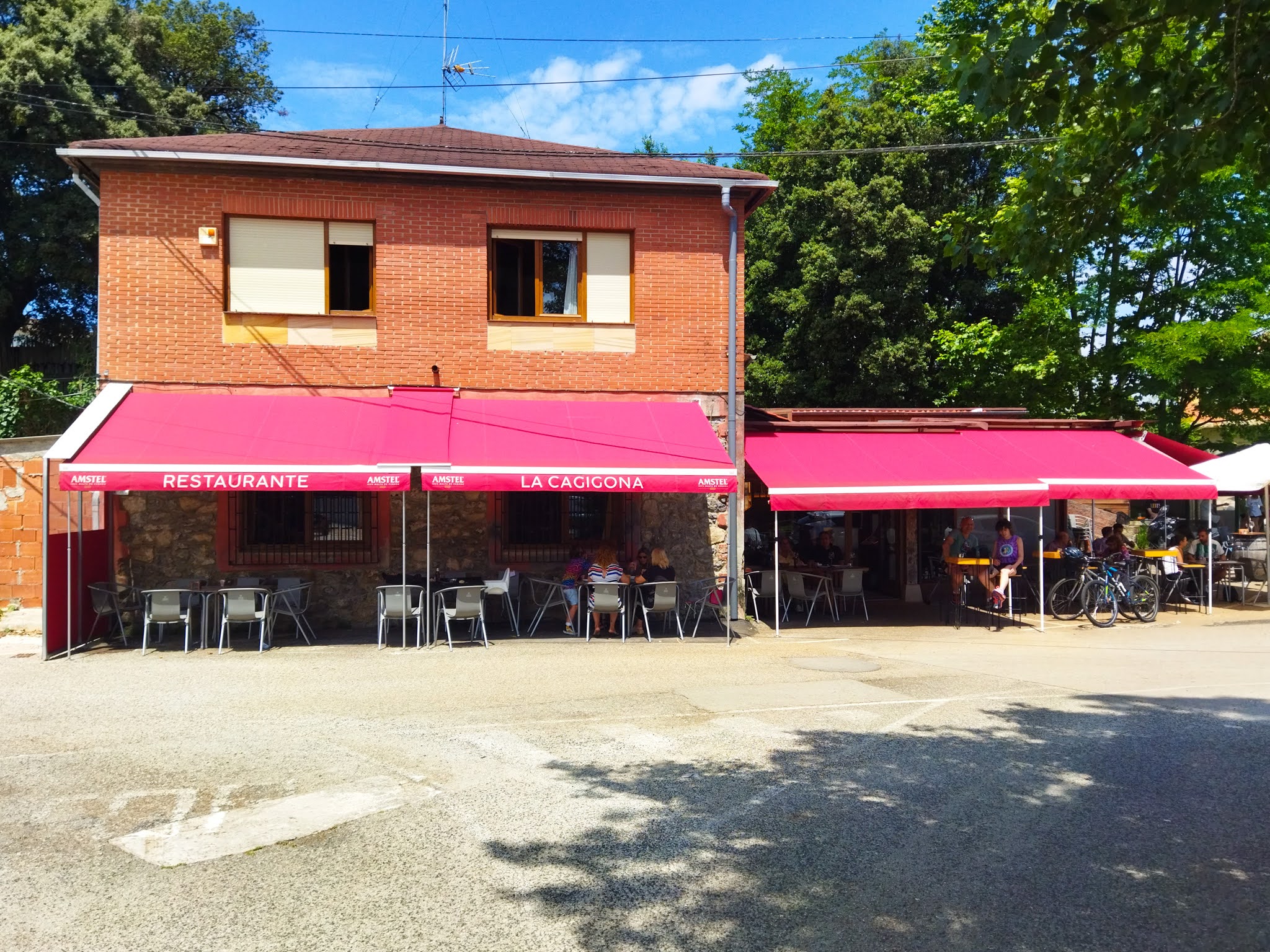
If you’d rather eat outside the park, Villaescusa, right at the entrance, has a couple of gluten-free options:
- La Loma del Chonuco (La Concha, Villaescusa): a large terrace and car parking, with several gluten-free options on the menu.
- La Cagigona (La Concha, Villaescusa): a family restaurant with a good variety of gluten-free dishes, desserts included. It fills up at weekends, so a weekday visit is better.
Staying in Santander? You’ll find plenty more within 20 minutes of the park in our guide to gluten-free restaurants in Santander. For the rest of the region, see our complete guide to eating gluten-free in Cantabria, which includes restaurants certified by ACECAN (the Cantabrian Celiac Association).
Practical tips
A few rules and tips before you go: the speed limit inside the park is 20 km/h (about 12 mph), and you can’t get out of your car in the Iberian fauna area. Feeding the animals is strictly forbidden. Dogs are welcome on a lead, but access is restricted at the restaurants, the reptile house and the route beside the sea lion pool. To plan your route ahead, download the park’s free official app, “Te cuento”, which has an audio guide and suggested itineraries.
Important: watch out for the Gibraltar monkeys (Barbary macaques). They live freely and can approach visitors to grab bags, food or anything else that catches their eye, and they can bite if they feel threatened. Keep your distance, secure your belongings and never try to touch or feed them.
Cabárceno Nature Park: frequently asked questions
How much are tickets for Cabárceno Nature Park in 2026?
It depends on the season: €25 in low season, €35 in mid season and €45 in high season for adults. Children aged 4 to 12 pay between €15 and €25 depending on the date, and children under 4 get in free. The cable car is included in the price.
How long do you need at Cabárceno?
Ideally a full day, especially if you want to combine the drive round the park, the cable car and lunch inside. Half a day is enough to see the essentials, but without much margin.
Can you get to Cabárceno without a car?
The park is designed to be toured by car and has no tourist bus line of its own. The most convenient alternative if you don’t have a vehicle is a guided excursion with hotel pick-up in Santander.
Where can you eat gluten-free at Cabárceno?
Restaurante Los Osos, in the centre of the park, offers a menu for celiacs and publishes its own allergen menu. Outside the park, in Villaescusa (at the entrance), you’ll find La Loma del Chonuco, La Cagigona and El Galeón de Escuza, and 20 minutes away you have all of Santander’s gluten-free restaurants.
Is the cable car included in the Cabárceno ticket?
Yes, the cable car is included in the price of the standard ticket, although its timetable varies by season.
Are dogs allowed at Cabárceno?
Yes, as long as they are on a lead and under control, although access is restricted at restaurants, the reptile house, the park’s internal bus and the walk next to the sea lion pool.