


Cantabria is not only a paradise for surfers, archaeologists, and hikers, but also a wonderful playground for the little ones in the house. If you are planning a family getaway and are wondering what to do in Cantabria with kids, you are in the right place. Let us guide you through the most exciting activities to ensure your trip is a memorable experience for everyone.
A Unique Combination of Nature, History, and Adventure
This region, with its lush vegetation and diverse fauna, offers a spectacular natural setting, complemented by the blue of the sea. Beyond its beaches and mountains, Cantabria invites you to discover its rich legacy through archaeological caves, museums, and historical monuments. We openly declare our love for our “tierruca” (beloved land), a place that, we believe, is unparalleled in terms of what it offers families.
Although the weather in Cantabria can be unpredictable, this shouldn’t worry you. Sporadic rain is no obstacle to enjoying many of the available activities. From outdoor adventures to cultural explorations, there is something for every member of the family, ensuring fun and unforgettable memories.

Before your family adventure in Cantabria
If you’re going to cover several of these plans by car, we recommend renting a car to get around the region freely, taking out travel insurance with IATI (5% off for Glutendtrotters readers) before you leave home, and, if you’re coming from outside Spain, activating your Holafly eSIM (also 5% off) to have data from the first minute.
Practical tips for a perfectly imperfect family adventure
Before we dive into our recommendations on what to do in Cantabria with kids, here are some proven tips to maximize your experience:
- Avoid cultural activity marathons. Opt for experiences designed to capture children’s imaginations, combining learning and fun.
- Incorporate breaks into your itinerary to avoid fatigue and fully enjoy each moment.
- Prioritize outdoor activities that allow children to release energy in a safe and healthy way.
- Safety and accessibility are key to a positive family experience.
- Maintain flexibility and a good sense of humor in the face of the unexpected. Remember, the most valuable thing is time spent together as a family, beyond the location or the planned activities.
Read also: 21 tips for traveling with kids without losing your mind
Read also: 10 essential tips for traveling to Cantabria
Get ready for adventure: Unforgettable family activities in Cantabria with kids
Now that you’re ready, do you want to discover the best things to do in Cantabria with kids? Keep reading to explore our family adventure proposals that will make your trip an indelible memory.
1. Cabárceno Nature Park
This park is a must-visit destination for those looking for educational and leisure activities in Cantabria, providing a unique opportunity to observe more than 100 animal species up close in an environment that replicates their natural habitat. From majestic elephants and curious primates to the flight of birds of prey, the Cabárceno Nature Park invites you to explore our planet’s wonderful biodiversity, fostering a deep respect for nature and its inhabitants.
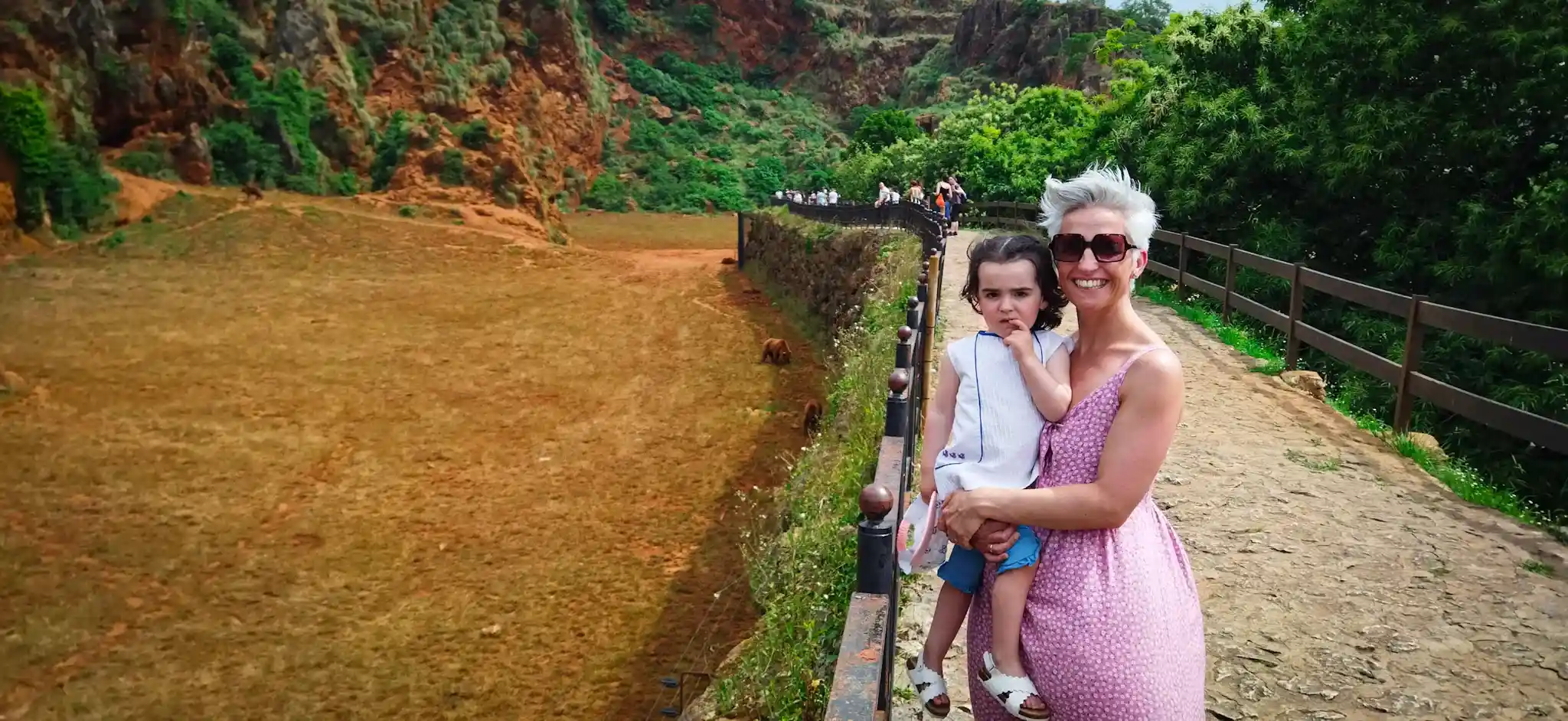
It is much more than a zoo; the animals coexist in semi-captivity. Ideal for families, visiting Cabárceno is an immersion into a day of adventure and learning, where each tour becomes a living lesson on ecology, biology, and the importance of preserving the environment for future generations. With activities designed for the enjoyment of the whole family, Cabárceno Nature Park is a must-see on your list of what to do with kids in Cantabria.
If you’d rather go with a guide and skip worrying about transport from Santander, you can book this guided Cabárceno tour here, which includes minibus transport around the park and the cable car ride.
2. Maritime Museum of the Cantabrian Sea
This cultural and educational space offers a deep immersion into the marine world, making it ideal for family visits that seek to combine fun with learning. Through its exhibitions, which range from marine biology to underwater archaeology and the history of navigation, the museum invites visitors of all ages to discover the secrets of the Cantabrian Sea and beyond. With aquariums housing local and exotic species, the Maritime Museum provides a unique window into life underwater, allowing children and adults to marvel at the diversity of aquatic life.
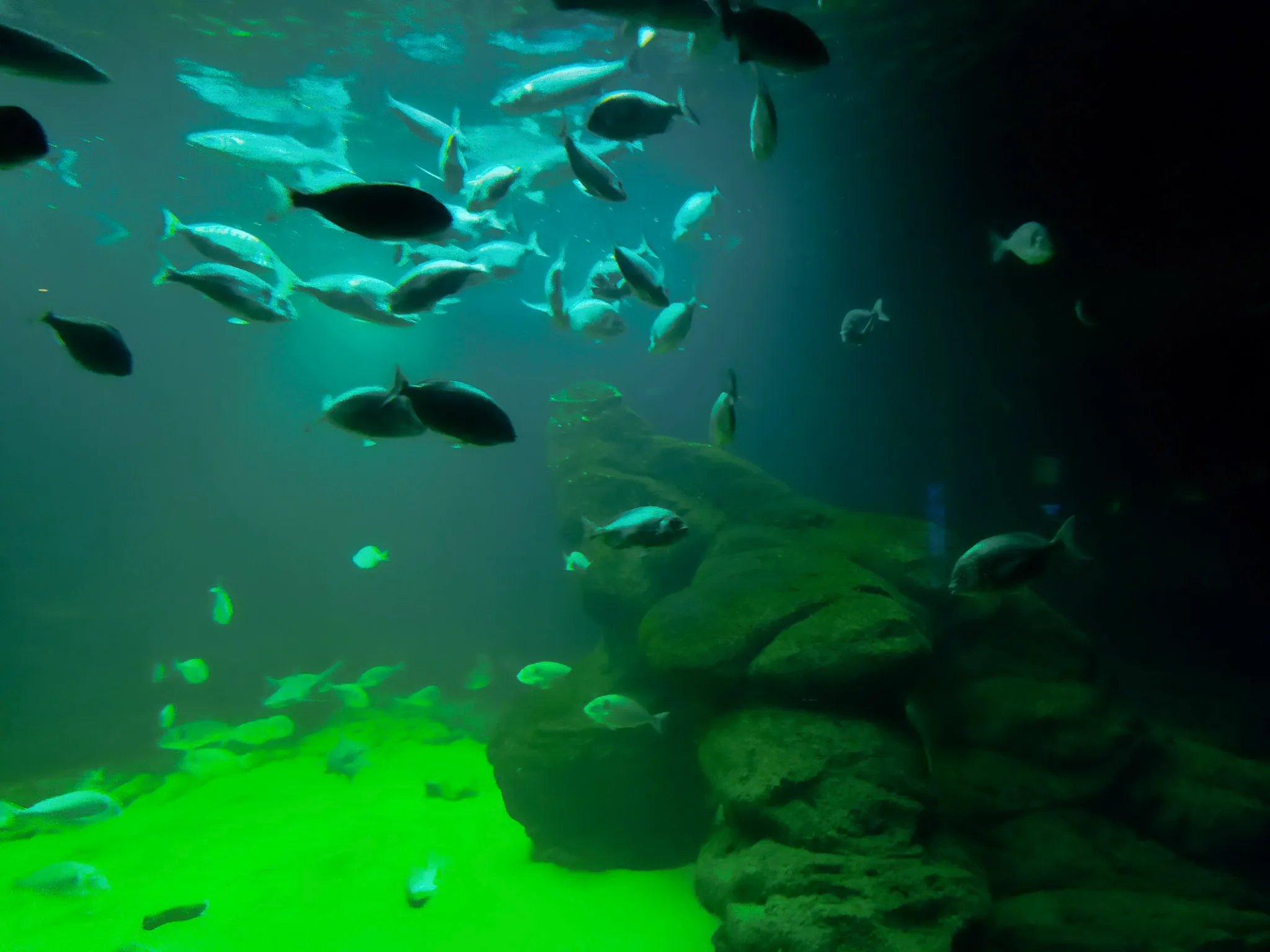
In addition to being a learning center about the marine ecosystem, the Maritime Museum of the Cantabrian Sea stands out for its commitment to conservation and research, offering an invaluable perspective on the importance of protecting our oceans. The guided tours, workshops, and interactive activities are designed to educate and excite visitors about the wonder and fragility of the seas, making each visit a memorable and formative experience.
We recommend reading: 12 most famous museums in Santander.
Read also: What to visit in Santander in 1 day: 10 unique places
Read also: Traveling to Santander with kids? These are the places you must visit
3. El Capricho de Gaudí
This is one of the first masterpieces by Antoni Gaudí, the genius of Catalan modernism, and it is located in Comillas. This building, far from being a mere construction, is an artistic expression of creativity and innovation. It stands out for its exceptional use of organic shapes, vibrant colors, and innovative materials. Its facade, adorned with ceramics and plant motifs, and the iconic spiral tower, are testaments to Gaudí’s desire to merge architecture with nature.
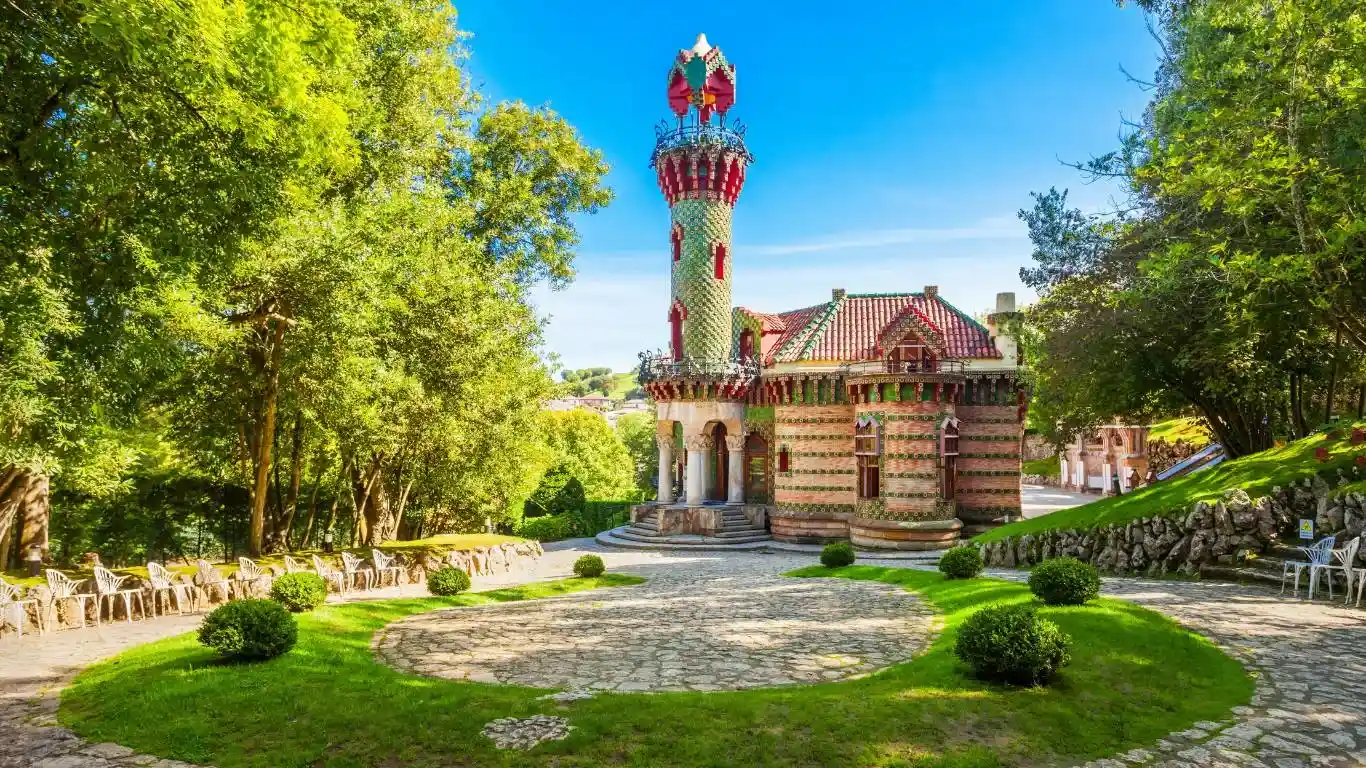
This monument not only attracts admirers of modernist art but also offers a space for learning and appreciation for families and educators, showing the importance of innovation and creativity in art and architecture. Exploring El Capricho de Gaudí is discovering a different facet of Cantabria, one that unites the region’s natural beauty with the cultural and artistic richness that defines it.
Read also: What to see in Comillas: 10 must-visits
4. Prehistoric Caves
Exploring the Cave of Altamira is traveling back in time to the dawn of civilization, where art began to flourish under the Cantabrian earth. This archaeological jewel is not only a testament to human ingenuity but also underscores the importance of Cantabria as a key site for understanding European prehistory. Including the Cave of Altamira in your list of what to do in Cantabria with kids is ensuring an educational and exciting experience that will remain in the memory of the whole family.
This prehistoric treasure is famous for housing some of the oldest and most spectacular artistic expressions of humanity, offering visitors a unique window into the world of our ancestors through the Neocueva, an exact and detailed reproduction of the creative and spiritual capacity of the first inhabitants of Europe. A visit to the Cave of Altamira and its museum is an unparalleled educational experience, which not only sheds light on the life and art of our prehistoric ancestors but also reflects on the evolution of human artistic expression.

If you want to secure your entry and have a guide, you can book this guided tour of the Altamira Neocave and Santillana del Mar here from Santander.
5. Fuente Dé Cable Car
Ideal for nature lovers, families, and adventurers of all ages, the cable car provides not only anunparalleled panoramic view of the surrounding mountains and valleys, but also a starting point for numerous hiking routes that lead into the heart of the Picos de Europa National Park.
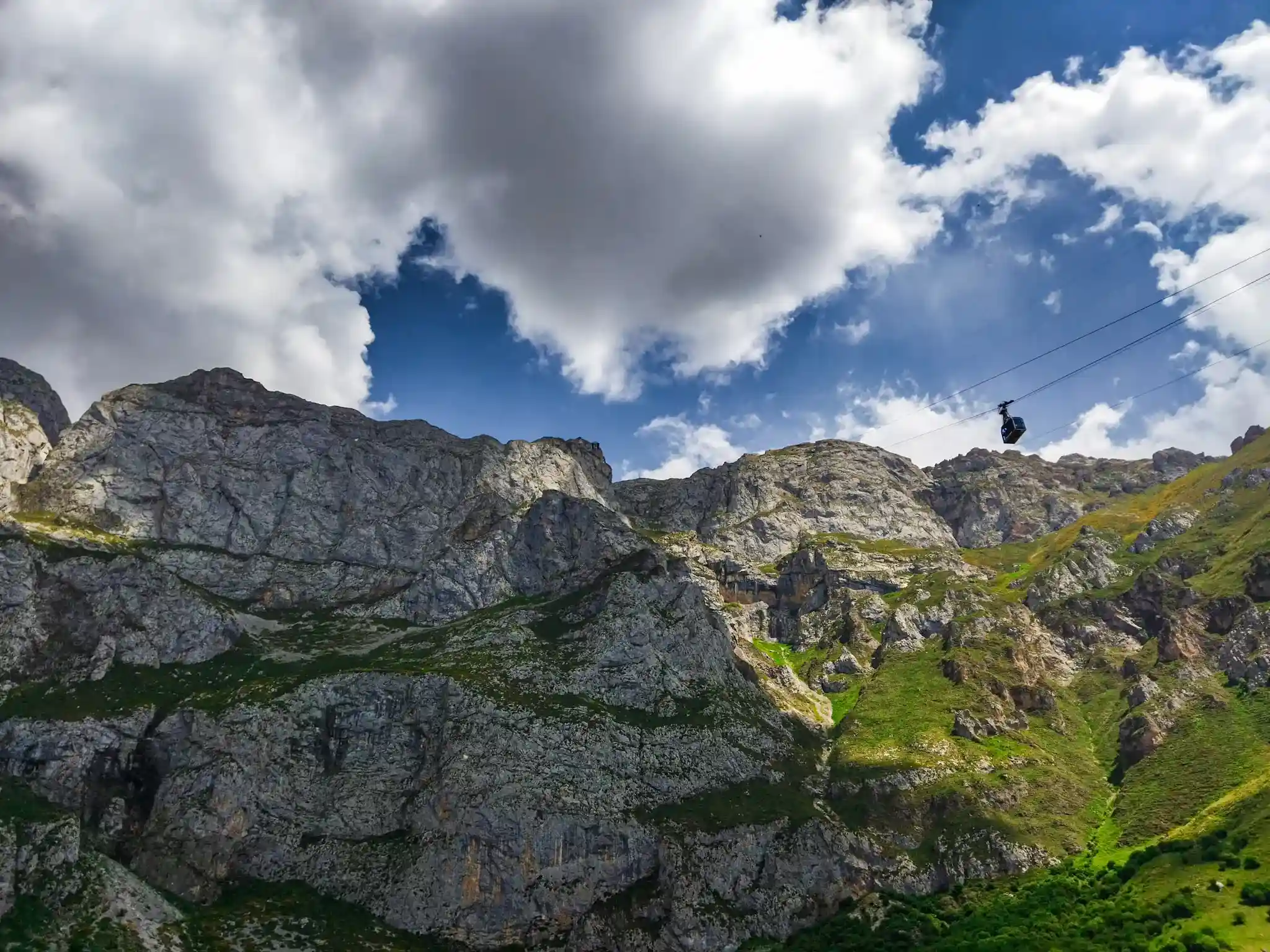
This dizzying ascent transports you from the valley to the stunning viewpoints of the upper station, situated at an altitude of over 1,800 meters, in just a few minutes. In addition to being an attraction in itself, the Fuente Dé Cable Car provides unparalleled access to the natural beauty of Cantabria, making it possible for people of all abilities to experience the thrill of being on the mountain summits without the need for a long and demanding climb.
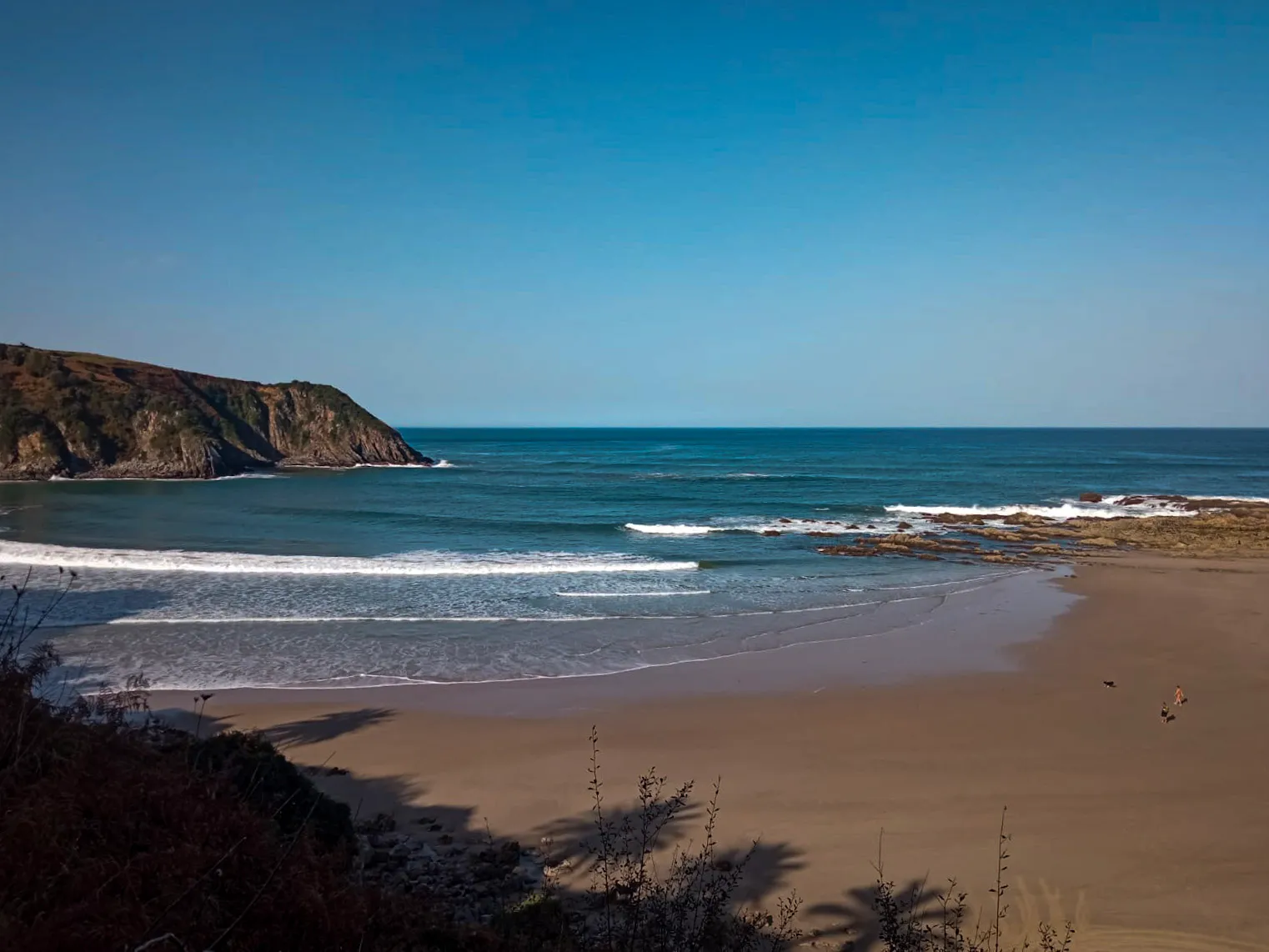
6. Paradise Beaches
Exploring these gems of the Cantabrian coastline is diving into a unique coastal experience, where the sun, sea, and sand come together to offer unforgettable days with your loved ones. Be sure to include Somo and Pechón in your itinerary of what to do in Cantabria with kids, and get ready to experience moments of fun and connection with nature.
Somo: A paradise for future surfers
Somo beach is widely recognized for its ideal conditions for surfing, making it the perfect place for families interested in introducing children to this exciting sport. With surf schools offering classes for all ages and skill levels, Somo is a vibrant destination where young and old can glide on the waves under the guidance of experienced instructors, ensuring fun and safety for everyone.
Pechón: A Hideaway Between Sea and Mountains
Pechón is ideal for families who wish to enjoy calm waters and picnic areas where you can savor the peace of this unique setting. Its natural environment also offers the possibility of exploring trails that wind along the coast, discovering hidden coves and dreamlike landscapes.
7. Villapresente Labyrinth
The Villapresente Labyrinth, located in the heart of Cantabria, stands as the largest plant labyrinth in Spain, offering a unique and exciting experience for visitors of all ages. This singular attraction not only challenges the wit and orientation of those who dare to enter, but also promises hours of fun and adventure in a spectacular natural setting.
Meticulously designed with thousands of perfectly trimmed hedges, the labyrinth invites families to immerse themselves in a game of exploration where every turn can lead to a surprising discovery or a dead end. The goal is to find the way to the center and then find the exit, a task that tests cooperation, patience, and a sense of direction.
The Villapresente Labyrinth is not only the largest in Spain due to its size, but also due to the quality of the experience it offers its visitors. With rest areas, play areas for the little ones, and the possibility of organizing family picnics, this labyrinth ensures a day full of entertainment and joy for everyone.
8. Mythological Trails of Cantabria
Exploring the Mythological Trails in Cantabria is more than a walk through nature; it is a journey through history, culture, and imagination. It is an opportunity for families to immerse themselves in a world where tales and legends intertwine with the landscape, offering an educational and exciting experience. Children, in particular, will find in these stories an inexhaustible source of adventure and wonder, while adults will appreciate the natural beauty and cultural value of these traditions.
Barriopalacio de Anievas
At the beginning of each August, Barriopalacio de Anievas transforms into the epicenter of a unique celebration, where Cantabrian mythology comes to life. Anjanas, trentis, pecus, and other mythical beings descend into the streets, forests, and rivers, creating an enchanted atmosphere that fascinates both children and adults. This festivity is not only an opportunity to immerse yourself in local traditions, but also to experience the rich cultural legacy of Cantabria firsthand.
Additionally, the Interpretation Center opens its doors to narrate Cantabrian myths and legends, bringing to life characters that have inhabited the collective imagination for centuries.
Mina Pepita Park
Beyond the celebrations, the mythological exploration continues at the Mina Pepita Park in Solares. Restored and framed by lush vegetation, this park invites you on a magical walk through its trails, where sculptures and representations of mythological figures—such as the fearsome ojáncano guarding the entrance or the friendly moss-man (musgoso) offering his lap for a rest—accompany visitors.
9. Adventure and zip-line park
For adventurous families who wish to elevate their vacation experience to exciting new heights, Cantabria prides itself on offering world-class adventure parks. These destinations promise outdoor fun and challenges, with zip-line circuits, Tibetan bridges, and a variety of activities that capture the essence of adventure in nature. It is an exceptional opportunity to combine the thrill of adventure with the region’s stunning natural landscape.
Forestal Park: Aerial adventures for the whole family
At Forestal Park, families can expect an exciting experience among the trees, with one of the longest zip-lines in Cantabria. This park offers circuits designed for different ages and skill levels, ensuring that everyone, from the smallest adventurers to adults, can enjoy the thrill of sliding through the air and overcoming exciting obstacles in a safe and natural environment.
Cabuerniaventura: Challenges and fun in nature
Cabuerniaventura, on the other hand, invites families to immerse themselves in a unique adventure experience, with activities ranging from challenging Tibetan bridges to exciting zip-lines that cross the wooded landscape of Cantabria. With options for all levels, this park strives to offer fun and challenges to foster cooperation, confidence, and personal growth, all while enjoying the beauty of the natural environment.
Both Forestal Park and Cabuerniaventura place a special emphasis on safety, equipping visitors with the best gear and offering expert instruction to ensure a safe and enjoyable experience for everyone. Families can choose from a variety of circuits, ensuring a personalized experience suitable for adventurers of all ages and abilities.10. Cultural workshops and activities
Cantabria provides a wide range of educational experiences through workshops and cultural activities designed to capture the imagination of the youth. Participating in workshops and cultural activities is an excellent way to enrich family vacations with meaningful educational experiences. These programs not only offer fun and entertainment, but also spark curiosity, foster critical thinking, and promote a deeper appreciation of culture and history.
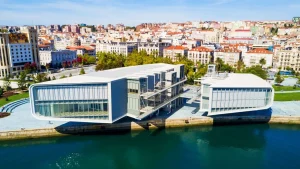
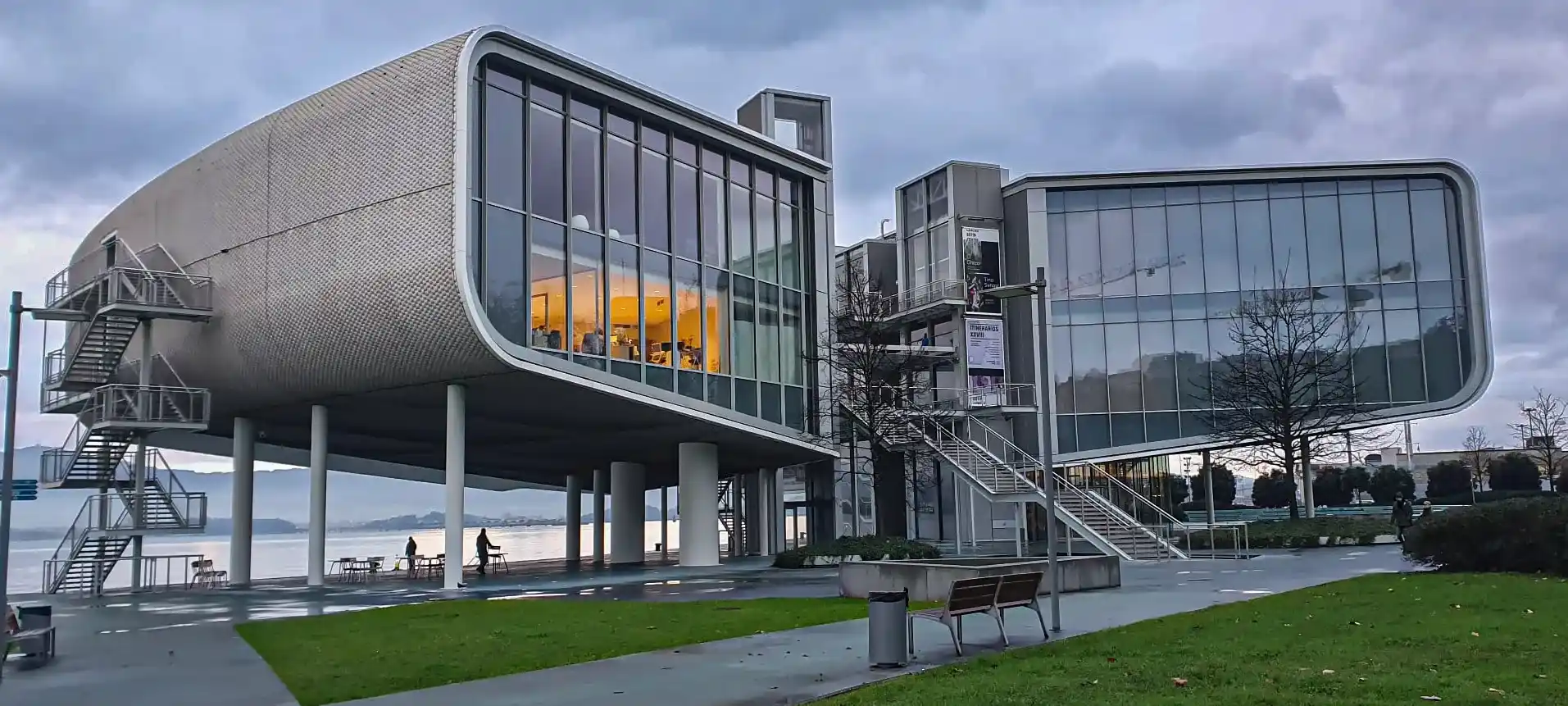
Centro Botín: A space for creativity and art
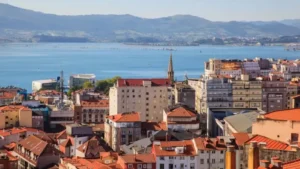
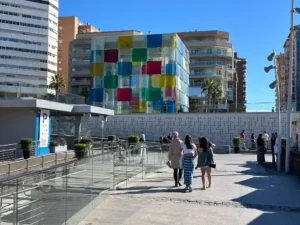
The Centro Botín, located in the heart of Santander, is not only an architectural icon but also a vibrant cultural center that offers a variety of artistic workshops for children. These activities are designed to foster creativity and personal expression, allowing young people to explore different mediums and techniques under the guidance of artists and educators. From painting to digital design, the Centro Botín is a place where children’s imagination comes to life.
The Cantabrian Village: A Journey into the Past
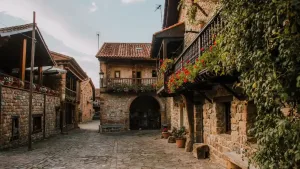
For a unique educational experience, the “Poblado Cántabro” (Cantabrian Village) offers the opportunity to immerse yourself in the life and traditions of the region’s ancient inhabitants. Through craft workshops, traditional games, and historical reenactments, children can learn about the history of Cantabria in an interactive and fun way. This journey back in time not only enriches their knowledge but also allows them to appreciate the importance of preserving cultural heritage.
Argüeso Castle: Living History
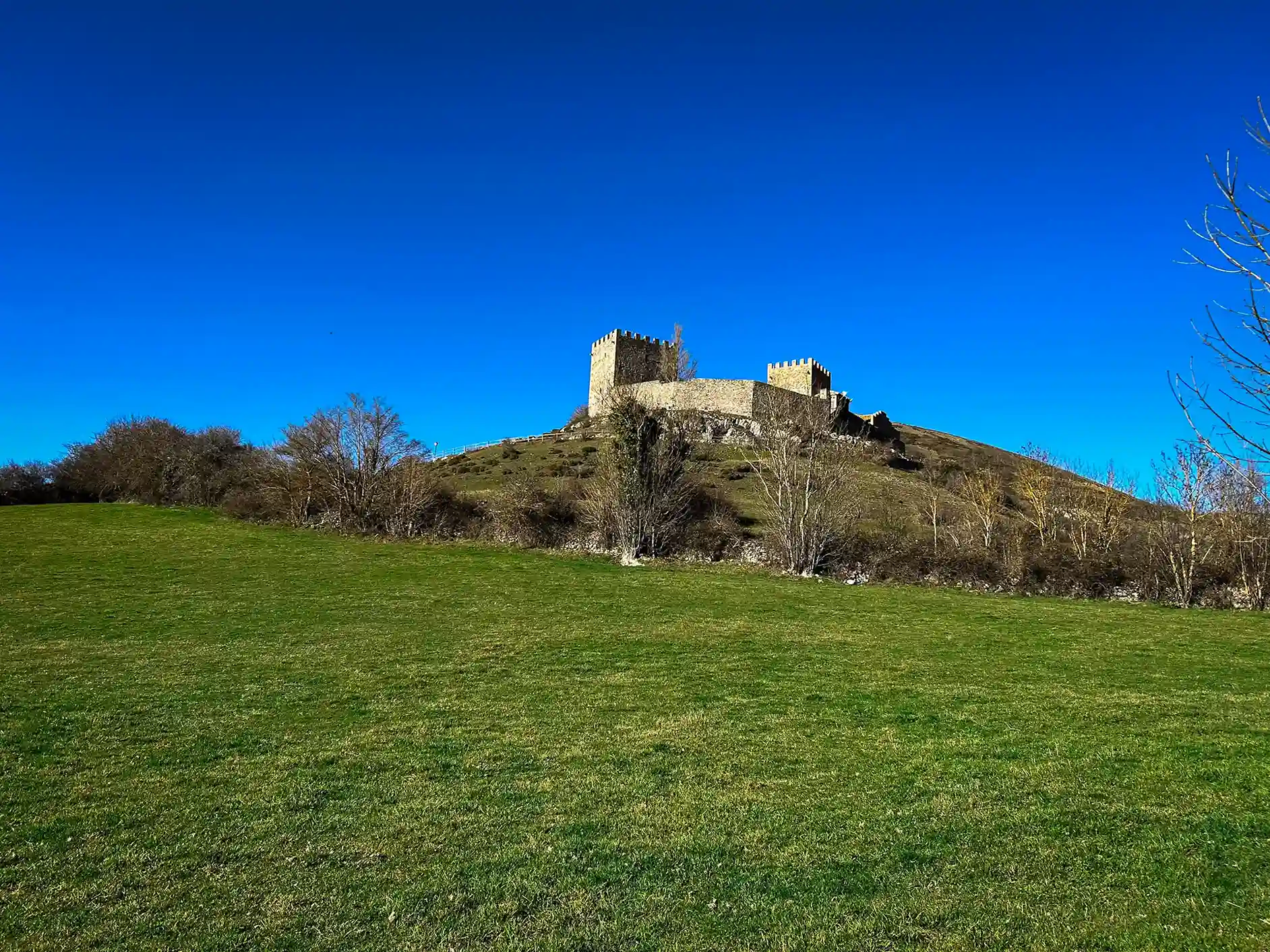
Argüeso Castle stands as a testament to the medieval history of Cantabria. Here, children can participate in workshops ranging from heraldry to falconry, offering a unique perspective on life in the Middle Ages. The guided tours and historical reenactments provide an exciting context for learning, making history come alive in a way that books cannot match.
Museum of Prehistory and Archaeology of Cantabria: A treasure of ancient knowledge
The Museum of Prehistory and Archaeology of Cantabria is an invaluable resource for understanding the historical roots of the region and humanity itself. This museum not only houses an impressive collection of prehistoric and archaeological artifacts, but also offers workshops and interactive activities designed to capture children’s attention. These experiences allow young visitors to discover prehistory in an engaging and understandable way, fostering an early interest in archaeology and history.
11. The fascinating lighthouse route of Cantabria
The coast of Cantabria is home to a series of iconic lighthouses that serve not only as nautical guides but also as points of historical and cultural interest, capturing the imagination of visitors of all ages. The Cantabrian lighthouse route, especially on its eastern coast, offers a unique adventure for families.
Read also: 5 lighthouses in Cantabria to light up your trip
Okuda Lighthouse: Art and Lighthouse in one
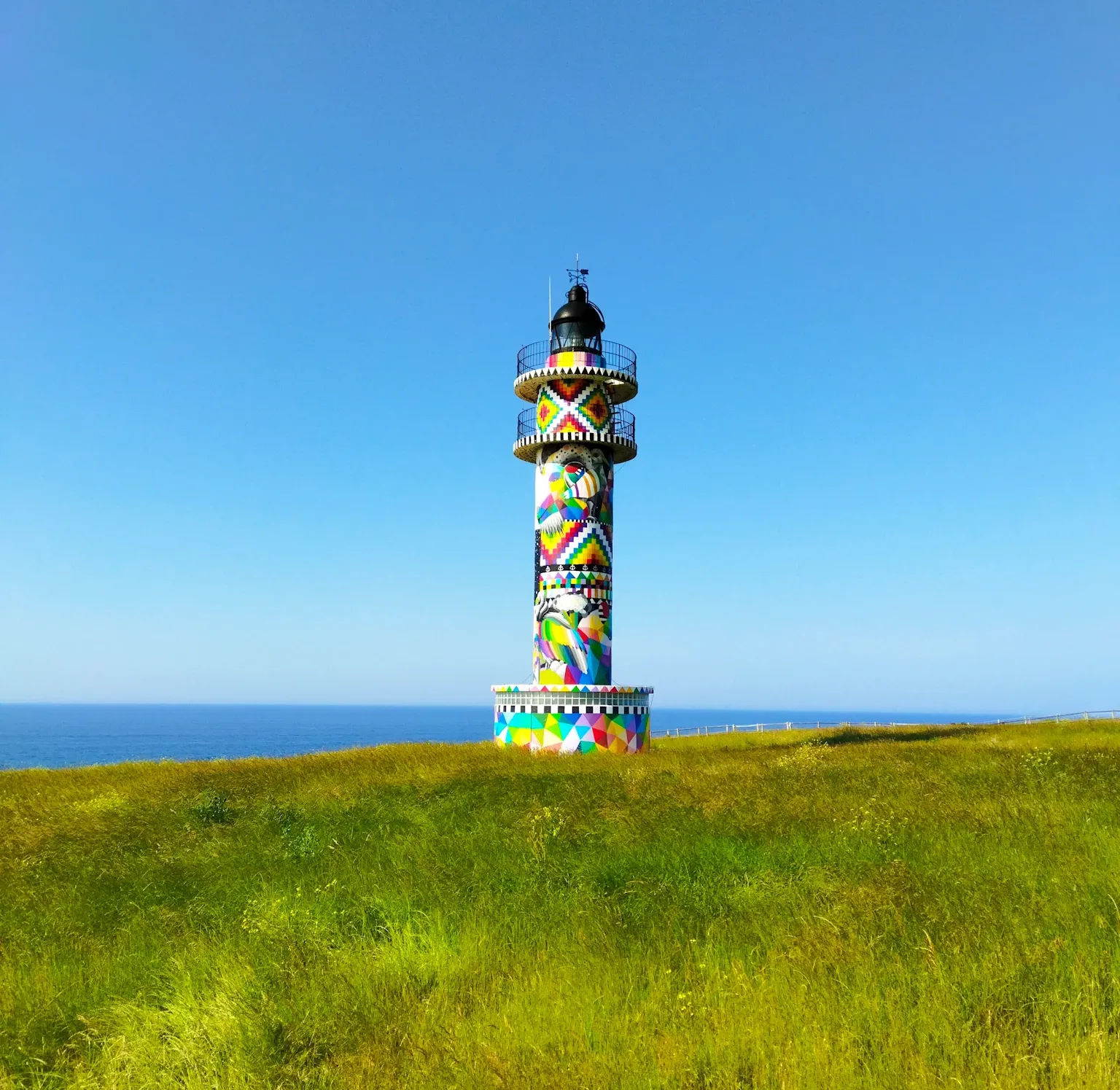
The Okuda Lighthouse, known for its impressive transformation into a work of contemporary art, is a highlight of the route. This lighthouse combines the traditional function of a maritime guide with a vibrant canvas of colors, becoming a symbol of how modern art and tradition can merge in a surprising way. Visiting this lighthouse is not only an opportunity to appreciate its artistic uniqueness but also to enjoy the panoramic views it offers of the Cantabrian coast.
From Castro Urdiales to San Vicente de la Barquera: A Journey Along the Coast
Starting in Castro Urdiales with the historic Santa Ana Lighthouse, situated in a prime location that offers views of the sea and the city, the route extends to San Vicente de la Barquera, near the imposing Punta de Silla Lighthouse. This trip along the coast is an opportunity to discover the diversity of landscapes and the rich maritime history of the region.
Read also: What to see in Castro Urdiales in 1 day
Read also: What to visit in San Vicente de la Barquera
Santander and its Lighthouses
In Santander, the Cabo Mayor Lighthouse is not only an architectural icon but also a starting point for exploring the surroundings, including a nearby viewpoint and an adventure park, offering activities for the whole family. The route continues toward the Mataleñas Promenade and Sardinero Beach, where nature and culture meet.
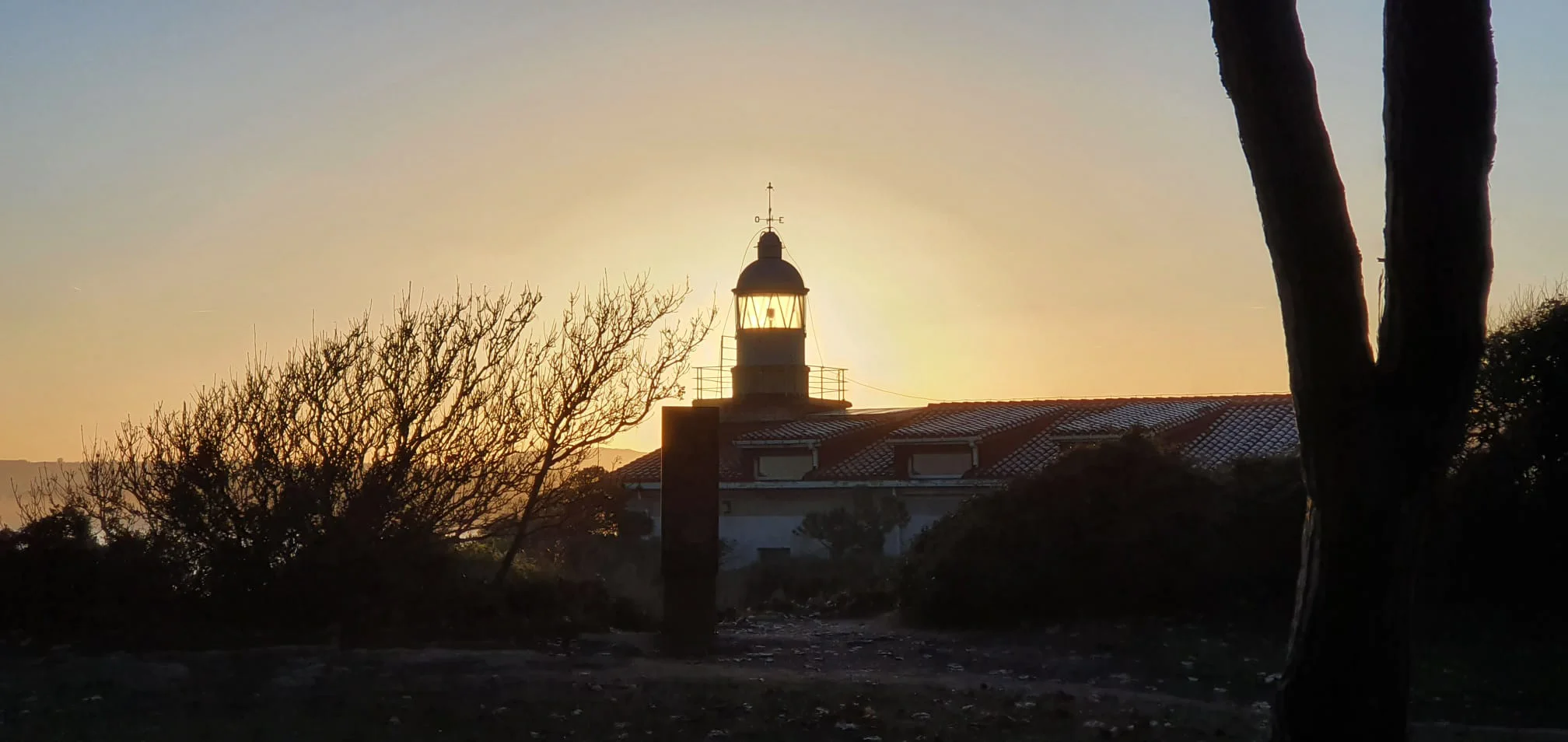
The Punta Cerda Lighthouse, another gem on the Santander peninsula near the Magdalena Palace, offers another perspective of the city and its relationship with the sea, combining history, art, and spectacular views.
Source of the Ebro River in Fontibre
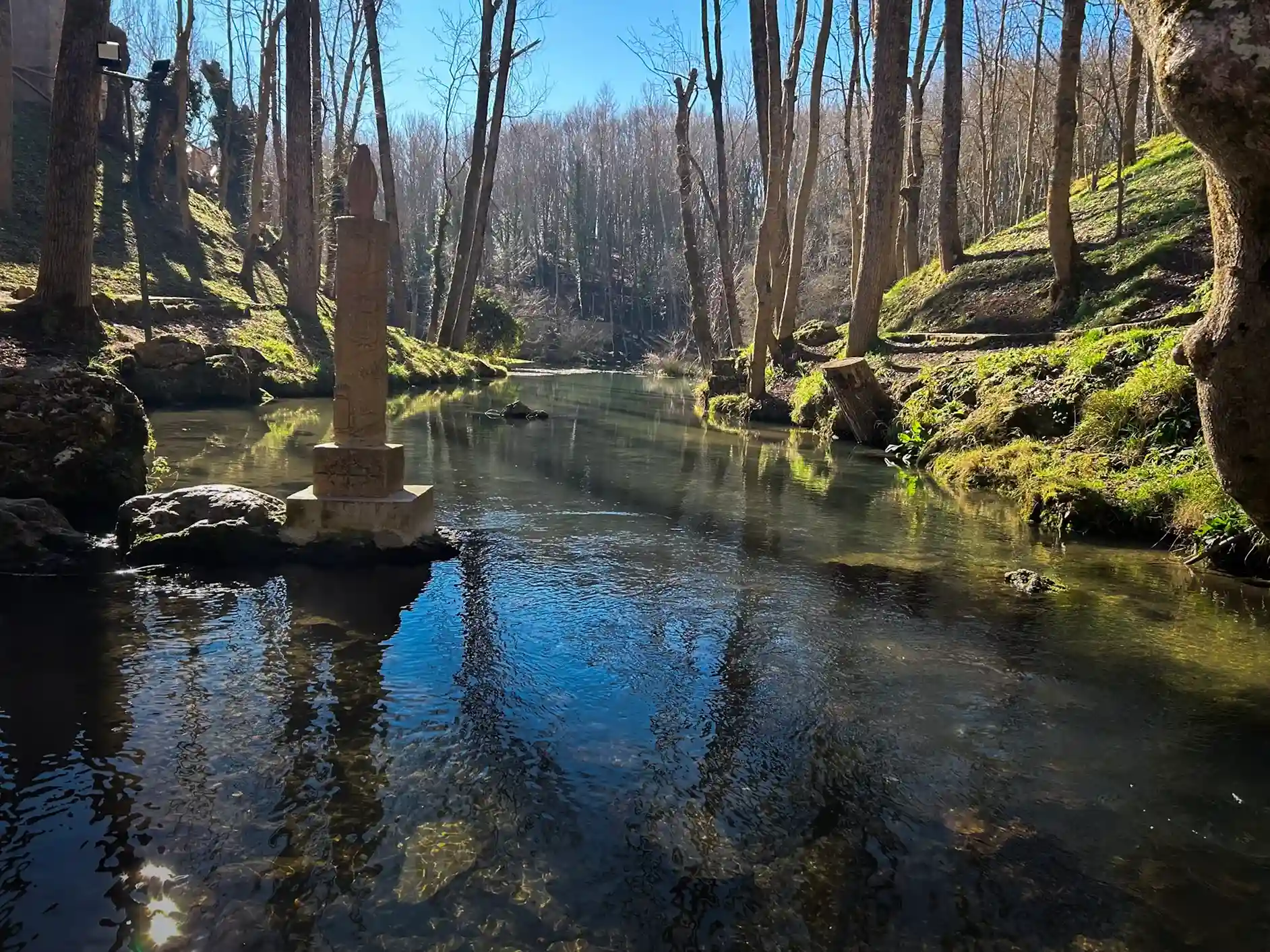
The source of the Ebro River, situated in the picturesque outskirts of Fontibre, Cantabria, is a destination of incomparable natural beauty and cultural richness. Fontibre, whose name derives from the Latin “Fontes Iberis”, or “Fountains of the Ebro”, is a clear reflection of the historical and natural importance of this spot that gives life to the largest river in Spain. If you are looking for an experience that combines nature, gastronomy, and history in a family environment, Fontibre is the perfect place.
The path to the river’s source is completed in approximately twenty minutes, a walk surrounded by an idyllic landscape of poplars, oaks, beeches, and ash trees. A picnic area set along the path invites visitors to stop and enjoy a meal outdoors, amid the tranquil beauty of this place.
12. Caballo Lighthouse in Santoña
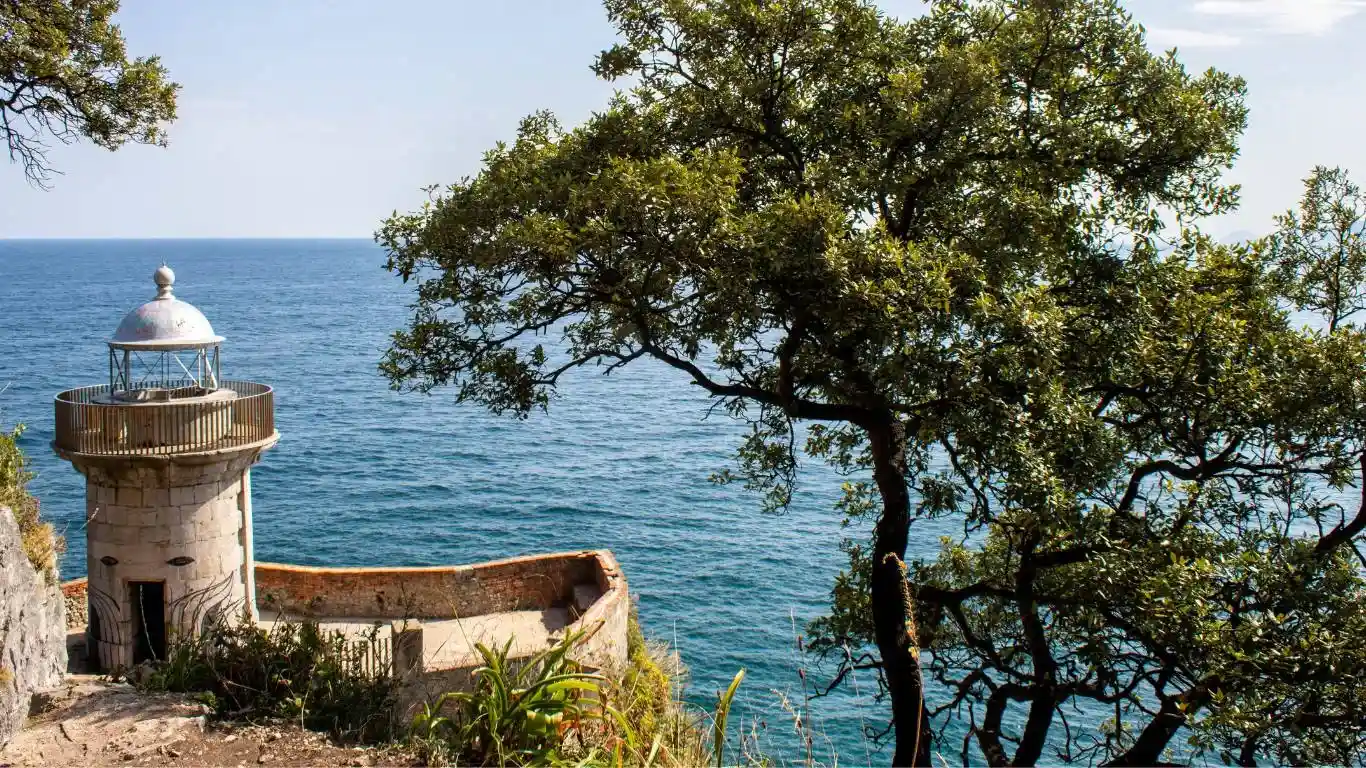
Visiting the Caballo Lighthouse and exploring the surroundings of Santoña is diving into an experience that combines adventure, culture, and culinary pleasures. Erected in 1863 on the Monte Buciero peninsula in Santoña, it stands as a must-visit destination on the Cantabrian coast, not only for its historical importance but also for the impressive natural environment that surrounds it. This lighthouse, located in one of the most idyllic landscapes in the region, promises a unique experience for those willing to embark on a small but rewarding adventure on foot.
For adventurous families and nature lovers, the challenge of climbing the 700 steps toward the Caballo Lighthouse is rewarded not only with the spectacular views from its location but also with the sense of achievement upon reaching one of the most spectacular corners of the Cantabrian coast. This lighthouse offers a unique perspective on the interaction between man, history, and the wild nature of Cantabria.
13. Fluviarium Ecomuseum
Located in Liérganes, highlighted among the most beautiful villages in Cantabria near the beach, the Fluviarium Ecomuseum stands as one of the most fascinating environment and nature museums in Spain.
The museum’s exhibition area captures the imagination of visitors of all ages, with interactive and educational elements that narrate the history of Cantabria’s natural environment. One of the most striking attractions for children is the detailed reproduction of a “cabaña pasiega” (traditional shepherd’s hut), complete with tools and everyday objects that offer a window into local life and traditions.
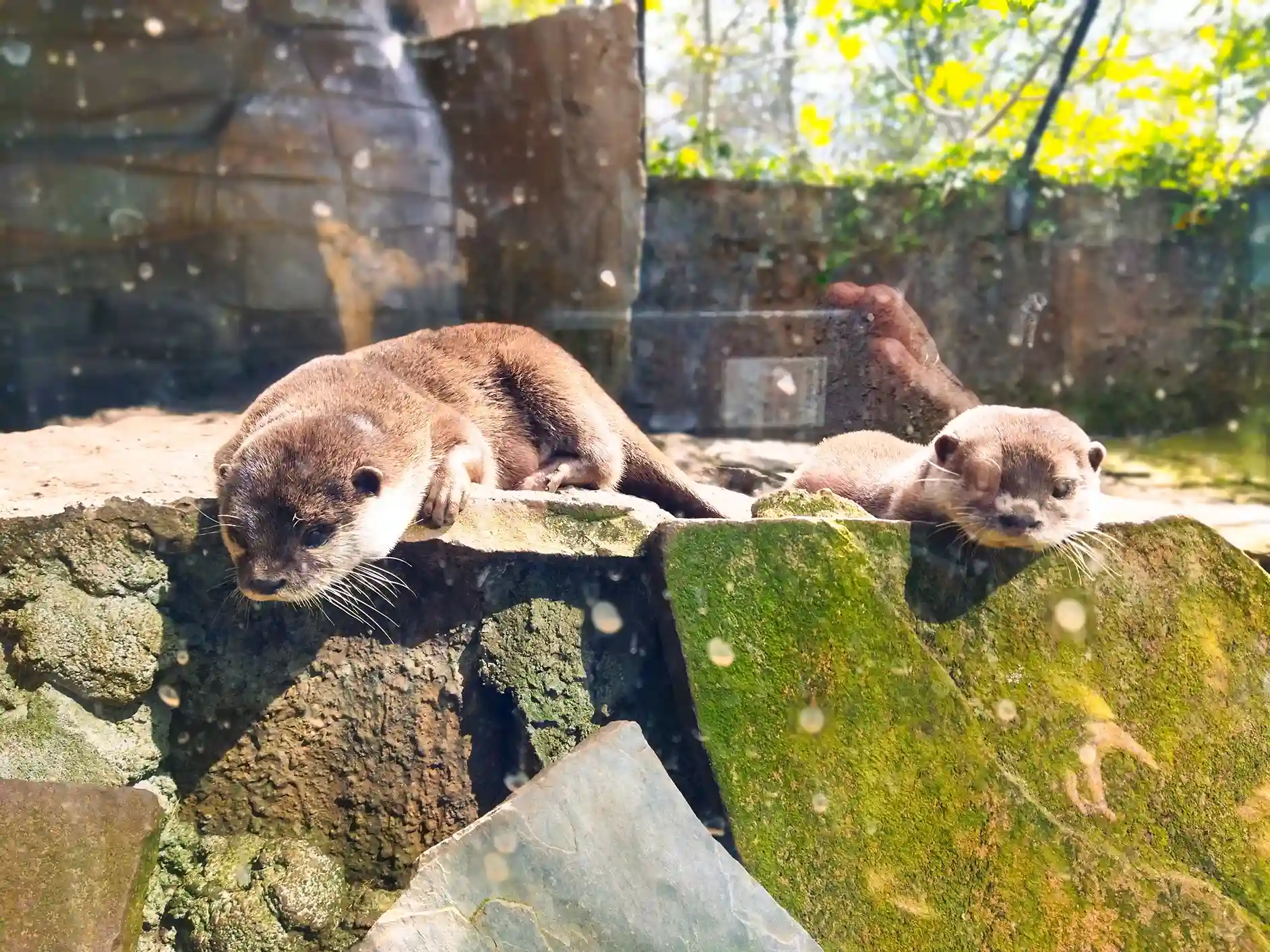
The jewel of the museum is, without a doubt, the Fluviarium, an area meticulously designed to replicate the habitat of a Cantabrian river. Here, visitors can observe living species such as otters, crabs, eels, and a variety of fish, providing a unique experience that educates about biodiversity and the importance of aquatic ecosystem conservation.
Read more >>> Exploring what to see in Liérganes
14. El Soplao Cave
Visiting El Soplao Cave is an essential adventure for those exploring Cantabria, especially if you are traveling with children. The combination of natural wonders, adventure, and education makes El Soplao Cave a unique destination for families in search of enriching experiences. The activity includes a train ride inside the cave, allowing you to learn in a comfortable and entertaining way about the geological properties of this unique formation.
This natural wonder not only immerses you in an impressive underground environment but also offers a fascinating geology lesson, all while you marvel at the extraordinary beauty of its rock formations. The cave is world-renowned for having the largest concentration of eccentric formations—stalactites that defy gravity by growing in all directions—creating a setting that looks like something out of a fairy tale.
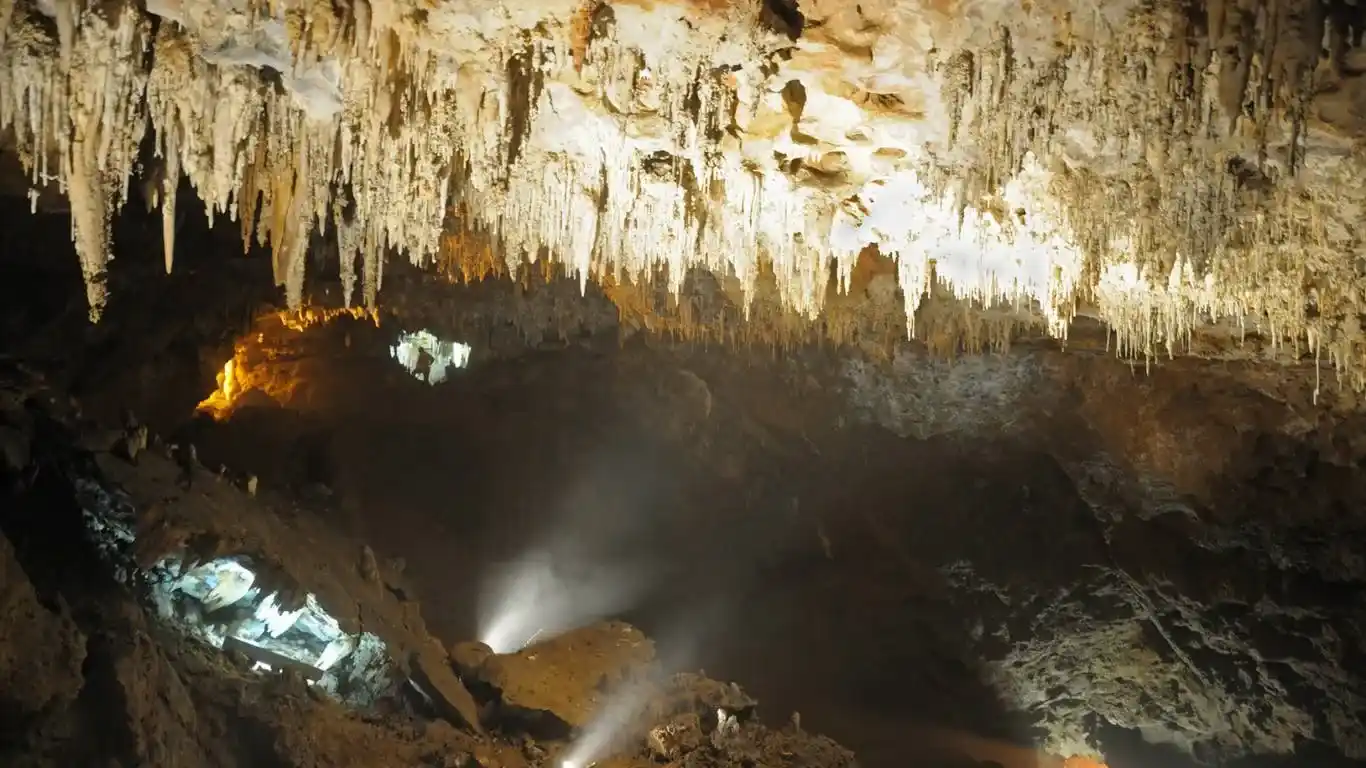
El Soplao Cave is not just an excursion; it is an immersion into an underground world of beauty and mystery, where every rock formation tells an ancient story. Whether you choose the tourist visit, adventure visit, or mining tour, the cave promises to leave everyone, young and old, with unforgettable memories of a magical world hidden beneath the surface of Cantabria.
You can book your guided El Soplao Cave tour here, with pickup in Santander and transport included.
Read also: A mining adventure at El Soplao cave
Don’t wait any longer, plan your trip to Cantabria and immerse yourself in an experience that will be a milestone in your family travels
We hope that through these 15 activities suggested, you have discovered that Cantabria stands out as an exceptional destination for adventurous families. From the majestic Cabárceno Nature Park to the impressive El Soplao Cave, passing through the charming lighthouse route and the educational Fluviarium Ecomuseum, Cantabria invites both adults and children to explore its hidden treasures and create lasting memories.
Since Santander is the usual starting point for several of these excursions (Cabárceno, Altamira, El Soplao Cave), it’s a good place to refuel without worries: Abra Sardinero, on Plaza Brisas, right by Santander’s second Sardinero beach, is listed in the Celicidad directory as a restaurant with an agreement with the Coeliac Association and a menu adapted for gluten-free diners.
In addition, to ensure a complete experience, we invite you to read our posts on where to eat gluten-free in Cantabria, where you will find gastronomic alternatives designed for everyone’s enjoyment, thus completing your Cantabrian adventure in the best way.
Cantabria awaits you with open arms, ready to provide you with unforgettable family experiences in an environment of unparalleled beauty. Regardless of whether you prefer interactive learning in its museums, adrenaline in its adventure parks, or simply marveling at its natural landscapes, this destination is prepared to exceed all your expectations.
And please, share your best moments in our beloved land with us.
We look forward to your comments!
Until the next adventure, Glutendtrotters.
How much time do you need to see everything mentioned in this post?
To comfortably fit in most of these activities in Cantabria with kids, you’ll need at least 3-4 days, though families with more time can use our guides on what to see in Cantabria in 5 days or in 7 days to work through the rest of the list without rushing.
Which activities work best if you’re travelling with young children (under 6)?
Cabárceno Nature Park, the beaches of Somo and Pechón, and the Villapresente Labyrinth are all very gentle options for little ones, since they combine open spaces, a relaxed pace, and picnic or rest areas.
Do you need to book ahead for excursions like Cabárceno, Altamira, or El Soplao Cave?
Yes, especially in high season. The Cabárceno excursion, the visit to the Altamira Neocave, and El Soplao Cave all have limited capacity, so it’s best to book your ticket or guided excursion in advance to guarantee a spot.
How long does the visit to El Soplao Cave and the Fuente Dé cable car take?
The guided visit to El Soplao Cave takes around 4-5 hours as a full excursion from Santander, including the little train ride inside the cave, while the Fuente Dé cable car ascent itself only takes a few minutes, though it’s worth setting aside extra time for the hiking trails and viewpoints at the upper station.
Where can you eat gluten-free during these family excursions around Cantabria?
Santander is the usual starting point for several of these excursions (Cabárceno, Altamira, El Soplao Cave), so it’s a good place to refuel. Abra Sardinero, on Plaza Brisas by Santander’s second Sardinero beach, is listed in the Celicidad directory as a restaurant with an agreement with the Coeliac Association and a gluten-free adapted menu. For more options across the region, check our guide to gluten-free restaurants in Cantabria.
You might also be interested in reading:


