

What to see in Cantabria in 7 days: our proposal for 7 days in Cantabria is a road trip based in Santander, with one night in Liébana, to see the essentials of the region without changing suitcases every day. We start with Santander on foot, then Santillana del Mar and Altamira, a day in Comillas, another in Liébana with a night in Cahecho, a morning at Fuente Dé, an afternoon in San Vicente de la Barquera and a day at Cabárceno and Liérganes. The seventh day is yours to choose: the eastern coast (Santoña, Laredo and Castro Urdiales) or Campoo (Julióbriga, Reinosa and Alto Campoo).
It is a route designed for couples, families with children and travellers coming from outside Spain. And because this is Glutendtrotters, at every stop you also get gluten-free options. Seven days is ideal to get to know Cantabria, but the longer you stay, the better: at the end we tell you what to add. Practical details last reviewed: November 2026.

Also Read: 10 essential tips for traveling to Cantabria
Also Read: Cantabria in 5 days

🚗 To move freely between all these villages and landscapes, compare rental options at Discover Cars.
🛡️ We never travel without an IATI travel insurance policy (5% off for Glutendtrotters readers) — essential for any getaway.
📶 And if you’re coming from outside Spain, a Holafly eSIM (5% off for Glutendtrotters readers through our link, or if you’d rather, using the code GLUTENDTROTTERS) keeps you connected from minute one for maps and schedules.
The 7-day Cantabria itinerary at a glance
Before you start: car, accommodation and best time to go
Do it by car. It is the best way to get around Cantabria: the train is very slow and does not reach every village on the route. In Santander, however, public transport works very well, although the best way to see the city is on foot. If you are not arriving with your own car, you can rent one with Discover Cars or compare options at AutoEurope. If it is your own, leave it in a car park: street parking in Santander is very difficult.
Sleep in Santander and spend one night in Liébana. You spend six of the seven nights in Santander, setting out from there each morning. Hotels such as the Hotel Bahía, the Hotel Sardinero or the Hotel Coliseum are good examples of places to stay in the city, and you can compare hotels on Skyscanner. The night of day 4 is spent in Cahecho, in the heart of Liébana: we tell you about it on that day.
Choose the right season. For us, the best time is spring and early autumn. In summer everything is crowded, Liébana is very hot and you should book well in advance; in the low season there is more room. If you go in summer, start early: in Santillana, Comillas or Cabárceno, anyone who arrives late will not find parking. In winter, bear in mind the snow in the mountain areas.
Glutendtrotters Tip
Book restaurants in advance and, when booking, say how many coeliacs there are in your group. When you arrive, remind the staff at the table that you cannot eat gluten.
Before you leave, read our 10 essential tips for travelling to Cantabria.
Day 1: Santander on foot, from Paseo de Pereda to El Sardinero
Dedicate a full day to Santander, an elegant, bright city that is best enjoyed on foot. Start on the Paseo de Pereda, next to the bay, and walk towards El Sardinero.
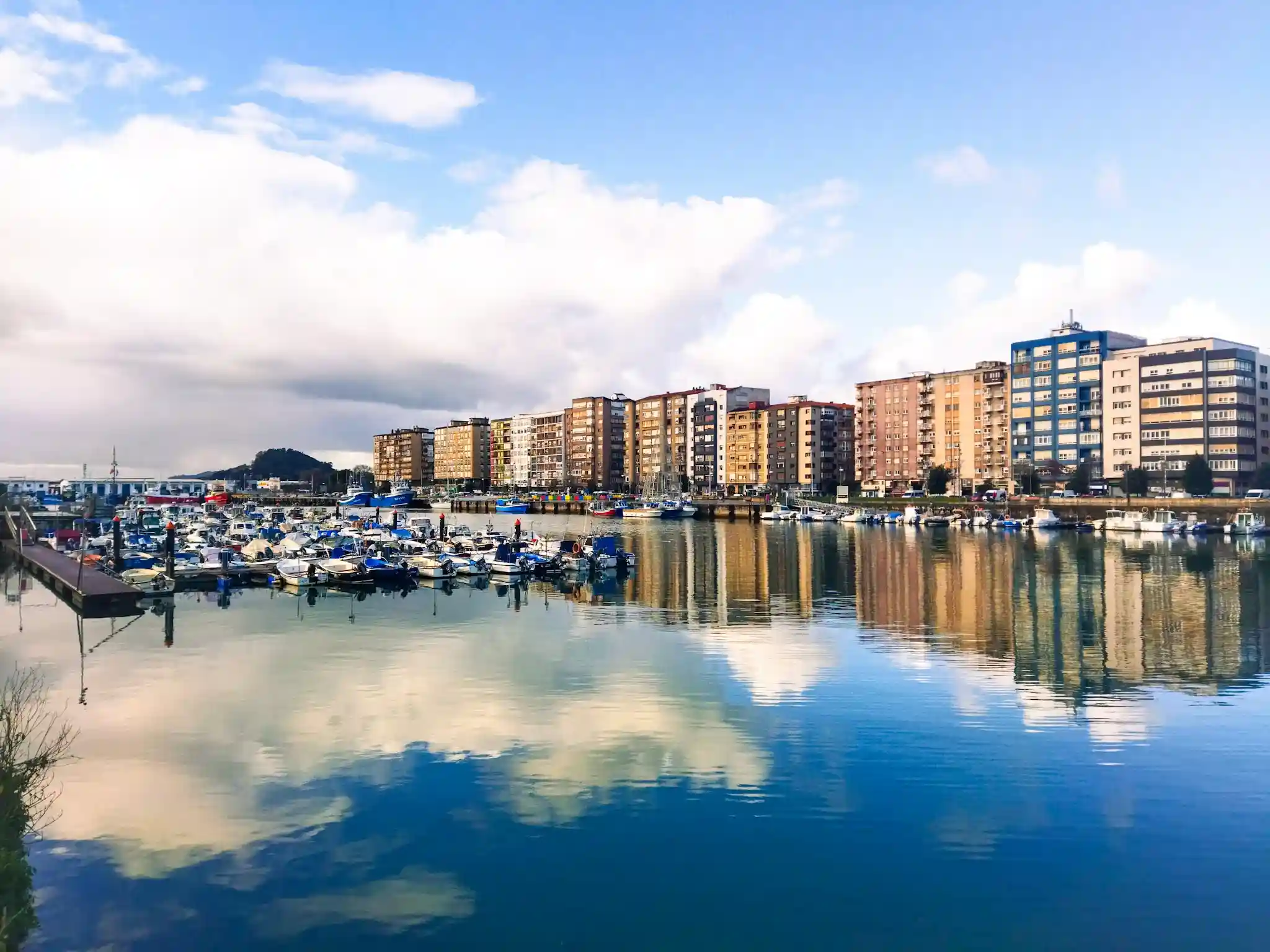
In the first part of the walk you will find the Centro Botín and the Santander Lighthouse. In our experience, the Santander Lighthouse has a very good children’s area. From the centre, continue along the Paseo de la Reina Victoria to El Sardinero, the classic stroll for locals. On the way you will reach the Piquío Gardens and the Magdalena peninsula, with the Magdalena Palace, the former summer residence of Alfonso XIII and Victoria Eugenia; the grounds have a very large playground. If you go in spring or summer, the Sardinero Beach is a must.

To get to know the city with more context, you can hop on the tourist bus or take a boat trip around the bay.
More ideas: What to see in Santander in 1 day and the best free tours in Santander.
Where to eat gluten-free in Santander
For lunch, head to the Barrio Pesquero, where we recommend Casa José and La Chulilla. Many places in the city offer gluten-free dishes, but always ask before ordering. You have more options in Where to eat gluten-free in Santander.

Day 2: Santillana del Mar and the Altamira Cave
Santillana del Mar is about 30 minutes from Santander and is one of the most beautiful medieval towns in Spain. It is known as the “town of three lies”, because it is neither holy (santa), nor flat (llana), nor by the sea (mar). Its cobbled streets, stately houses with coats of arms and flower-covered balconies make it special.

The most practical plan is to combine it with Altamira: the Neocave in the morning and Santillana in the afternoon, or the other way round. In the old town, the heart of the village is the Plaza del Abad Francisco Navarro, presided over by the Collegiate Church of Santa Juliana, a masterpiece of Cantabrian Romanesque; nearby are the Regina Coeli Diocesan Museum, the Peredo-Barreda Palace and the Velarde Tower. If you would like a guide, you can book a guided visit of Santillana del Mar.

About three kilometres away is the Altamira Cave, the “Sistine Chapel of cave art”. At the Altamira Museum you walk through the Neocave, a faithful replica of the original paintings, which are more than 15,000 years old. Buy your tickets in advance: you can book tickets with a guided tour and check times and availability on the museum’s official website.
Glutendtrotters Tip
In summer, arrive early in Santillana to park in the public car parks (they are paid). Weekends are much busier, so if you can, go during the week. With children, do not make the visit too long and stop at a bar to rest.
If you have time to spare near Santillana, the Santa Justa hermitage, perched on the cliff, is well worth a visit. More information in What to see in Santillana del Mar.

Where to eat gluten-free in Santillana del Mar
Restaurante Conde is a good option: it is not fancy cooking, but it is very tasty, and the staff know coeliac disease and safety measures well. For something sweet, Las Quintas is a gluten-free confectioner’s with sobaos pasiegos, pastries and cakes. Always ask before ordering.
Day 3: Comillas, the Modernist village on the coast
We dedicate the third day to Comillas, about 45 minutes from Santander. It is a town with an aristocratic atmosphere, with the splendour of the nineteenth-century bourgeoisie and the soul of a fishing village. Allow a full morning.
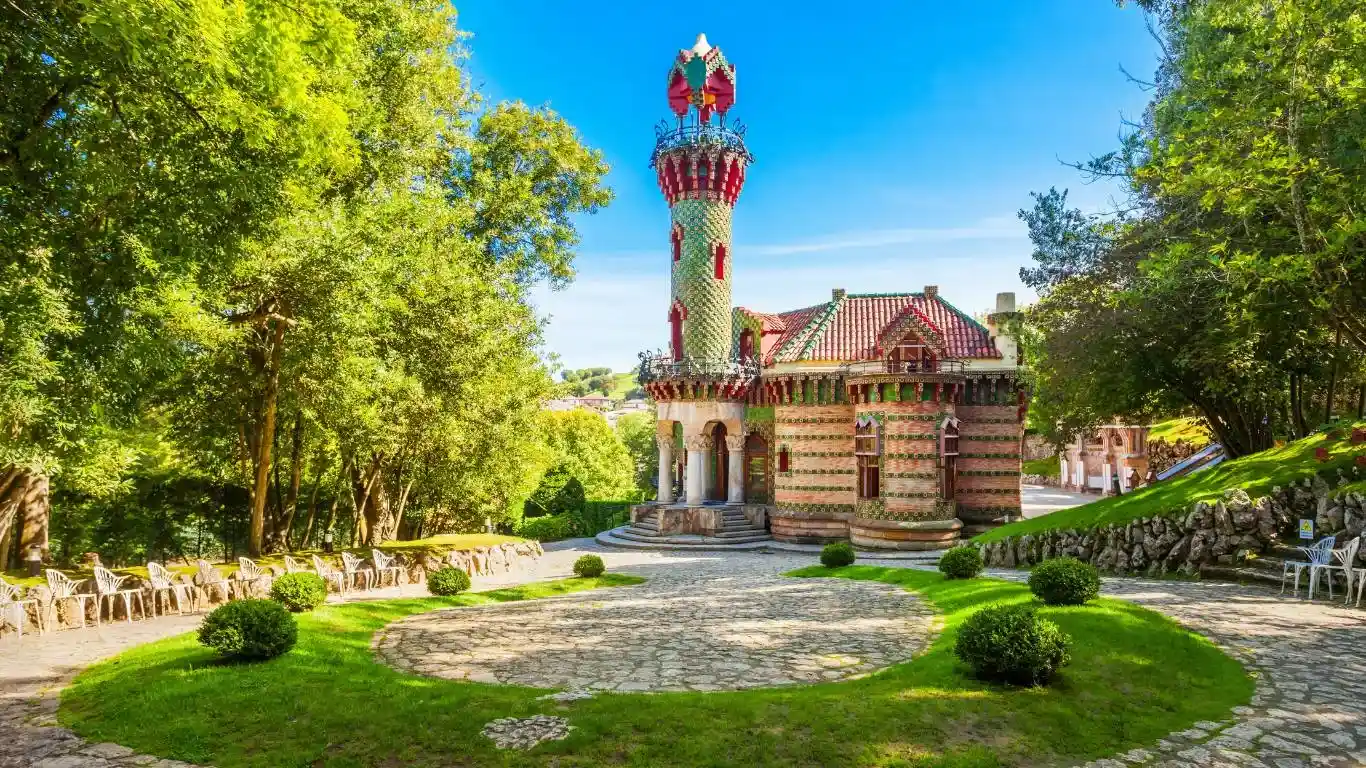
- El Capricho de Gaudí. A jewel covered in sunflower mosaics. Book your ticket in advance and allow an hour to an hour and a half for the visit. If you prefer a guide, you can book a guided visit.
- Sobrellano Palace and Chapel and the Pontifical University, which crowns the town with its silhouette.
- The old town, with the Plaza de la Constitución, and the cemetery, guarded by the Exterminating Angel.
- The beach and the playground, a perfect plan for children.
For opening times and prices of the visits, always check the official websites before you go. More ideas in What to see in Comillas: 10 must-sees and in the best free tours in Comillas.
Where to eat gluten-free in Comillas
At El Carel, right in the historic centre, they offer gluten-free options, excellent service and generous portions. Before ordering, confirm how they manage cross-contamination.
Day 4: Liébana and a night in Cahecho
This is the day we change base: you leave Santander in the morning and sleep in Liébana. Liébana is roughly 1 h 30 min from Santander, so it is best to set off early. The road through the La Hermida Gorge has been renovated and the journey is already part of the trip.

What to see in Liébana
- La Hermida Gorge. Everyone loves it.
- Bejes. An easy stop to buy cheese.
- Potes, the capital of Liébana. Stroll through the La Solana district, next to the River Deva, with its bridges and the Infantado Tower. More information in What to see in Potes and around. If you like hiking, there is hiking in the Picos de Europa from Potes.
- Monastery of Santo Toribio de Liébana. It can be seen in an hour or less. It houses the Lignum Crucis, the largest known fragment of the Cross of Christ. The Door of Forgiveness is only opened during the Lebaniego Jubilee Year. There is also an excursion to the monastery.
You have a more relaxed proposal in our guide to things to do in Potes.

Where to eat gluten-free in Potes
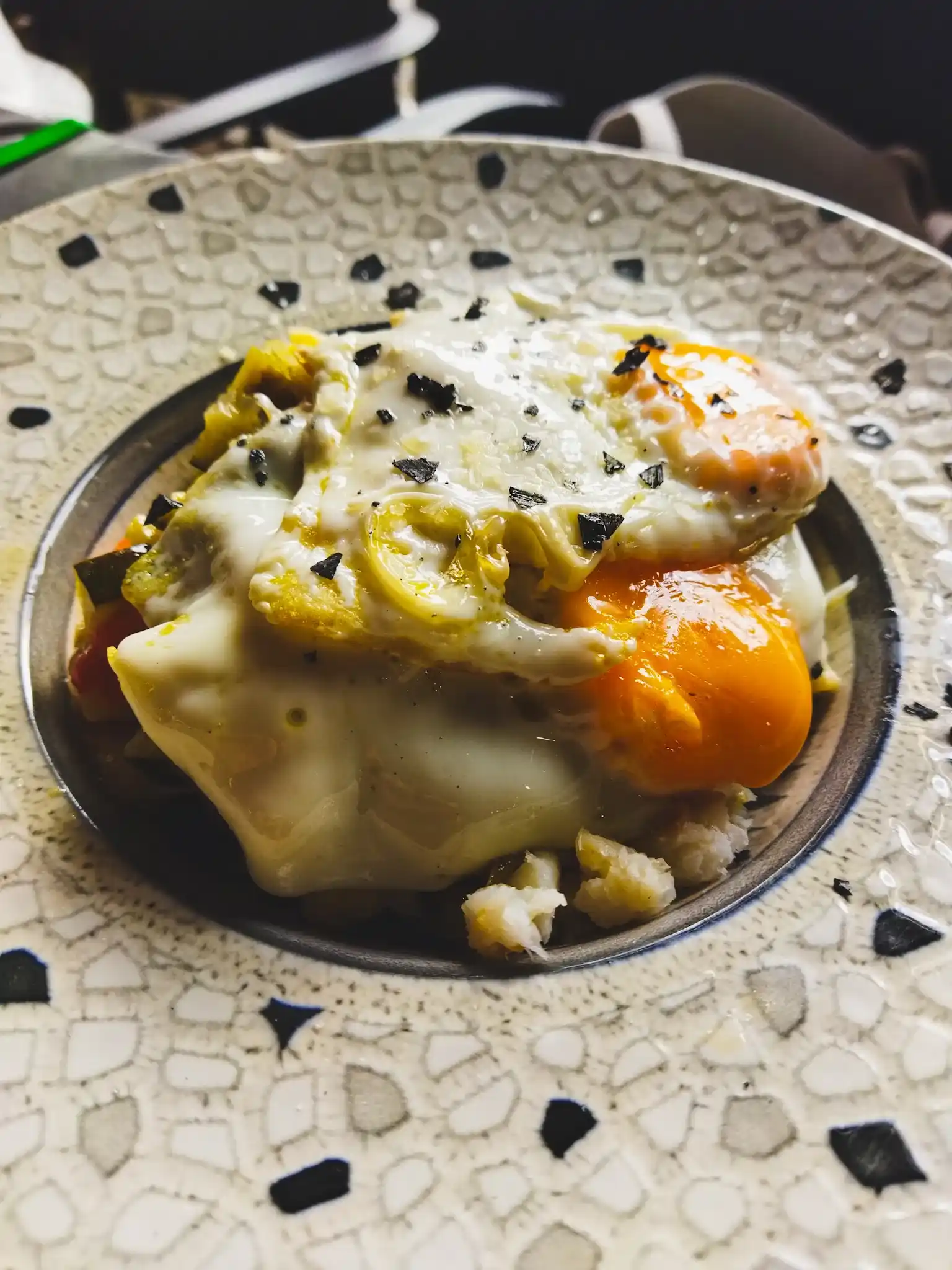
We recommend having cocido lebaniego at El Cenador del Capitán, where they serve it gluten-free, as well as gluten-free bread and a great knowledge of cross-contamination. It is best to book. You can also try the Bar Restaurante Mexicano Las Mañanitas, which offers almost its whole menu gluten-free, although it does not belong to a coeliac association such as ACECAN: confirm the protocol before ordering.
Sleeping in Cahecho
Cahecho is a very small village, on a hilltop with spectacular views of the Picos de Europa. We stayed at the Viviendas Rurales Peña Sagra, apartments about 20-25 minutes by car from Potes (depending on the state of the road and the weather). It is a lovely place to spend a night.
- Book in advance, especially in high season.
- In winter there is usually snow: the car must carry chains or winter tyres.
- The bar at the accommodation serves breakfast if you wish.
Day 5: Mogrovejo and Fuente Dé in the morning, San Vicente de la Barquera in the afternoon
Have breakfast in Cahecho and spend the morning in the upper part of Liébana. Mogrovejo, with its Lebaniego stone houses, lies between Potes and Fuente Dé, so you will pass through on the way. At Fuente Dé the mountain is right on top of you: it is a beautiful area even without going up.
Glutendtrotters Tip
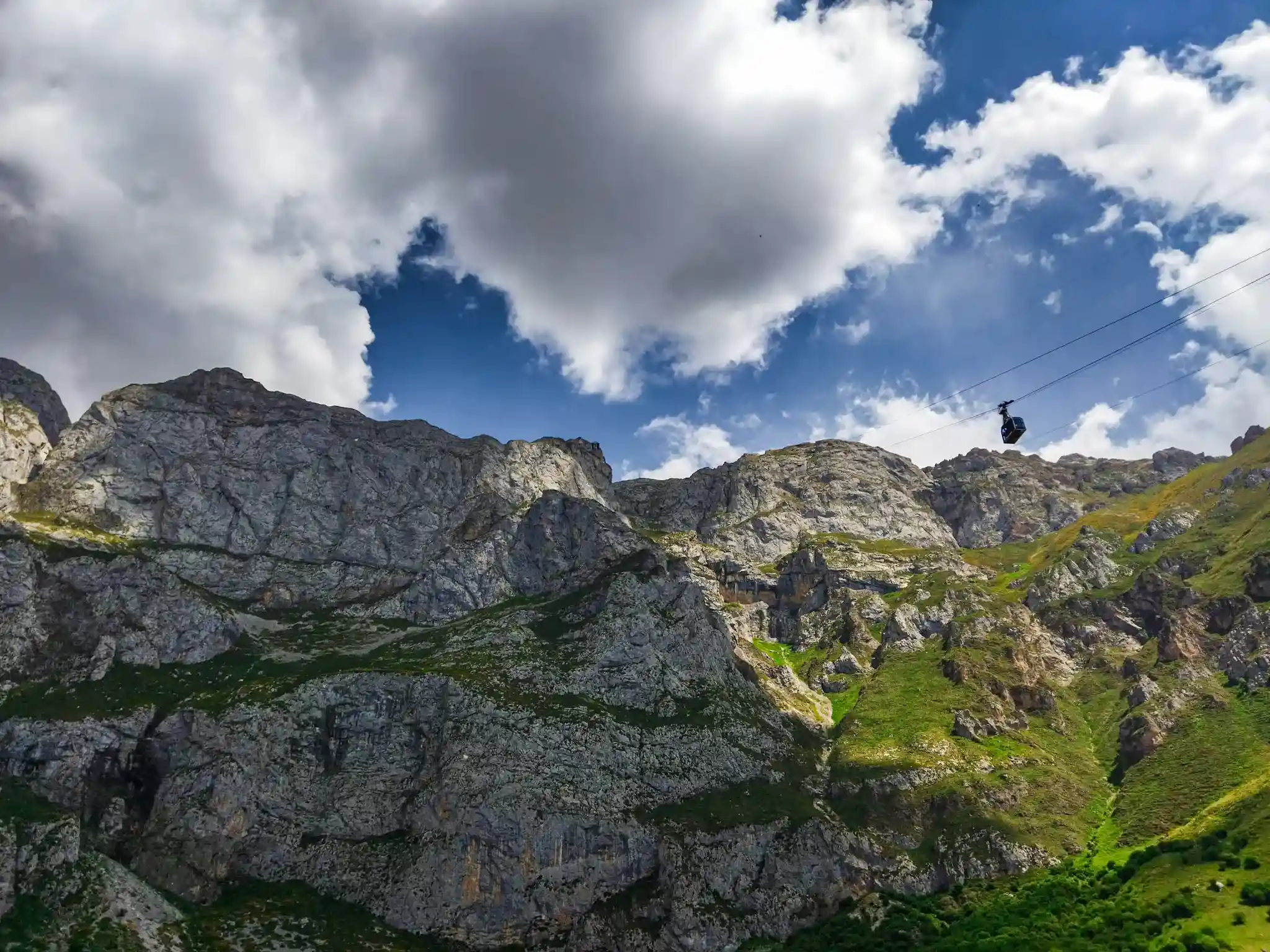
The Fuente Dé cable car is closed from 16 November 2026 for improvement works and, at the date of this review, no reopening date has been announced. Before you go, check its status on the official website. When it is running, you can buy the cable car ticket in advance. For us, going up is not essential: the surroundings are already worth the visit. At the top the temperature is low and, if you suffer from vertigo, bear the height in mind.
After lunch, head down to the coast: San Vicente de la Barquera is easy to see in an afternoon and is roughly an hour from Potes. It lies within the Oyambre Natural Park and is known for its fishing port, the church of Santa María de los Ángeles, the Castillo del Rey, the city wall and the Puente de la Maza. In summer, parking is difficult. When you finish, return to Santander to sleep. More information in What to see in San Vicente de la Barquera.

Where to eat gluten-free in San Vicente de la Barquera
We recommend Los Arcos, where we asked before sitting down to eat. Right next door is El Bodegón, which also offers gluten-free options. In both cases, confirm how they manage cross-contamination before ordering. If you try the sorropotún, the town’s typical fishermen’s stew, ask about its ingredients.
Day 6: Cabárceno in the morning and Liérganes in the afternoon
We close the common part of the route with two very different places that children and adults both enjoy. If it falls on a Sunday, reverse the order and go to Liérganes in the morning for the market.
Cabárceno
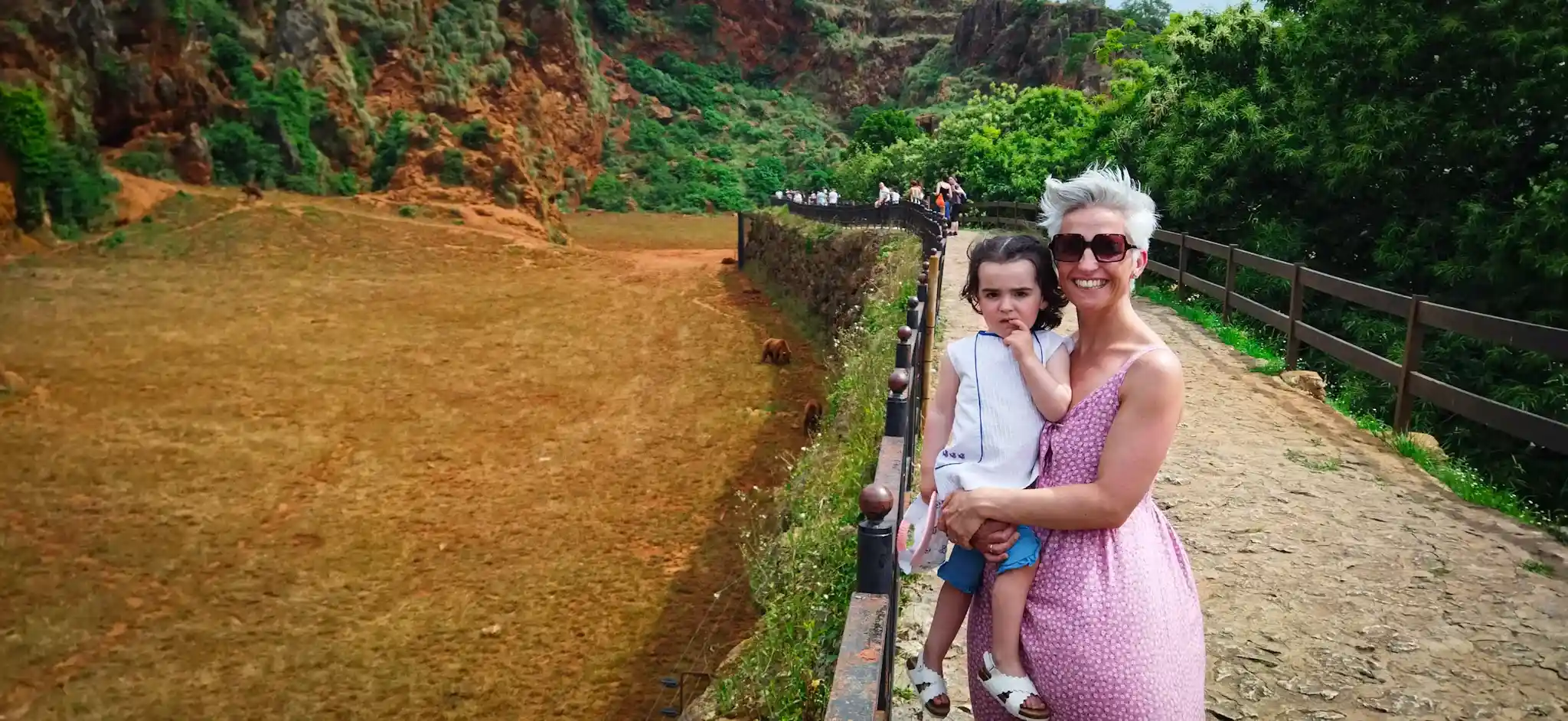
The Cabárceno Nature Park is about 20 minutes from Santander, set on a former iron mine. The animals live in large, semi-free enclosures. You can tour it by car or by bus, and you need at least a morning (three hours at a minimum). Highlights include the elephant and giraffe area, the bears, the gorillas and the Iberian fauna, and you can ride the cable car. The birds of prey and sea lion shows are quite a spectacle.
Glutendtrotters Tip
Buy your tickets in advance online and arrive early, because there are significant queues. In summer, sun protection is a must; the rest of the year, dress for the season and wear comfortable shoes.
Where to eat gluten-free: on our last visit they prepared gluten-free food for us inside the park, and there are also tables if you want to bring a picnic. Outside the park, a few minutes by car, in La Concha, you will find La Loma del Chonuco and La Cagigona, with gluten-free dishes, desserts included, and a terrace.
Liérganes
Very close to Cabárceno, in the Miera valley, Liérganes is one of the most beautiful villages in Spain. It can be seen in two or three hours. It is famous for the legend of the Fish Man, told next to the sixteenth-century Puente Mayor, and for its historic centre of stone houses with wooden balconies. You can complete the visit with a free tour of Liérganes. More information in What to see in Liérganes.

On Sundays there is a market, with clothes, cheeses, wines, Cantabrian vermouth and shoes. Go mid-morning so you can park, and check the opening hours beforehand.
Where to eat gluten-free: Dougall’s beer is brewed here, with gluten-free versions. La Cantina has many gluten-free products, and El Bigote Mexicano also has gluten-free food. Neither belongs to ACECAN and they cannot guarantee the total absence of cross-contamination: always confirm before ordering.
Day 7: choose your day, eastern coast or Campoo
The last day depends on how you arrive and what you are looking for. If you come from the Basque Country, or fancy more coast, choose option A, because the eastern coast is very close to you. If you come from Castilla y León or Madrid, or prefer mountains, choose option B, Campoo. Even so, either one works for any traveller: if you set out from Madrid, you can also do the eastern coast.
Option A: the eastern coast, Santoña, Laredo and Castro Urdiales
Santoña. We recommend the Monte Buciero route with its lighthouses: the Faro del Caballo, which you reach by going down more than 760 steps (not for small children), and the Faro del Pescador. It is a long, demanding route: find out about the current route beforehand, take water and wear boots, and set out early. If you prefer something calmer, there is a boat trip along the coast, a visit to a cannery with an anchovy tasting or a Napoleonic theatrical tour.
Laredo. Enjoy La Salvé beach, huge and perfect for children, and the Puebla Vieja. For gluten-free food, El Faro, and the restaurants in our Top 3 gluten-free restaurants in Laredo.

Castro Urdiales. Stroll along the seafront promenade and through the architectural ensemble and its monuments. For gluten-free food, Bar Quinto Pino, where they take great care with cross-contamination, although they cannot fully guarantee it. More information in What to see in Castro Urdiales in 1 day.

Option B: Campoo, Julióbriga, Reinosa and Alto Campoo
Campoo is the mountain area of southern Cantabria, with snow in winter.
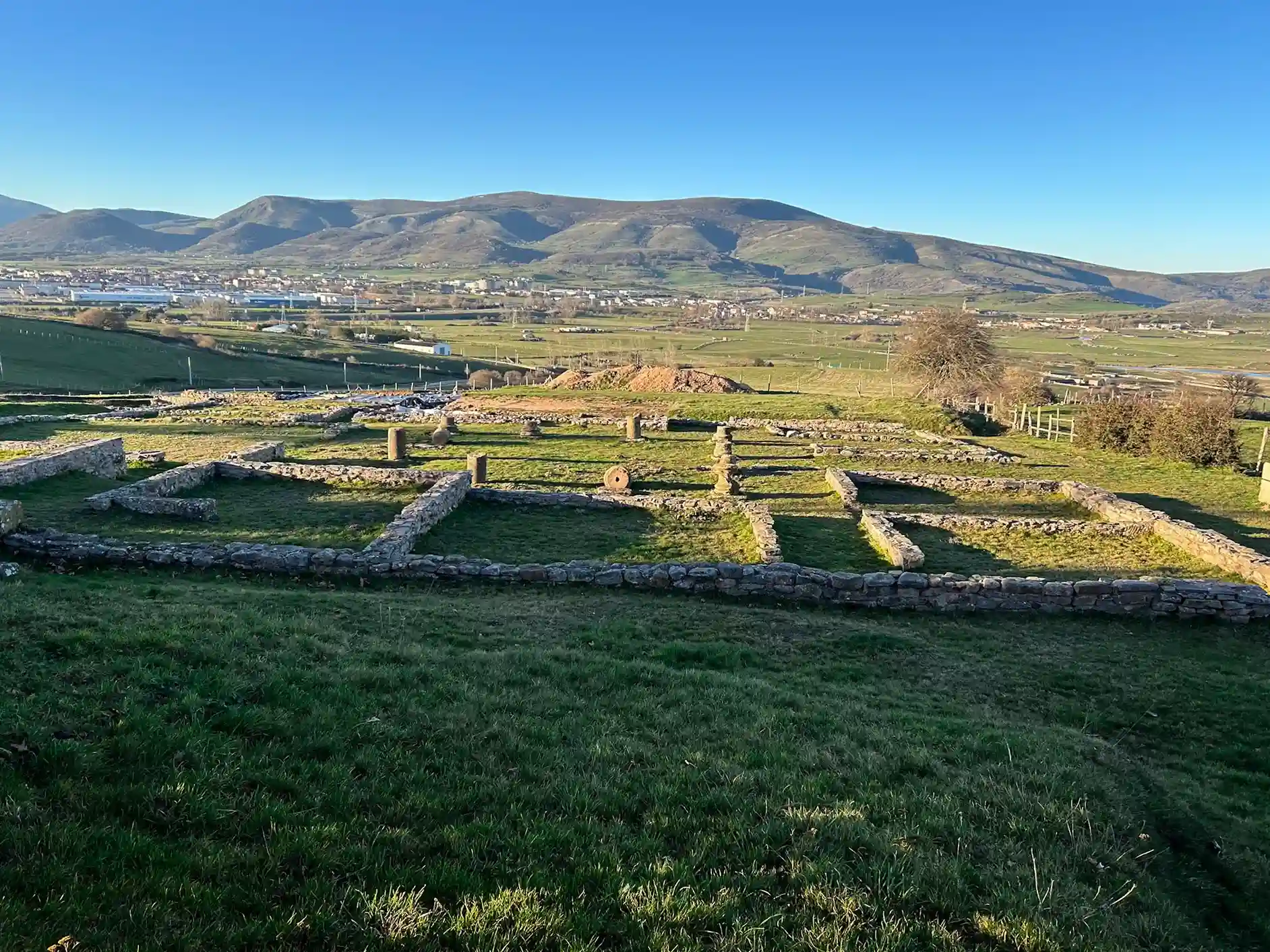
Julióbriga. It is a Roman city in Retortillo. The open-air site can be visited without a ticket and, in addition, there is a guided visit to the Domus Museum, an ancient Roman house, a visit that works very well with children. In the low season it is closed on Mondays and Tuesdays, and booking is advisable. Check times and prices before you go.
Alto Campoo. It is the region’s ski resort, but you can also go to play in the snow. It opens depending on the snow: check its official website before you go. If you are after activity, there are snowshoe excursions in Brañavieja.
Reinosa. You can stroll around the town and read What to do in Reinosa and Campoo.
Argüeso. Its castle and the Cantabrian settlement make a good visit if you are travelling with children.
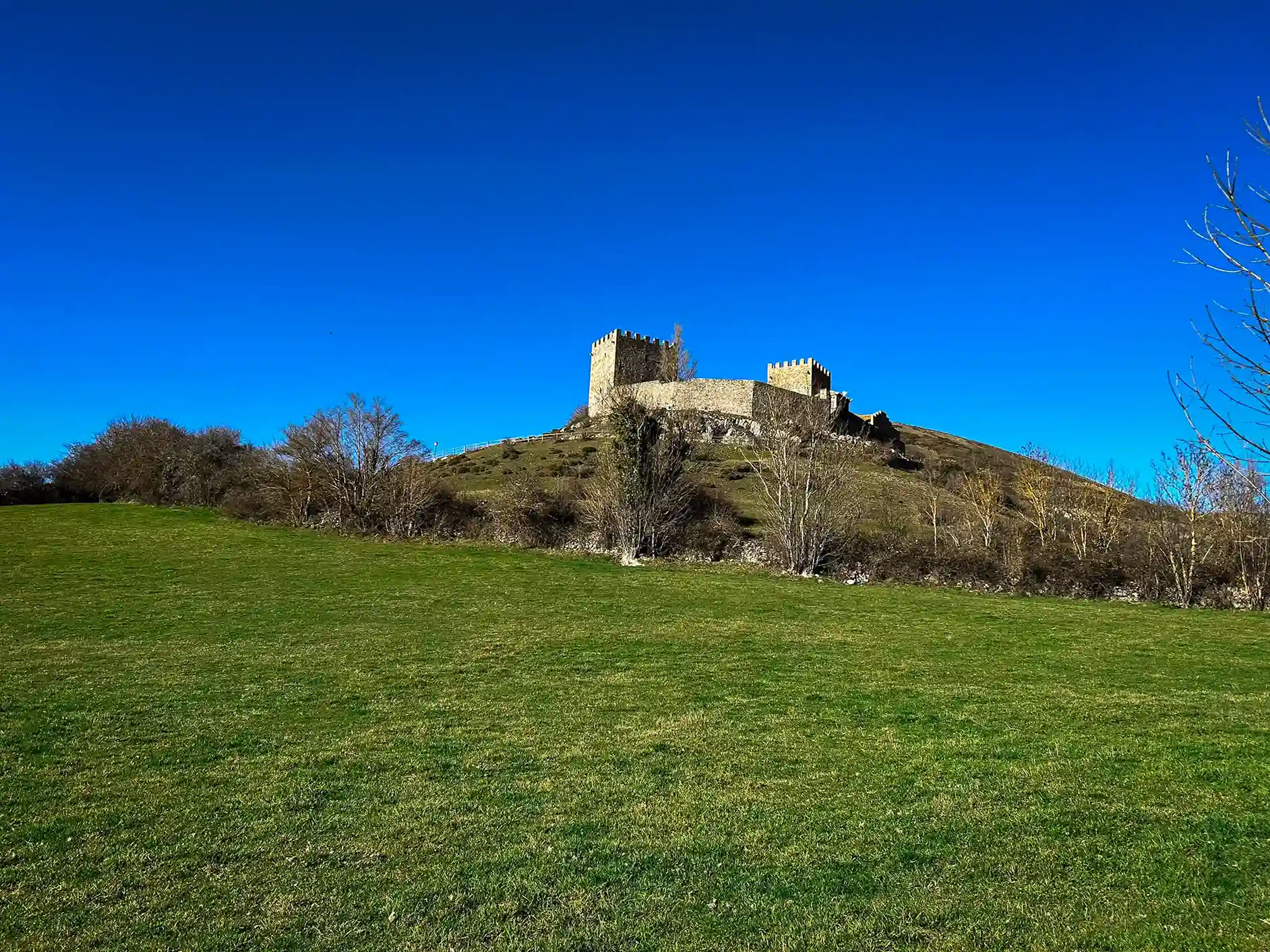
Fontibre. The River Ebro, the largest river in Spain by flow, rises here: Fontibre, the spring where the Ebro is born.
Where to eat gluten-free: at La Mole, a pizzeria and restaurant in the centre of Reinosa, they have gluten-free pizza and pasta. The owner knows a lot about cross-contamination and you can watch them cook. Although prices may be somewhat above average, the quality and service justify it.
Alternatives and extras
If you have time to spare or prefer to swap a day, El Soplao is an alternative: a cave with spectacular formations; you can read The El Soplao cave. With children, there is the Villapresente Labyrinth, and if you like caves, the Chufín cave.
If you stay more than 7 days
The longer you stay, the better. Other places we recommend:
- Ramales de la Victoria and the River Asón route: What to see in Ramales de la Victoria.
- Pasiego Valleys, very underrated: we have our circular driving route, What to see in Vega de Pas and the Churrón de Borleña route.
- Cabuérniga Valley, with Bárcena Mayor and Carmona. They belong to the same valley, although to different municipalities: Bárcena Mayor to Los Tojos and Carmona to Cabuérniga.
Fewer days?
With five days, see What to see in Cantabria in 5 days: the same route, without the night in Liébana or day 7. With three, the guide What to see in Cantabria in 3 days.
How to eat gluten-free on this route
In the restaurants on the route we have found good service, but you should always follow the same steps: book in advance, say how many coeliacs there are in your group and remind staff when you sit down. Typical dishes such as cocido lebaniego, cocido montañés or anchovies can be suitable for coeliacs, but always confirm the ingredients and how they have been prepared. You will find all the places in Where to eat gluten-free in Cantabria.
Final thoughts
We hope we have inspired you to explore this land of mountains, sea and charming villages, following our route or creating your own. Cantabria always invites you to come back. Before planning your trip, you may be interested in What to see in Cantabria: 20 must-see plans and What to do with children in Cantabria.
Until the next adventure, glutendtrotters.
Frequently Asked Questions (FAQ)
How many days are needed to see Cantabria?
At least three days to see Santander and a village such as Santillana del Mar. The ideal is seven: in seven days you see the essence of the region, from Santander and the coast to Liébana, Cabárceno and Campoo or the eastern coast. The longer you stay, the better.
Is it worth spending a night in Liébana?
Yes. Liébana is roughly 1 h 30 min from Santander, so sleeping there saves you the return trip and lets you see Potes, Santo Toribio, Mogrovejo and Fuente Dé without rushing. We stayed in Cahecho, at the Viviendas Rurales Peña Sagra; book in advance and, in winter, bring chains or winter tyres.
Is it better to change accommodation or always sleep in Santander?
On this route you sleep six nights in Santander and one in Cahecho, in Liébana. Santander is a good base because from there you can reach almost everything you will visit in a day.
What should I do on day 7: the eastern coast or Campoo?
It depends on where you come from and what you are looking for. The eastern coast (Santoña, Laredo and Castro Urdiales) is very close if you come from the Basque Country; Campoo (Julióbriga, Reinosa and Alto Campoo) is the mountain option, designed for those arriving from Castilla y León or Madrid. Either works for any traveller.
Can the route be done without a car?
We do not recommend it. In Santander public transport works very well, but the train is slow and does not reach every village on the route. It is best to go by car, your own or rented.
Where can I eat gluten-free on this route?
At every stop there are places with gluten-free options: Casa José and La Chulilla in Santander, Restaurante Conde and Las Quintas in Santillana, El Carel in Comillas, El Cenador del Capitán in Potes, Los Arcos and El Bodegón in San Vicente, La Cantina in Liérganes, El Faro in Laredo, Bar Quinto Pino in Castro Urdiales and La Mole in Reinosa. Book, say how many coeliacs there are in your group and always confirm how they manage cross-contamination.
What is the best time to go and what happens in winter?
For us, spring and early autumn. In summer there are many people and it is hot; in winter there is snow in the mountain areas, such as Cahecho, Fuente Dé or Campoo, and it is advisable to carry chains or winter tyres.
SEARCH ON THE MAP